The HVAC High-Pressure Switch: Preventing Overheating and Compressor Failure
In the world of HVAC systems, few components play as vital a role in protecting your investment as the high-pressure switch. This critical safety device stands guard against potentially catastrophic issues like overheating and compressor failure. At our experienced service team, we understand how essential proper function of this switch is for maintaining efficient, reliable home comfort year-round.
Protect Your Compressor Today – Call Now!
Whether you're facing unexpected system shutdowns or simply want to ensure your air conditioning unit operates at peak performance, understanding the high-pressure switch empowers you to make informed decisions. This comprehensive guide explores everything you need to know about this important safety feature.
Understanding the Role of the High-Pressure Switch
The high-pressure switch serves as an automatic safeguard within your HVAC system's refrigeration cycle. Located strategically on the discharge line of the compressor, it continuously monitors refrigerant pressure levels. When pressure exceeds safe operating thresholds, the switch activates and shuts down the compressor to prevent damage.
Bold key terms like high-pressure switch highlight its importance. Without this device, excessive pressure from various causes could lead to severe mechanical failure, expensive repairs, or even complete system replacement.
This switch provides peace of mind by automatically intervening before problems escalate. Modern HVAC units rely on several safety controls, but the high-pressure switch specifically targets discharge-side pressure issues that could otherwise compromise the entire system.
How the High-Pressure Switch Works
The mechanism is elegantly simple yet highly effective. Inside the switch, a pressure-sensitive diaphragm or bellows responds to changes in refrigerant pressure. Under normal conditions, the switch remains closed, allowing the compressor to operate smoothly.
When pressure climbs too high—typically due to dirty condenser coils, a failed condenser fan, refrigerant overcharge, or restricted lines—the diaphragm moves and opens the electrical circuit. This immediately cuts power to the compressor, halting operation and preventing further pressure buildup.
Once pressure returns to normal levels, many switches automatically reset, while others require manual intervention. This design ensures your system never operates under dangerous conditions that could lead to compressor burnout or refrigerant leaks.
Professional technicians often use specialized tools to test these switches, ensuring they respond accurately to pressure changes. Regular verification helps maintain optimal system protection.

Common Signs Your High-Pressure Switch Has Activated
Recognizing when your high-pressure switch has tripped helps you address issues promptly. The most obvious symptom is frequent system cycling or complete loss of cooling despite the unit running.
Other indicators include:
- Warm air blowing from vents instead of cool air
- Unusual compressor noises before shutdown
- Increased energy bills from inefficient operation
- Error codes displayed on digital thermostats
- Frequent resets needed to restore cooling
These signs often point to underlying problems that the switch is protecting you from. A reassuring aspect is that the switch itself is doing its job—preventing more serious damage while alerting you to needed maintenance.
Primary Causes of High-Pressure Switch Tripping
Several factors can trigger the high-pressure switch. Understanding these helps homeowners prevent recurring issues.
Dirty condenser coils rank among the most common causes. Accumulated dirt, debris, and pollen restrict airflow, causing heat to build up and pressure to rise dangerously.
Failed condenser fan motors prevent proper heat dissipation. When the fan stops spinning effectively, refrigerant cannot release heat adequately, leading to pressure spikes.
Refrigerant overcharge creates excessive pressure throughout the system. Only certified professionals should handle refrigerant adjustments to avoid this problem.
Restricted refrigerant lines or kinks in piping also contribute to pressure buildup. These issues often develop gradually and require expert diagnosis.
Other potential causes include dirty air filters, blocked vents, or malfunctioning expansion valves. Each scenario demonstrates why the high-pressure switch remains essential for system longevity.
Diagnosing High-Pressure Switch Problems
Proper diagnosis requires both technical knowledge and specialized equipment. Trained HVAC technicians begin by checking system pressures using manifold gauges to verify actual operating conditions.
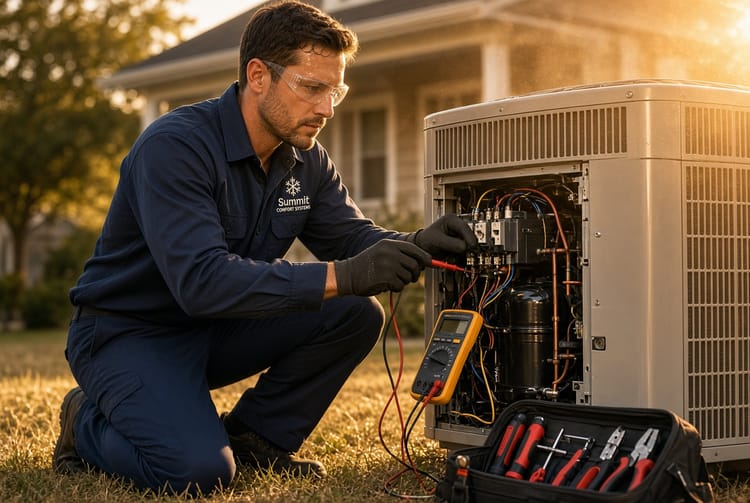
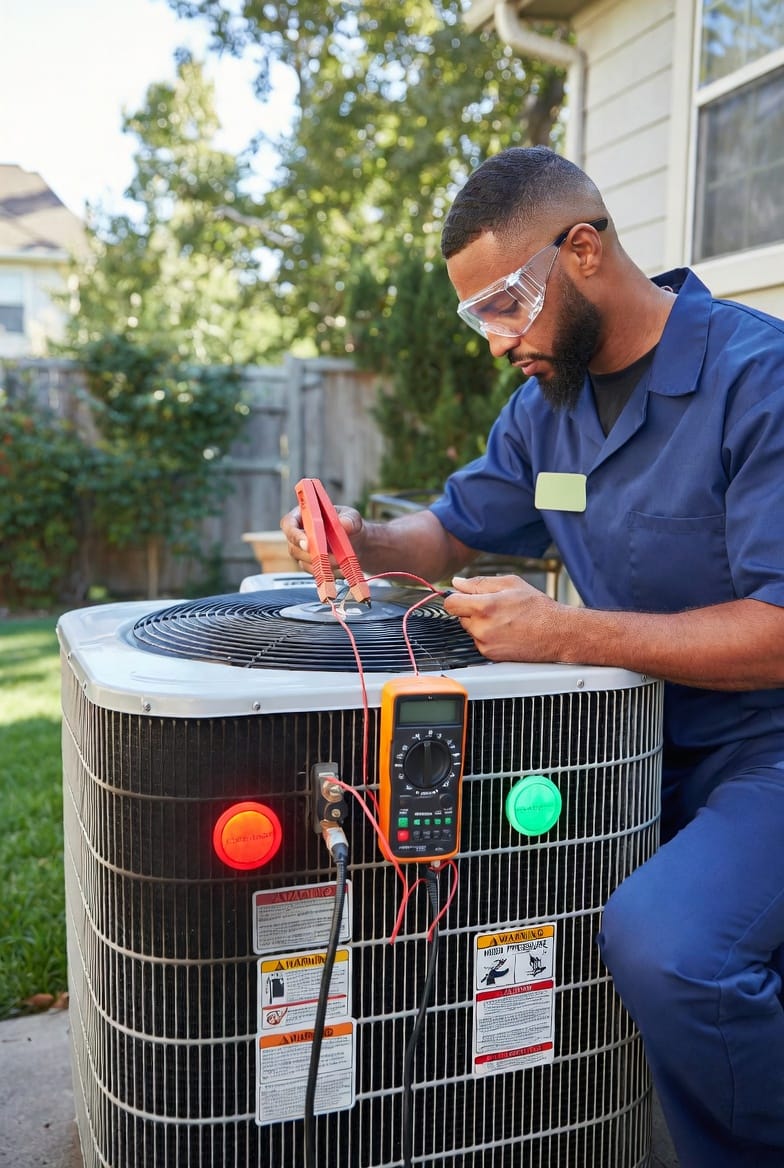
Next, they inspect the switch itself using multimeters and jumper wires to test continuity and response. This process confirms whether the switch is functioning correctly or has failed.
Visual inspection of condenser coils, fan blades, and electrical connections follows. Technicians look for signs of wear, damage, or blockages that might cause abnormal pressure.
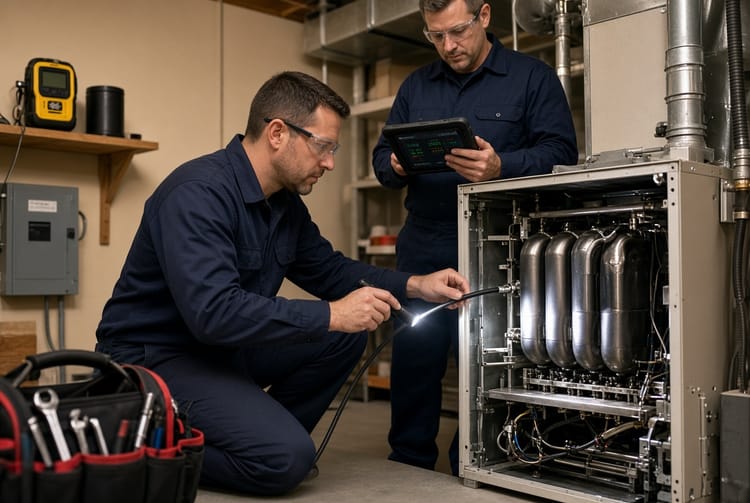
Advanced diagnostic tools, including thermal imaging cameras, help identify hot spots indicating poor heat transfer or electrical issues. This thorough approach ensures the root cause receives proper attention rather than just addressing symptoms.

The Importance of Professional Maintenance
While some basic maintenance like cleaning around your outdoor unit can help, high-pressure switch issues require professional expertise. Attempting complex repairs without proper training and certification risks further damage or safety hazards.
Scheduled preventive maintenance visits allow technicians to clean coils, check refrigerant levels, test safety switches, and verify overall system performance. This proactive approach significantly reduces the likelihood of emergency breakdowns during peak summer months.
Our team recommends annual inspections for most residential systems, with more frequent service for units in dusty environments or those operating under heavy loads.
Step-by-Step Troubleshooting Guide
When your system stops cooling, follow these safe preliminary steps:
- Check your thermostat settings and batteries
- Inspect air filters and replace if dirty
- Clear debris around the outdoor condenser unit
- Verify all vents are open and unobstructed
- Listen for unusual sounds when the system attempts to start
If these steps don't resolve the issue, it's time to contact professionals. They possess the training and tools necessary for safe, effective repairs.
Technical Deep Dive: Pressure Dynamics in HVAC Systems
To fully appreciate the high-pressure switch, consider the refrigeration cycle. Refrigerant absorbs heat indoors through the evaporator coil, then travels to the compressor where it becomes highly pressurized and hot.
This superheated gas moves through the discharge line to the condenser, where the fan and coils release heat to the outside air. The high-pressure switch monitors this discharge pressure specifically because it represents the highest stress point in the system.
Typical cut-out pressures range from 400 to 450 PSI, depending on the refrigerant type and manufacturer specifications. These values ensure operation stays well below component design limits.
Understanding these dynamics helps explain why proper airflow and refrigerant charge prove so crucial for system health.
Long-Term Benefits of Functional High-Pressure Protection
A properly functioning high-pressure switch extends compressor life dramatically. Compressors represent the most expensive component in most HVAC systems, often costing thousands to replace.
By preventing repeated overheating cycles, the switch reduces wear on bearings, valves, and electrical components. This translates to fewer repairs, lower operating costs, and greater reliability.
Homeowners also benefit from improved energy efficiency. Systems operating within designed parameters consume less electricity while delivering consistent comfort.
When to Replace Your High-Pressure Switch
Not all switch issues require replacement. Sometimes cleaning connections or addressing underlying causes resolves the problem. However, if testing reveals internal failure, replacement becomes necessary.
Modern switches offer improved reliability and faster response times compared to older models. Upgrading during routine service can enhance overall system protection.
Professional installation ensures proper wiring, secure mounting, and correct pressure settings for your specific equipment.
Integrating Smart Technology with Safety Switches
Today's smart HVAC systems often incorporate monitoring capabilities that alert homeowners to potential high-pressure events before complete shutdown occurs. These systems can send notifications to your smartphone, allowing earlier intervention.
While technology advances, the fundamental importance of mechanical high-pressure switches remains unchanged. They provide fail-safe protection even during power fluctuations or smart system malfunctions.
Environmental Considerations and Proper Service
Responsible HVAC service includes proper refrigerant handling according to EPA regulations. When addressing pressure-related issues, technicians recover and recycle refrigerant correctly, minimizing environmental impact.
Choosing service providers committed to best practices ensures your repairs contribute to both system performance and environmental stewardship.
Building a Comprehensive Maintenance Plan
Create a year-round maintenance strategy that includes:
- Spring preparation before cooling season
- Mid-season checks during peak usage
- Fall inspections for heating system readiness
- Winter preventive care for year-round protection
Document all service visits and keep records of any high-pressure switch activations. This information helps technicians identify patterns and recommend optimal solutions.
Common Myths About High-Pressure Switches
Some homeowners believe these switches fail frequently and cause unnecessary downtime. In reality, most activations indicate legitimate system problems requiring attention.
Another misconception suggests bypassing the switch to restore cooling temporarily. This extremely dangerous practice risks severe equipment damage and should never be attempted.
Professional diagnosis always provides the safest path forward.
Choosing the Right HVAC Service Partner
When selecting a service provider, look for:
- Proper licensing and insurance
- Manufacturer certifications
- Transparent diagnostic processes
- Clear pricing structures
- Strong customer references
Experienced technicians who take time to explain issues and solutions build lasting trust with clients.
Conclusion: Protect Your Compressor Investment
The high-pressure switch represents one of the most important safety features in modern HVAC systems. By understanding its function and responding appropriately to any activation, you protect your equipment from costly damage while maintaining reliable home comfort.
Don't wait for complete system failure to address pressure-related concerns. Early intervention saves money and prevents disruption to your family's comfort.
Our expert team stands ready to provide thorough inspection, accurate diagnosis, and professional repair services for all high-pressure switch concerns. Experience the confidence that comes with knowing your HVAC system receives expert care from trusted professionals dedicated to your complete satisfaction.
Prevent Compressor Failure – Get Expert Help Now