The HVAC Expansion Valve Metering: How It Controls Refrigerant Flow
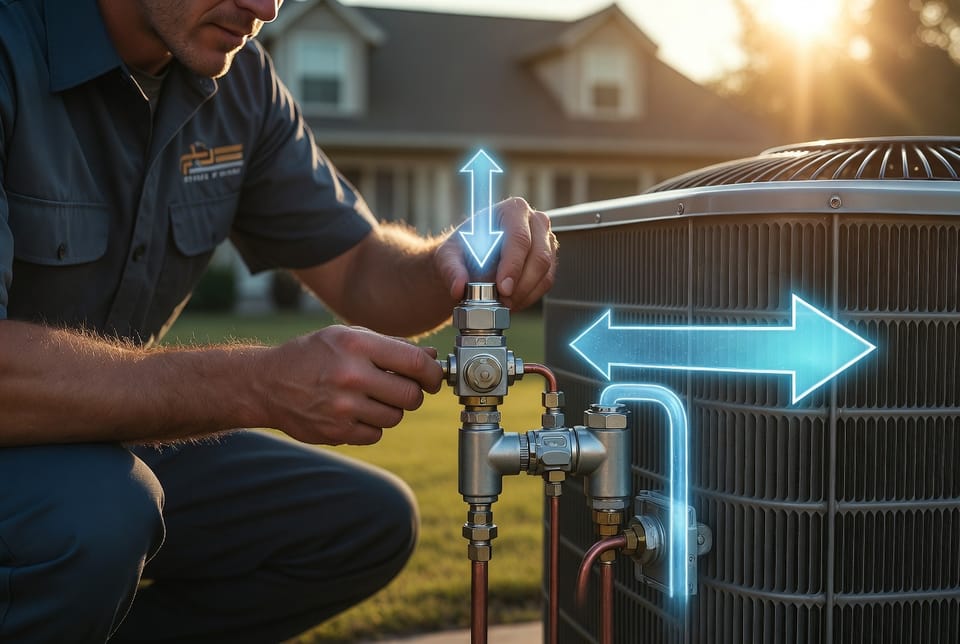
In every reliable HVAC system, countless components work together to keep your home comfortable year-round. Among these, the expansion valve—particularly the thermal expansion valve (TXV)—plays a critical role in metering refrigerant flow. Proper HVAC expansion valve metering directly impacts cooling efficiency, energy consumption, and the overall longevity of your air conditioning unit.
Restore Efficient Cooling – Call for TXV Service
At its core, the TXV acts as a precision regulator. It ensures the right amount of refrigerant enters the evaporator coil at exactly the right time. Without accurate metering, your system can suffer from reduced performance, higher utility bills, and even premature component failure. Understanding how this vital part functions empowers homeowners to recognize issues early and maintain peak system efficiency.
Understanding the Role of the Thermal Expansion Valve
The thermal expansion valve is a sophisticated device located between the condenser and the evaporator in most modern HVAC systems. Its primary job is to meter refrigerant by controlling how much liquid refrigerant flows into the evaporator coil.
- Key Function: It adjusts the flow based on the superheat—the temperature difference between the refrigerant’s actual temperature and its boiling point at a given pressure. This prevents liquid refrigerant from flooding back to the compressor while ensuring maximum cooling capacity.
Proper refrigerant metering maintains optimal pressure and temperature balance throughout the refrigeration cycle. When functioning correctly, it allows the evaporator to absorb heat efficiently from indoor air, delivering consistent, comfortable cooling.
Why does this matter for Dallas homeowners? In Texas’s demanding climate with extreme summer heat, your AC works hard. A well-functioning TXV helps the system respond dynamically to varying loads, preventing wasteful operation.
How the TXV Controls Refrigerant Flow
The TXV operates through a responsive feedback mechanism involving several integrated parts:
- Sensing Bulb: Filled with refrigerant or a similar fluid, it attaches to the suction line leaving the evaporator. It detects temperature changes.
- Diaphragm and Valve Seat: These respond to pressure differences to open or close the valve orifice.
- Equalizer Line: Connects to the evaporator outlet to balance internal pressures.
- Spring Mechanism: Provides counterforce for precise modulation.
As the evaporator load changes, the sensing bulb signals the valve. If superheat is too low (risking liquid slugging), the valve throttles flow. If superheat is too high (starving the evaporator), it opens wider to allow more refrigerant. This dynamic metering process ensures efficient heat transfer.
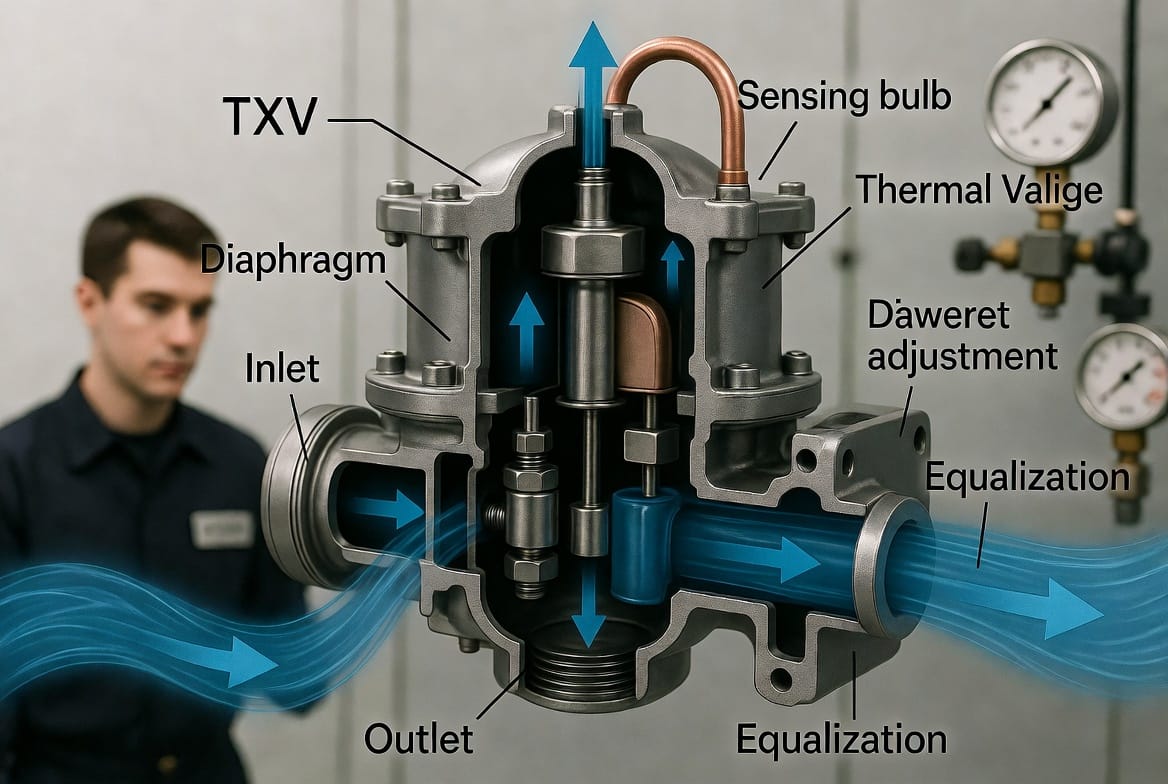
This precise control is what separates efficient systems from those that struggle. A properly metering TXV can improve system efficiency by 10-20% compared to fixed-orifice devices in many cases, translating to noticeable savings on energy bills.
Common Signs of TXV Failure
When the expansion valve begins to fail, symptoms often appear gradually. Recognizing these early can prevent larger repairs:
- Insufficient Cooling: Your AC runs longer but fails to reach the desired temperature.
- Freezing Evaporator Coils: Ice buildup indicates improper refrigerant flow, often from over- or under-metering.
- Hissing or Bubbling Sounds: Unusual noises from the valve or lines suggest pressure imbalances.
- High Energy Bills: Inefficient metering forces the compressor to work harder.
- Compressor Damage Risk: Liquid refrigerant returning (flooding) or insufficient cooling can lead to overheating and mechanical failure.

If you notice any of these signs of TXV problems, prompt professional attention is essential. Delaying service risks cascading damage to the compressor—the most expensive component in your HVAC system.
Why Proper Metering Matters for Efficiency and Longevity
HVAC expansion valve metering is not just a technical detail—it’s central to system performance. Here’s why it deserves attention:
- Energy Efficiency: Accurate flow maximizes the evaporator’s heat absorption, reducing runtime and electricity use.
- Consistent Comfort: Stable superheat prevents temperature swings and humidity control issues common in Texas homes.
- Component Protection: Prevents liquid slugging that damages compressors and reduces strain on other parts.
- Lower Operating Costs: Well-maintained metering can significantly cut seasonal cooling expenses.
- Extended System Life: Proper operation reduces wear, potentially adding years to your AC unit’s service life.
In variable conditions like those in the Dallas-Fort Worth area, a TXV’s ability to adapt is particularly valuable compared to less sophisticated metering devices.
Maintenance Tips for Your Expansion Valve
While the TXV is generally reliable, regular professional maintenance helps ensure continued performance:
• Schedule annual HVAC tune-ups before peak cooling season.
• Keep outdoor units clear of debris for proper airflow.
• Monitor for unusual sounds or performance drops.
• Address refrigerant leaks promptly, as low charge affects valve operation.
• Trust certified technicians for any TXV inspection, adjustment, or replacement.
DIY attempts on refrigerant-containing components are not recommended due to environmental regulations and safety concerns. Professional service ensures correct handling and system recharge if needed.
The Technical Edge: TXV vs. Other Metering Devices
Many older systems use fixed orifices or capillary tubes for refrigerant control. While simpler and less expensive, these lack the adaptive capability of a thermal expansion valve. TXVs provide superior performance in fluctuating conditions, making them the preferred choice in high-efficiency modern HVAC equipment.
Understanding this difference helps homeowners appreciate why upgrading or properly maintaining a TXV-equipped system delivers better long-term value.
When to Call for Professional TXV Service
If your system shows signs of metering issues, don’t wait. A qualified HVAC technician can diagnose the problem accurately—often using specialized gauges and temperature probes—and perform precise repairs or replacements.
Professional service restores optimal refrigerant flow control, bringing back efficiency and peace of mind. Early intervention is always more cost-effective than major system repairs down the line.
Ensuring Reliable Home Comfort Through Expert Care
Your HVAC system is an investment in comfort and home value. The expansion valve metering process might seem technical, but its impact on daily life is significant. By maintaining this critical component, you protect efficiency, reduce costs, and enjoy consistent cooling even during the hottest Texas days.
Homeowners who stay proactive with HVAC maintenance report higher satisfaction and fewer emergency calls. The right knowledge combined with professional support keeps your system operating at its best.
Proper metering keeps your system efficient. For expert TXV inspection, repair, or replacement. We provide reliable HVAC service tailored to your home’s needs, ensuring long-lasting performance and comfort you can count on.
Get Expert HVAC Expansion Valve Repair – Call Now