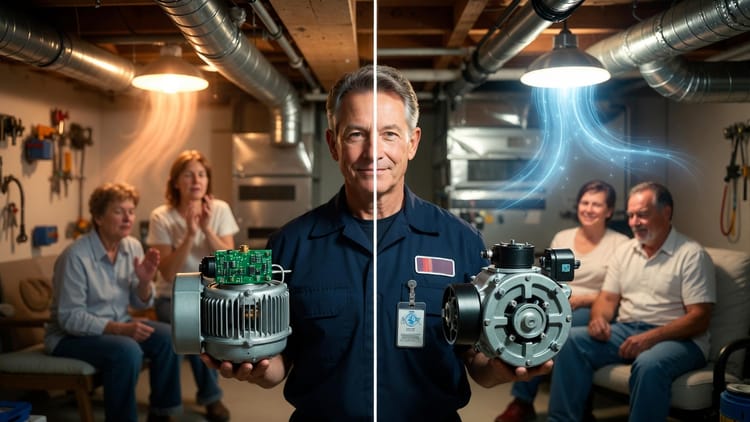
The HVAC Contact Points: Cleaning and Maintenance for Reliable Operation
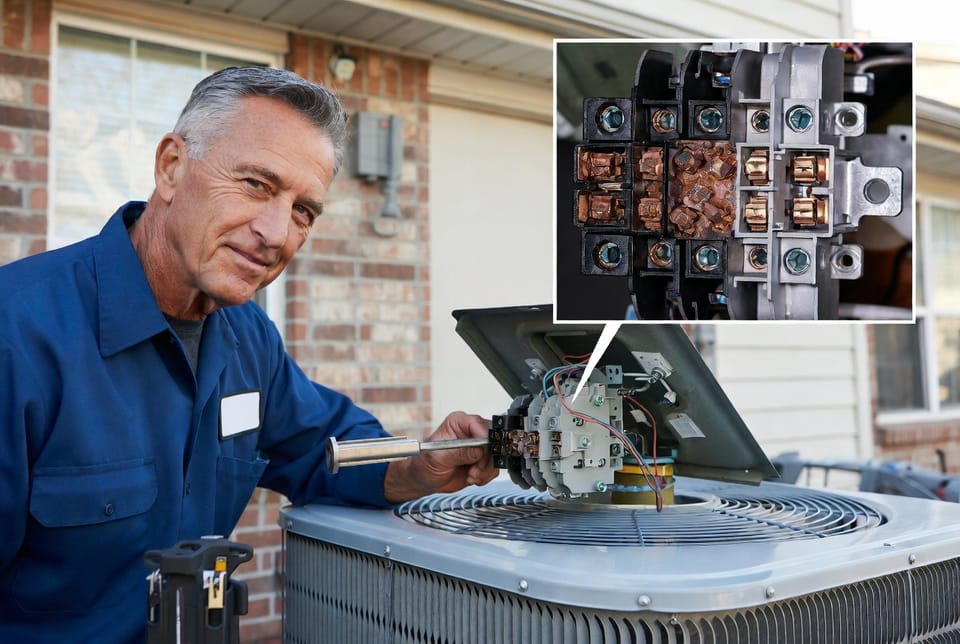
In the world of HVAC systems, few components are as critical yet often overlooked as the electrical contact points. These essential connections — including relays, contactors, and terminals — serve as the vital switches that power your heating, ventilation, and air conditioning equipment. When properly maintained, they ensure smooth, efficient operation. When neglected, they can lead to costly breakdowns, reduced performance, and even complete system failure.
Schedule HVAC Contact Cleaning Today – Call Now!
At our HVAC service, we emphasize proactive maintenance of these electrical connections. Dirty or corroded contact points create resistance that leads to voltage drops, excessive heat buildup, and arcing. Regular professional cleaning and inspection keep your system operating at peak efficiency year-round. This comprehensive guide explores why contact point maintenance matters, the warning signs of trouble, and how expert service delivers lasting reliability.
Understanding HVAC Electrical Contact Points
Contact points in HVAC systems are the precise surfaces where electrical current flows between components. Key examples include:
- Contactors: Heavy-duty switches that control high-voltage power to compressors and blowers.
- Relays: Smaller devices managing lower-voltage control circuits.
- Terminals and Wire Connections: Points where wiring meets components, vulnerable to loosening and corrosion over time.
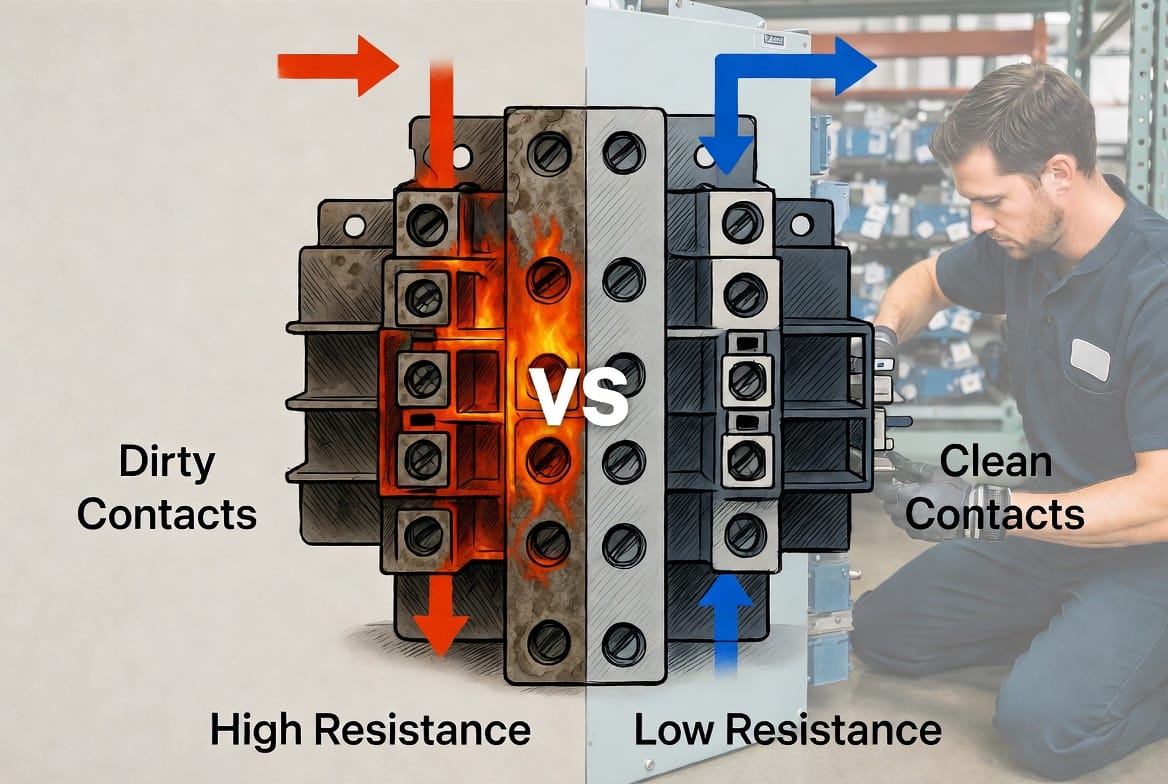
These parts endure constant cycling, temperature fluctuations, vibration, and exposure to dust, moisture, and chemical residues. Over months and years, oxidation and debris accumulation increase electrical resistance significantly.
Clean contact points allow seamless current flow. Contaminated ones force the system to work harder, generating heat and wasting energy. This is not merely a minor inconvenience — it directly impacts system longevity and your monthly energy bills.
The Hidden Risks of Dirty or Corroded Contacts
Neglected contact points pose serious risks to your HVAC investment. Here’s what happens when problems develop:
- Voltage Drop: Increased resistance reduces power delivery to motors and compressors, causing them to strain.
- Overheating: Excess resistance converts electrical energy into destructive heat, potentially melting insulation or warping components.
- Arcing and Pitting: Sparks jump across imperfect surfaces, eroding metal and creating rough, unreliable contact areas.
- System Failure: Progressive damage eventually leads to contactors failing to close properly or sticking in the closed position.
Left unchecked, these issues accelerate wear on expensive parts like compressors — often the most costly component to replace. Professional intervention prevents this cascade of problems, saving you significant money and disruption.
Recognizing the Warning Signs Early
Early detection of contact point issues allows for simple, affordable fixes. Stay alert for these common indicators:
- Buzzing or Humming Noises: Suggests contactors struggling to engage fully due to pitting or debris.
- Intermittent Operation: System starts and stops unexpectedly or fails to respond to thermostat commands.
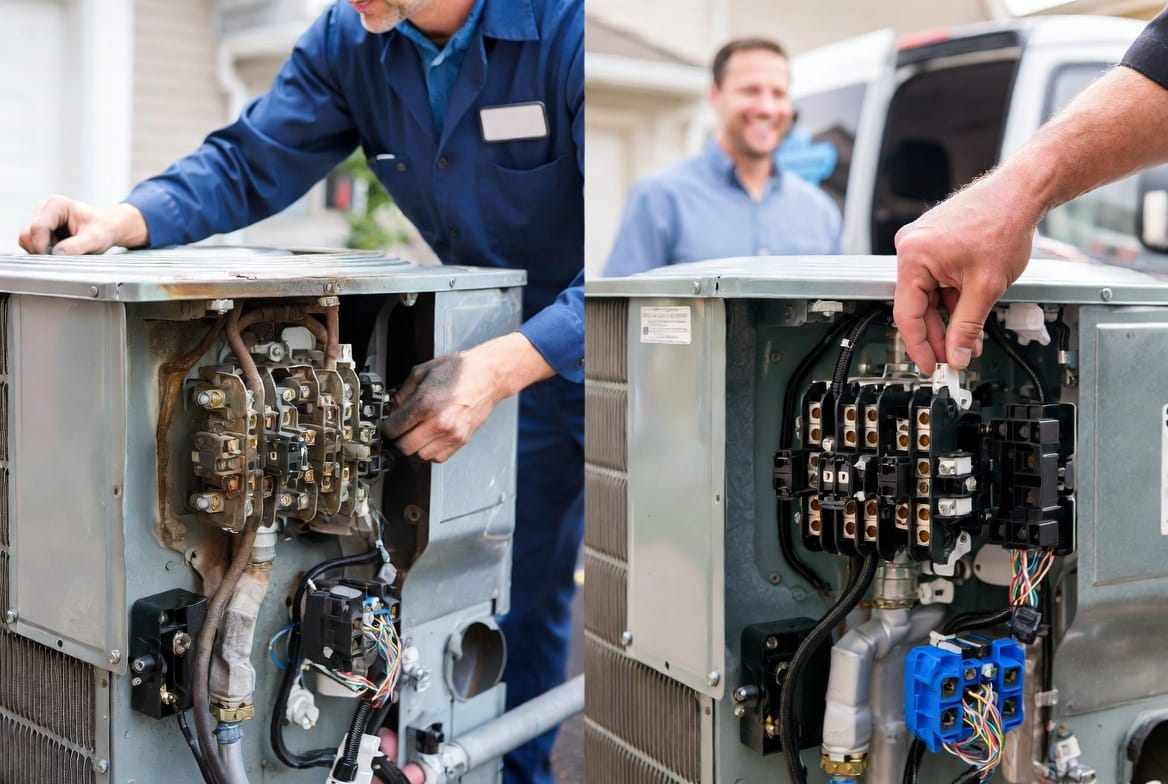
- Visible Corrosion or Burning: Darkened, pitted, or greenish deposits on terminals and contact surfaces.
- Increased Energy Bills: Poor electrical efficiency forces components to draw more power.
- Frequent Cycling: Short-cycling or longer-than-normal run times as the system compensates for voltage issues.
- Burnt Electrical Smell: A serious red flag indicating overheating connections.
If you notice any of these HVAC warning signs, schedule professional inspection promptly. Addressing problems early prevents escalation and maintains optimal system performance.
The Professional Cleaning and Maintenance Process
Our certified technicians follow a thorough, systematic approach to HVAC contact point maintenance:
- Safety First: Complete system power shutoff and lockout/tagout procedures.
- Visual Inspection: Detailed examination of all contactors, relays, terminals, and wiring.
- Cleaning: Specialized non-conductive solvents and tools remove oxidation, carbon buildup, and contaminants without damaging surfaces.
- Contact Restoration: Gentle resurfacing or dressing of pitted areas when appropriate.
- Tightening and Testing: Secure all connections and perform voltage drop, resistance, and amp draw tests.
- Replacement When Needed: Install new high-quality contactors or relays if damage exceeds safe cleaning limits.
- System Verification: Full operational test to confirm restored efficiency and reliability.
This meticulous process restores proper electrical flow and extends equipment life significantly. Unlike quick DIY attempts, professional service addresses root causes while ensuring compliance with safety standards.
Benefits of Regular HVAC Electrical Maintenance
Investing in scheduled contact point cleaning delivers multiple advantages:
- Enhanced Reliability: Fewer unexpected breakdowns during extreme weather.
- Improved Energy Efficiency: Reduced electrical resistance lowers utility costs.
- Extended Equipment Lifespan: Less stress on compressors, motors, and other major components.
- Better Indoor Air Quality: Properly functioning systems maintain consistent performance.
- Peace of Mind: Knowing your HVAC system operates safely and efficiently.
Regular maintenance is the smartest investment you can make in home comfort. Most experts recommend annual or bi-annual electrical inspections as part of a comprehensive HVAC service plan.
Why Professional Service Beats DIY Approaches
While basic visual checks are helpful, electrical work in HVAC systems demands specialized knowledge and tools. Incorrect cleaning methods can damage sensitive components or create safety hazards. Professionals bring:
- Manufacturer-approved materials and techniques
- Precision testing equipment
- Deep understanding of system-specific requirements
- Warranty-preserving service documentation
Our team’s expertise ensures your system receives care that truly protects your investment. We focus on long-term reliability rather than temporary fixes.
Common Questions About Contact Point Maintenance
How often should contact points be cleaned?
For most residential systems, we recommend inspection and cleaning every 1-2 years, or as part of your annual tune-up. High-dust environments or commercial systems may need more frequent attention.
Can dirty contacts cause complete system failure?
Yes. Severe corrosion or pitting can prevent contactors from functioning, halting operation entirely and potentially damaging connected components.
Is contact cleaning expensive?
Professional maintenance is highly cost-effective compared to emergency repairs or premature equipment replacement. Many service plans make regular visits affordable.
What’s the difference between cleaning and replacing contactors?
Cleaning restores functional surfaces when wear is moderate. Replacement becomes necessary when pitting is deep or contacts are severely burned.
Maintaining Your HVAC System for Years of Reliable Service
Electrical contact points represent just one aspect of comprehensive HVAC care, but they are foundational to overall performance. By prioritizing professional cleaning and maintenance, homeowners enjoy consistent comfort, lower operating costs, and greater confidence in their heating and cooling systems.
Don’t wait for warning signs to appear. Preventive maintenance protects your comfort and investment while avoiding stressful breakdowns.
Clean connections keep your system running. Our experienced technicians are ready to inspect your HVAC contact points and ensure reliable, efficient operation throughout the seasons.
Get Professional Contact Point Maintenance N