The HVAC Accumulator: Protecting the Compressor from Liquid Refrigerant Floodback
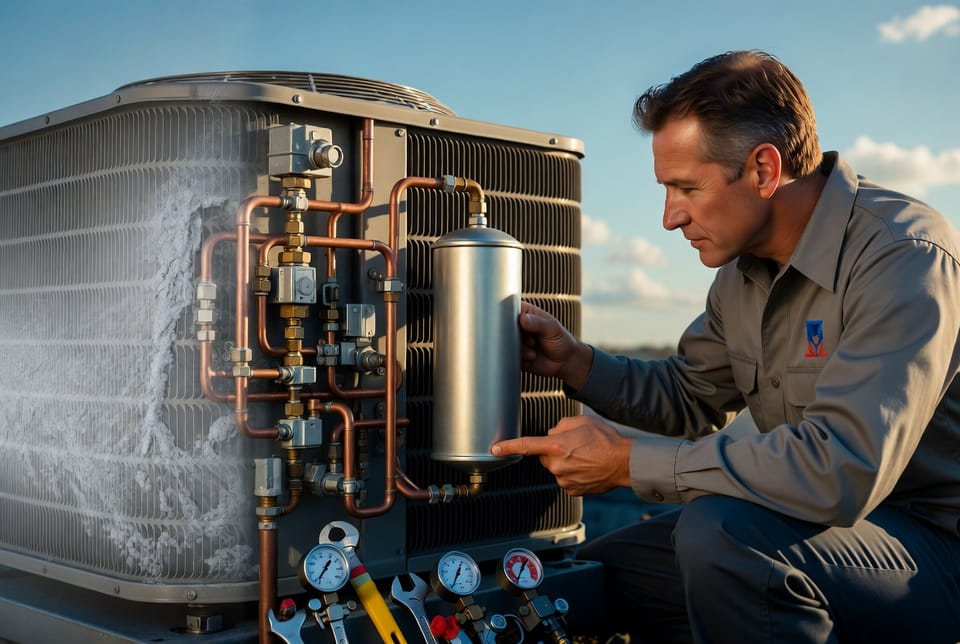
In the intricate world of HVAC systems, some components work quietly in the background to ensure reliable performance. The HVAC accumulator is one such vital yet often overlooked part. Installed on the suction line, it plays a critical role in safeguarding your system's most expensive component — the compressor.
Stop Liquid Floodback Damage – Schedule Inspection Today!
Understanding the accumulator helps homeowners and facility managers maintain peak efficiency and avoid costly breakdowns. This comprehensive guide explores how this component protects against liquid refrigerant floodback, the warning signs of trouble, and when professional replacement becomes necessary.
What Is an HVAC Accumulator and Why Does It Matter?
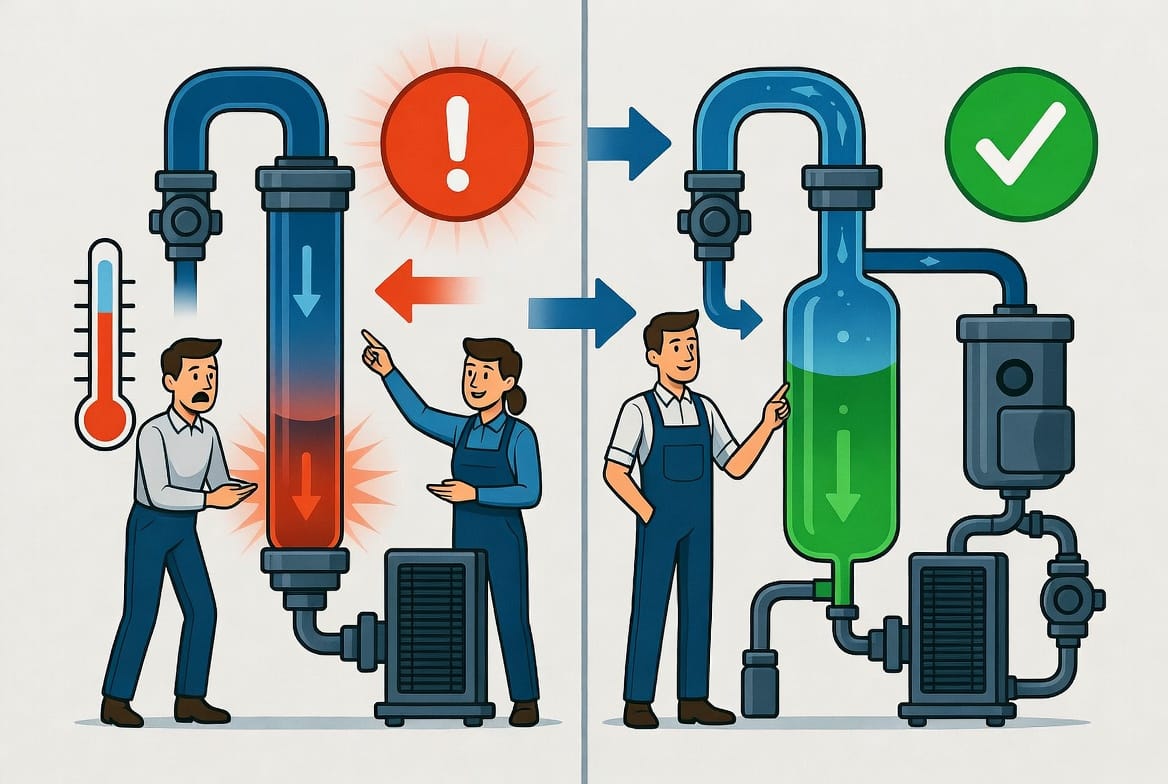
The accumulator is a cylindrical metal canister positioned between the evaporator and the compressor. Its primary function is to collect and store excess liquid refrigerant that may return from the evaporator coil before it can reach the compressor.
Compressors are designed to handle vapor only. When liquid refrigerant enters — a condition known as liquid slugging or floodback — it can cause severe mechanical damage. The accumulator acts as a protective barrier by:
- Separating liquid from vapor
- Allowing only refrigerant gas to proceed to the compressor
- Temporarily storing liquid until it evaporates safely
- Protecting against sudden surges during system startup or low-load conditions
Bold fact: Without a properly functioning accumulator, even minor system imbalances can lead to premature compressor failure, resulting in repair costs exceeding $2,000 in many cases.
This component is especially important in systems with long refrigerant lines, heat pumps, or units that experience varying load conditions. It provides an essential safety net that extends equipment lifespan and maintains consistent cooling performance.
How the Accumulator Prevents Liquid Refrigerant Floodback
Liquid refrigerant floodback occurs when the evaporator cannot fully absorb heat from indoor air, leaving un-evaporated liquid to travel back toward the compressor. Common triggers include:
- Dirty air filters restricting airflow
- Low refrigerant charge
- Oversized systems that short-cycle
- Malfunctioning expansion valves
- Extremely low outdoor temperatures in heat pump mode
The accumulator solves this through intelligent design. Inside the canister, a U-tube or orifice system allows vapor to rise while trapping liquid at the bottom. A small bleed hole gradually meters the liquid back into the suction stream as vapor, preventing sudden slugs from damaging compressor valves and bearings.
This protective mechanism gives technicians time to diagnose and correct underlying issues before catastrophic damage occurs.
Key Signs That Your HVAC Accumulator Is Failing
Early detection of accumulator problems can save thousands in compressor repairs. Watch for these critical warning signs:
- Frost or ice formation on the accumulator body or suction line
- Compressor running but insufficient cooling
- Unusual knocking or rattling sounds from the compressor
- Frequent system short-cycling
- Repeated compressor failures or burnouts
- Oil streaks around the accumulator connections
- Higher than normal energy bills
Frost on the accumulator is particularly telling. It indicates that liquid refrigerant is boiling inside the canister excessively, often due to overfeeding from the metering device or poor heat absorption at the evaporator.
When these symptoms appear, prompt professional inspection is essential. Continuing operation with a compromised accumulator puts the entire system at risk.
When Does an HVAC Accumulator Need Replacement?
Accumulators are durable but not immortal. Replacement is typically recommended when:
- Physical damage or corrosion is visible
- Internal desiccant or screen has failed
- The unit has experienced multiple floodback events
- System age exceeds 10-12 years with original components
- Following a major compressor replacement
During compressor replacement, professionals almost always install a new accumulator as standard practice. This prevents residual contaminants or liquid from damaging the new unit.
Pro tip: Quality replacement accumulators include features like internal baffles and high-capacity designs that offer superior protection compared to basic models.
The Technical Role in System Efficiency
Beyond protection, a well-functioning accumulator contributes to overall HVAC efficiency. By ensuring only vapor reaches the compressor, it maintains optimal compression ratios and reduces energy consumption.
In modern variable-speed and inverter-driven systems, the accumulator becomes even more critical. These systems operate across wider conditions, making liquid management essential for reliability.
Regular maintenance including proper refrigerant charge verification, airflow checks, and metering device calibration keeps the accumulator performing at its best.
Benefits of Professional Accumulator Service
Investing in expert care for this component delivers multiple advantages:
- Extended compressor life — potentially adding years to your system
- Improved cooling consistency and comfort
- Lower monthly energy costs
- Reduced risk of emergency breakdowns
- Better humidity control
- Enhanced system reliability during extreme weather
Authoritative assurance: When serviced by qualified technicians, your HVAC system operates as designed — quietly, efficiently, and with maximum protection against hidden threats like liquid floodback.
Common Misconceptions About Accumulators
Many homeowners assume all cooling problems stem from low refrigerant or dirty coils. However, accumulator-related issues can mimic these symptoms, leading to incorrect diagnoses and repeated service calls.
Some believe accumulators are only needed in commercial systems. In reality, many residential heat pumps and air conditioners rely on them for proper operation, especially in humid climates or with specific system designs.
Maintenance Best Practices
To maximize accumulator performance:
- Change air filters every 1-3 months
- Schedule annual professional tune-ups
- Keep outdoor unit clear of debris
- Address any cooling performance issues promptly
- Monitor energy bills for unexpected increases
These simple steps significantly reduce the likelihood of accumulator and compressor problems.

Choosing the Right Professional Service
When accumulator issues arise, partner with experienced HVAC contractors who understand the nuances of refrigerant management and system protection. Look for teams that:
- Use proper recovery and evacuation procedures
- Perform comprehensive diagnostics
- Install manufacturer-recommended replacement parts
- Provide clear explanations of recommended repairs
- Stand behind their work with strong warranties
Protecting Your Investment Long-Term
The HVAC accumulator represents an important layer of defense in your cooling system. By preventing liquid refrigerant floodback, it helps avoid expensive compressor damage and maintains reliable home comfort.
Regular attention to this less-known component pays significant dividends in system longevity and performance. Don't wait for major failures to take action.
Protect your compressor from liquid slugging.
Prevent Compressor Breakdown – Get Professional Help Today