The Hail Damage Assessment: How Roofers and Adjusters Identify Functional vs. Cosmetic Granule Loss
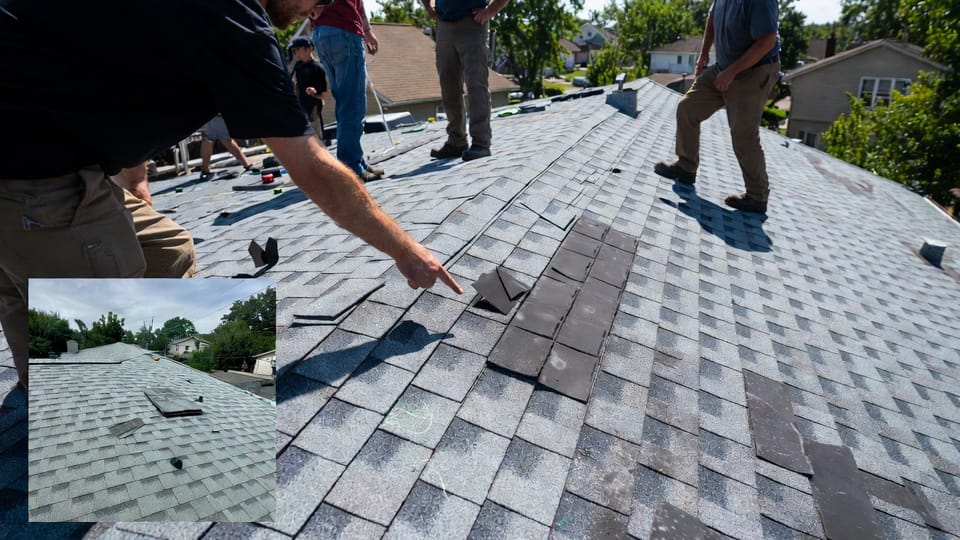
Hailstorms can strike unexpectedly, leaving homeowners worried about their roof's integrity. As a trusted authority in storm damage restoration, we understand the anxiety that follows such events. Rest assured, not all visible changes on your asphalt shingles signal major problems. In this comprehensive guide, we'll demystify hail damage verification, helping you distinguish between harmless weathering and genuine issues that warrant insurance claims. By understanding how professional roofers and adjusters evaluate functional vs. cosmetic granule loss, you'll gain confidence in protecting your home.
Discover If Your Roof Qualifies for Full Replacement – Call Our Specialists Now
Asphalt shingles, the most common roofing material in the U.S., are designed to withstand everyday elements but can suffer from hail impacts. Granules – those colorful, protective coatings – shield the underlying mat from UV rays and weather. When hail hits, it can dislodge these granules, but the key is determining if the loss affects the roof's functionality or is merely aesthetic. We'll break down the science, signs, and steps involved, empowering you to spot potential issues early.
What Is Hail Damage and Why Does It Matter?
Hail forms when strong updrafts in thunderstorms carry raindrops into freezing altitudes, creating ice pellets that grow before falling. Sizes range from pea-sized to golf ball or larger, with speeds up to 100 mph. On roofs, this can cause bruising, where the impact compresses the shingle's fiberglass mat, leading to cracks and water infiltration risks.
Why care? Untreated functional damage accelerates wear, leading to leaks, mold, and costly repairs. Conversely, mistaking cosmetic issues for severe damage can result in unnecessary claims denials or overpayments. According to industry data from the Insurance Institute for Business & Home Safety (IBHS), proper assessments prevent up to 30% of erroneous insurance payouts. Our experts use proven methods to ensure accuracy, saving you time and money.
- Normal Weathering: Gradual granule loss from sun, wind, and rain – uniform across the roof, no dents.
- Blistering: Heat-induced bubbles in the asphalt layer, often round and firm, without mat damage.
- Hail Bruising: Random, soft depressions with exposed mat fibers, indicating structural compromise.
Distinguishing these requires a trained eye, but homeowners can start with basic checks.
Identifying Normal Weathering on Asphalt Shingles
Normal weathering is inevitable for any roof. Over time, granules erode evenly, exposing the asphalt beneath. This process is slow and predictable, often taking 10-15 years to become noticeable. Signs include slight color fading and minor granule accumulation in gutters.
Key differences from hail damage:
- Uniform Pattern: Weathering affects south-facing slopes more due to sun exposure, but it's consistent.
- No Indentations: Surfaces remain flat; no soft spots or cracks.
- Granule Quality: Lost granules are loose but not clumped or missing in patches.
Homeowners often confuse this with hail effects after a storm, but professionals like our team use tools such as moisture meters to confirm. Reassuringly, weathering doesn't void warranties or require immediate action – regular maintenance suffices.
Understanding Blistering: A Common Cosmetic Issue
Blistering occurs when trapped moisture or heat causes the asphalt to expand, forming bubbles. These are typically small (under 1 inch) and hard to the touch, without penetrating the mat. Common in hot climates, they result from manufacturing variances or poor ventilation.
How to spot:
- Appearance: Raised, circular areas with intact granules.
- Location: Often on the shingle's surface, not edges.
- No Functional Impact: They don't lead to leaks unless popped.
Unlike hail damage, blistering is cosmetic and doesn't justify replacements. Adjusters document this via photos, ensuring claims focus on real issues. Our authoritative approach involves cross-referencing weather reports to rule out hail.
True Hail-Caused Bruising: The Functional Culprit
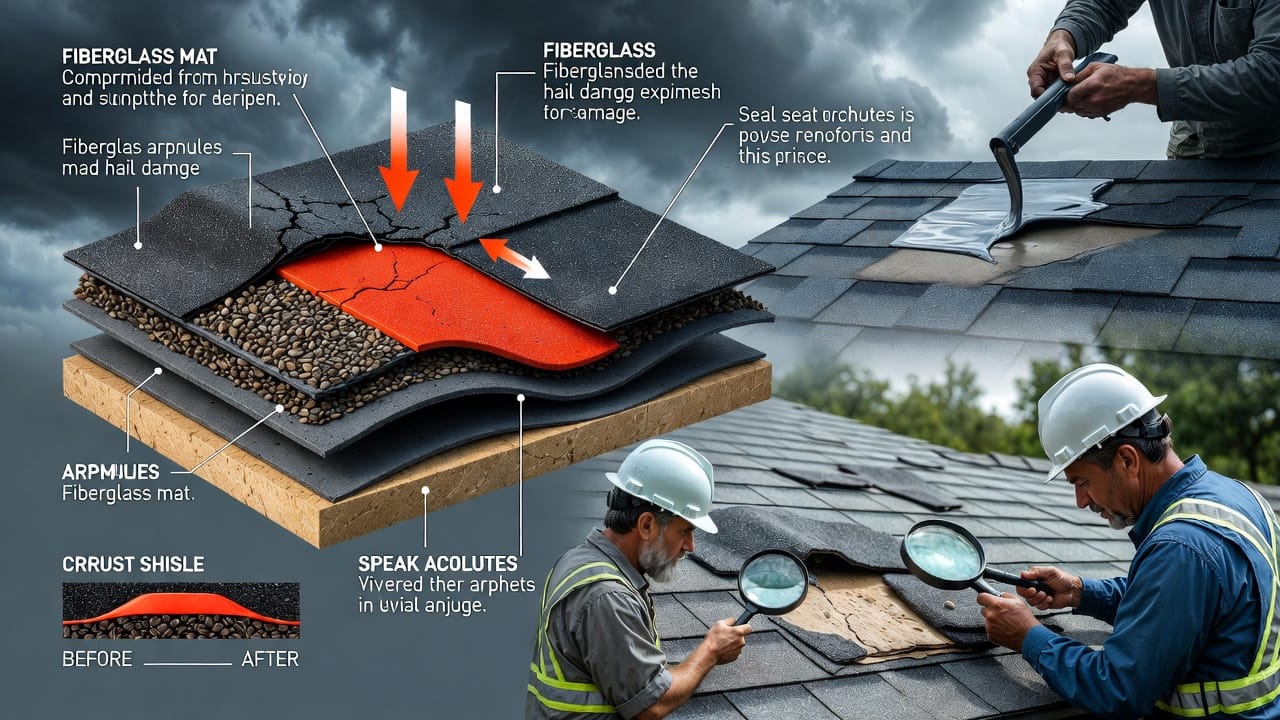
Hail bruising is the hallmark of functional damage. When hail strikes, it crushes the mat – the shingle's reinforcing layer – creating dark, spongy spots. Broken fibers allow water entry, compromising the roof's lifespan.
Characteristics:
- Dark Spots: Circular or oval, 0.5-2 inches, with matted fibers visible.
- Soft Texture: Press gently; it yields unlike firm blisters.
- Granule Loss: Concentrated in impact zones, often with embedded hail marks.
This damage reduces shingle flexibility, leading to cracks in cold weather. Early detection is crucial; our specialists use chalk to circle hits for insurance documentation.
Criteria for Justifying Full Insurance Replacement
Insurance companies require evidence of widespread functional damage for full replacements. The criteria – size, frequency, and randomness – ensure claims are valid.
- Size: Hits must be at least 0.75 inches in diameter, matching common hail sizes. Smaller marks suggest wind or debris.
- Frequency: At least 8-10 hits per 100 square feet (a 10x10 test square) on multiple slopes.
- Randomness: Scattered patterns, not linear (indicating manufacturing defects) or uniform (weathering).
Adjusters inspect all roof facets, including north-facing areas less prone to weathering. If criteria met, policies often cover full reroofing to match aesthetics. Our team provides detailed reports with photos and measurements, streamlining approvals.
Case studies show that roofs with 20+ hits per square often qualify, while isolated damage may only need spot repairs. This objective standard protects against fraud while ensuring fair coverage.
The Role of Roofers and Adjusters in Verification
Professional assessments bridge homeowners and insurers. Roofers focus on repair feasibility, while adjusters evaluate claim validity.
Steps in a joint inspection:
- Initial Survey: Walk the perimeter, noting granule piles in gutters.
- Roof Climb: Use ladders and harnesses to examine shingles up close.
- Documentation: High-res photos, videos, and chalk markings.
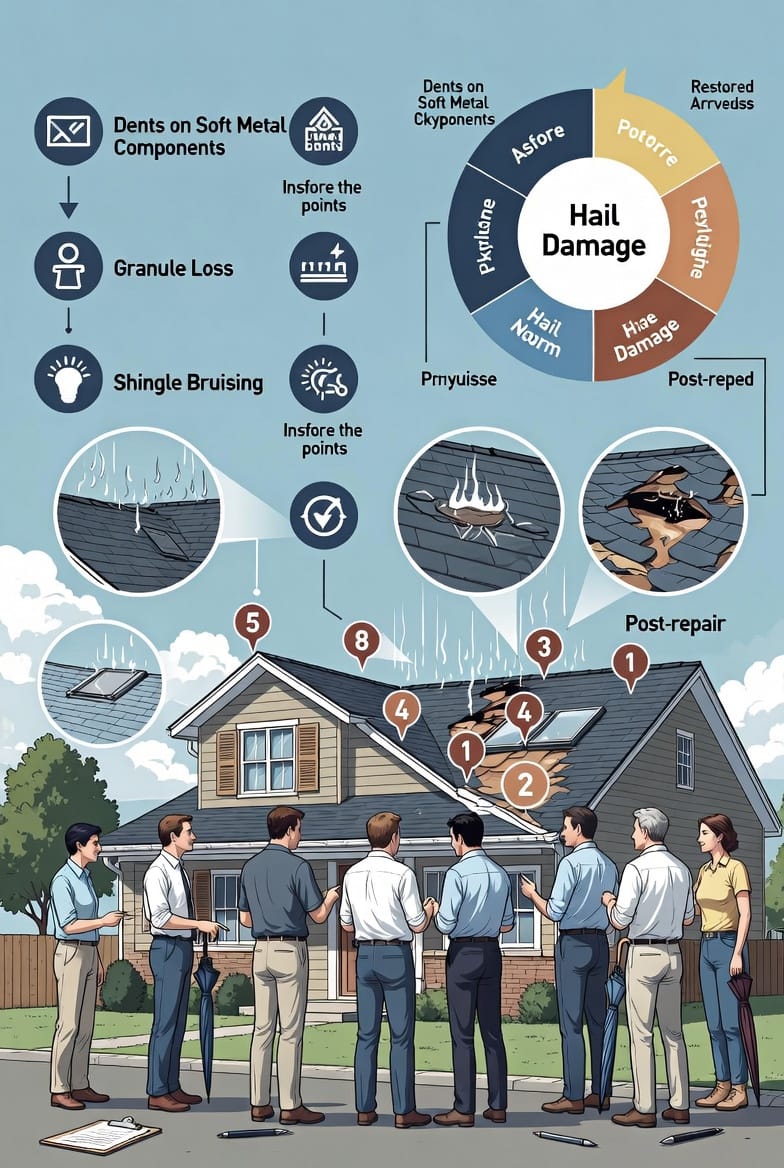
- Collateral Checks: Inspect siding, windows, and vents for corroborating dents.
This collaborative process demystifies claims, with tools like drones for hard-to-reach areas. Our storm specialists adhere to HAAG Engineering standards for accuracy.
Homeowner Tips: What to Look For After a Hailstorm
Empower yourself with a preliminary check, but always consult pros.
- Check Soft Metals: Vents, flashing, and gutters dent easily from hail, confirming storm severity.
- Inspect Gutters: Excessive granules signal potential issues.
- Feel for Soft Spots: Gently press suspicious areas.
- Document Everything: Photos with dates aid claims.
Avoid climbing roofs yourself – safety first.
Common Misconceptions and How to Avoid Them
Many believe any granule loss means replacement, but that's not true. Misconceptions arise from online myths or aggressive contractors. Authoritatively, only functional damage counts.
- Myth: All Dark Spots Are Hail: Often, they're algae or dirt.
- Myth: Old Roofs Can't Claim: Age doesn't disqualify if hail is the cause.
- Reality: Professional Verification Wins: Independent assessments prevent disputes.
By choosing certified experts, you avoid pitfalls.
The Benefits of Timely Professional Assessment
Acting quickly post-storm preserves evidence. Our documented process includes weather data correlation, ensuring robust claims. Benefits:
- Peace of Mind: Know your roof's true condition.
- Cost Savings: Prevent minor issues from escalating.
- Insurance Success: Higher approval rates with expert reports.
In regions like the Midwest, where hail is frequent, annual inspections are wise.
Conclusion: Protect Your Home with Expert Help
Hail damage assessment doesn't have to be overwhelming. By understanding functional vs. cosmetic granule loss, distinguishing weathering from blistering and bruising, and applying criteria like size, frequency, and randomness, you're better equipped. Remember, true hail hits compromise the mat, justifying replacements when widespread.
For reassurance, get a professional, documented hail assessment.
True Hail Bruising or Just Cosmetic? Find Out – Call Our Team