The Gutter Slope Correction: Fixing Improper Pitch That Causes Standing Water
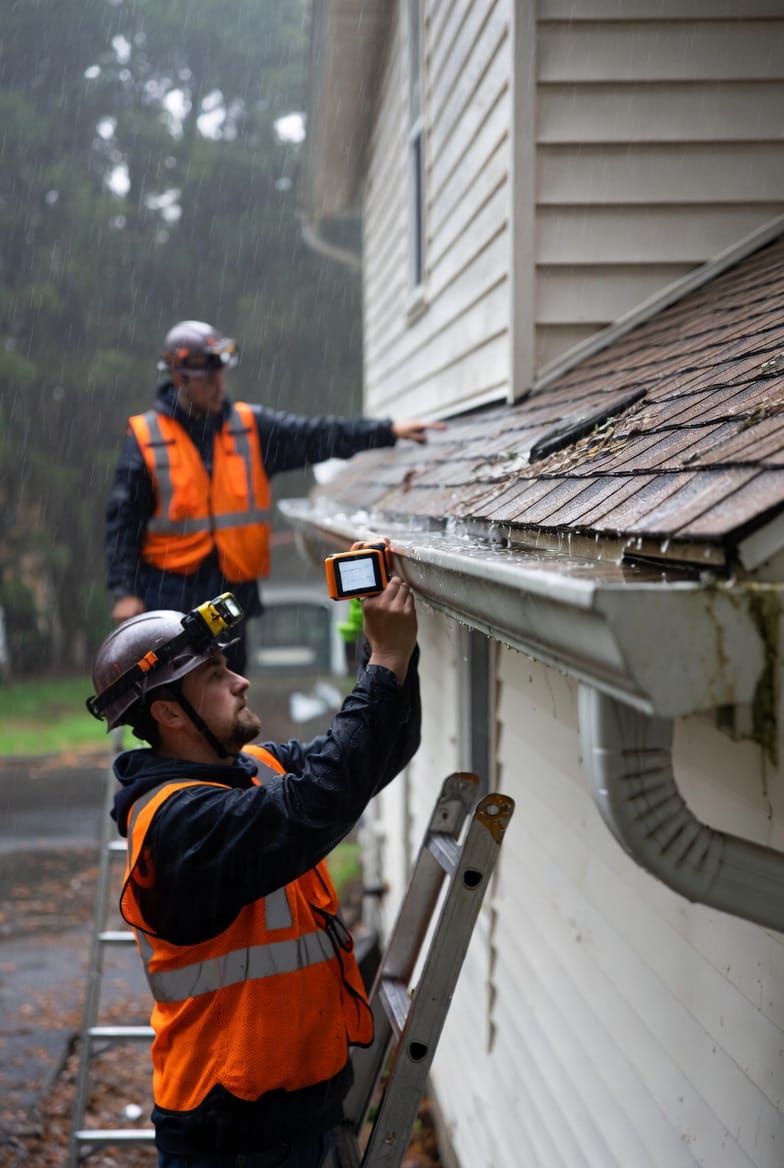
Proper gutter slope is the invisible hero of any effective rainwater management system. When installed correctly, gutters quietly direct water away from your home’s foundation, protecting siding, landscaping, and structural integrity. Yet one of the most common — and costly — installation errors is improper pitch. Even a slight deviation can turn a reliable drainage system into a liability, creating standing water that leads to overflow, leaks, and expensive water damage.
Stop Standing Water Today – Call for Slope Correction
At first glance, a gutter that looks “mostly level” may seem acceptable. In reality, gutter slope correction is often the difference between a system that performs flawlessly and one that fails silently season after season. This comprehensive guide explains exactly why pitch matters, how to spot problems early, and the proven professional methods to restore proper drainage. You’ll walk away confident that your gutters can — and should — drain, not store water.
Why Gutter Slope Matters More Than Most Homeowners Realize
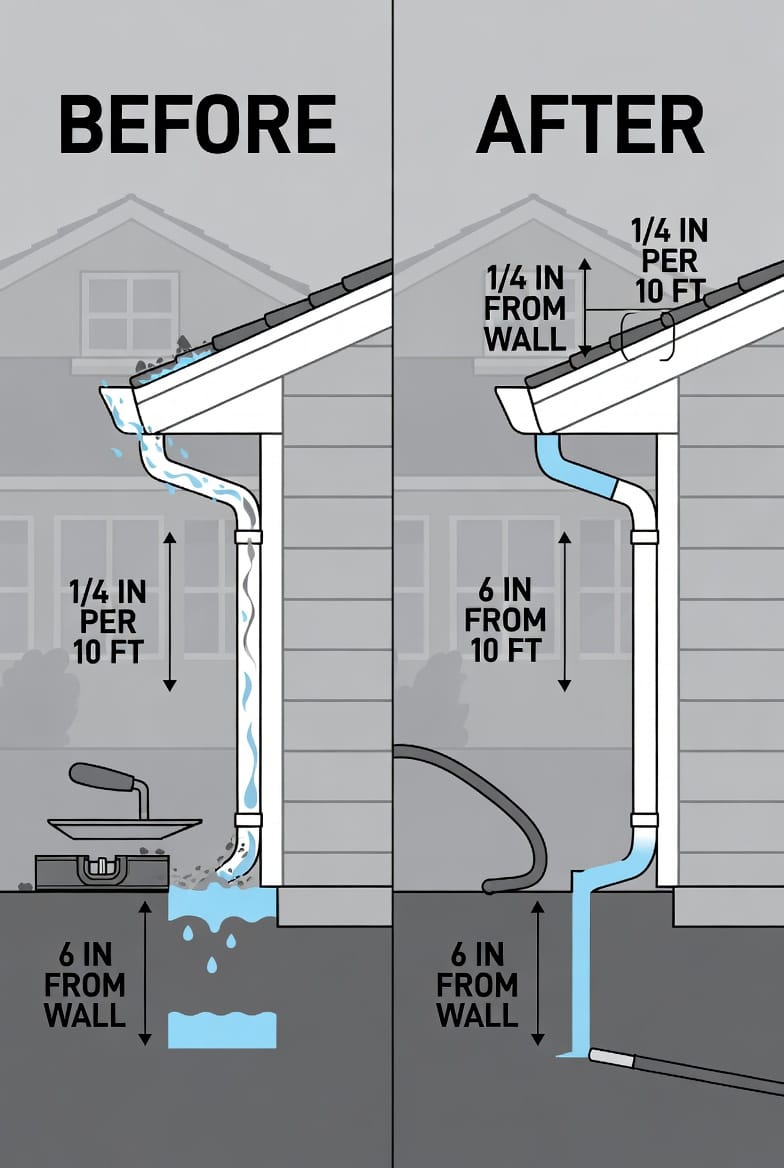
Every gutter system is engineered to move water at a precise angle: typically one-quarter inch of drop for every ten feet of gutter length. This subtle pitch ensures continuous flow toward downspouts, preventing pooling even during heavy storms.
When slope is compromised, gravity works against you. Water lingers, increasing weight on fasteners and seams. Over time, this stress leads to sagging, seam separation, and premature system failure. Standing water also becomes a breeding ground for debris, algae, and ice dams in colder climates — compounding risks that threaten your home’s value and safety.
The good news? Improper pitch is a fixable issue. Professional gutter slope correction restores function quickly, often without replacing entire sections. Homeowners who address the problem promptly enjoy peace of mind knowing their investment is protected for years to come.
Common Installation Errors That Create Improper Pitch
Most slope issues trace back to the original installation. Skilled crews avoid these pitfalls, but shortcuts during construction or DIY attempts frequently result in problems:
- Inconsistent hanger spacing — Fasteners placed too far apart allow the gutter to sag between supports.
- Level or reverse-pitched sections — Installers who set gutters perfectly horizontal or accidentally angled them uphill create immediate drainage failure.
- Uneven fascia board alignment — If the board itself is not level, the attached gutter inherits the defect.
- Oversized or undersized gutter runs — Long spans without adequate support or intermediate downspouts lose pitch over distance.
- Post-installation settling — Foundation shifts or tree-root movement can gradually alter slope years after the job is complete.
These errors rarely announce themselves on day one. Instead, they reveal problems during the first heavy rain, when standing water suddenly appears where it never should.
Recognizing the Warning Signs of Improper Pitch
Don’t wait for visible damage to act. Learn to identify these clear indicators that your gutters need slope correction:
- Visible standing water after rain stops — even small puddles signal inadequate pitch.
- Overflow at downspouts while the rest of the gutter remains full — water backs up instead of flowing.
- Sagging or bowed gutter sections that appear lower in the middle than at the ends.
- Water stains or streaks on exterior walls directly beneath gutter seams.
- Unexplained dampness in crawl spaces or basements after storms.
- Increased debris accumulation in low spots where water lingers and traps leaves.
These symptoms are more than cosmetic. Left uncorrected, they accelerate fascia rot, foundation erosion, and mold growth. Early intervention with professional gutter slope correction stops the cascade before costly repairs become necessary.
How to Check Your Gutter Slope — Step-by-Step
You don’t need advanced tools to perform a basic inspection. Follow this reliable method to assess your system safely:
- Clear the gutters of debris so water can flow freely during testing.
- Use a standard 24-inch level or a laser level for longer runs.
- Place the level inside the gutter at the highest point near the end opposite the downspout.
- Measure the drop over a ten-foot section — you should see approximately one-quarter inch of slope toward the downspout.
- Repeat the process every ten feet along the entire run, noting any flat or uphill sections.
- Check both sides of corner sections and around downspout locations for consistency.
If any section measures less than the required pitch — or worse, shows reverse slope — professional gutter slope correction is the recommended next step. DIY adjustments can temporarily help minor issues, but lasting results come from experienced technicians who understand load calculations and material behavior.
Professional Gutter Slope Correction Methods That Deliver Lasting Results
When improper pitch is confirmed, expert crews employ targeted solutions tailored to your home’s specific configuration. The three most effective approaches include:
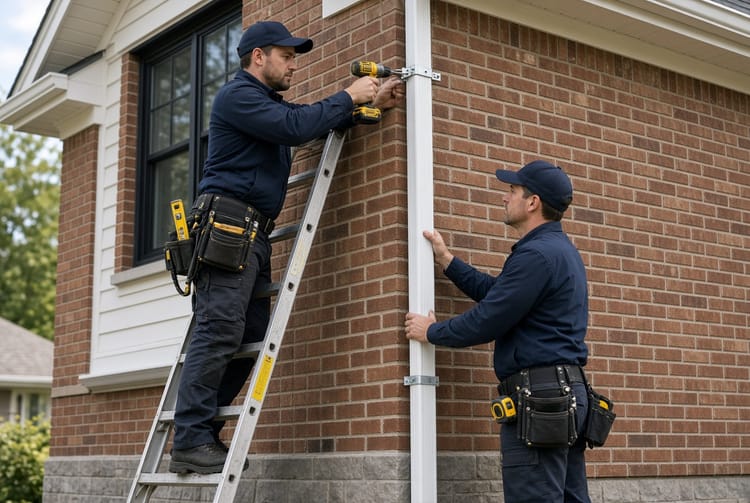
- Adjusting existing hangers — Technicians loosen and reposition brackets to restore the correct angle without removing the entire gutter. This method is fast, cost-effective, and ideal for minor deviations.
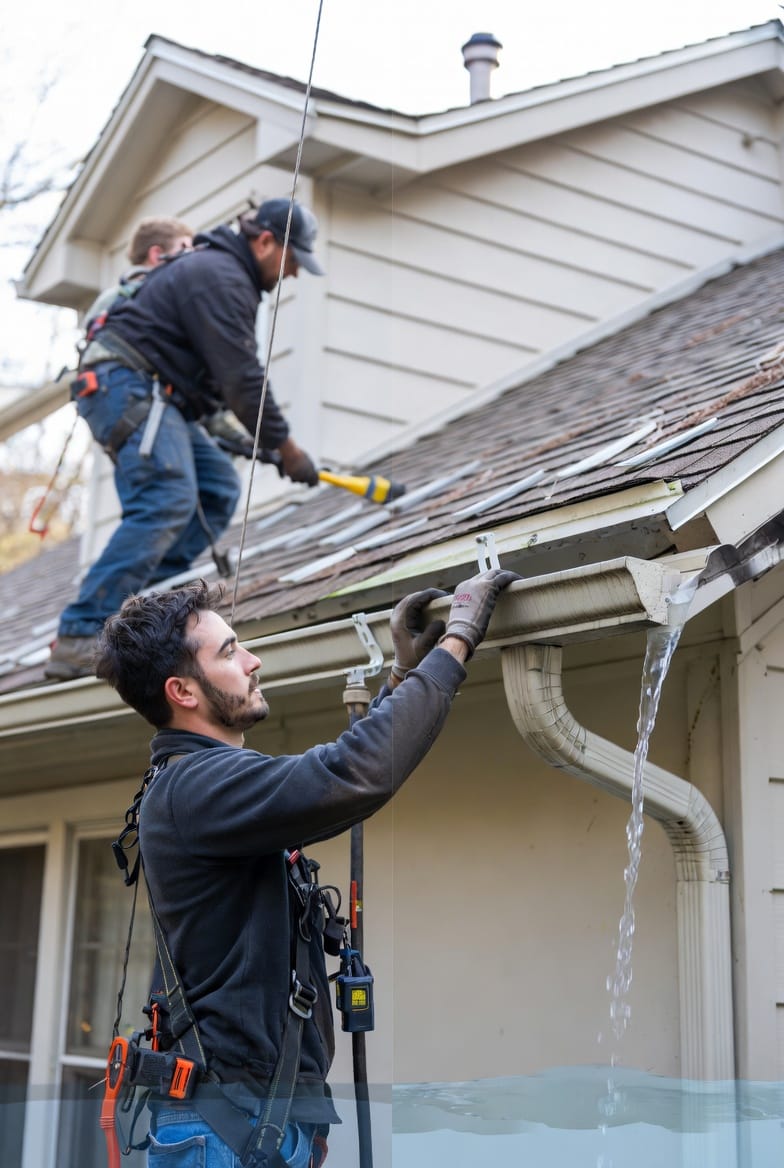
- Re-hanging complete gutter sections — In cases of severe sagging or multiple problem areas, crews detach, re-level, and re-secure the affected length with properly spaced supports. New seam seals ensure leak-free performance.
- Adding strategic downspouts — Long gutter runs that lose slope over distance benefit from an extra downspout, shortening the drainage path and eliminating pooling.
Each technique is selected after careful on-site evaluation. Professionals also inspect fascia integrity, downspout capacity, and overall system balance to prevent recurrence. The result is a gutter that performs exactly as engineered — quietly and efficiently directing water away from your home.
The Hidden Costs of Ignoring Improper Pitch
Delaying gutter slope correction invites progressive damage. Standing water adds hundreds of pounds of extra weight, stressing fasteners and seams. Overflow erodes landscaping, stains siding, and can penetrate walls, leading to interior water intrusion. In winter climates, pooled water freezes and expands, accelerating leaks and ice dam formation.
By contrast, timely professional service protects your largest investment. Corrected systems last longer, require less frequent cleaning, and maintain higher home resale value. Homeowners consistently report that the modest investment in gutter slope correction pays for itself many times over through avoided repairs.
Preventing Future Slope Problems
Once corrected, maintain your system with simple habits:
- Schedule annual professional inspections to catch subtle shifts early.
- Keep gutters free of debris that adds weight and alters effective pitch.
- Address fascia or soffit damage promptly, as these structural elements directly influence gutter alignment.
- Choose quality materials and experienced installers for any future additions or replacements.
These proactive steps ensure your gutters continue performing at peak efficiency year after year.
Gutters Should Drain, Not Store Water
Standing water in your gutters is never normal — and it’s never harmless. With professional gutter slope correction, you can eliminate the problem at its source and restore reliable protection for your home.
If you’ve noticed pooling water, sagging sections, or overflow after storms, don’t wait for damage to escalate. The expert team at our service stands ready to evaluate your system and deliver precise, lasting gutter slope correction.
Your home deserves a drainage system that works exactly as designed. Let us make sure it does — quickly, cleanly, and with guaranteed results.
Restore Proper Gutter Pitch – Call Now!