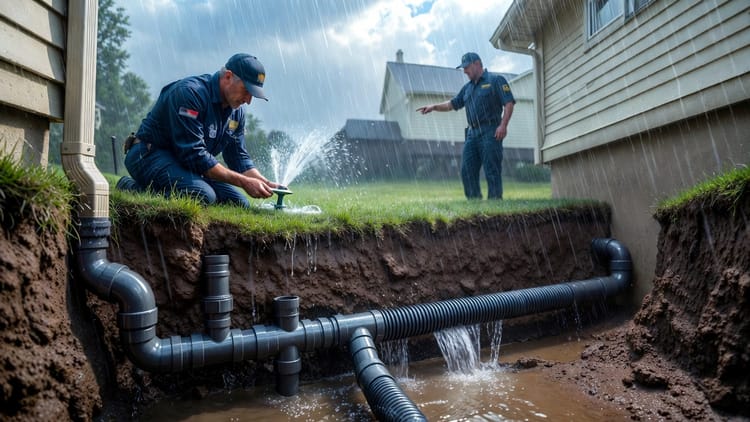
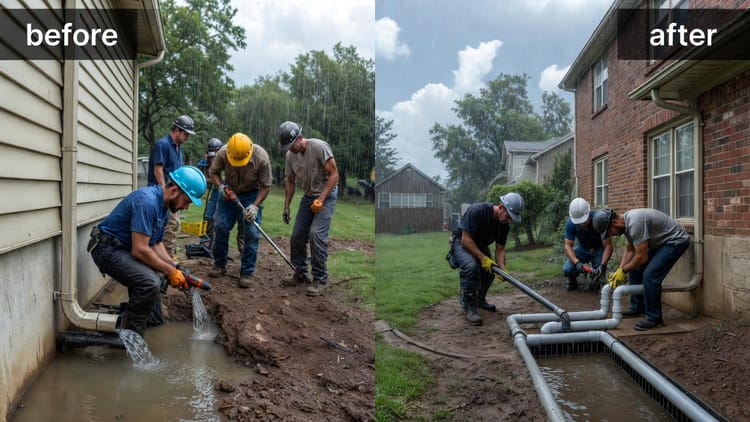
The Gutter Pitch Check: Why Level Gutters Don't Drain and How to Fix Sagging Runs
Proper gutter pitch is the unsung hero of a reliable drainage system. When gutters are installed perfectly level or have developed sagging runs over time, they stop doing their job. Instead of channeling rainwater away from your home, they become stagnant pools that invite trouble.
Fix Your Sagging Gutters Now – Call for Free Estimate
At first glance, a level gutter might seem "straight and clean." In reality, it’s a silent threat to your home’s foundation, siding, and structural integrity. The good news? This common installation flaw is completely fixable. With the right knowledge and a few straightforward techniques, you can restore correct gutter slope and enjoy peace of mind during every rainstorm.
In this comprehensive guide, we’ll walk you through why gutter pitch matters, the exact slope your system needs, how to diagnose the problem using a simple level, and proven methods to correct sagging gutters once and for all. Whether you’re a seasoned DIYer or preparing to call in the professionals, you’ll finish this article equipped to protect your largest investment.
Why Gutter Pitch Is Non-Negotiable
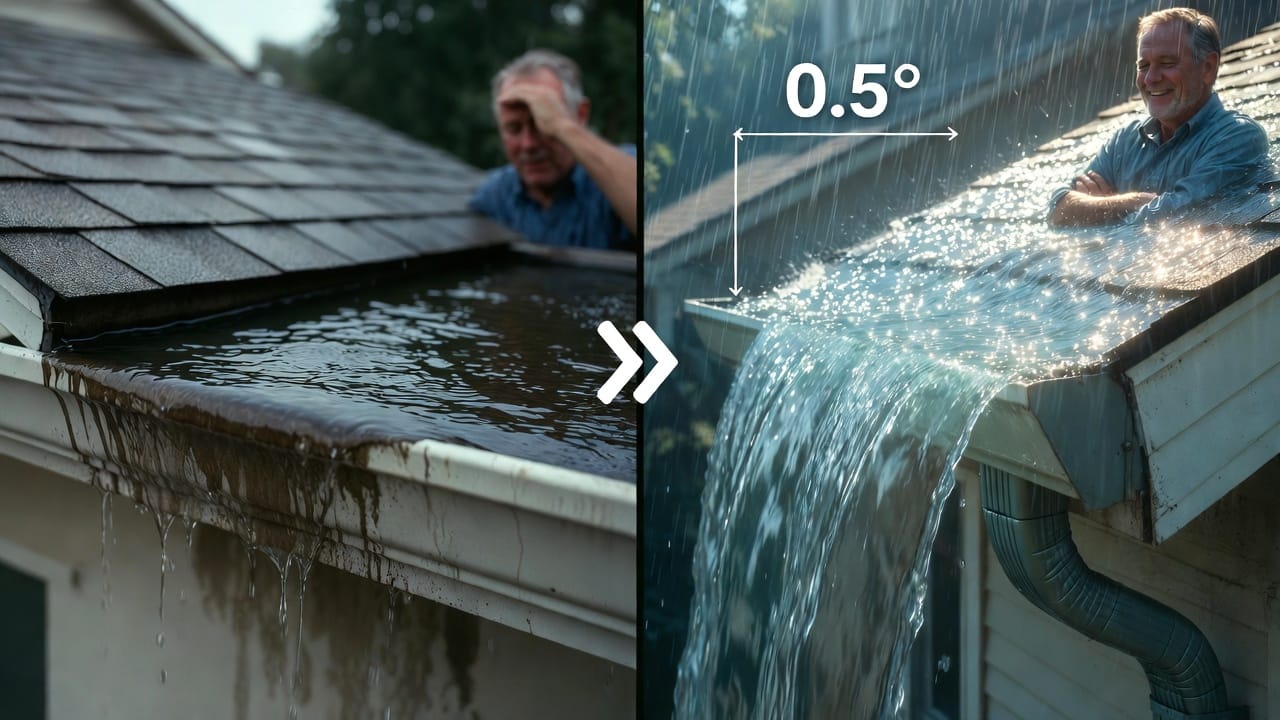
Gutters exist for one purpose: to collect roof runoff and direct it safely away from your foundation. Without the correct downward slope, water has nowhere to go. It sits. It overflows. It seeps behind the gutter and eventually finds its way into places you never want it – walls, basements, and crawl spaces.
Improper pitch is one of the top three reasons homeowners face expensive water damage repairs. When gutters are installed dead level (a shockingly common mistake by inexperienced crews), every rainfall turns your gutter into a miniature swimming pool. Over time, the weight of trapped water causes the gutter to sag even further, creating low spots that compound the problem.
The result?
- Foundation erosion
- Siding rot
- Basement flooding
- Costly structural repairs
The reassuring truth is that proper gutter pitch prevents all of this. When water moves continuously toward the downspout, your home stays drier, your landscaping drains better, and your gutters last decades longer.
The Gold Standard: 1/4 Inch of Slope Per 10 Feet
Industry standards are crystal clear. Gutters should drop ¼ inch for every 10 feet of horizontal run toward the downspout. This seemingly small measurement creates the perfect balance – aggressive enough to keep water moving, gentle enough to prevent splashing and overflow at the fascia.
For a 30-foot gutter run, you need a total drop of ¾ inch at the downspout end. For a 50-foot run, the drop becomes 1¼ inches. These dimensions are not suggestions. They are the precise engineering required for efficient drainage.
Many older homes were installed with zero slope because installers “eyeballed” the job or used a simple string line that stretched and sagged. Newer homes sometimes suffer from the same issue when rushed crews prioritize speed over precision.
Key fact: Even a 1/16-inch dip every 10 feet is enough to create pooling. Your eye cannot detect these tiny variations – only a quality level can.
How to Perform a Professional-Grade Gutter Pitch Check
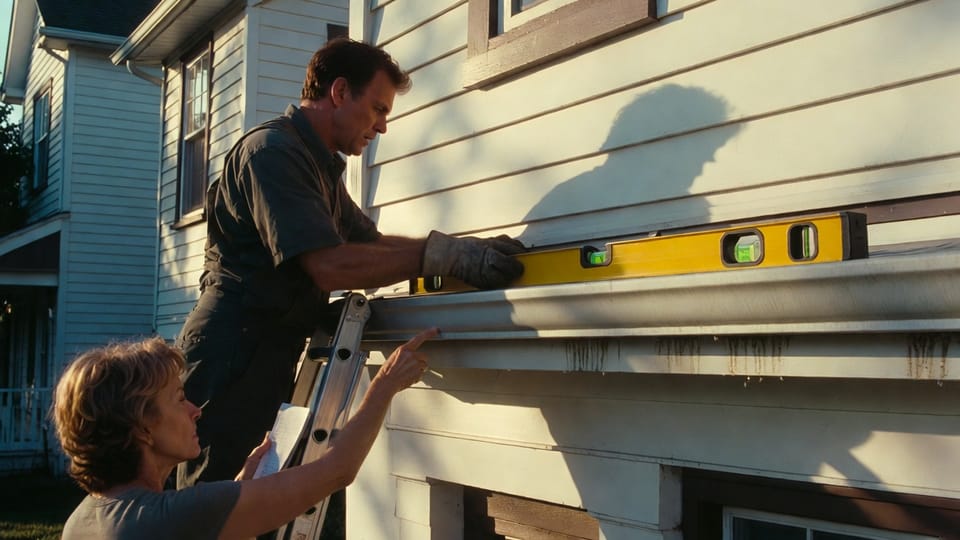
You don’t need fancy laser tools to diagnose gutter pitch problems. A 4-foot level and a few minutes are all it takes.
Step-by-Step Pitch Testing Method
- Clear the gutters – Remove all leaves and debris so nothing interferes with the level.
- Start at the high end – Place your 4-foot level directly on the gutter bottom, centered between hangers.
- Read the bubble – The bubble should rest exactly in the middle when the gutter is perfectly level.
- Measure the drop – Move the level 10 feet toward the downspout. The end nearest the downspout should now be visibly lower. The bubble should shift toward the high side by exactly the thickness of a nickel (approximately ¼ inch).
- Mark problem areas – Use a pencil to note any sections where the bubble stays centered or actually rises toward the downspout.
Repeat this process every 10 feet along the entire run. You’ll quickly identify sagging runs and flat spots that need correction.
Pro tip: Perform this check after a heavy rain when the gutters are full. The weight reveals weaknesses that might hide during dry weather.
Recognizing the Warning Signs of Sagging Gutters
Don’t wait for overflowing gutters to alert you. Watch for these clear indicators:
- Visible dips in the gutter line when viewed from the ground
- Water standing for hours after rain stops
- Rust stains or white mineral deposits on the front of the gutter
- Overflowing even during moderate rain
- Gutter pulling away from the fascia at the high end
- Downspout running only when the gutter is completely full
Any one of these signs means your gutter pitch is compromised and action is required.
How to Fix Sagging Gutters and Restore Perfect Pitch
The beauty of this repair is that it rarely requires full gutter replacement. Most sagging runs can be corrected by strategically adjusting or adding hangers.
Professional Correction Techniques
Method 1: Hanger Adjustment (Most Common)
Loosen the existing hangers on the low end of the sag. Gently lift the entire section until the proper slope is achieved. Add new hangers every 24 inches in the corrected position. Secure everything with stainless steel screws to prevent future movement.
Method 2: Hidden Hanger Reinforcement
For severely sagged sections, install hidden hangers from inside the gutter. These provide superior support without visible brackets. Raise the high side first, then work toward the downspout, maintaining the ¼-inch-per-10-feet drop.
Method 3: Complete Re-Hanging
In extreme cases where the fascia board itself has warped, remove the old hangers completely. Snap a chalk line at the exact slope required. Install new heavy-duty hangers following the line. This method delivers factory-perfect results.
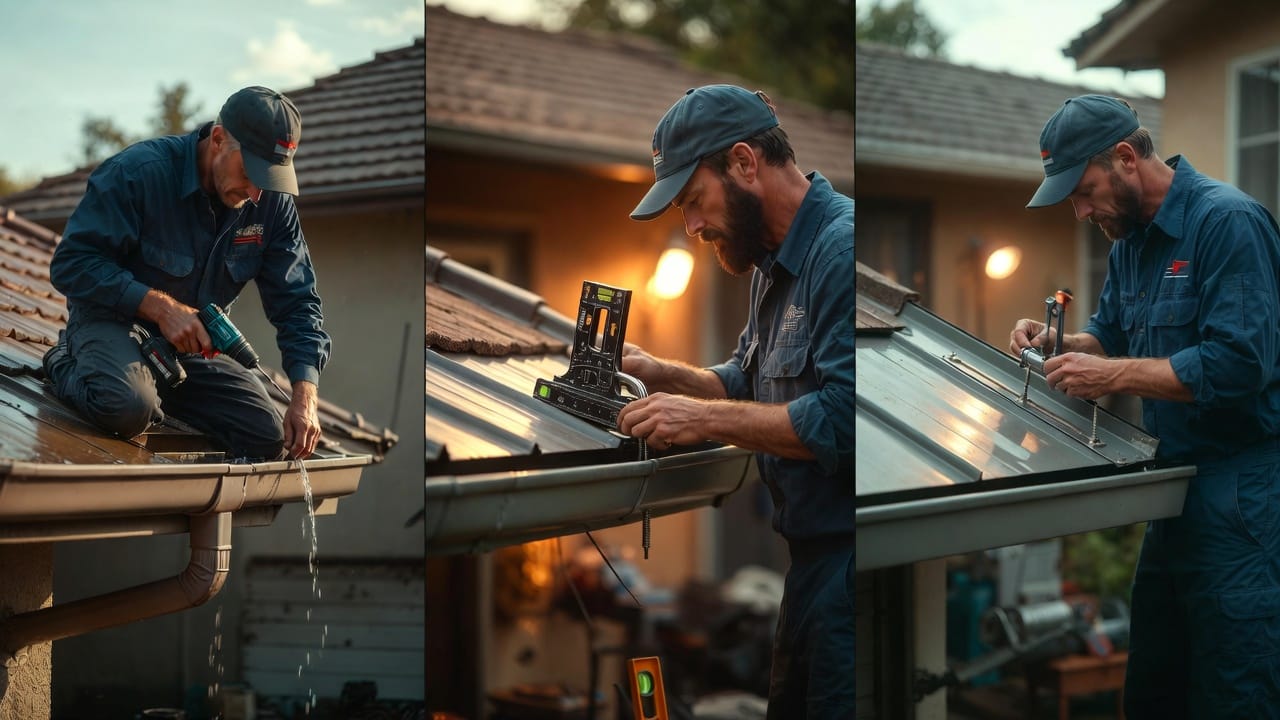
Tools and Materials for a Successful Repair
Gather these items before starting:
- 4-foot level (essential)
- Chalk line and blue chalk
- Cordless drill with appropriate bits
- Stainless steel gutter screws (1¼-inch)
- Heavy-duty gutter hangers (hidden or K-style)
- Ladder stabilizer
- Safety harness for two-story work
- Pitch gauge or simple spacer blocks
Quality tools make the difference between a temporary fix and a permanent solution.
When Professional Expertise Makes All the Difference
While many homeowners successfully correct minor sagging, complex runs involving multiple stories, intricate rooflines, or structural fascia damage are best left to experienced crews. Professionals bring commercial-grade tools, decades of pattern recognition, and the ability to match your existing gutter color and style perfectly.
A certified technician can also inspect for related issues like leaking seams, clogged downspouts, and damaged fascia in a single visit.
Preventing Future Pitch Problems
Once you’ve restored proper gutter pitch, protect your investment with these habits:
- Schedule professional gutter cleaning twice per year
- Install leaf guards on trees that overhang your roof
- Inspect hangers annually after heavy storms
- Never hang Christmas lights directly from gutters
- Address roof issues promptly to reduce water volume
Consistent maintenance keeps your gutters draining flawlessly for 25+ years.
Your Home Deserves Gutters That Actually Work
Gutters should drain, not store water. When your system performs as designed, you sleep better during storms, your foundation stays protected, and you avoid thousands in potential repairs.
If your gutter pitch check revealed flat sections or sagging runs, don’t delay. The longer the problem persists, the more extensive (and expensive) the solution becomes.
Your home will thank you – and so will your wallet when the next big rain arrives.
Say Goodbye to Flat Gutters – Get Pro Pitch Fix Fast