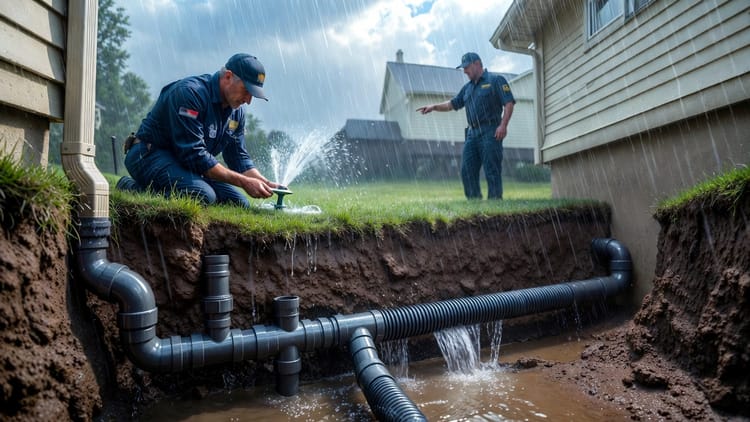
The Gutter Hanger Spacing: Why Proper Fastener Placement Prevents Sagging and Separation
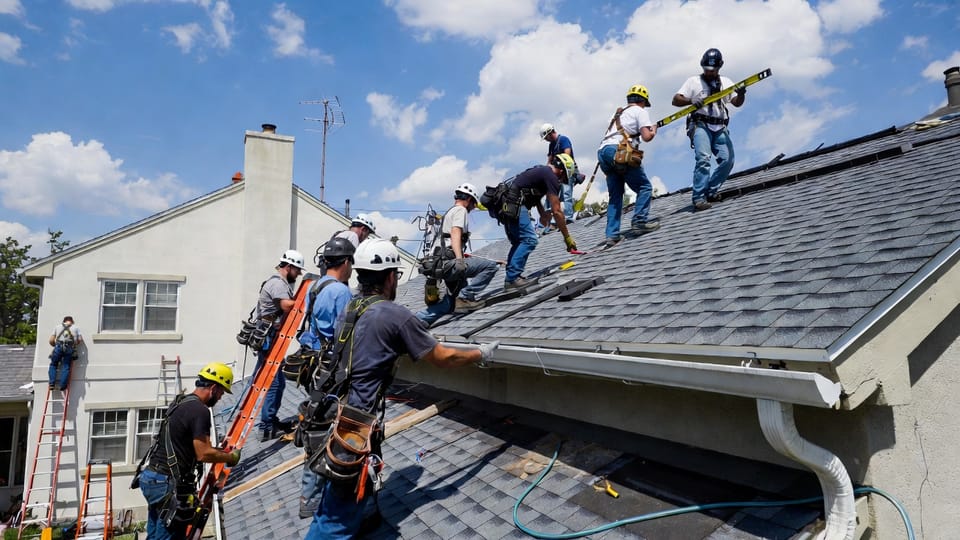
Gutters are the unsung heroes of your home's exterior, channeling rainwater away from your foundation and protecting against costly damage. But what happens when they're not installed correctly? Sagging gutters and separation from the fascia can lead to leaks, erosion, and even structural issues. As a homeowner, understanding gutter hanger spacing is crucial for maintaining installation quality and ensuring longevity. In this comprehensive guide, we'll explore why proper fastener placement is essential, delve into standard guidelines, compare hanger types, and explain how it handles heavy loads like rain and snow. Rest assured, with the right knowledge, you can prevent these problems and keep your home safe.
No More Sagging Gutters – Call for Professional Installation Today
Proper gutter installation isn't just about aesthetics—it's about functionality and durability. Industry experts agree that spacing hangers correctly distributes weight evenly, reducing stress on individual points. Whether you're dealing with a new installation or inspecting an existing system, focusing on fastener placement can save you thousands in repairs. Let's break it down step by step.
The Importance of Installation Quality in Gutter Systems
High-quality gutter installation starts with attention to detail. Poor spacing often stems from rushed jobs or inexperienced contractors, leading to uneven weight distribution and premature failure. According to building standards, gutters must withstand environmental stresses, and proper hanger spacing is the foundation of this resilience.
- Key Risks of Poor Installation: Without adequate spacing, gutters can pull away from the house, causing water to spill over edges and damage siding or foundations.
- Benefits of Professional Work: Experienced installers use precise measurements to ensure stability, extending the system's lifespan by years.
- Homeowner Reassurance: Regular inspections can catch issues early, preventing minor problems from escalating.
By prioritizing installation quality, you're investing in your home's future. Think of it as a shield against nature's elements—reliable and robust.
Standard Spacing Guidelines: 24-36 Inches for Optimal Support
The standard gutter hanger spacing ranges from 24 to 36 inches, depending on factors like gutter material, roof pitch, and local climate. This range allows for flexibility while maintaining structural integrity. For aluminum gutters, closer spacing (around 24 inches) is ideal in high-wind areas, while steel systems might allow up to 36 inches.
Why this specific range? It's based on engineering principles that balance support with material efficiency. Spacing too far apart invites sagging, while too close can weaken the fascia board with excessive holes.
- Factors Influencing Spacing:
- Gutter Length: Longer runs require more frequent hangers to prevent bowing.
- Material Type: Seamless gutters often need tighter spacing than sectional ones.
- Regional Weather: In snowy regions, aim for the lower end of the range to handle ice buildup.
Adhering to these guidelines ensures your gutters perform reliably. If you're unsure, a quick measurement during an inspection can confirm compliance.
Hidden Hangers vs. Spike-and-Ferrule Systems: Key Differences
When it comes to gutter hangers, two popular systems dominate: hidden hangers and spike-and-ferrule. Understanding their differences helps you choose the best for your home and appreciate how spacing impacts each.
Hidden hangers are concealed inside the gutter, attached via clips or brackets. They're favored for their clean look and superior strength, as they screw directly into the fascia or rafters. Spacing for hidden hangers typically follows the 24-36 inch rule, but their design allows for better load sharing, making them ideal for modern homes.
In contrast, spike-and-ferrule systems use long spikes driven through the gutter into the fascia, with ferrules (sleeves) preventing crushing. This traditional method is cost-effective but prone to loosening over time due to wood expansion. Spacing here is critical—aim for 24 inches in high-load areas to avoid pull-out.
- Pros of Hidden Hangers:
- Aesthetic appeal with no visible fasteners.
- Enhanced durability against wind and debris.
- Cons of Spike-and-Ferrule:
- Potential for spikes to back out, requiring frequent checks.
- Less suitable for heavy snow without reinforced spacing.
Both systems benefit from proper fastener placement, but hidden hangers often provide a more reassuring, long-term solution. If your home uses spikes, consider upgrading for better performance.
How Proper Spacing Distributes Weight During Heavy Rain and Snow
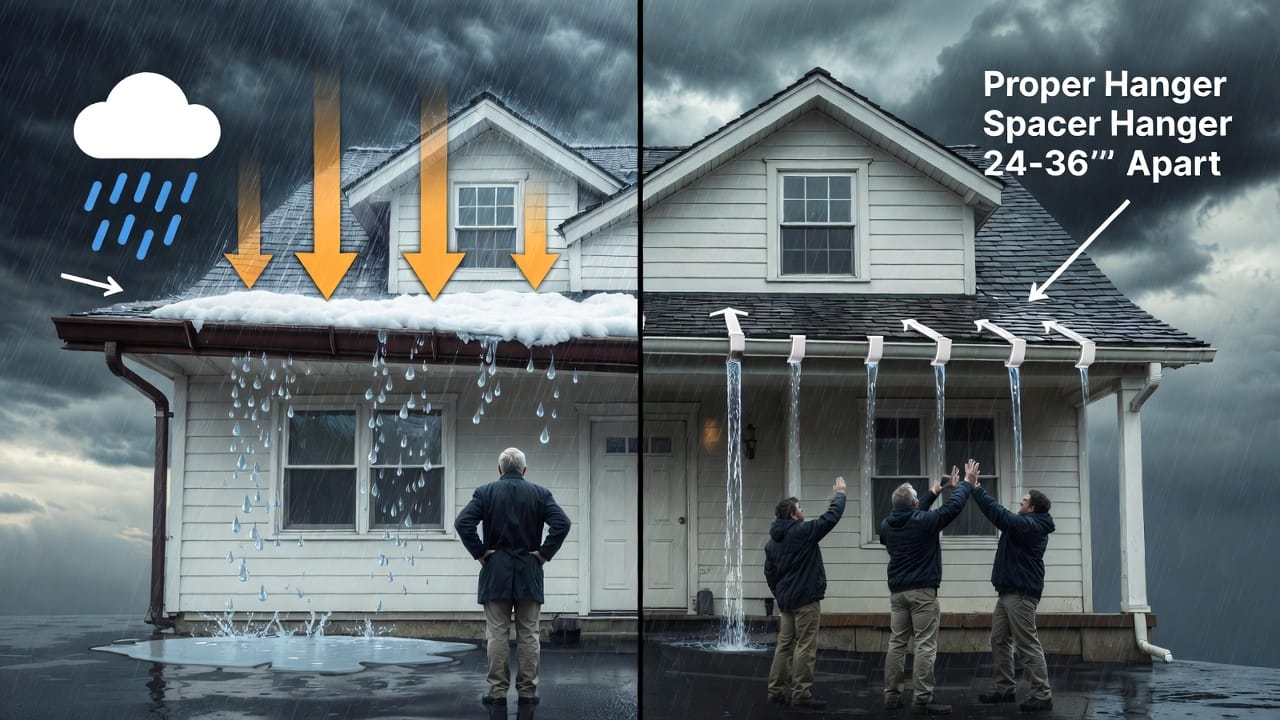
Gutters face their toughest tests during heavy rain and snow accumulation. Proper hanger spacing ensures even weight distribution, preventing localized stress that causes sagging or separation.
In heavy rain, water weight can exceed 5 pounds per foot. With spacing at 24-36 inches, hangers share this load, keeping the gutter level. Imagine a downpour: evenly spaced fasteners act like a team, each supporting its share without overload.
Snow and ice add another layer—up to 20 pounds per square foot in severe winters. Inadequate spacing leads to bowing, where the gutter detaches from the house. Proper placement counters this by aligning with roof trusses for maximum support.
- Load Distribution Mechanics:
- Even Spacing: Reduces torque on individual points, minimizing fatigue.
- Weather-Specific Tips: In snowy climates, add ice dam prevention like heated cables alongside proper hangers.
- Real-World Example: Homes with 36-inch spacing in mild areas thrive, but tighter intervals in storm-prone zones prevent disasters.
This distribution isn't just theory—it's proven engineering that keeps your home dry and intact. Trust in these principles for peace of mind.
Best Practices for Gutter Hanger Installation
Achieving proper gutter hanger spacing requires careful planning. Start by assessing your roofline and selecting the right hanger type.
- Step-by-Step Installation Guide:
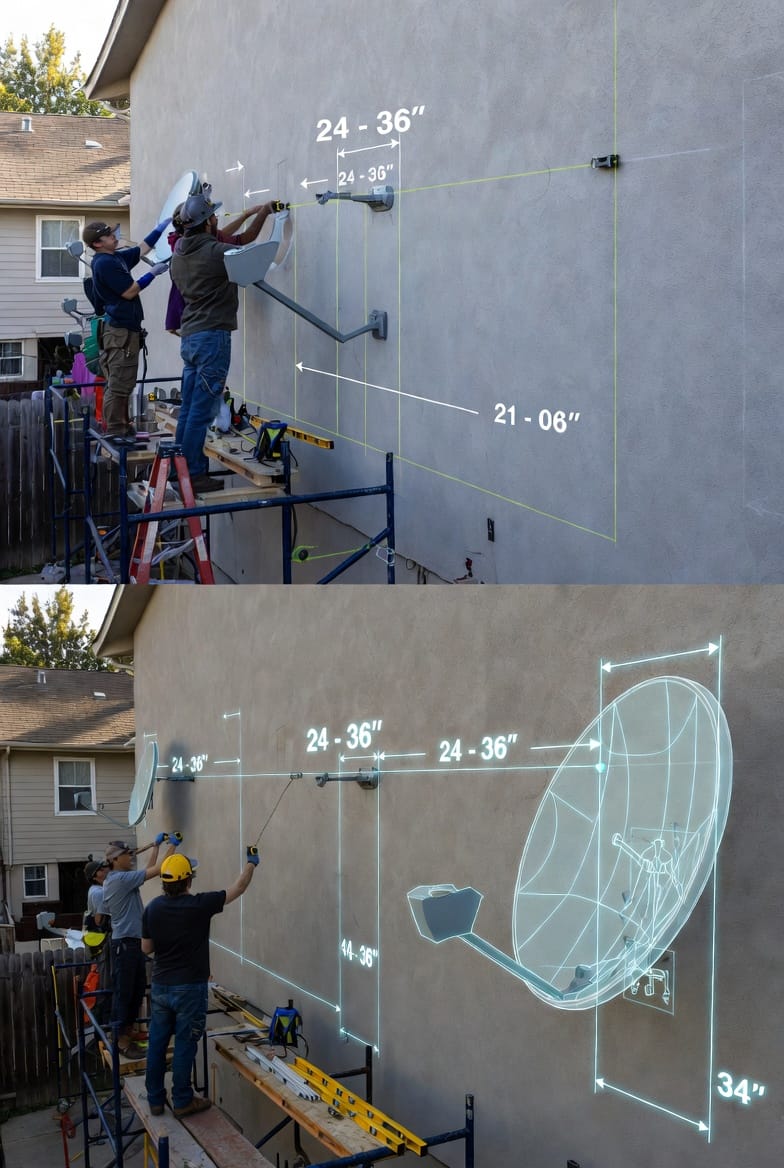
- Measure the gutter run and mark locations every 24-36 inches, starting from corners.
- Secure hangers to fascia or rafters using corrosion-resistant screws.
- Test for levelness with a string line to avoid slopes that cause pooling.
- For hidden hangers, clip them securely; for spikes, ensure ferrules are tight.
Common tools include drills, levels, and ladders—always prioritize safety with harnesses. If DIY feels overwhelming, professionals handle this efficiently.
Common Mistakes and Their Risks
Avoiding pitfalls is key to preventing sagging. Over-spacing (beyond 36 inches) invites separation, while ignoring roof pitch can lead to uneven loads.
- Top Mistakes:
- Skipping reinforcements near downspouts, where water concentrates.
- Using mismatched materials, causing corrosion and weakening.
- Neglecting seasonal checks, allowing minor issues to worsen.
These errors heighten risks like foundation erosion or mold growth. Fortunately, they're preventable with vigilance.
The Long-Term Benefits of Proper Spacing
Investing in correct fastener placement yields dividends: longer gutter life, reduced maintenance, and enhanced curb appeal. Homes with well-spaced hangers withstand storms better, potentially increasing property value.
In summary, gutter hanger spacing is more than a detail—it's essential for durability. By following standards and choosing the right system, you safeguard your home.
Avoid Costly Water Damage – Call for Gutter Inspection