The Gutter Cleaning Toolbox: From Simple Scoops to High-Pressure Telescoping Wands for DIY Maintenance

Gutters are the unsung heroes of your home's exterior, channeling rainwater away from your foundation and preventing costly damage. But when they're clogged with leaves, debris, or even critter nests, they can lead to overflows, leaks, and structural issues. As a homeowner, taking on DIY gutter maintenance can be empowering and cost-effective, but it's crucial to equip yourself with the right gutter cleaning tools. In this comprehensive guide, we'll explore everything from basic handheld scoops to advanced high-pressure telescoping wands, weighing their pros and cons, and always prioritizing safety. Whether you're dealing with a single-story ranch or a multi-level home, we'll help you choose wisely. Remember, while DIY can be rewarding, professional help is just a call away for those tricky jobs.
Skip the Ladder Risks – Call Pros for Safe Gutter Cleaning
Why Invest in the Right Gutter Cleaning Tools?
Before diving into specific tools, let's understand the importance of a well-stocked gutter cleaning toolbox. Clogged gutters aren't just an eyesore—they can cause water damage to your roof, siding, and foundation, leading to repairs that cost thousands. According to industry experts, regular maintenance every six months can extend your gutter system's lifespan by years. For motivated homeowners, the right tools make the job efficient and less daunting. However, safety risks like falls from ladders are real; the U.S. Consumer Product Safety Commission reports thousands of ladder-related injuries annually. That's why we'll emphasize secure practices throughout.
- Key Benefits of DIY Tools: Save money on professional services, gain hands-on knowledge of your home, and enjoy the satisfaction of a job well done.
- Potential Drawbacks: Time-consuming for larger homes, physical strain, and the ever-present risk of injury if not done correctly.
With an authoritative approach, we'll review popular options, helping you build a toolkit tailored to your needs.
Handheld Scoops: The Entry-Level Essential
Starting simple, handheld scoops are the gateway tool for many DIY enthusiasts. These plastic or metal devices, often shaped like a trowel or claw, allow you to manually remove debris from gutters while standing on a ladder.
Pros of Handheld Scoops
- Affordability: Most models cost under $20, making them accessible for beginners.
- Ease of Use: No assembly required—just climb up and scoop. Ideal for light debris like dry leaves on low roofs.
- Portability: Lightweight and compact, they fit easily in a toolbox or bucket.
- Precision: You can feel and see exactly what's being removed, reducing the chance of missing hidden blockages.
Cons of Handheld Scoops
- Limited Reach: Best for single-story homes; extending your arm can lead to overreaching, a major safety risk.
- Messy Process: Debris often falls on you or the ground, requiring extra cleanup.
- Inefficiency for Heavy Debris: Struggles with wet, compacted material like pine needles, which can clog the scoop itself.
- Physical Demand: Requires repeated climbing and bending, which can fatigue users quickly.
For safety, always use a sturdy ladder with stabilizers and wear protective gloves to avoid sharp edges or pests. If your gutters are higher than 10 feet, consider upgrading to extended tools.

Garden Hose Attachments: Flushing Out the Stubborn Stuff
Moving up in sophistication, garden hose attachments transform your everyday hose into a powerful cleaning aid. These include nozzles, gutter flushers, or curved extensions that direct water into the gutters to dislodge debris.
Pros of Garden Hose Attachments
- Versatility: Attaches to any standard hose, allowing you to rinse from the ground or a low ladder.
- Effective for Wet Debris: High water pressure blasts away mud, algae, and small particles that scoops can't handle.
- Cost-Effective: Attachments range from $10 to $50, often with adjustable sprays for precision.
- Minimal Physical Effort: Less scooping means reduced strain, especially for moderate clogs.
Cons of Garden Hose Attachments
- Water Waste and Mess: Can create runoff that soaks your yard or foundation if not managed.
- Limited Power: Standard home water pressure might not suffice for heavy buildup; requires a strong hose.
- Risk of Damage: Overly forceful sprays can dent aluminum gutters or dislodge seals.
- Weather Dependency: Best in dry conditions to avoid slipping on wet surfaces—a key safety concern.
To mitigate risks, position your ladder on level ground and use a spotter. These tools shine for routine flushes but pair them with scoops for comprehensive cleaning.
Telescoping Wands with Pressurized Nozzles: Reaching New Heights
For taller homes, telescoping wands with pressurized nozzles are a game-changer. These extendable poles, often 20-30 feet long, connect to hoses or pressure washers for targeted cleaning from the ground.
Pros of Telescoping Wands
- Extended Reach: Clean two- or three-story gutters without ladders, minimizing fall risks.
- High Efficiency: Pressurized nozzles blast debris forcefully, handling everything from leaves to pine needles.
- Adjustability: Telescoping design allows customization for different heights and angles.
- Durability: Many models are made of lightweight aluminum or fiberglass, built to last multiple seasons.
Cons of Telescoping Wands
- Higher Cost: Quality wands start at $50 and can exceed $200 with pressure washer compatibility.
- Learning Curve: Maneuvering the wand requires practice to avoid spraying water indoors or on electrical lines.
- Weight and Fatigue: Extended use can tire arms, especially with heavier models.
- Potential for Overspray: Without proper control, you might damage landscaping or windows.
Safety is paramount here—never overreach or use near power lines. Opt for models with ergonomic grips and always test pressure on a small section first.

Leaf Blower Gutter Kits: Blowing Away the Competition
Finally, leaf blower gutter kits adapt your gas or electric blower with curved extensions to vacuum or blow debris from gutters. These are popular for their speed and power.
Pros of Leaf Blower Kits
- Speed: Clears large sections quickly, ideal for homes with heavy leaf fall.
- Dual Functionality: Many kits allow blowing or vacuuming, collecting debris in a bag for easy disposal.
- Ground-Based Operation: Reduces ladder time, enhancing safety for multi-story properties.
- Compatibility: Works with most blowers, adding value to existing tools.
Cons of Leaf Blower Kits
- Noise and Emissions: Gas models are loud and polluting; electric ones need long cords.
- Debris Scatter: Blowing can spread mess unless using vacuum mode.
- Cost Add-On: Kits range from $30 to $100, plus the blower if you don't own one.
- Ineffective for Wet Debris: Struggles with sticky or heavy material like wet pine needles.
Always wear ear protection and eye goggles; secure loose items below to prevent accidents.
Safety First: Essential Guidelines for DIY Gutter Cleaning
No toolbox is complete without a focus on safety. Falls are the leading cause of home improvement injuries, but with precautions, you can minimize risks.
- Ladder Best Practices: Choose an extension ladder rated for your weight, with non-slip feet and stabilizers. Position at a 75-degree angle.
- Protective Gear: Gloves, safety glasses, and non-slip shoes are non-negotiable.
- Weather Awareness: Avoid windy or rainy days to prevent slips.
- Buddy System: Have someone spot you, especially for higher reaches.
- Know Your Limits: If gutters are over 20 feet or show damage, call professionals.
Reassuringly, most DIY jobs go smoothly with these steps. But if in doubt, prioritize your well-being.
Choosing the Right Tool: A Selection Guide
Tailor your gutter cleaning tools to your home's specifics for optimal results.
- For Low-Height Homes (1-Story): Handheld scoops or hose attachments suffice on a budget under $50.
- For Mid-Height Homes (2-Story): Telescoping wands offer reach without excessive risk, ideal for mixed debris.
- For High-Height or Heavy Debris: Leaf blower kits excel, especially for pine needles vs. broad leaves—blowers handle volume better.
- Budget Considerations: Start basic and upgrade; factor in durability for long-term savings.
This guide ensures you're equipped confidently.
Maintaining Your Gutters Year-Round
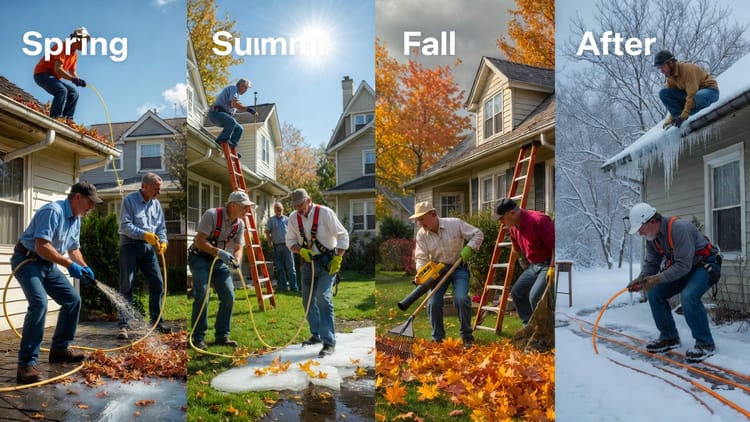
Regular checks—spring and fall—are key. Combine tools for best results: scoop first, then flush. Monitor for signs like sagging or rust, addressing promptly.
In conclusion, building your gutter cleaning toolbox empowers safe, effective DIY maintenance. From simple scoops to advanced wands, each has its place. But remember, safety trumps all. If the job feels overwhelming, leave it to the experts.
Professional Gutter Cleaning Without the Danger – Call Now