The Groundhog Burrow Problem: Managing Woodchucks Under Sheds, Decks, and Foundations
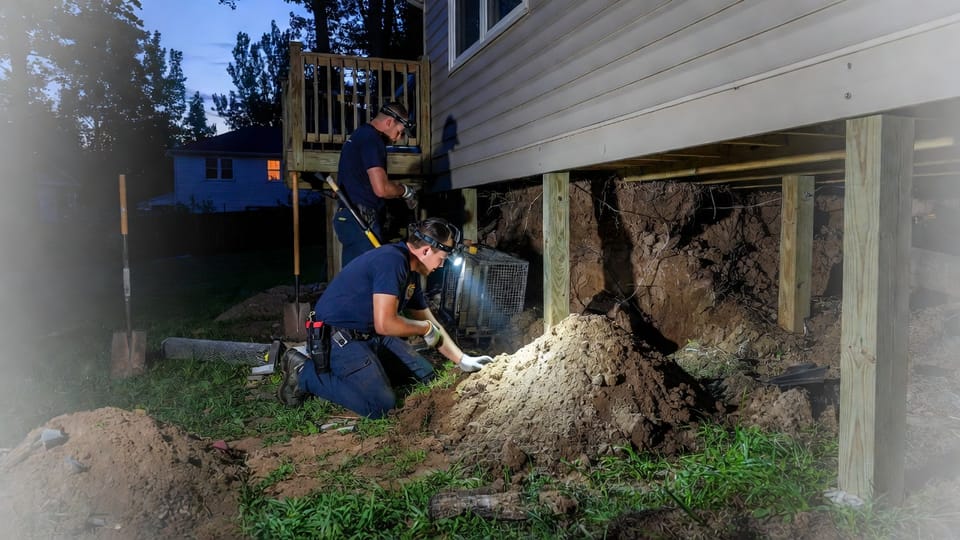
Groundhogs, also known as woodchucks, are deceptively charming creatures that can quickly transform from backyard visitors into serious structural threats. These burrowing rodents, weighing up to 14 pounds and measuring nearly two feet long, are masters of underground engineering. But when their tunnels snake beneath your sheds, decks, and home foundations, the consequences can be devastating.
Secure Your Shed & Deck from Burrows – Free Inspection
At our wildlife removal service, we've seen it all: cracked concrete, leaning porches, and flooded basements—all traced back to these persistent diggers. The good news? With the right knowledge and humane groundhog removal strategies, you can reclaim your property without harm to the animals or your wallet. This comprehensive guide dives deep into groundhog behavior, the hidden risks of their burrows, and proven, ethical solutions like one-way doors and exclusion fencing.
Whether you're a homeowner noticing fresh dirt piles or a property manager dealing with recurring issues, understanding the groundhog burrow problem is your first step to lasting protection. Let's explore how to manage these woodchucks effectively and restore peace to your outdoor spaces.
Understanding Groundhog Behavior: Why They Dig Deep
Groundhogs (Marmota monax) are true hibernators, emerging from their winter dens in early spring to forage and breed. Their burrows aren't random holes—they're sophisticated networks designed for survival. A single groundhog can excavate up to 700 pounds of soil in a season, creating tunnels that extend 20 to 40 feet horizontally and drop 3 to 5 feet deep.
These rodents prefer loose, well-drained soil near food sources like gardens, orchards, and grassy lawns. Under sheds and decks, the elevated shade and protection from predators make ideal real estate. Females dig maternity burrows in late spring, producing litters of 2 to 6 pups that quickly learn the family trade.
Key behaviors to watch for:
- Foraging patterns: They emerge at dawn and dusk, munching on clover, alfalfa, and vegetables—drawing them closer to human structures.
- Territorial digging: Males expand territories in summer, often linking burrows under decks for quick escapes.
- Hibernation prep: By fall, they stockpile fat in deep chambers, making burrows more permanent fixtures.
Ignoring these habits leads to escalation. A single burrow can house multiple generations, turning a minor nuisance into a multi-generational infestation.
The Hidden Dangers: How Burrows Undermine Structures
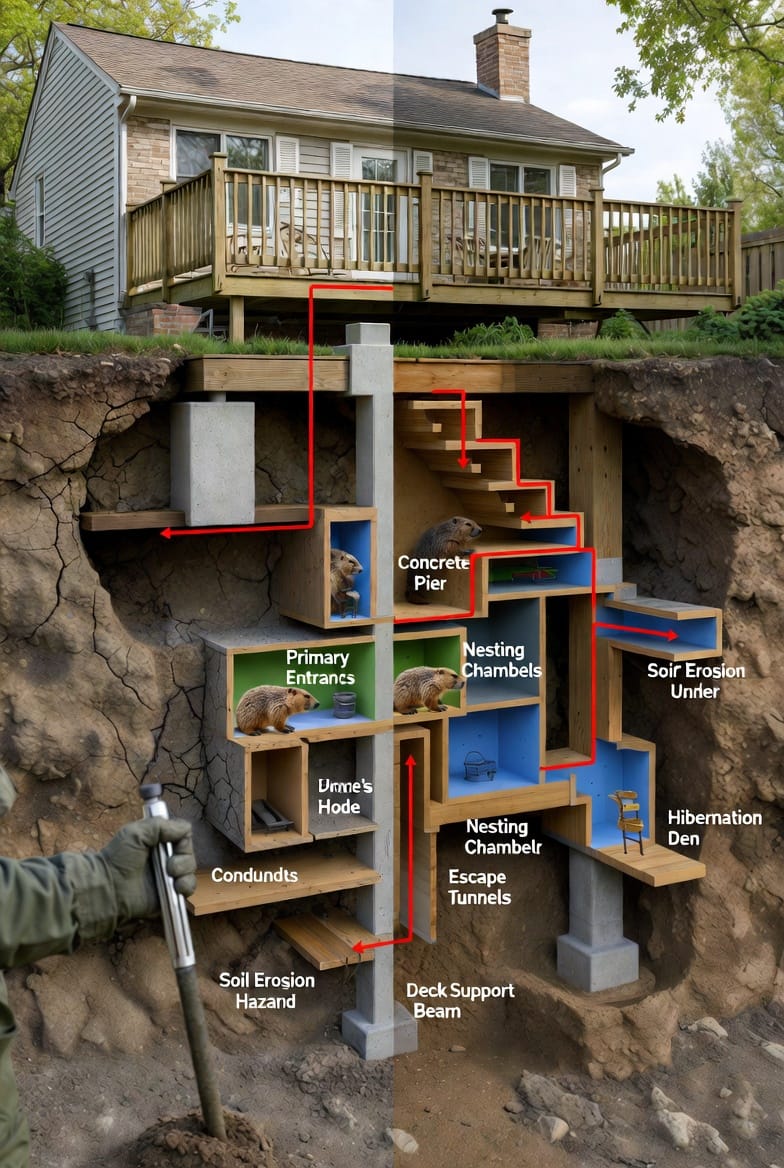
Groundhog burrows aren't just unsightly—they're structural saboteurs. Their tunnels erode soil support, creating voids that compromise load-bearing elements. Over time, this leads to:
- Foundation cracks: Shifting soil under footings causes hairline fractures that widen with rain.
- Deck instability: Posts sink into undermined earth, leading to wobbly railings and safety hazards.
- Shed collapse risks: Elevated sheds on piers tilt as tunnels collapse, inviting water damage and pest invasions.
In severe cases, burrows channel rainwater directly to basements, fostering mold and flooding. They also attract secondary pests like snakes, rodents, and insects seeking shelter in the cool, dark tunnels.
The financial toll is real. Repairing a compromised deck can exceed $5,000, while foundation fixes often top $10,000. But the real risk is injury: a child or pet stepping into a hidden entrance could face sprains or worse.
Pro tip: Early detection prevents 80% of major damage. If you spot 4-6 inch holes with fan-shaped dirt mounds, it's time to act.
Spotting the Signs: Is a Groundhog Lurking Under Your Property?
Don't wait for visible damage. Early warning signs of woodchuck activity include:
- Fresh excavations: Loose soil piles near foundations, often with clipped vegetation trails.
- Structural shifts: Doors that stick, uneven deck planks, or subtle settling in sheds.
- Nocturnal noises: Scratching or thumping from below at night.
- Vegetation clues: Wilting plants around burrows due to root disruption.
Homeowners in rural and suburban areas report these issues peaking from March to October. Urban sprawl pushes groundhogs into backyards, where decks and sheds offer prime real estate.
Common misconception: "It's just one hole." In reality, 70% of burrows have multiple entrances, creating a web of instability.
Why DIY Traps Fall Short—And When to Call Experts
Trapping a groundhog sounds simple, but relocation is often illegal and ineffective. Groundhogs are homing experts, returning from miles away. Poison baits? They contaminate soil and harm non-target wildlife.
Humane methods are the gold standard. Our groundhog removal specialists prioritize non-lethal solutions that respect wildlife laws in most states. Professionals bring:
- Specialized tools: Infrared cameras for burrow mapping.
- Trained teams: Ensuring safe, efficient eviction.
- Guaranteed results: Follow-up inspections to confirm resolution.
Attempting DIY risks partial removals, where survivors dig deeper and cause more havoc.
Humane Groundhog Removal: One-Way Doors in Action
The cornerstone of ethical woodchuck control is the one-way door. This clever device allows the animal to exit but not re-enter.
How it works:
- Assessment: Locate all active entrances using tracking powder or cameras.
- Installation: Secure a door over the main burrow, often under decks or sheds.
- Monitoring: Wait 3-7 days as the groundhog explores and leaves for good.
- Sealing: Once empty, fill tunnels with gravel and soil, then cap entrances.
Success rate: Over 95% when done correctly. It's stress-free for the animal, relocating them naturally to wilder habitats.
Our teams often combine this with live monitoring to ensure no pups are left behind during breeding season.
Exclusion Fencing: Building a Burrow-Proof Barrier
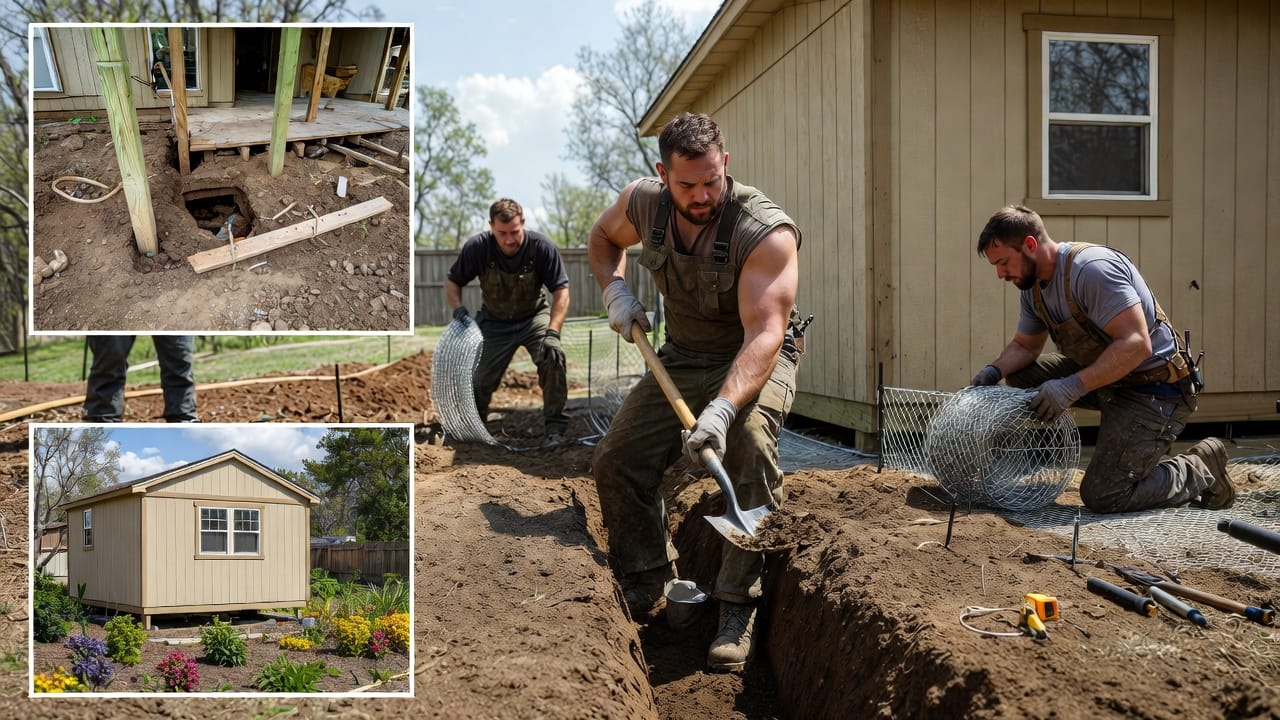
For long-term prevention, exclusion fencing is unmatched. This buried barrier redirects diggers away from vulnerable areas.
Design essentials:
- Height and depth: 3-foot above-ground wire mesh, buried 12 inches deep.
- The bend: An outward L-shape at the bottom deters tunneling under.
- Materials: Galvanized steel for durability against weather and claws.
Installation steps:
- Trenching: Dig around the shed or deck perimeter.
- Securing: Attach to existing posts or new stakes.
- Backfilling: Compact soil to eliminate gaps.
- Finishing: Top with decorative elements for seamless integration.
Before-and-after impact: Properties with fencing see zero re-infestation for years, saving thousands in repairs.
Sealing Burrows: The Final Step to Structural Security
Once evicted, proper sealing locks out returnees. Use:
- Gravel and dirt: Layered fill to mimic natural compaction.
- Hardware cloth: Over entrances for added bite resistance.
- Concrete caps: For high-traffic areas under foundations.
Avoid common errors: Never use expanding foam alone—it fails under pressure. Professionals test seals with smoke or water to verify integrity.
Preventing Future Groundhog Problems: Proactive Strategies
Smart prevention combines vigilance and habitat modification:
- Yard maintenance: Mow lawns short and remove brush piles.
- Garden barriers: Raised beds with buried mesh.
- Repellents: Natural options like castor oil or predator urine sprays.
- Monitoring: Annual inspections by groundhog specialists.
Seasonal tips:
- Spring: Trim vegetation near structures.
- Summer: Secure trash and pet food.
- Fall: Clear debris before hibernation.
Integrating these with professional exclusion creates an impenetrable defense.
Real-World Success: Groundhog-Free Properties
Consider a recent case: A family in a wooded neighborhood watched their deck tilt after heavy rains. Our team installed one-way doors on three burrows, followed by exclusion fencing around the perimeter. Within weeks, the structure stabilized—no more shifting, no more visitors.
Another client with a collapsing garden shed? We mapped a 30-foot tunnel system, evicted the family, and reinforced with fencing. Today, it's a stable storage haven.
These stories highlight why humane, comprehensive groundhog removal outperforms quick fixes.
The Cost of Inaction vs. Professional Solutions
Delaying action amplifies expenses. Burrow-related repairs average $2,500–$15,000, plus lost use of spaces. Professional services? Often under $800 for full eviction and exclusion, with warranties.
ROI breakdown:
- Immediate savings: Avoid emergency fixes.
- Long-term value: Protected property boosts resale appeal.
- Peace of mind: No more worries about hidden threats.
Frequently Asked Questions About Groundhog Control
How long do one-way doors take to work? Typically 3-10 days, depending on activity.
Is exclusion fencing visible? No—it's discreet, blending with landscapes.
Can groundhogs climb fences? Rarely, but the buried bend stops diggers cold.
What if I have pets? Our methods are 100% safe for dogs, cats, and kids.
Are groundhogs protected? In most areas, yes—humane relocation is required.
Your Next Steps: Secure Your Property Today
Groundhog burrows demand swift, expert attention. Don't let woodchucks undermine your investment. Our groundhog specialists are ready with tailored plans for sheds, decks, and foundations.
From initial assessment to final sealing, we deliver humane, effective results that last.
Humane Groundhog Removal & Permanent Prevention – Get Started