The Grief Counseling in Recovery: Processing Loss Without Substances

Grief is a profound human experience that touches everyone, yet in the context of addiction recovery, it becomes a critical turning point. Unresolved grief can silently fuel substance use, while addiction often creates even more losses. Grief counseling in recovery stands as one of the most transformative therapy components, offering individuals the tools to process pain without turning to substances. This article explores how integrating grief work strengthens sobriety and rebuilds lives with resilience and hope.
Begin Grief Counseling & Strengthen Your Recovery – Call Now
At its core, effective recovery addresses not just physical dependence but the emotional wounds that drive it. Grief counseling provides a safe, structured path to heal these wounds, empowering people to move forward substance-free.
The Deep Connection Between Grief and Addiction
Addiction rarely exists in isolation. Many people turn to substances as a way to numb overwhelming sorrow. Loss—whether the death of a loved one, the end of a significant relationship, or missed life opportunities—can leave emotional voids that feel unbearable. Without healthy coping mechanisms, substances promise temporary relief but ultimately deepen the grief cycle.
Unresolved grief often precedes addiction. Traumatic losses in childhood or adulthood create patterns where individuals self-medicate to avoid painful feelings. Conversely, active addiction leads to secondary losses: strained family ties, career setbacks, health decline, and eroded self-worth. This creates a painful loop where grief intensifies addiction, and addiction multiplies grief.
Research and clinical experience consistently show that individuals in recovery who address underlying grief have significantly higher success rates in maintaining long-term sobriety. Ignoring grief leaves a hidden vulnerability that can trigger relapse during stressful times or anniversaries of loss.
Grief counseling breaks this cycle by validating emotions, providing education on the grief process, and equipping clients with practical tools. It reassures individuals that their feelings are normal and manageable—without substances.
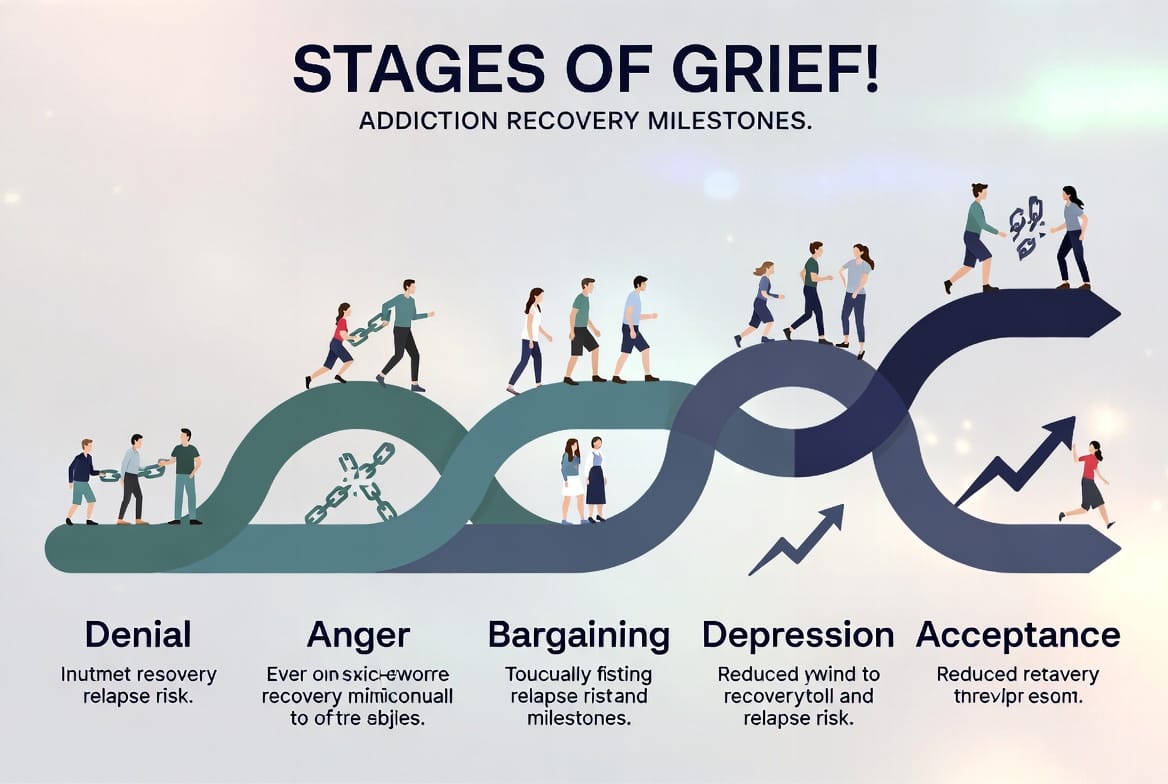
How Grief Counseling Supports Lasting Recovery
Grief counseling in recovery is a specialized therapeutic approach that recognizes the unique intersection of loss and substance use. It helps clients process multiple layers of grief while building a foundation for sober living.
Professional counselors trained in both grief and addiction create personalized plans. They foster a non-judgmental environment where clients can express suppressed emotions safely. This process reduces the internal pressure that often leads to cravings or impulsive decisions.
Key benefits include:
- Emotional regulation skills that replace substance use as a coping mechanism.
- Improved self-compassion, reducing shame associated with past losses and addictive behaviors.
- Rebuilding identity beyond the role of "addict" or "grieving person."
- Stronger relationships as clients learn to communicate their needs effectively.
By addressing grief directly, individuals gain clarity and emotional freedom. They learn that healing is possible and that sobriety can coexist with honoring past losses.
Types of Losses Addressed in Grief Counseling
Recovery often involves confronting several categories of loss simultaneously:
- Death of loved ones: The pain of losing family or friends, sometimes complicated by addiction-related circumstances.
- Relationship endings: Divorce, breakups, or estrangement caused or worsened by substance use.
- Loss of opportunities: Missed careers, education, or personal goals sacrificed to addiction.
- Loss of self: The erosion of identity, health, trust, and potential during active addiction.
- Anticipatory grief: Fear of future losses if recovery falters.
Grief counseling validates all these experiences. It helps clients mourn what was lost while discovering new possibilities in recovery. This dual focus—honoring the past while building the future—creates powerful momentum for sobriety.
Evidence-Based Techniques in Grief Counseling
Effective grief counseling employs a range of proven techniques tailored to each individual’s needs. These methods support emotional processing while reinforcing substance-free coping strategies.
Talk Therapy and Emotional Expression
Talk therapy forms the foundation. In guided sessions, clients verbalize experiences they may have suppressed for years. Therapists use empathetic listening and targeted questions to uncover connections between grief and addictive patterns. This process reduces the power of unexpressed emotions and builds trust in human connection over substances.
Journaling for Reflection and Insight
Journaling is a powerful, accessible tool. Clients are encouraged to write about memories, feelings, and hopes. Structured prompts help track grief progression and identify triggers. Over time, journals become tangible evidence of growth and resilience—powerful reminders during challenging moments in recovery.
Ritual Work and Symbolic Closure
Ritual work provides meaningful ways to honor losses. This might include creating memory boxes, writing letters to lost loved ones, or participating in symbolic ceremonies. These rituals offer closure and transform passive suffering into active remembrance. In recovery, rituals reinforce commitment to sobriety as a way to honor both the past and present self.
Additional Supportive Practices
- Mindfulness and grounding techniques to stay present during intense grief waves.
- Cognitive reframing to shift negative thought patterns associated with loss.
- Group support where individuals share experiences and realize they are not alone.
- Creative expression through art, music, or movement to process emotions beyond words.
These techniques work synergistically. They build a comprehensive toolkit that clients carry into daily life, making sobriety more sustainable and meaningful.

Integrating Grief Counseling into Your Recovery Journey
Successful integration requires commitment and professional guidance. Many treatment programs now incorporate dedicated grief counseling as a core component, recognizing its impact on long-term outcomes.
Clients often report that working through grief lifts a heavy emotional burden they carried for years. They experience improved sleep, reduced anxiety, and a renewed sense of purpose. Family members also benefit as communication improves and old resentments heal.
It is completely normal for grief to resurface at different stages of recovery. Grief counseling equips individuals with ongoing strategies to navigate these waves without compromising sobriety. The goal is not to eliminate grief entirely—since love and loss are part of being human—but to transform the relationship with grief into one of acceptance and growth.
Overcoming Common Challenges in Grief Work
Many people hesitate to engage in grief counseling due to fear of overwhelming emotions or concerns about reopening old wounds. However, skilled therapists guide the process at a manageable pace, ensuring safety and support throughout.
Common concerns addressed:
- Fear of relapse: Techniques emphasize healthy emotional release rather than suppression.
- Cultural or personal beliefs about expressing grief: Counseling adapts to individual backgrounds and values.
- Time commitment: Even short, consistent sessions yield significant benefits.
With compassionate support, clients discover inner strength they may not have realized they possessed. The journey, while challenging, leads to profound healing and freedom.
The Transformative Power of Healing Grief
Healing grief directly supports healing addiction. When individuals process losses constructively, they remove major obstacles to sustained recovery. They develop authentic connections, pursue meaningful goals, and experience life more fully.
Countless individuals have transformed their lives through this work. They move from surviving to truly thriving—building relationships, careers, and a sense of peace that once seemed impossible.
Recovery programs that emphasize grief counseling recognize this critical link. They create environments where emotional healing and sobriety reinforce each other, leading to more holistic and lasting results.
Taking the Next Step Toward Healing
You do not have to carry the weight of unresolved grief alone. Professional support can make all the difference in achieving and maintaining recovery.
Heal grief to heal addiction. Learn about our comprehensive grief counseling program and discover how specialized support can guide your journey toward emotional freedom and lasting sobriety.
Recovery is possible. Healing is within reach. With the right support, you can process your losses, honor your journey, and build a brighter, substance-free future.
Process Loss Without Substances – Call for Grief Support