The GFCI Outlet: How Ground Fault Protection Works and Where It's Required by Code

In today's fast-paced world, where electricity powers nearly every aspect of our daily lives, ensuring safety in our homes and workplaces is paramount. Ground Fault Circuit Interrupter (GFCI) outlets represent a cornerstone of modern electrical safety, designed to prevent potentially deadly shocks. As a life-saving technology, GFCIs have been instrumental in reducing electrocution incidents since their introduction in the 1970s. This article delves into how these devices function, their rapid response to dangers, mandatory installation locations per building codes, and essential maintenance tips. Whether you're a homeowner, renter, or property manager, understanding GFCIs can empower you to create a safer environment. Rest assured, with proper knowledge and implementation, you can significantly mitigate electrical risks.
Protect Your Family from Shocks – Call for GFCI Installation Today
What Is a GFCI Outlet and Why Does It Matter?
A GFCI outlet is more than just a standard receptacle; it's an intelligent device engineered to monitor electrical current and interrupt power when a hazard is detected. Unlike traditional outlets, GFCIs feature built-in sensors that constantly compare the amount of current flowing from the hot wire to the neutral wire. If there's even a slight discrepancy – indicating a ground fault – the GFCI trips, cutting off electricity in a fraction of a second.
This technology is crucial because ground faults occur when electricity takes an unintended path to the ground, often through water, damaged wiring, or human contact. According to electrical safety experts, these faults can lead to severe shocks or fires if not addressed promptly. The National Electrical Code (NEC), which sets the standard for safe electrical installations in the United States, has evolved to mandate GFCIs in high-risk areas, reflecting their proven effectiveness in saving lives.
Consider this: Before widespread GFCI adoption, residential electrocutions were far more common. Data from the Consumer Product Safety Commission shows a dramatic decline in such incidents, attributing much of the success to these devices. By installing GFCIs, you're not just complying with codes; you're investing in peace of mind for your family and visitors.
How GFCI Outlets Detect and Respond to Ground Faults
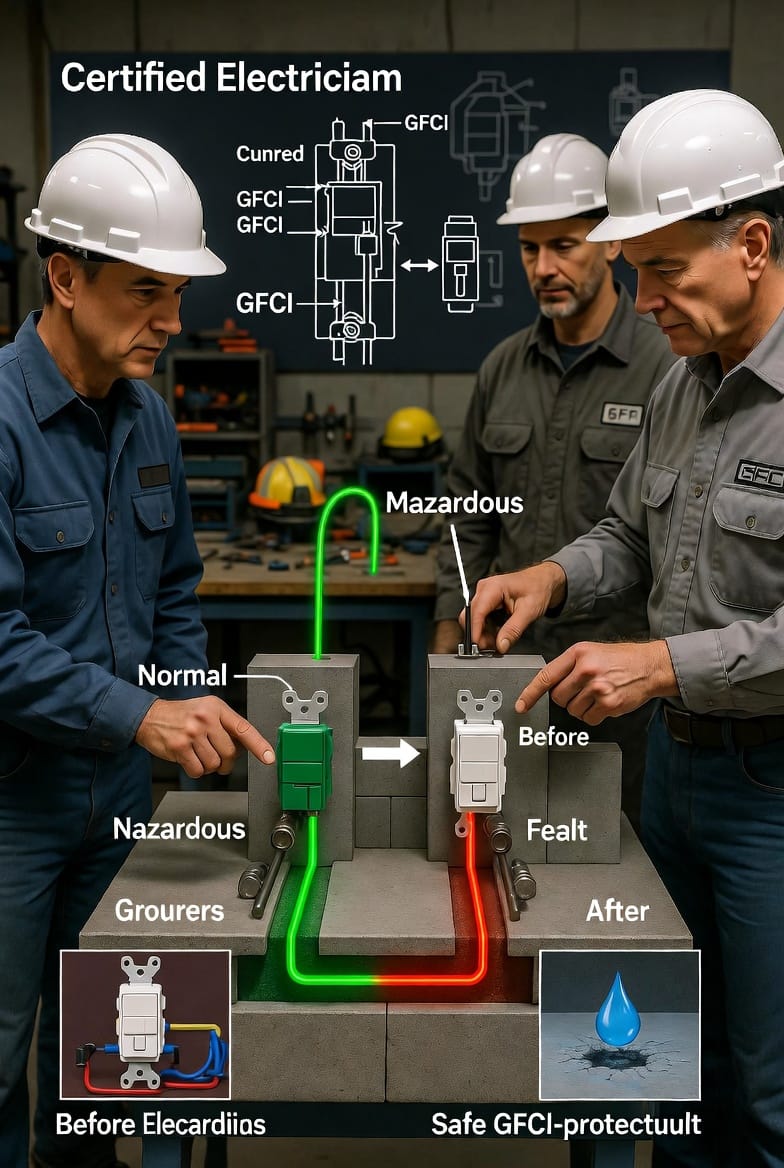
At the heart of a GFCI's operation is its ability to detect minute current imbalances. Specifically, these outlets are calibrated to sense differences as small as 4-5 milliamps – that's less than the current needed to light a small LED bulb. When the current returning on the neutral wire doesn't match what's leaving on the hot wire, the GFCI assumes a leak to ground and acts swiftly.
The response time is astonishing: GFCIs trip in as little as 1/40th of a second (25 milliseconds), faster than the human heart can beat. This rapid interruption prevents the flow of harmful current through a person's body, which could otherwise cause ventricular fibrillation or burns.
To illustrate, imagine using a hairdryer in a bathroom. If the appliance falls into water, creating a ground fault, the GFCI instantly shuts off power, averting disaster. This precision stems from a current transformer inside the outlet that generates a magnetic field proportional to the current difference. When this field exceeds the threshold, it triggers a solenoid to open the circuit.
For those interested in the technical side, GFCIs comply with Underwriters Laboratories (UL) standards, ensuring reliability. They're available in various forms, including portable units, circuit breakers, and built-in receptacles, making them versatile for different applications.
- Key Components of a GFCI:
- Current Transformer: Monitors flow imbalance.
- Sensing Circuit: Detects faults and signals the trip mechanism.
- Test and Reset Buttons: Allow manual verification of functionality.
- Line and Load Terminals: For proper wiring in daisy-chain setups.
Regular testing ensures these components work as intended, which we'll cover later.
Where Building Codes Require GFCI Protection
The NEC, updated every three years, specifies locations where GFCI protection is mandatory to minimize shock hazards. These requirements have expanded over time, reflecting advancements in safety knowledge. While local codes may vary slightly, the following areas are universally recognized as high-risk:
- Kitchens: All receptacles serving countertops, within 6 feet of sinks, or for appliances like dishwashers must be GFCI-protected. Water and electricity mix frequently here, making protection essential.
- Bathrooms: Every outlet in bathrooms requires GFCIs due to the presence of water from sinks, showers, and tubs. This includes those for lights or exhaust fans if they're on the same circuit.
- Outdoors: Any exterior outlets, including those for holiday lights, power tools, or pool equipment, need GFCI safeguards against weather-related faults.
- Garages and Basements: Unfinished areas like garages, crawl spaces, and basements demand GFCIs for all 125-volt receptacles, as these spaces often involve tools and moisture.
Additional spots include laundry rooms, wet bars, and near swimming pools or hot tubs. For new constructions or renovations, compliance is non-negotiable, and retrofitting older homes is highly recommended.
It's worth noting that GFCI protection can be achieved through outlets or breakers. In some cases, a single GFCI breaker in the panel can protect an entire circuit, offering cost-effective coverage.
To stay compliant, consult a licensed electrician who can assess your property against the latest NEC edition (currently 2023). This proactive approach not only meets legal standards but enhances overall safety.
Testing and Maintaining Your GFCI Outlets
One of the simplest yet most effective ways to ensure your GFCIs function properly is through monthly testing. Manufacturers and safety organizations like the Electrical Safety Foundation International (ESFI) recommend this routine to catch any failures early.
Here's how to test:
- Press the Test Button: This simulates a ground fault, causing the outlet to trip and cut power. The reset button should pop out.
- Check for Power Loss: Plug in a device (like a lamp) and verify it turns off after testing.
- Reset the Outlet: Press the reset button to restore power. If it doesn't click back in or power doesn't return, the GFCI may be faulty and needs replacement.
If a GFCI trips frequently without apparent cause, it could indicate underlying issues like faulty wiring or appliances. In such scenarios, avoid resetting repeatedly; instead, seek professional help to diagnose and resolve the problem.
Maintenance also involves keeping outlets clean and free from obstructions. Replace any damaged or worn GFCIs promptly – they have a lifespan of about 10-15 years, depending on usage.
By incorporating these habits, you maintain a robust defense against electrical hazards, ensuring long-term reliability.

Common Myths and Misconceptions About GFCIs
Despite their importance, several myths persist about GFCIs. Let's debunk a few to foster better understanding:
- Myth: GFCIs Protect Against All Electrical Issues. Reality: They guard against ground faults but not overloads or short circuits – that's the role of circuit breakers.
- Myth: Older Homes Don't Need GFCIs. Reality: Retrofitting is feasible and often required during renovations. It's a worthwhile upgrade for safety.
- Myth: GFCIs Are Prone to Nuisance Tripping. Reality: While occasional trips occur, they're usually signaling real problems. Modern GFCIs are more reliable than ever.
Addressing these misconceptions helps homeowners make informed decisions. Remember, education is key to prevention.
The Life-Saving Impact of GFCI Technology
In conclusion, GFCI outlets are a testament to innovative engineering that prioritizes human safety. By detecting tiny current leaks and responding in milliseconds, they prevent countless accidents annually. Mandated in moisture-prone areas like kitchens, bathrooms, outdoors, and garages, they align with stringent codes to protect us all.
Don't overlook the importance of monthly testing – it's a quick step that confirms your safeguards are operational. If your home lacks adequate GFCI coverage, consider an upgrade; it's an investment in security.
Warning: GFCI outlets save lives. Neglecting them can lead to avoidable tragedies.
Make Every Outlet Safer – Call for Expert GFCI Installation