The Geothermal Heat Pump: Using Earth's Stable Temperature for Ultra-Efficient Climate Control
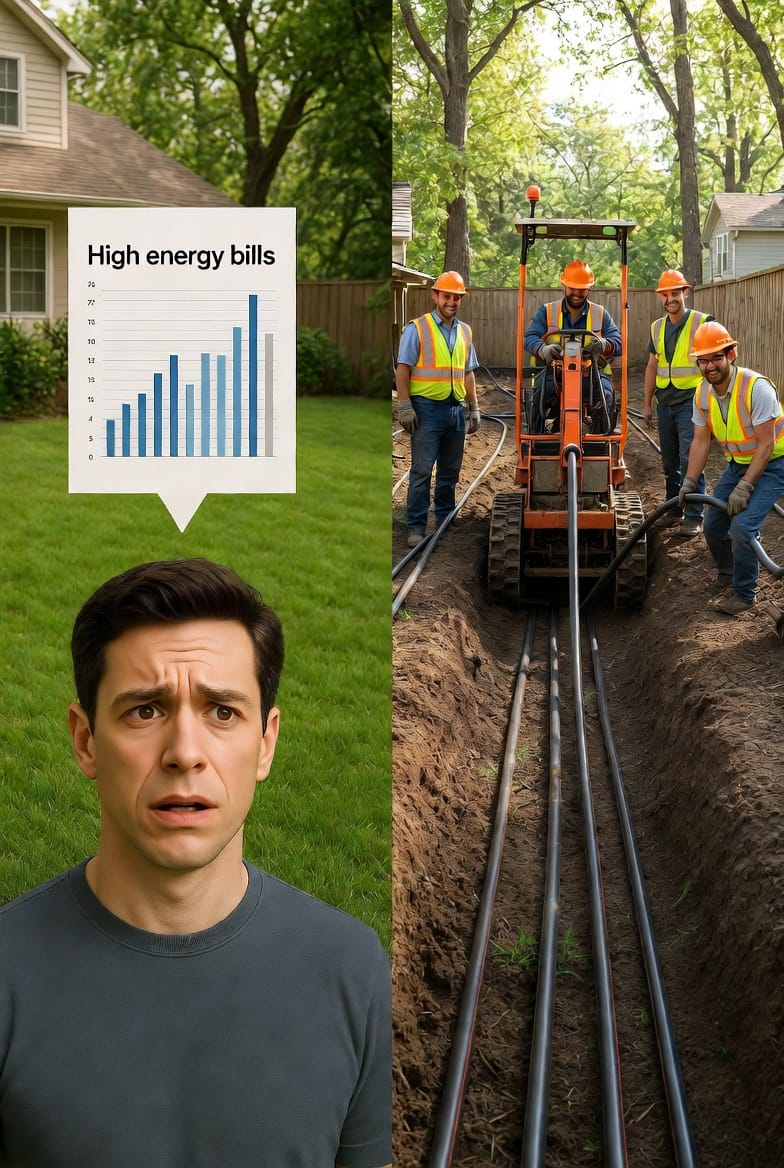
In today’s world of rising energy costs and growing environmental awareness, homeowners and businesses alike are seeking smarter, more sustainable ways to achieve reliable climate control. Enter the geothermal heat pump—a renewable technology that taps directly into the earth’s naturally stable underground temperature to deliver exceptional heating and cooling performance.
Tap Into Earth's Energy – Call Now for Geothermal Savings!
Unlike conventional systems that fight against fluctuating outdoor air, a geothermal heat pump uses the ground as a thermal battery. This approach results in remarkable efficiency ratings of 300-600 percent, meaning for every unit of electricity used, the system delivers three to six units of heating or cooling energy. It’s not magic; it’s smart engineering grounded in physics and proven over decades.
If you’re exploring renewable HVAC solutions, understanding how geothermal heat pumps work, their installation realities, and the impressive long-term payback can help you make an informed decision. Rest assured, this technology offers dependable comfort while slashing utility bills and carbon footprints for years to come.
How Geothermal Heat Pumps Harness the Earth’s Constant Temperature
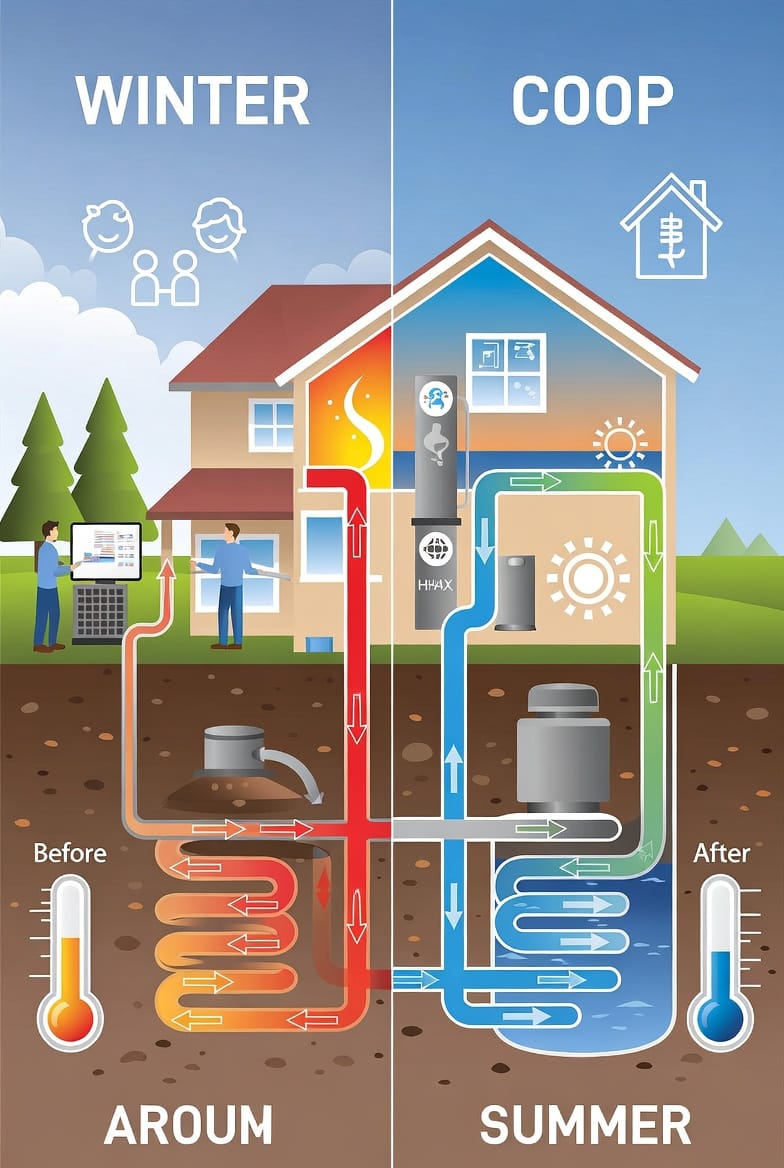
At the heart of every geothermal heat pump system lies a network of buried loops filled with a heat-transfer fluid—typically a water-antifreeze mixture. These loops are installed several feet below the surface where the ground maintains a nearly constant temperature of around 55°F year-round, regardless of surface weather extremes.
During winter, the fluid circulates through the loops, absorbing heat from the warmer earth. This heat is then concentrated by the heat pump unit inside your home and distributed through your existing ductwork or radiant flooring. In summer, the process reverses: the system pulls heat from your indoor air and rejects it into the cooler ground, providing efficient cooling without relying on noisy outdoor condenser units.
Key benefits of this closed-loop design include:
- Silent operation—no loud outdoor equipment.
- Consistent performance—unaffected by freezing temperatures or scorching heat.
- Minimal maintenance—loops are sealed and underground, protected from the elements.
This renewable approach draws on solar energy stored naturally in the earth, making geothermal heat pumps one of the most efficient and eco-friendly climate control options available today. Homeowners report immediate improvements in comfort levels, with even temperatures throughout the house and no more hot or cold spots.
Efficiency Ratings That Redefine Energy Savings
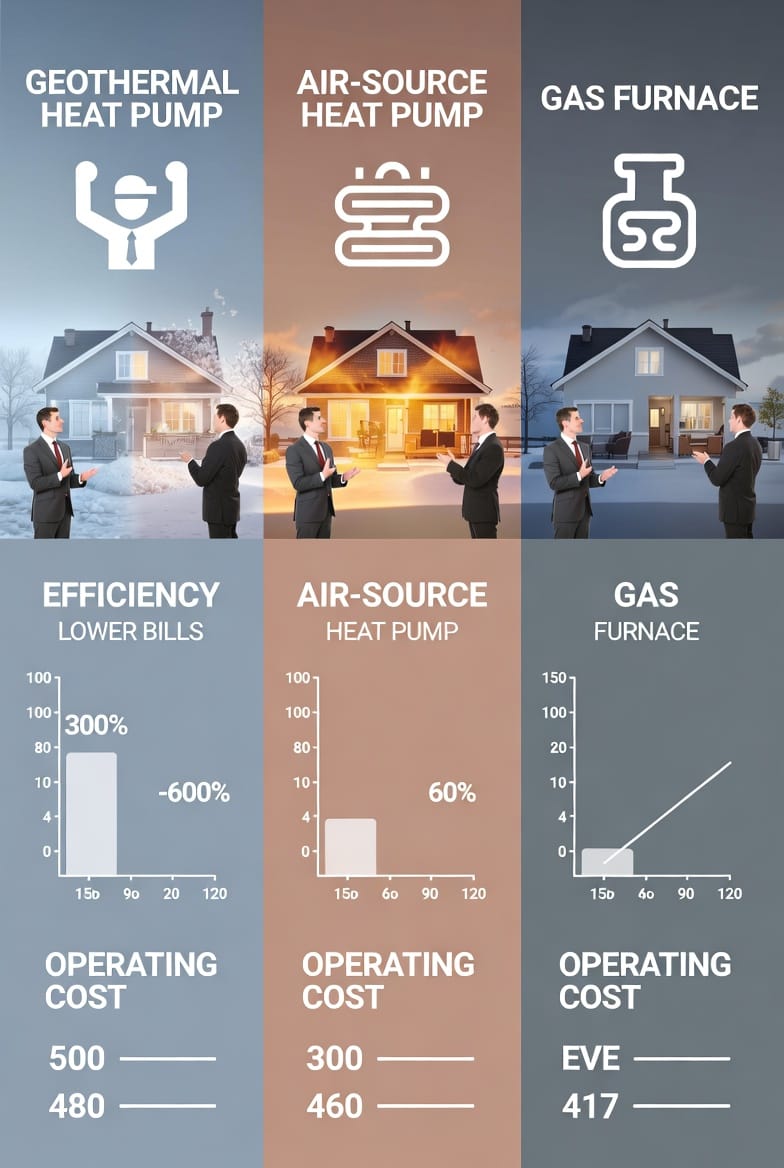
One of the most compelling reasons to choose a geothermal heat pump is its extraordinary efficiency. Traditional air-source heat pumps might achieve 200-400 percent efficiency under ideal conditions, while a gas furnace operates at 80-98 percent. In contrast, geothermal systems routinely deliver 300-600 percent efficiency thanks to the stable ground temperature.
This translates to Coefficient of Performance (COP) values between 3 and 6. Simply put, you get far more energy output than you put in electrically. Over time, these savings add up dramatically. Many homeowners see their heating and cooling costs drop by 50-70 percent compared to conventional systems.
Why such high efficiency matters:
- Lower monthly bills provide immediate financial relief.
- Reduced strain on the electrical grid supports broader renewable energy goals.
- Longer equipment life—with fewer temperature swings, components last longer.
Professional installers carefully size the system to your home’s specific needs, ensuring optimal performance without overspending on capacity. The result? Reliable, ultra-efficient climate control you can count on season after season.
Installation Considerations: Planning for Success
Installing a geothermal heat pump requires thoughtful planning, but the process is straightforward when handled by experienced professionals. The first step is a thorough site assessment that evaluates soil type, available land, and your property’s heating and cooling load.
Common loop configurations include:
- Horizontal loops—ideal for properties with ample yard space; trenches are dug 4-6 feet deep.
- Vertical loops—perfect for smaller lots; boreholes extend 100-400 feet straight down.
- Pond or lake loops—an option when suitable water bodies are nearby.
While upfront costs are higher than traditional systems—typically ranging from $15,000 to $30,000 or more depending on home size and loop type—the investment pays for itself through energy savings. Factors like local soil conductivity and permitting requirements are addressed early to avoid surprises.
Reassuringly, modern installation techniques minimize disruption to your landscape. Crews work efficiently, often restoring lawns and gardens within days. Many homeowners appreciate the peace of mind knowing their system will operate quietly and efficiently for 25 years or more on the heat pump itself and up to 50+ years on the buried loops.
Long-Term Payback and Return on Investment
The true value of a geothermal heat pump shines brightest when you look beyond the initial investment. Most systems achieve payback within 5 to 10 years through dramatically reduced operating costs. After that, you essentially enjoy nearly free heating and cooling for the remaining decades of the system’s life.
Additional financial advantages:
- Eligible tax credits and rebates further shorten payback periods.
- Increased property value—energy-efficient homes command higher resale prices.
- Stable energy costs protect against future utility rate hikes.
When you factor in the environmental benefits—significantly lower carbon emissions and reduced reliance on fossil fuels—the decision becomes even clearer. This renewable technology aligns perfectly with forward-thinking homeowners who want both performance and sustainability.
Addressing Common Questions and Concerns
Many wonder if their property is suitable or if maintenance will be burdensome. The answer is reassuring: most residential lots can accommodate some form of loop system, and annual maintenance is minimal—often just a simple filter change and occasional fluid check.
Geothermal heat pumps also integrate seamlessly with existing ductwork or radiant systems, making retrofits practical. Professional teams guide you through every step, ensuring the installation meets local codes and maximizes performance.
Why Choose Geothermal for Your Climate Control Needs
By embracing geothermal heat pumps, you’re investing in a future of energy independence and comfort. This renewable solution delivers consistent temperatures, quiet operation, and substantial savings while protecting the environment.
Whether you’re building new or upgrading an existing home, the geothermal heat pump stands out as the smart, authoritative choice for ultra-efficient climate control.
Harness the Earth’s Stable Temperature – Call Today!