The Garage Door Finger Pinch Protection: Safety for Children
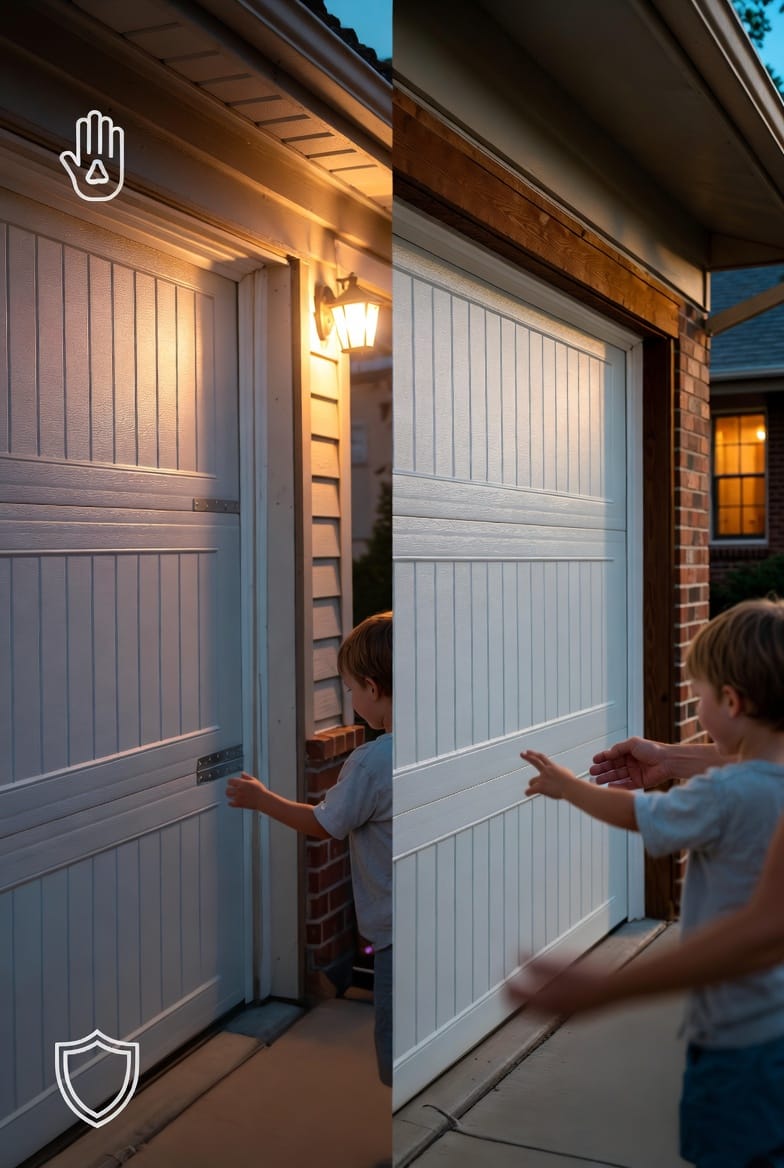
As parents, nothing matters more than keeping our children safe in and around our homes. One often-overlooked area is the garage door — a heavy, moving piece of equipment that can present serious finger pinch hazards to curious little ones.
Protect Little Fingers – Call Now!
Garage door finger pinch protection is not just a nice-to-have feature — it’s an essential safety measure that can prevent painful injuries and give families peace of mind.
In this comprehensive guide, we explore how modern pinch-resistant garage doors work, how to assess your existing door, and practical steps to enhance safety for your children.
Why Finger Pinch Protection Matters for Families
Garage doors operate daily, opening and closing with significant force. For young children, the moving panels and joints create tempting opportunities to explore. Without proper finger protection, small hands can easily get caught in pinch points, leading to crushed fingers, bruises, or worse.
Pinch hazards are especially dangerous because children are naturally curious and may not understand the risks. According to safety experts, garage door-related injuries to children occur more frequently than many homeowners realize. Investing in pinch-resistant designs is a proactive way to childproof your home.
Understanding Garage Door Pinch Points
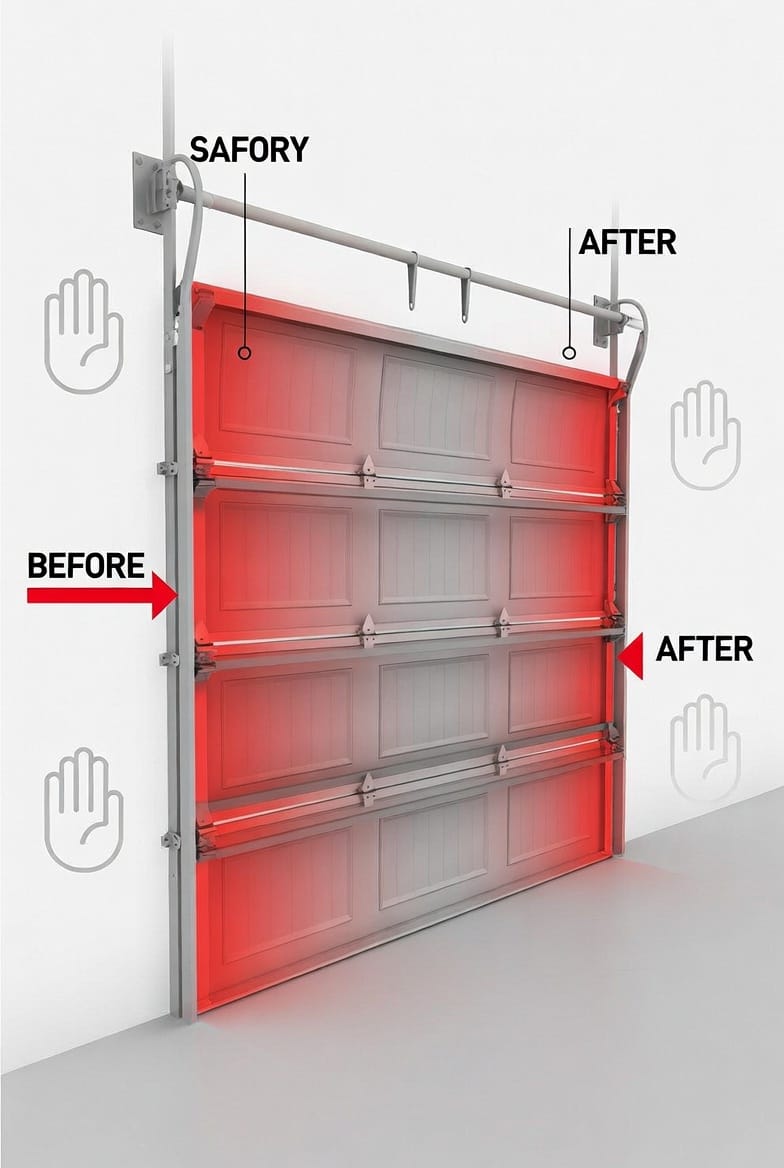
Standard garage doors consist of multiple horizontal sections connected by hinges. When the door moves, these sections fold and unfold, creating narrow gaps that can close rapidly.
Common pinch points include:
- Between door panels as they pivot
- Along the edges where sections meet
- Near the bottom panel and floor
- Around the tracks and rollers
These areas can close with enough force to cause injury. Recognizing these risks is the first step toward protecting your family.
How Pinch-Resistant Garage Door Designs Work
Modern pinch-resistant garage doors are engineered specifically to eliminate exposed pinch points.
Key features of pinch-resistant designs:
- Smooth panel profiles with beveled or rounded edges that prevent fingers from entering gaps
- Tighter interlocking sections that maintain consistent spacing during movement
- Finger-safe hinges and brackets that shield moving parts
- Reinforced panels with no exposed joints that can trap small objects
These doors use advanced engineering to ensure that even if a child’s finger touches the surface, there are no dangerous closing gaps. Manufacturers have refined these systems over decades to meet strict safety standards while maintaining smooth, quiet operation.
Homeowners who upgrade to pinch protection technology often report greater confidence, especially in households with toddlers and young children.
How to Check Your Current Garage Door for Pinch Hazards
Assessing your garage door is straightforward and should be done regularly.
Step-by-step safety inspection:
- Observe the door in motion — Watch carefully as it opens and closes from different angles
- Look for gaps — Check if any spaces between panels narrow to less than 1-2 inches during operation
- Test the edges — Run your hand (carefully) along the meeting points to feel for potential traps
- Inspect hardware — Ensure hinges and brackets are secure and not creating new pinch areas
- Check weather seals — Damaged seals can create additional hazards
If you notice any concerning gaps or exposed pinch points, it’s time to consider upgrades. Regular inspections demonstrate responsible home maintenance and prioritize child safety.
Retrofitting Your Garage Door with Pinch Guards
Not ready for a full replacement? Pinch guards and safety retrofits offer excellent intermediate solutions.
Effective retrofitting options:
- Installing vinyl or rubber pinch guards along panel edges
- Adding finger protection strips between sections
- Replacing individual damaged panels with pinch-resistant versions
- Upgrading to safety hinges and anti-pinch brackets
- Professional adjustment of door tension and alignment
These modifications can significantly reduce risks without requiring a complete door replacement. A qualified technician can evaluate your specific setup and recommend the most effective solutions.
Additional Safety Tips for Garage Door Areas
Beyond door design, comprehensive protection involves education and habits.
Essential family safety practices:
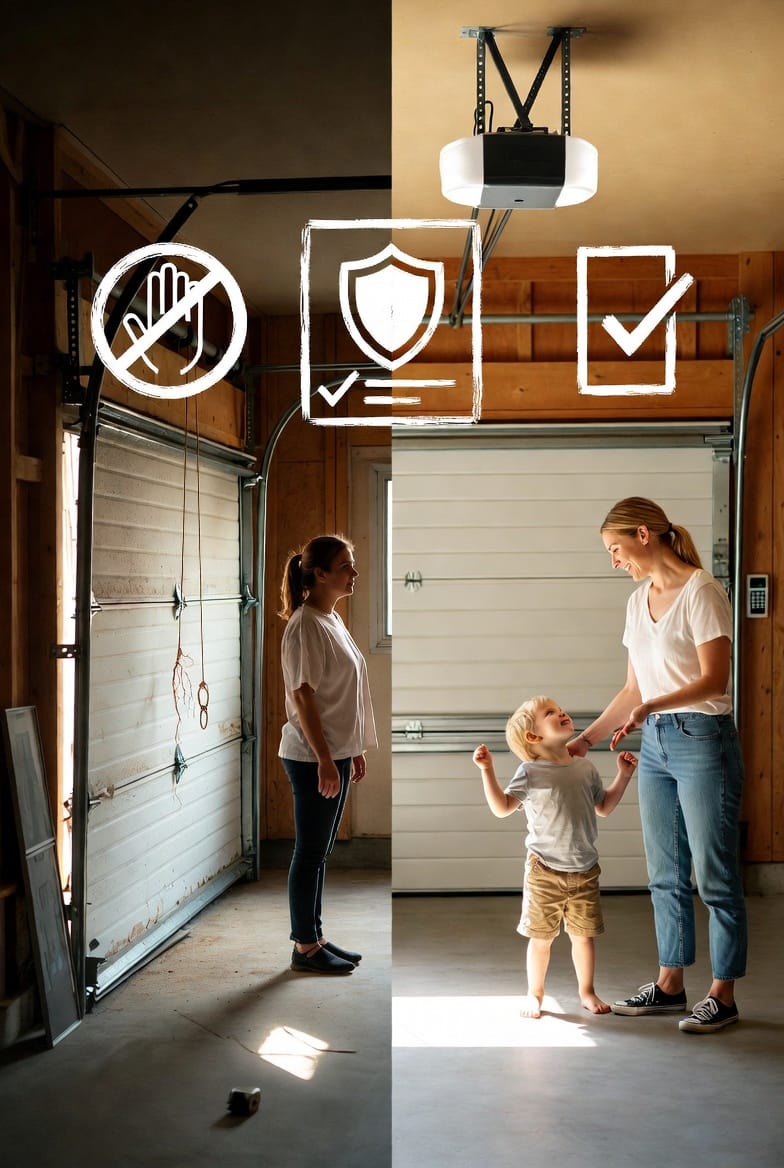
- Teach children never to touch or play near the garage door
- Supervise play in the garage or driveway area
- Use wall-mounted controls out of children’s reach
- Install photoelectric sensors (electric eyes) that reverse the door if obstructed
- Schedule annual professional maintenance
- Consider full replacement with modern safety-certified doors for homes with young kids
Combining physical pinch protection with these behavioral measures creates multiple layers of defense — the gold standard for family safety.
The Long-Term Benefits of Pinch-Resistant Doors
Choosing garage door finger pinch protection delivers benefits that extend far beyond injury prevention:
- Enhanced peace of mind for parents
- Increased home value through modern safety features
- Smoother, quieter door operation
- Reduced maintenance issues over time
- Compliance with current safety standards
Families who prioritize these upgrades often describe it as one of the smartest home improvements they’ve made.
Protect Little Fingers Today
Your children’s safety is worth every precaution. Pinch-resistant garage doors and proper safety measures help ensure that everyday moments remain joyful rather than risky.
Protect little fingers. If you’re concerned about your current garage door setup or want to learn more about pinch-resistant options, reach out to experienced professionals who understand family safety needs.
Don’t wait for an accident to highlight the importance of garage door safety. Take action today to create a safer environment for your children — they deserve nothing less.
This article provides general guidance. Always consult qualified garage door technicians for specific assessments and installations tailored to your home.
Keep Kids Safe: Get Pinch Protection Now