The Freezer Frost Buildup: Causes, Manual Defrosting, and Prevention
Freezer frost buildup is one of the most common – and frustrating – issues homeowners face with their appliances. That stubborn layer of ice not only steals valuable storage space but can also spike your energy bills, compromise food quality, and even shorten the life of your freezer. The good news? You don’t have to live with it. With the right knowledge, manual defrosting becomes a straightforward task, and simple prevention steps can keep your appliance running smoothly for years.
Stop Frost Buildup Fast – Schedule Expert Repair Now
At its core, frost buildup occurs when warm, moist air meets the cold surfaces inside your freezer and freezes on contact. While many freezers are designed with automatic defrost cycles, these systems sometimes fail, or external factors accelerate the problem. Understanding why it happens empowers you to take control. In this comprehensive guide, we’ll explore the leading causes, walk you through safe and effective manual defrosting techniques, and share proven prevention strategies that restore efficiency and peace of mind.
Whether you’re dealing with a sudden ice storm inside your chest freezer or noticing gradual frost on your upright model, the solutions are accessible and effective. By addressing frost buildup promptly, you protect your investment, maintain optimal food safety, and enjoy lower utility costs. Let’s dive in and banish that frost for good.
Understanding Freezer Frost Buildup
Frost buildup isn’t just unsightly – it signals that your freezer is working harder than it should. Ice acts as an insulator, forcing the compressor to run longer and more frequently to maintain the proper temperature. This extra workload increases energy consumption by up to 20-30% in severe cases and can lead to uneven cooling that risks spoiling stored food.
Homeowners often notice the issue when freezer doors become harder to close or when they hear the appliance cycling more often. Early detection prevents bigger problems down the road. Recognizing the signs early allows you to intervene before frost buildup affects performance or requires costly repairs.
Common Causes of Freezer Frost Buildup
Several factors contribute to excessive ice formation. Identifying the root cause is the first step toward a lasting fix. Here are the primary culprits:
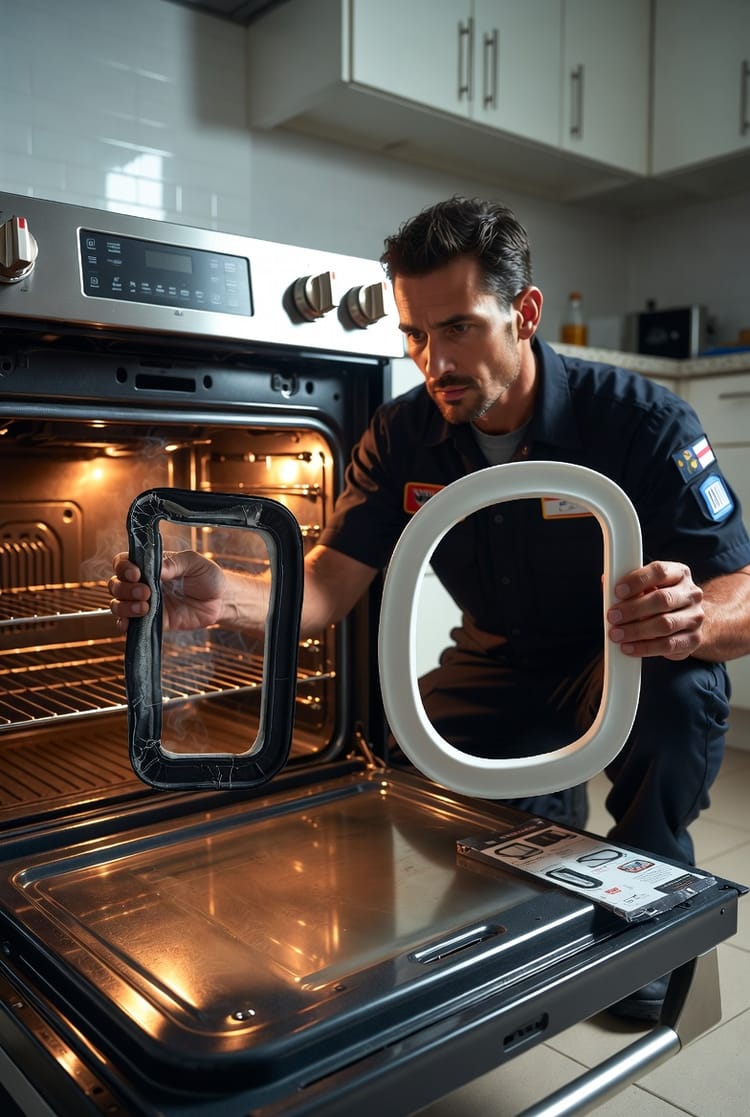
- Door seal failure: Worn, cracked, or dirty door seals (also called gaskets) are the leading cause of frost buildup. When the seal no longer fits tightly, warm humid air sneaks in continuously. This moisture condenses and freezes on the coldest surfaces – usually the evaporator coils and interior walls. Over time, even a small gap can create inches of ice.
- Frequent door openings: Every time you open the freezer door, you introduce a rush of room-temperature air. In busy households or during meal prep, repeated openings overwhelm the cooling system and allow excess humidity to accumulate.
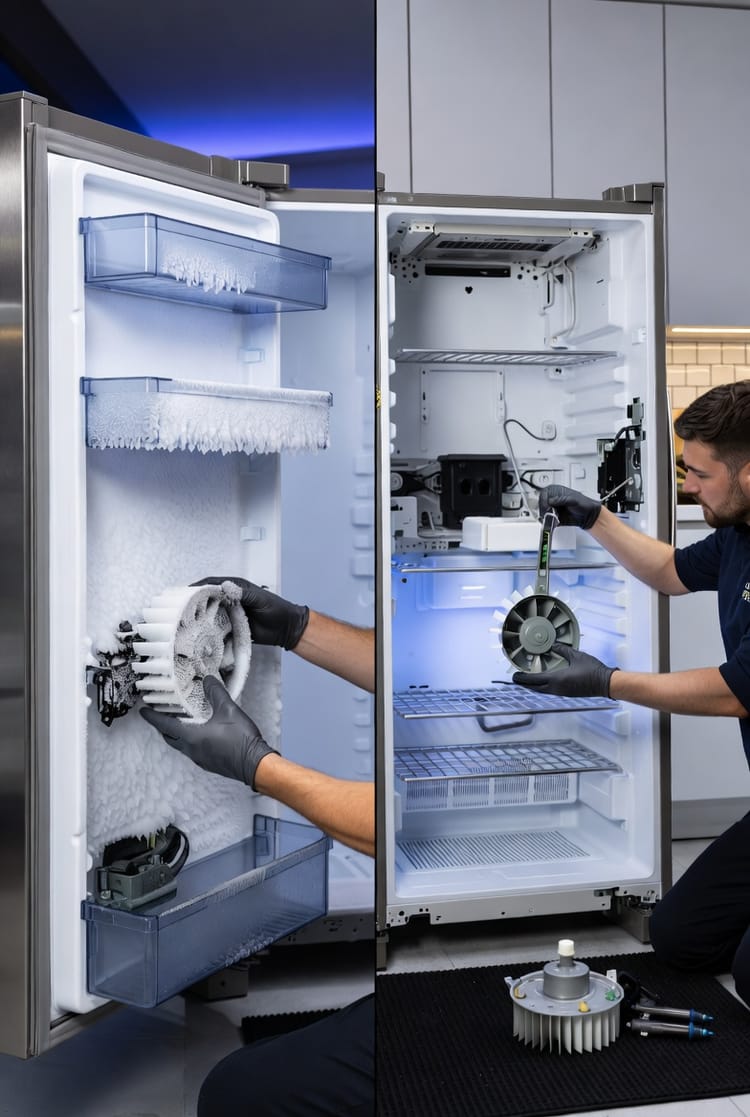
- Defrost system failure: Modern freezers rely on heaters, timers, and sensors to melt frost automatically. When these components malfunction – due to age, power surges, or wear – frost builds unchecked until manual intervention is required.
- High humidity environments: Kitchens with poor ventilation, nearby steam sources (like dishwashers or boiling pots), or simply living in a humid climate can accelerate moisture entry.
- Overfilling or poor organization: Packing the freezer too full blocks proper air circulation. Restricted airflow causes uneven temperatures and forces moisture to freeze in concentrated areas.
Bold risk alert: Ignoring these issues doesn’t just create inconvenience – it can lead to higher electricity bills, reduced appliance lifespan, and potential food waste. Addressing them promptly restores efficiency and gives you confidence in your appliance.
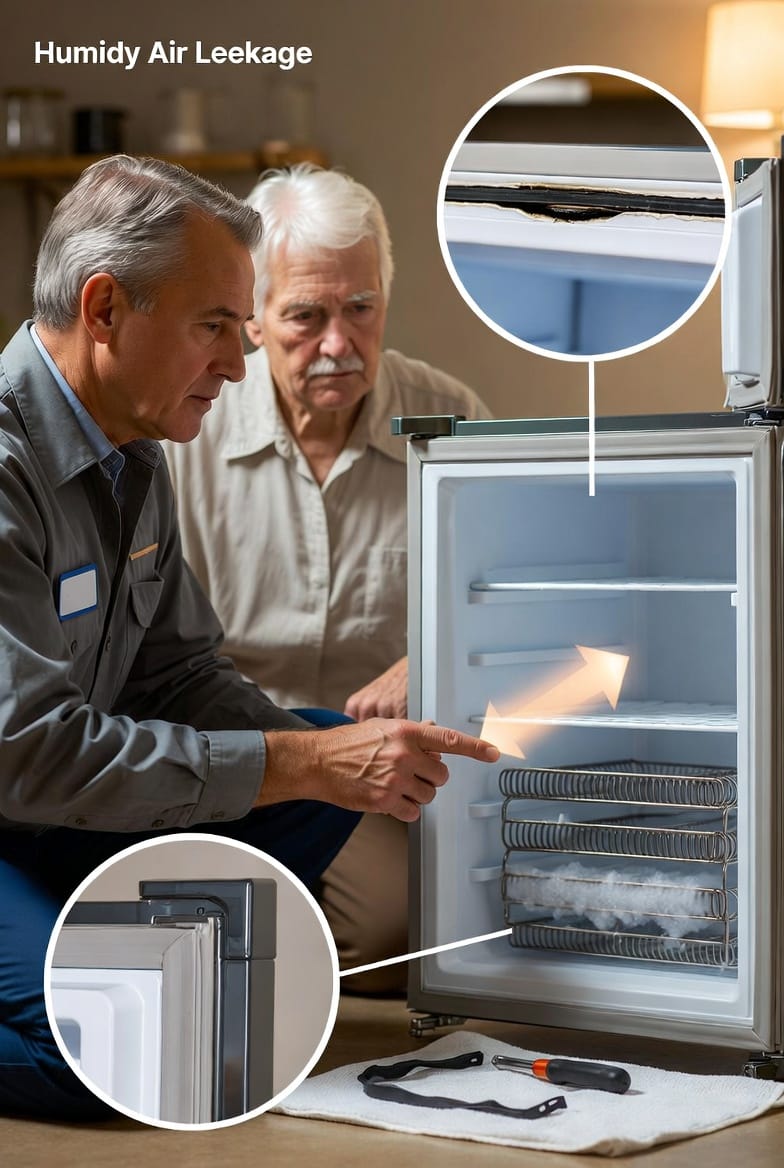
How to Manually Defrost Your Freezer Safely and Effectively
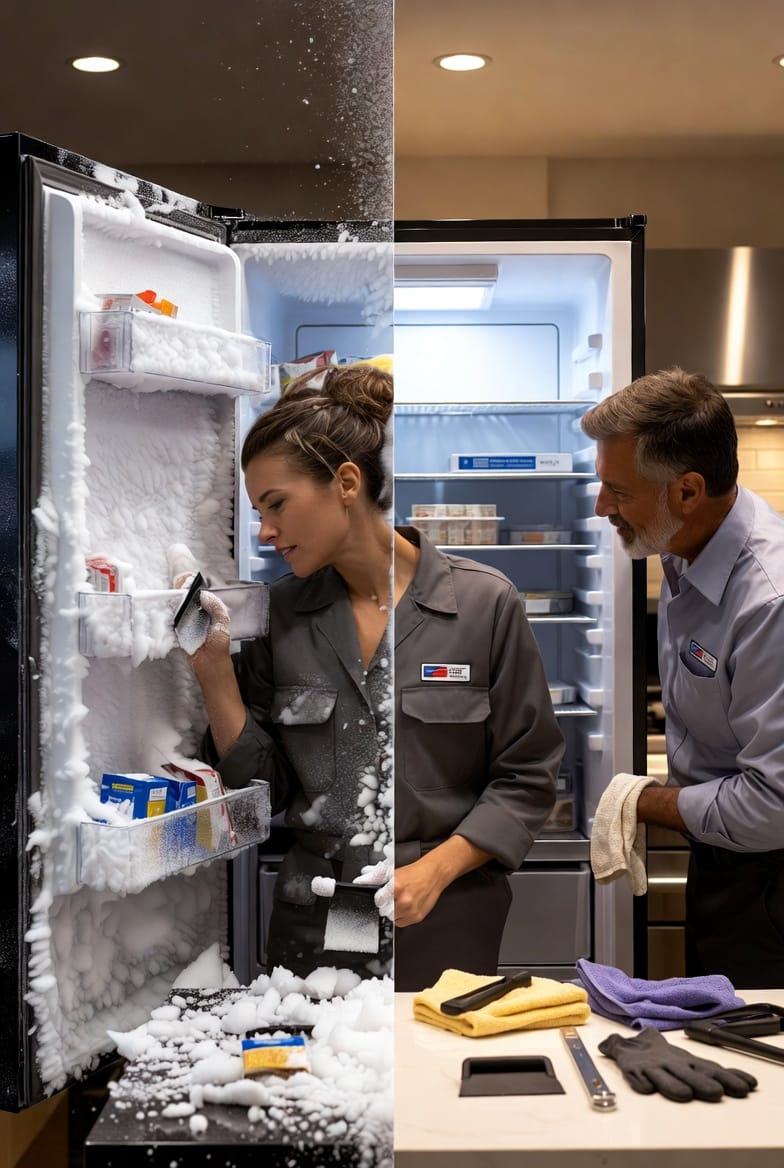
When frost buildup becomes unmanageable, manual defrosting is the reliable solution. The process is straightforward when done correctly and can restore your freezer to peak performance in just a few hours. Follow these detailed steps for best results:
- Prepare in advance: Plan ahead by moving perishable items to a cooler with ice packs or another freezer. Unplug the appliance or turn off the circuit breaker to ensure safety.
- Remove all contents: Take out every item, shelf, and basket. This gives you full access and prevents damage to food or plastic components.
- Protect the floor: Place thick towels or shallow pans around the base to catch melting water and prevent slips or floor damage.
- Speed up the process safely: Place bowls of hot (not boiling) water inside the freezer and close the door. The steam helps melt ice faster. You can also use a fan directed inside for gentle airflow – never use hairdryers on high heat or sharp tools that could puncture coils.
- Scrape gently: Once ice softens, use a plastic scraper or wooden spatula to remove it carefully. Work from top to bottom to let gravity assist.
- Thorough cleaning: Wipe down all surfaces with a solution of equal parts warm water and white vinegar. This natural cleaner removes odors and kills bacteria without harsh chemicals.
- Dry completely: Use clean towels to absorb every drop of moisture. Any remaining water will refreeze instantly once power is restored.
- Inspect components: While everything is accessible, check door seals, coils, and drainage areas for issues.
- Reassemble and test: Replace shelves and food only after the interior is bone-dry. Plug the unit back in and monitor temperature for several hours.
- Monitor results: Keep the door closed for at least 24 hours to allow the temperature to stabilize.
Safety first: Always prioritize unplugging the unit and avoiding electrical hazards. Proper manual defrosting typically takes 2-6 hours depending on frost thickness and freezer size. The result? A more efficient appliance that runs quieter and uses less energy.
When to Call a Professional Technician
While many cases respond well to manual defrosting, certain situations call for expert help. Contact a qualified technician if you notice:
- Persistent frost returning within days of defrosting
- Unusual noises, warm spots, or constant running
- Visible damage to seals, coils, or interior liners
- Electrical issues or error codes on digital models
Professionals bring specialized tools, genuine parts, and years of experience to diagnose underlying problems quickly and correctly.
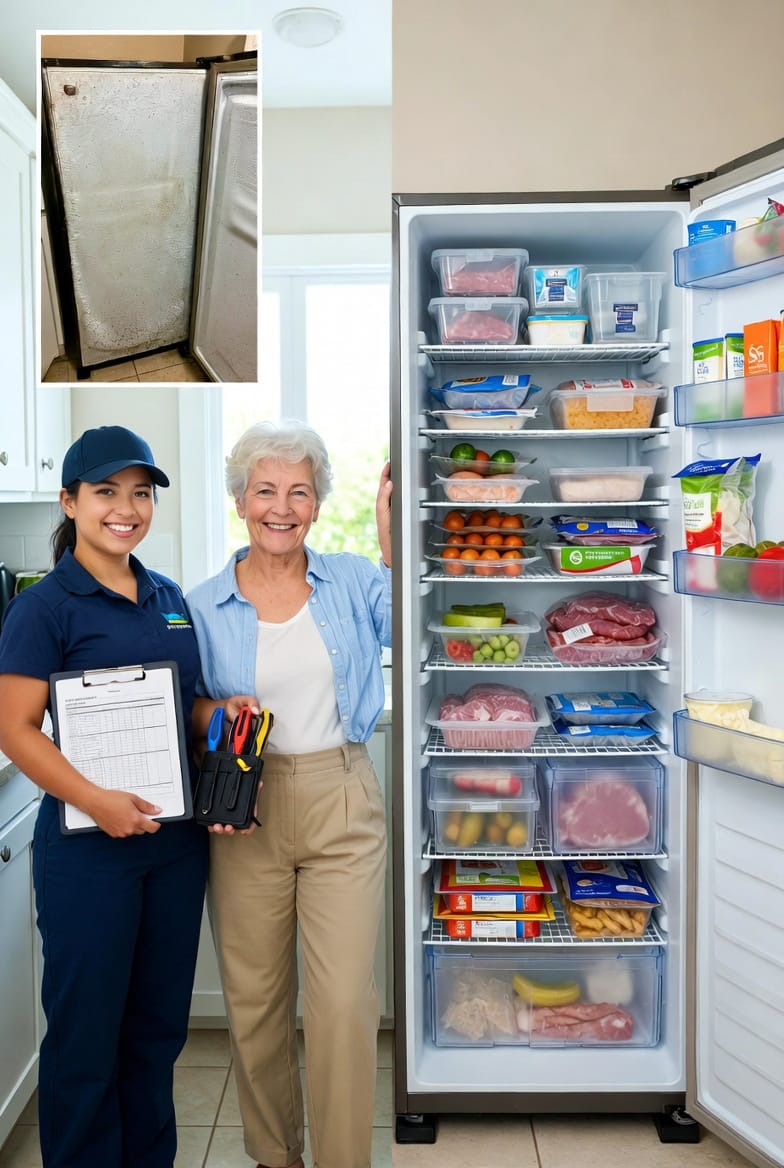
Prevention Strategies for Long-Term Frost-Free Operation
Prevention is far easier than repeated defrosting. Incorporate these habits to keep frost buildup at bay:
- Check door seals monthly: Close a dollar bill or paper in the door and tug gently. If it slides out easily, the seal needs cleaning or replacement.
- Minimize door openings: Plan ahead before reaching in. Limit time the door stays open to under 30 seconds when possible.
- Avoid overfilling: Leave space for air to circulate freely around packages.
- Maintain proper room conditions: Keep the kitchen well-ventilated and avoid placing the freezer near heat sources or in direct sunlight.
- Schedule annual deep maintenance: Even with automatic defrost, a yearly manual check keeps everything optimal.
- Organize with purpose: Use bins and labels so you find items quickly without prolonged searching.
- Monitor humidity levels: A dehumidifier in especially moist kitchens can make a noticeable difference.
Consistent prevention not only eliminates frost buildup but also extends your appliance’s lifespan and improves energy efficiency. Small daily habits create big long-term savings.
The Benefits of a Frost-Free Freezer
Beyond the obvious space gains, a well-maintained freezer preserves food quality longer, reduces energy costs, and gives you confidence that your appliance is performing at its best. Families report fewer spoiled items and quieter operation after implementing these strategies.
Final Advice: Banish Freezer Frost for Good
You now have everything you need to tackle freezer frost buildup confidently – from identifying causes to mastering manual defrosting and locking in prevention. Don’t let ice steal your time or money any longer.
Say Goodbye to Freezer Frost Permanently – Call Now