The Flour Beetle in Pet Food: Protecting Your Animal's Food Storage
Flour beetles can turn your pet's nutritious dry food into a contaminated mess faster than you might expect. These resilient pantry pests are a common challenge for pet owners who store large bags of kibble, treats, and supplements. Understanding how flour beetles infest pet food, recognizing the warning signs, and implementing effective prevention strategies are essential for safeguarding your animal's health and your home.
Eliminate Flour Beetles Fast – Call for Expert Help Today
At our professional pantry pest control service, we help families protect their pets every day. This comprehensive guide equips you with authoritative, practical knowledge to keep your pet food storage pest-free.
Understanding Flour Beetles and Their Threat to Pet Food
Flour beetles, particularly the red and confused varieties, thrive in dry stored products. While they commonly target pantry staples like flour and cereals, dry pet food represents an ideal environment due to its high nutritional content and often bulk storage.
These small, reddish-brown insects measure about 1/8 inch long. They reproduce rapidly in warm, humid conditions typical of many kitchens and garages. A single female can lay hundreds of eggs directly in or near food sources, leading to quick population growth.
Key risks of flour beetle infestation in pet food include:
- Nutrient degradation: Beetles and their larvae consume and contaminate the food, reducing its nutritional value.
- Potential allergens and pathogens: Frass (insect waste) and shed skins can trigger sensitivities in pets or humans.
- Secondary infestations: One pest problem often attracts others like moths or ants.
Protecting your pet's food isn't just about convenience—it's about ensuring their long-term wellness and avoiding unnecessary veterinary visits.
How Flour Beetles Infest Dry Pet Food
Flour beetles enter homes primarily through contaminated commercial products from stores. Bulk purchases of pet food increase risk because larger bags take longer to use, giving pests time to develop.
Once inside, beetles exploit tiny openings in packaging. They chew through thin plastic or paper bags and migrate to nearby storage areas. Warm temperatures accelerate their life cycle from egg to adult in as little as 30-40 days.
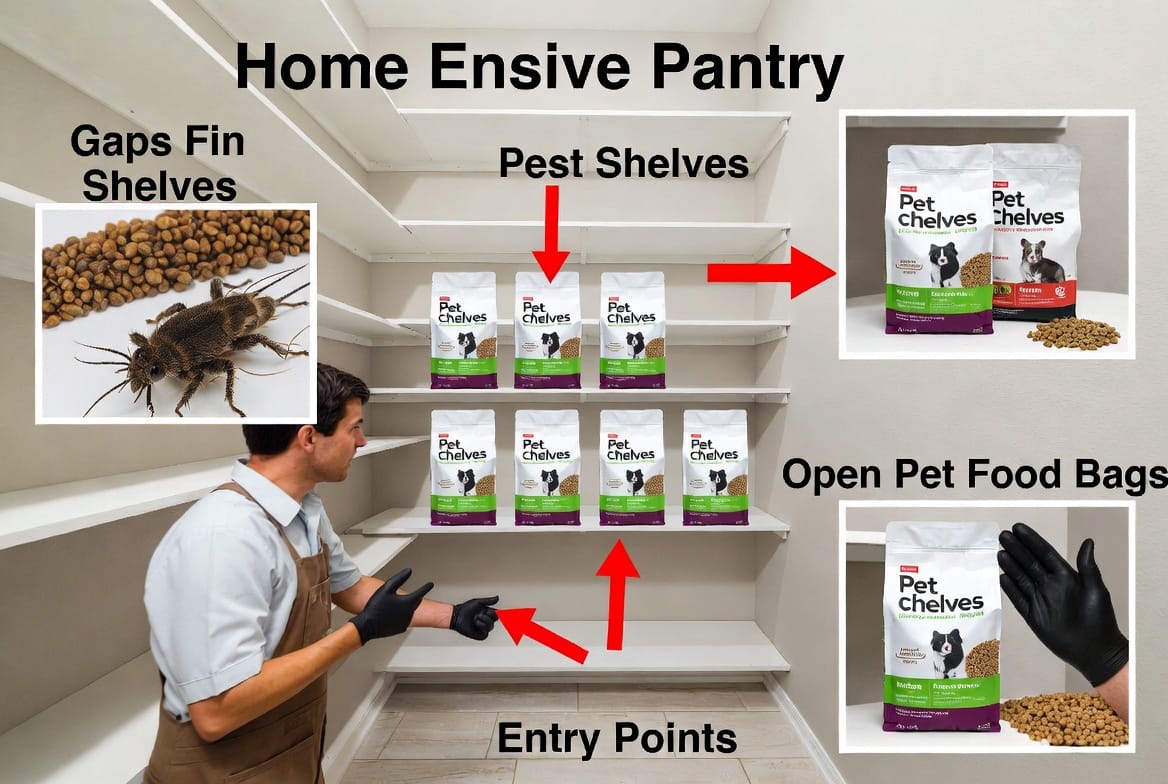
Common entry points include:
- Factory packaging defects or warehouse storage issues.
- Open garage or pantry doors allowing flying adults to enter.
- Transfer of infested items from one storage spot to another.
Early detection prevents small problems from becoming major infestations that require extensive professional intervention.
Recognizing the Signs of Flour Beetle Activity in Pet Food
Vigilance is your first line of defense. Look for these clear indicators:
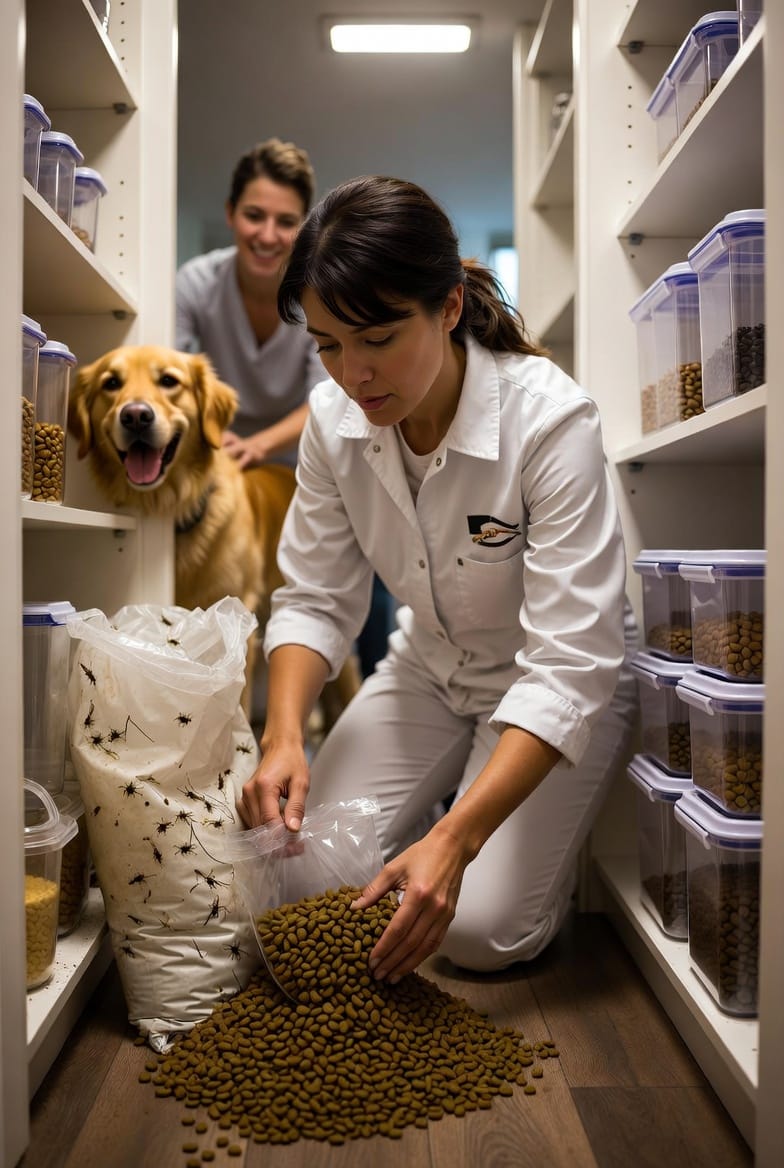
- Live or dead beetles crawling in or around the food bag.
- Webbing or clumping: Larvae produce silk-like threads that cause food particles to stick together.
- Fine dust or frass: A powdery residue at the bottom of containers signals larval feeding.
- Unusual odors: Musty or sour smells emanating from storage areas.
- Holes in packaging: Visible chew marks on bags or boxes.
If you notice these signs of flour beetles, act immediately. Discard affected food safely and inspect surrounding areas thoroughly.
Pro tip: Shake pet food bags gently over a white surface to reveal hidden pests before storing.
The Impact on Your Pets and Household
Pets can suffer from consuming contaminated food. Symptoms might include digestive upset, reduced appetite, or skin irritations from allergens in infested products. For multi-pet households or those with sensitive animals, risks multiply quickly.
Beyond pets, flour beetles can spread to human food storage, creating a broader pantry pest issue. Professional intervention restores peace of mind and prevents cross-contamination.
Effective Prevention Strategies for Pet Food Storage
Prevention combines smart habits with reliable techniques. Here’s how to safeguard your pet’s food:
- Use airtight containers: Transfer new pet food immediately into heavy-duty plastic or glass containers with secure lids. This blocks beetle access and maintains freshness.
- Buy smaller quantities: Purchase only what your pet will consume within 4-6 weeks to minimize storage time.
- Inspect before buying: Check packaging for damage, holes, or pests at the store. Avoid deeply discounted bulk items that may have sat longer.
- Store in cool, dry locations: Keep food away from direct sunlight, heat sources, and humidity. Basements or garages need extra monitoring.
- Regular rotation and cleaning: Use older food first (FIFO method) and vacuum storage shelves frequently.
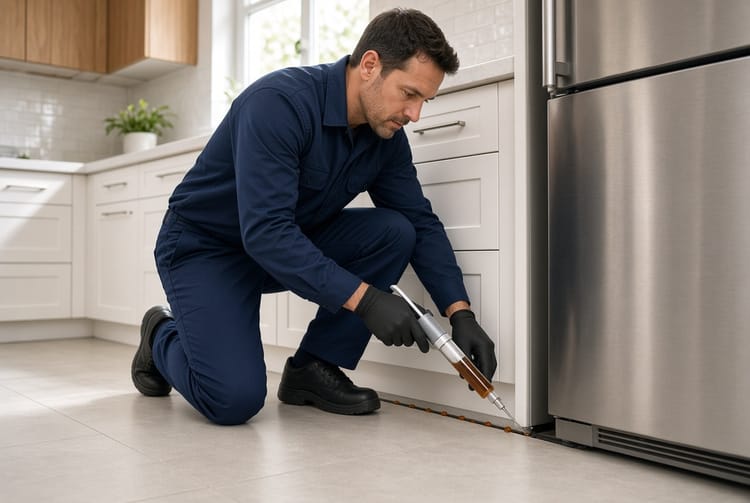
- Seal entry points: Caulk cracks around pantries and windows to limit pest migration.
Consistent application of these steps dramatically reduces infestation risks.
Deep Dive: Life Cycle and Behavior of Flour Beetles
To outsmart these pests, know their biology. Flour beetle eggs are tiny and white, nearly invisible in granular pet food. Larvae are worm-like and feed voraciously for weeks before pupating into adults.
Adults fly short distances and are attracted to light, often appearing near windows. They can survive several months without food but prefer protein-rich environments like premium pet kibble.
Environmental factors accelerating growth:
- Temperatures between 75-85°F (24-29°C)
- Humidity above 60%
- Poorly sealed storage
Understanding this cycle empowers proactive rather than reactive management.
Professional Pantry Pest Control: When to Call Experts
While home prevention works for minor issues, established infestations demand professional expertise. Our technicians use targeted, pet-safe treatments to eliminate beetles at all life stages without compromising food safety.
We conduct thorough inspections, identify source points, and provide customized prevention plans tailored to pet households. Integrated pest management ensures long-lasting results with minimal chemical use.
Benefits of professional service:
- Fast, effective elimination
- Safe around pets and children
- Preventive follow-up recommendations
- Peace of mind for the entire family
Additional Tips for Long-Term Pet Food Protection
Enhance your defense with these advanced practices:
- Freezing new bags: Place unopened pet food in the freezer for 48 hours to kill any eggs before storage.
- Labeling and dating: Mark containers with purchase dates for easy rotation.
- Elevated storage: Use shelving to keep containers off the floor.
- Monitor with traps: Non-toxic pheromone or sticky traps help detect early activity.
- Regular pantry audits: Schedule monthly checks as part of home maintenance.
Small habits yield significant protection over time.
Common Myths About Pantry Pests in Pet Food
Myth: Only old food gets infested.
Reality: Even fresh packages can harbor eggs from the supply chain.
Myth: Cleaning with bleach solves everything.
Reality: Thorough vacuuming and disposal of infested material are more effective, followed by proper sealing.
Myth: Pets will avoid eating infested food.
Reality: Many animals consume contaminated kibble unknowingly, risking health.
Rely on evidence-based approaches rather than assumptions.
Creating a Pest-Resistant Home Environment
Beyond food storage, maintain overall home hygiene. Regular vacuuming, proper waste management, and addressing moisture issues create an inhospitable environment for pests.
For pet owners, designate specific "pet supply zones" with easy-to-clean surfaces and dedicated storage solutions.
Success Stories: Real Families Protecting Their Pets
Many clients report complete resolution after professional treatment and following prevention protocols. One family with multiple dogs avoided recurring issues by switching to airtight storage and smaller bag sizes, saving money on wasted food and vet bills.
Your situation is solvable with the right knowledge and support.

Maintaining Vigilance Year-Round
Pest activity peaks in warmer months but can occur anytime indoors. Stay consistent with inspections regardless of season.
Combine these strategies with periodic professional assessments for optimal results, especially in homes with large pet food inventories.
Conclusion: Secure Your Pet's Food Today
Flour beetles in pet food are manageable with informed action and expert help when needed. By prioritizing airtight storage, regular inspections, and prompt response to signs, you protect your animal companions and maintain a clean, healthy home.
Keep pet food pest-free and give your pets the fresh nutrition they deserve.
Keep Pet Food Pest-Free – Call Now for Professional Treatment