The Flour Beetle in Birdseed: Protecting Wild Bird Food
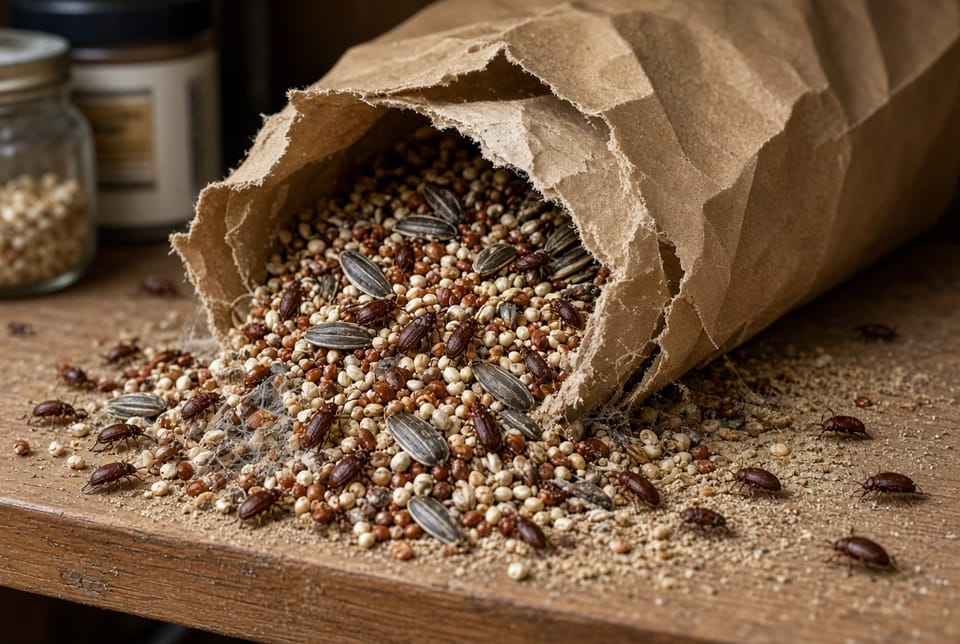
Imagine stepping into your kitchen one quiet morning, ready to refill the backyard bird feeders that bring so much joy to your daily routine. You reach for the familiar bag of mixed wild birdseed stored in the pantry, only to notice something unsettling. Tiny reddish-brown insects scurry across the surface of the seeds. A fine, dusty powder coats the bottom of the bag, and delicate strands of webbing cling to the corners. This is not an isolated incident. It is a classic encounter with the flour beetle in birdseed, a pantry pest that quietly turns nutritious wild bird food into a contaminated mess.
Stop Flour Beetles in Birdseed Today – Call for Expert Help!
Flour beetles, specifically the red flour beetle and the confused flour beetle, rank among the most persistent invaders of dry food products. When they target birdseed, the problem extends beyond a simple nuisance. Contaminated seed can discourage the very birds you want to attract, create secondary pest issues in the home, and waste money on spoiled supplies. Understanding exactly how these insects establish themselves, recognizing the early signs of infestation, and applying proven prevention strategies allows any bird lover to keep their seed supply clean, fresh, and inviting. This guide walks through a realistic household scenario, explains the biology and behavior of the pest, details clear detection methods, and presents practical steps that restore control without unnecessary complexity.
A Familiar Household Scenario Unfolds
Consider the experience of a typical suburban homeowner who maintains several feeders throughout the year. Bags of sunflower seeds, millet, and cracked corn are purchased in bulk during seasonal sales and stored in the garage or pantry for convenience. One mild spring afternoon the homeowner notices fewer birds visiting the feeders. Upon closer inspection of the storage area, the source becomes obvious: adult flour beetles crawling freely over an opened bag, larvae tunneling through the seed kernels, and a distinctive musty odor rising from the contents. The discovery is alarming yet entirely preventable once the entry points and life cycle are understood.
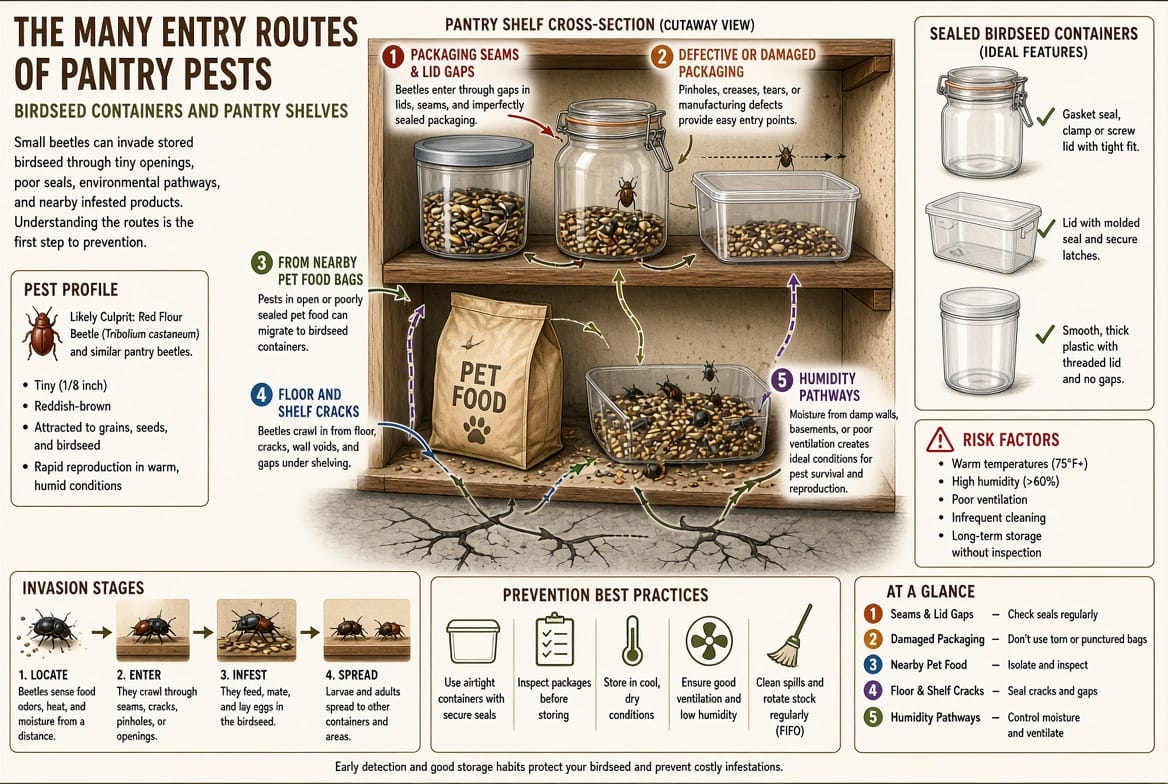
Flour beetles do not appear by magic. They arrive through small openings in packaging, ride in on already-infested products purchased from retailers, or migrate from nearby sources such as pet food, flour, or cereal stored in the same cupboard. Once inside a bag of birdseed, the warm, nutrient-rich environment allows rapid population growth. Females lay dozens of eggs that hatch into active larvae. These larvae feed directly on the seed endosperm, creating the telltale dust and eventually pupating into more adults. Within a few weeks a handful of beetles can multiply into hundreds, turning an entire supply of wild bird food into an unsuitable offering.
How Flour Beetles Successfully Infest Birdseed
The pathway of infestation follows a predictable sequence. Birdseed often contains a blend of grains and seeds that closely resemble the preferred diet of flour beetles. Tiny cracks or imperfect seals on commercial packaging provide the first opportunity for entry. Adult beetles, measuring only a few millimeters in length, slip through these gaps with ease. Once inside, they seek the softer, higher-protein portions of the seed mix. Their presence goes unnoticed at first because the insects prefer the darker, lower layers of the bag.
Temperature and humidity play supporting roles. Storage areas that remain above 70 degrees Fahrenheit accelerate the life cycle. Moisture trapped inside sealed but imperfect packaging further encourages breeding. Over time the beetles produce a fine powder known as frass—a combination of chewed seed particles and insect waste. This dust settles at the bottom of the bag and serves as a clear indicator that feeding has been underway for some time. In advanced cases, the insects spin light webbing that binds clusters of seed together, creating compact, unsightly masses that birds reject.
The risk compounds when multiple bags sit side by side. An infestation in one container quickly spreads to others through crawling adults or airborne particles. Garage storage near dog food or bird feeders themselves can create a continuous cycle if spilled seed remains on the ground. Understanding this process removes the mystery and replaces it with actionable knowledge.
Recognizing the Clear Signs of an Infestation
Early detection prevents small problems from becoming large ones. Three primary signs reliably indicate that flour beetles have taken hold in birdseed.
- Visible beetles: Adult insects appear as small, flat, reddish-brown beetles roughly the size of a grain of rice. They move quickly when disturbed and often cluster near the top of the bag or along seams. Larvae look like tiny, creamy-white worms with darker heads and may be found deeper within the seed mass.
- Powdery dust: A fine, flour-like residue accumulates at the bottom of the container or bag. This dust is the direct result of larval feeding and differs from ordinary seed dust by its uniform texture and slightly bitter odor.
- Webbing: Delicate silk strands or small webbed clumps form where larvae have been active. These structures bind seeds together and give the mixture a matted appearance that healthy birdseed never displays.
Additional subtle clues include a faint musty smell, reduced bird activity at feeders, and the presence of beetles on nearby shelves or walls. Checking new purchases carefully before storage remains the simplest way to intercept problems at the source. Any bag showing even one of these signs should be isolated immediately and inspected thoroughly.
The Impact on Wild Birds and Home Environments
Contaminated birdseed does more than waste product. Birds instinctively avoid food that carries insect activity or unusual odors. Feeders filled with infested seed often sit untouched, reducing the enjoyment and ecological benefits of backyard birding. In some cases the beetles themselves or their waste can introduce secondary issues if the seed is left outdoors for extended periods.
Inside the home the problem extends to pantry integrity. Flour beetles readily move from birdseed into flour, cereal, spices, and pet food. A single overlooked bag can therefore trigger a broader infestation that requires more extensive intervention. The good news is that these insects do not bite humans, transmit disease in typical household settings, or damage structures. Their impact remains limited to dry food products, making targeted prevention highly effective.
Maintaining clean, pest-free birdseed supports both the health of local bird populations and the peace of mind of the homeowner. Fresh seed attracts a greater variety of species, encourages natural foraging behaviors, and keeps the feeding area free of unnecessary waste that might attract other pests.
Proven Prevention Methods That Deliver Results
Prevention rests on three practical, consistently applied habits. Each method addresses a different stage of the infestation cycle and works best when used together.
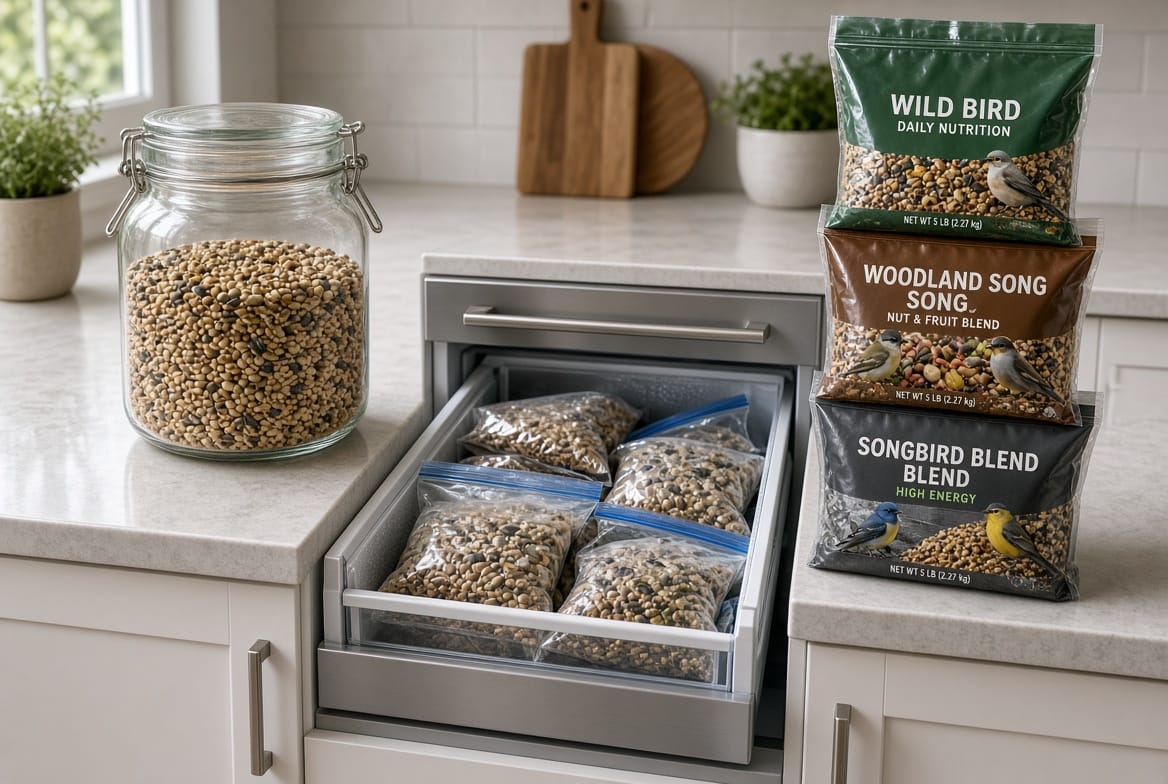
Store birdseed in airtight containers. Transfer newly purchased seed immediately from its original packaging into rigid plastic or glass containers with tight-fitting lids. These barriers eliminate the small gaps that beetles exploit. Opaque containers also reduce light exposure that can degrade seed quality over time. Placing the containers on shelves rather than directly on the floor further limits access from crawling insects.
Freeze seed before use. Subjecting a new bag of birdseed to freezing temperatures for at least 48 hours kills any eggs, larvae, or adult beetles that may have entered during shipping or retail storage. After freezing, allow the seed to return to room temperature inside its sealed bag to prevent condensation. This simple step interrupts the life cycle before the seed ever reaches long-term storage.
Buy in smaller quantities. Large bulk purchases may appear economical, yet they increase the window of opportunity for infestation. Purchasing only the amount that will be used within a few weeks keeps inventory fresh and reduces the volume of seed at risk. Rotating stock so that older seed is used first reinforces this practice.
Additional supporting habits strengthen these core measures. Wipe down storage shelves regularly to remove spilled seed or dust. Inspect all dry goods stored near birdseed at least once a month. Keep the feeding area outdoors clean by sweeping up discarded seed that might attract beetles or other pests. When an infestation is discovered, discard the affected seed in a sealed outdoor trash bag and clean the surrounding area thoroughly before introducing fresh supplies.
Building Long-Term Protection into Daily Routines
Consistency transforms prevention from an occasional chore into an automatic habit. Designate a specific storage location away from heat sources and moisture. Label containers with purchase dates to ensure timely rotation. Consider keeping a small notebook or digital reminder for seasonal checks, especially before periods of heavy bird activity such as migration seasons or winter months when natural food sources diminish.
Homeowners who follow these steps report dramatically fewer problems and greater satisfaction with their bird-feeding efforts. The investment of a few minutes during each purchase and storage cycle pays dividends in cleaner seed, more active feeders, and a pantry free of unwanted insects. Professional assistance becomes necessary only when an infestation has already spread beyond a single product; otherwise, the methods outlined here restore and maintain control effectively.
Why Vigilance Matters for Every Bird Enthusiast
Protecting wild bird food from flour beetles is ultimately an act of stewardship. Healthy seed supports healthier birds, which in turn contribute to balanced local ecosystems. It also preserves the simple pleasure of watching cardinals, chickadees, finches, and other species visit the yard. By treating birdseed with the same care given to human food staples, any household can eliminate a common source of frustration and expense.
The scenario described earlier ends differently when prevention is applied. The homeowner who freezes new seed, transfers it to airtight containers, and buys only what is needed never encounters beetles, dust, or webbing. Feeders remain full of attractive, nutritious food, and the pantry stays orderly. That outcome is available to everyone who adopts the practices detailed in this guide.
Keep birdseed pest-free. When an infestation has already taken hold or when broader pantry concerns arise, professional pantry pest control provides thorough inspection and targeted treatment.
Maintaining fresh, uncontaminated wild bird food is straightforward once the habits become routine. Flour beetles lose their advantage when storage is secure, temperatures are managed through freezing, and quantities remain modest. The result is reliable feeders, contented birds, and a household free from the quiet disruption these small insects can cause.
Call Today for Airtight Pest Control & Beetle-Free Birdseed!