The Fascia Board Connection: Why Rotted Fascia is a Gutter's Worst Enemy and How to Fix It Permanently
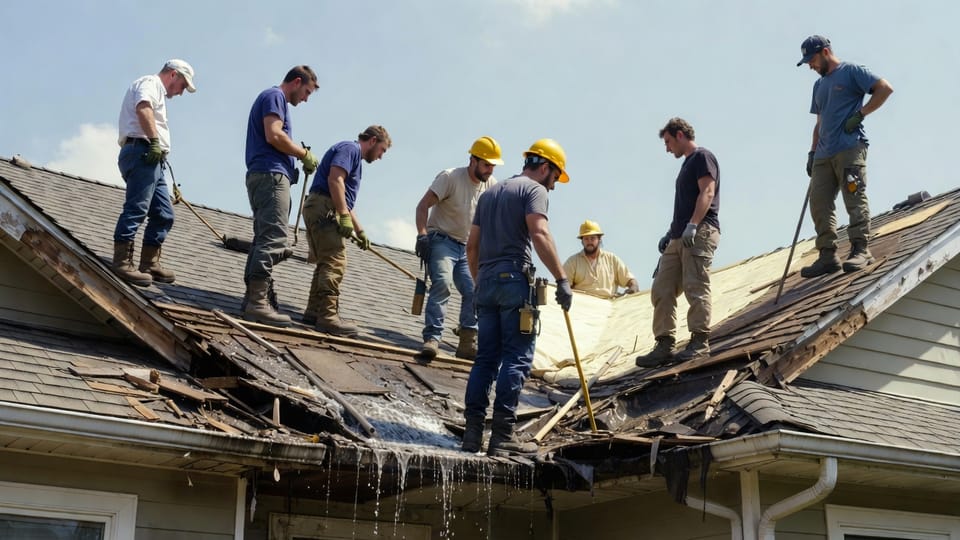
As homeowners, we often overlook the silent guardians of our roofs: the fascia boards and gutters. These essential components work tirelessly to protect our homes from water damage, but when they fail, the consequences can be severe. Imagine waking up to a leaky ceiling or discovering structural weaknesses that compromise your home's integrity. The good news? Understanding the critical link between rotted fascia and gutter failure empowers you to address issues proactively. In this comprehensive guide, we'll explore why rotted fascia spells disaster for your gutters, the common culprits behind this problem, and a proven, permanent fix. Rest assured, with the right knowledge and professional intervention, your home can remain safe and dry for years to come.
End Gutter Failure for Good – Get Expert Help Now
Understanding the Fascia-Gutter Relationship
The fascia board is the vertical finishing edge attached to the ends of your roof rafters. It serves as a mounting point for your gutters, providing structural support while enhancing your home's aesthetic appeal. Gutters, in turn, channel rainwater away from your roof and foundation, preventing erosion, basement flooding, and other water-related woes.
However, this partnership is fragile. When fascia rot sets in, it undermines the entire system. Rot typically stems from prolonged exposure to moisture, turning sturdy wood into a spongy, weakened mess. This decay doesn't just affect appearance; it leads to gutter sagging, detachment, and ultimately, system failure. According to industry experts, untreated fascia rot can accelerate gutter problems, leading to costly repairs that could have been avoided.
Why does this happen? The cycle often begins with seemingly minor issues that snowball into major structural threats. Let's break it down.
The Hidden Dangers: How Gutters Contribute to Fascia Rot
Gutters are designed to handle heavy rainfall, but they're not invincible. Here's how everyday problems escalate into fascia destruction:
- Clogged Gutters and Overflow: Leaves, twigs, and debris accumulate in gutters over time, especially during fall. When clogs form, water can't flow freely through downspouts. Instead, it overflows the gutter's back edge, cascading directly onto the fascia board. This constant wetting-drying cycle promotes wood rot fungi, breaking down the board's fibers. Studies show that even brief exposure to standing water can initiate decay in untreated wood within months.
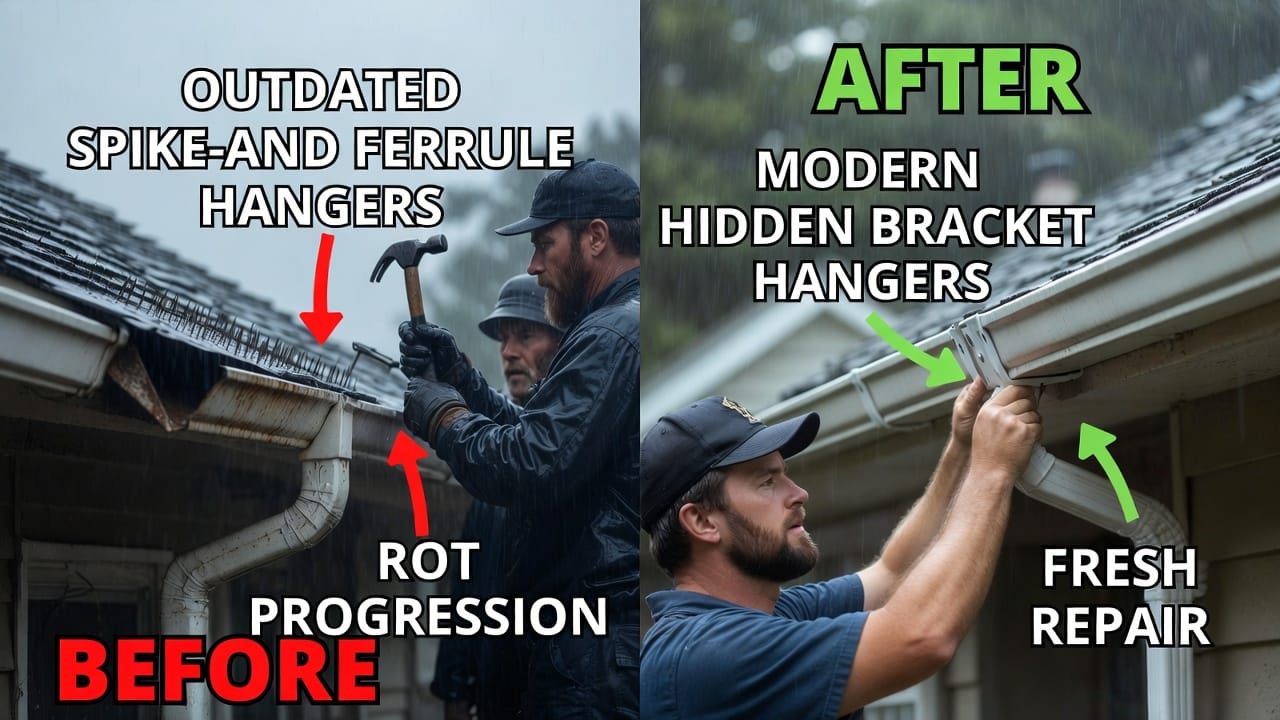
- Improper Installation and Fasteners: Many older homes use spike-and-ferrule systems to attach gutters. These long nails penetrate deep into the fascia and rafters, but they create entry points for moisture. Over time, spikes loosen due to wind, snow loads, or thermal expansion, allowing water to seep in. This accelerates rot, as the holes act like conduits for dampness. In contrast, modern methods avoid such vulnerabilities, but we'll cover those later.
- Lack of Protective Elements: Without a drip edge flashing, water from the roof shingles can drip behind the gutter, soaking the fascia. Combined with poor ventilation or high humidity, this creates a perfect storm for rot. Homeowners in rainy climates, like the Pacific Northwest or Southeast, are particularly at risk, where annual precipitation exceeds 40 inches.
These factors don't just rot the fascia; they compromise your home's structural integrity. Rotted wood can spread to adjacent rafters, trusses, or even siding, leading to sagging roofs, pest infestations, and reduced energy efficiency. The financial toll? Average repairs for fascia and gutter issues range from $500 to $5,000, but ignoring them can double that with added foundation or interior damage.
Rest easy knowing that recognizing early signs—such as discolored wood, soft spots, or peeling paint—can prevent escalation. A professional inspection identifies these red flags before they become emergencies.
Linking Gutter Failure Directly to Structural Wood Rot
Gutter failure isn't isolated; it's a symptom of deeper structural wood rot. When fascia weakens, gutters lose their anchor, pulling away from the roofline. This misalignment causes uneven water flow, exacerbating overflows and directing moisture toward your home's foundation or walls.
Consider this: A sagging gutter section can dump thousands of gallons of water annually against your exterior. This saturation seeps into wood framing, fostering mold growth and termite activity. Structural engineers warn that untreated rot reduces wood's load-bearing capacity by up to 50%, risking roof collapse in severe cases.
Real-world examples abound. In a recent case study from a Midwest roofing association, a homeowner's neglected gutters led to fascia rot that extended into the attic, causing $15,000 in repairs. The root cause? Clogged downspouts and outdated spikes allowing persistent moisture intrusion.
By addressing the fascia-gutter connection, you safeguard not just your roof but your entire home. It's about fixing the root cause, not band-aid solutions like temporary patches.
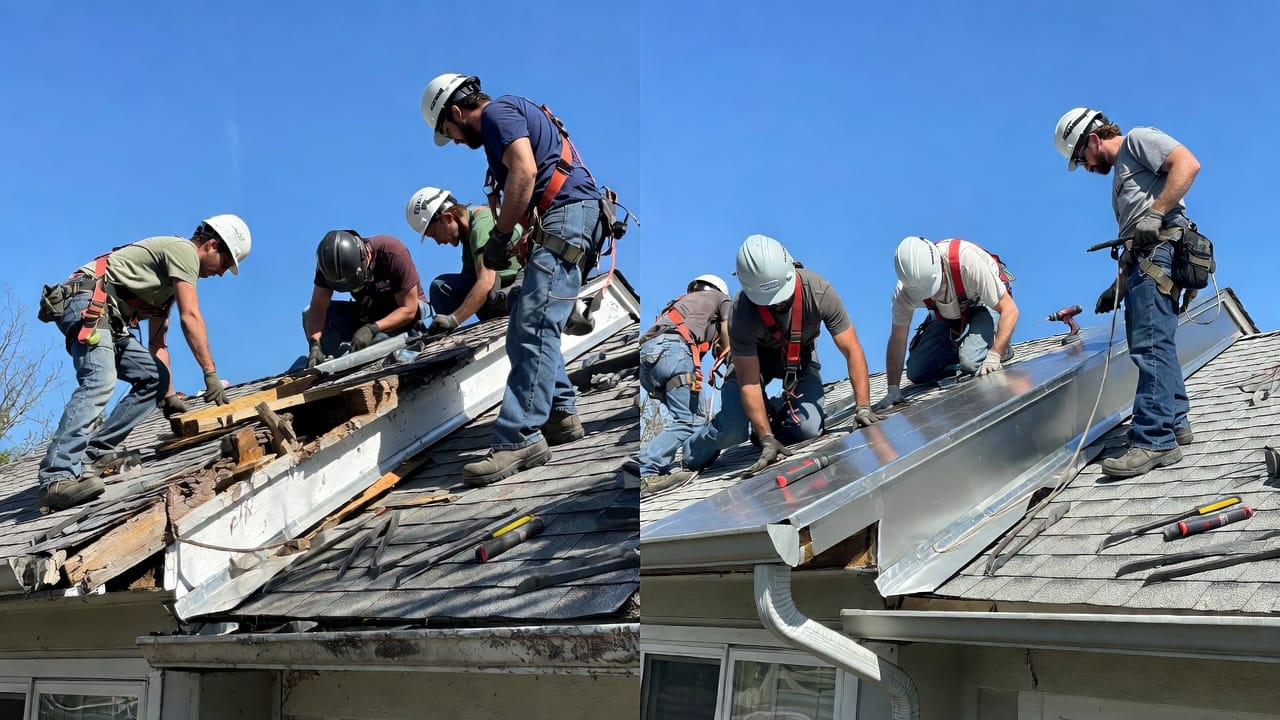
The Correct Repair Sequence: A Step-by-Step Guide to Permanent Fixes
Tackling rotted fascia and failing gutters requires a methodical approach. Rushing to rehang gutters without replacing damaged wood is like building on sand—it won't last. Here's the authoritative, proven sequence for a durable repair:
Step 1: Assess and Replace Rotted Wood
- Begin with a thorough inspection. Look for soft, crumbling areas or visible mold.
- Remove affected fascia sections carefully to avoid damaging surrounding materials. Use pry bars and saws for clean cuts.
- Install new, pressure-treated or composite fascia boards. These resist moisture better than standard lumber, extending lifespan by 20-30 years.
- Seal joints with high-quality caulk to prevent future water entry.
This foundational step ensures a solid base, preventing recurrent issues.
Step 2: Install New Drip Edge Flashing
- A drip edge is a metal strip that directs water from shingles into the gutter, bypassing the fascia.
- Slide the drip edge under the shingles and over the new fascia, nailing it securely.
- Choose aluminum or galvanized steel for corrosion resistance.
- This simple addition can reduce fascia exposure to water by 90%, per roofing standards.
Without it, even new fascia is vulnerable—don't skip this critical barrier.
Step 3: Attach Gutters with Hidden Hangers
- Ditch outdated spike-and-ferrule methods; they puncture wood repeatedly, inviting rot.
- Opt for hidden bracket hangers. These clip inside the gutter and screw into the fascia at intervals, distributing weight evenly without deep penetrations.
- Space hangers every 24-36 inches for optimal support.
- Ensure gutters slope toward downspouts (1/4 inch per 10 feet) for efficient drainage.
This modern technique minimizes rot risks while providing superior stability against wind and ice.
By following this sequence, you achieve a permanent fix. Professional installers complete this in a day or two, minimizing disruption. Materials like vinyl or seamless aluminum gutters enhance longevity, resisting clogs and leaks.
Common Mistakes to Avoid in Fascia and Gutter Repairs
Even well-intentioned DIY efforts can go awry. Here are pitfalls to steer clear of:
- Ignoring Underlying Rot: Patching over decayed wood leads to rapid re-failure.
- Using Inferior Fasteners: Sticking with spikes accelerates damage; always upgrade to hidden systems.
- Skipping Professional Help: Complex roofs or extensive rot require expertise to avoid safety hazards.
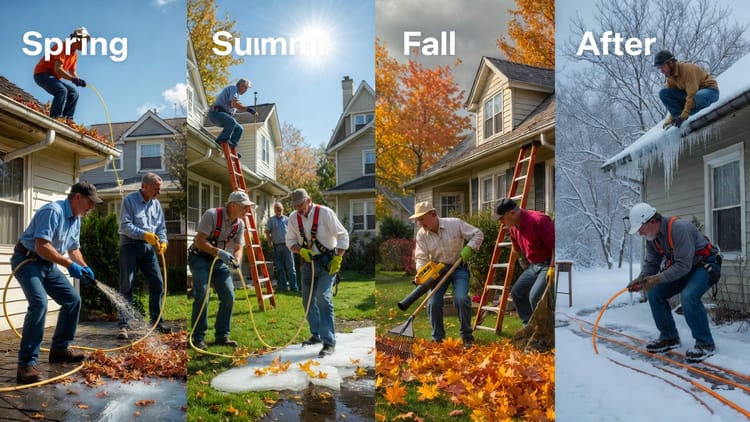
- Neglecting Maintenance: Post-repair, clean gutters biannually and inspect annually.
Avoiding these ensures your investment pays off.
Preventive Measures for Long-Term Protection
Prevention is your best defense against fascia rot and gutter woes. Implement these strategies:
- Install gutter guards to block debris, reducing clogs.
- Trim overhanging trees to minimize leaf buildup.
- Ensure proper roof ventilation to control humidity.
- Schedule annual inspections, especially after storms.
These habits extend your system's life, saving money and hassle.
Why Professional Assistance Matters
While DIY appeals to some, fascia and gutter repairs demand precision. Licensed contractors bring tools, experience, and warranties, ensuring compliance with building codes. They spot hidden issues, like rot in hard-to-reach areas, that amateurs might miss.
In regions with extreme weather, such as hurricanes or heavy snow, professional reinforcements are crucial for resilience.
The Broader Impact on Home Value and Safety
A well-maintained fascia-gutter system boosts curb appeal and property value. Appraisers note that updated exteriors can increase resale prices by 5-10%. More importantly, it protects your family's safety, preventing slips from leaks or structural failures.
Investing here is investing in peace of mind.
Call to Action: Secure Your Home Today
Don't let rotted fascia undermine your gutters—fix the root cause, not just the symptom. Schedule a professional fascia and gutter assessment today.
Safeguard Your Roofline from Water Damage – Call Today