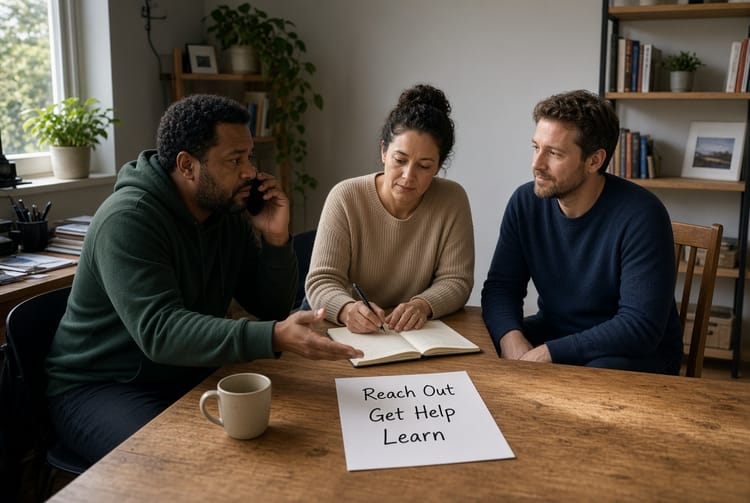
The Family Education Program: Understanding Addiction as a Disease
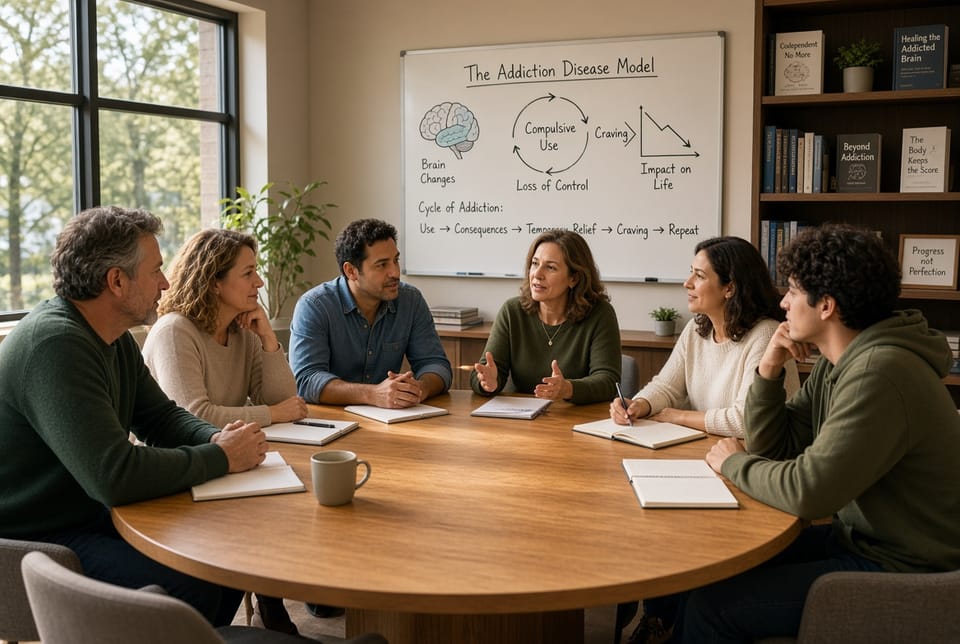
When a loved one struggles with substance use, the entire family feels the impact. Confusion, fear, guilt, and frustration often surface, leaving relatives unsure how to respond or how best to help. The Family Education Program exists to change that experience. This specialized family support service equips parents, spouses, siblings, and other relatives with clear, evidence-based knowledge so they can become confident partners in the recovery journey. By focusing on four core pillars—addiction as a disease, the recovery process, communication skills, and boundary setting—the program transforms uncertainty into purposeful action.
Join Our Family Education Program Today – Call Now!
Families who understand these principles stop blaming themselves or their loved one and start offering the steady, informed support that research shows improves long-term outcomes. This article explores exactly what the Family Education Program covers and why every family touched by addiction benefits from learning these essential lessons.
Why Families Must Understand Addiction to Support Recovery Effectively
Addiction rarely stays confined to one person. It reshapes household routines, strains relationships, and creates cycles of crisis and temporary relief. Without accurate information, families may unintentionally enable continued use, express frustration in ways that increase shame, or withdraw completely. Each of these responses can delay healing.
When relatives grasp that addiction is a chronic brain disease—not a moral failing or simple lack of willpower—they shift from judgment to compassion. They recognize that recovery is a process requiring medical, psychological, and social support rather than a single decision to “just stop.” This knowledge reduces isolation, strengthens the family unit, and dramatically increases the likelihood that the individual in recovery will remain engaged in treatment.
The Family Education Program delivers this understanding in a structured, supportive environment. Participants leave each session with practical tools they can apply immediately, creating a home atmosphere that reinforces rather than undermines progress.
Addiction as a Disease: The Foundation of Family Education
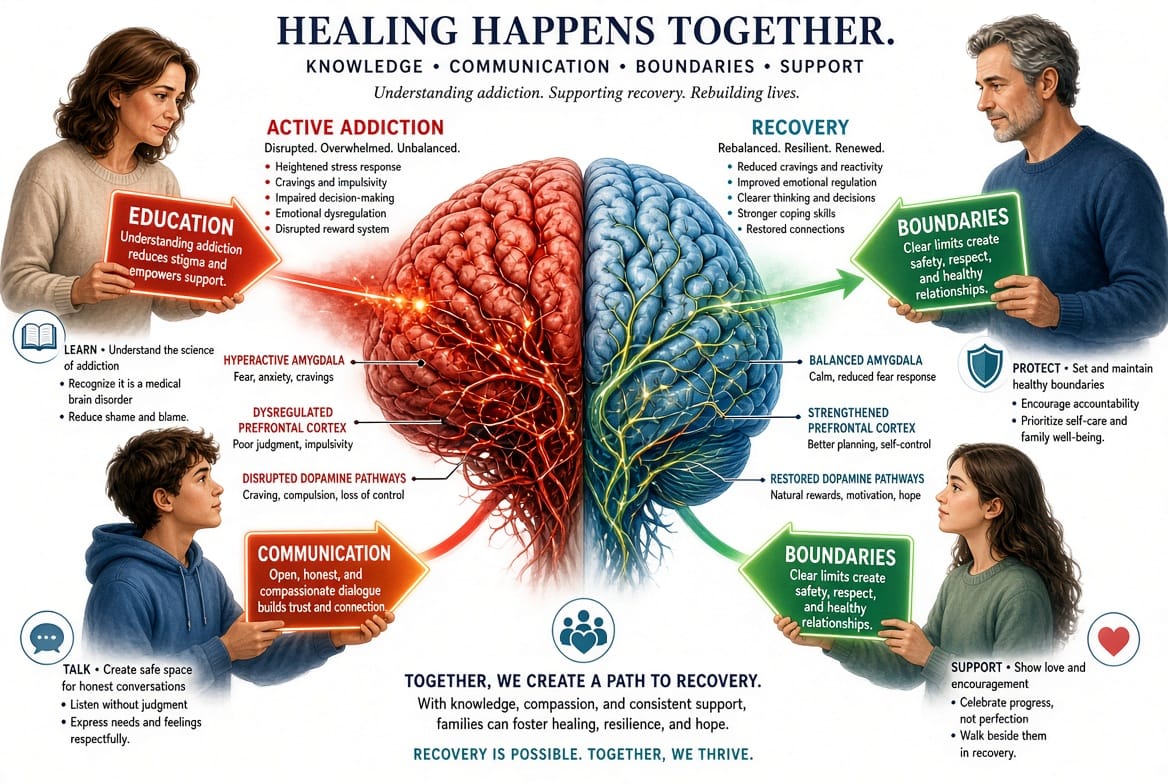
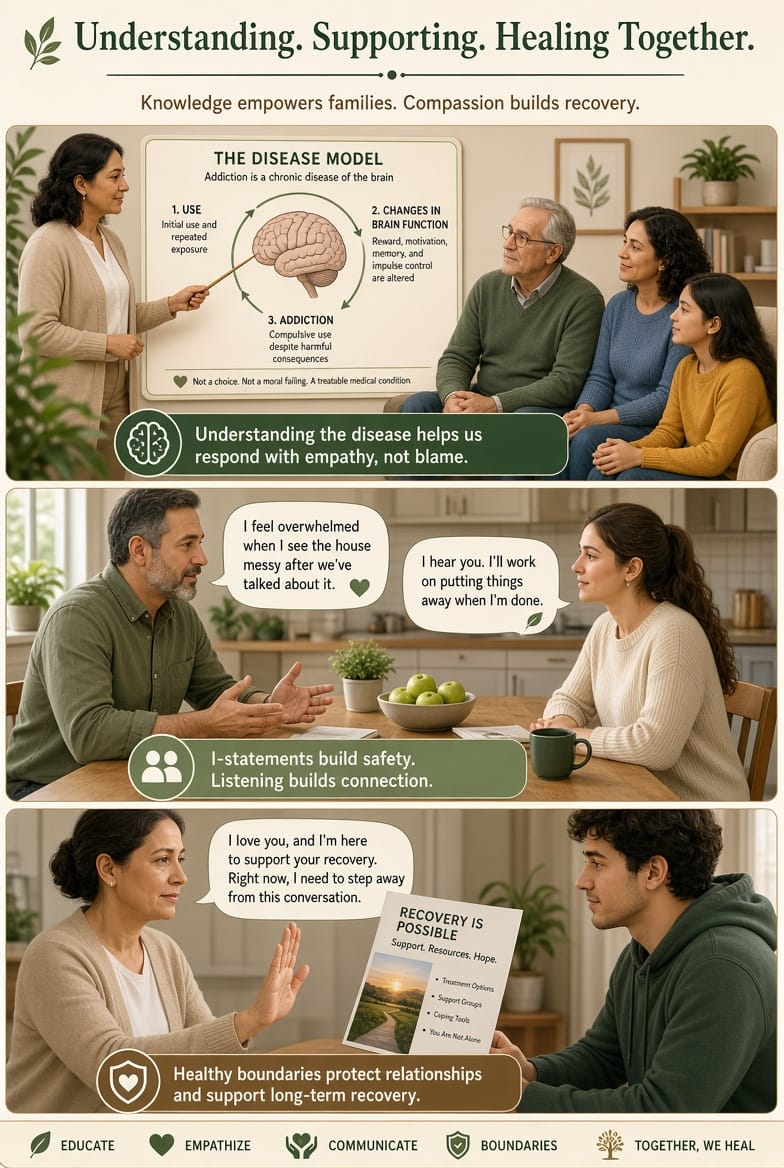
The first and most transformative module centers on the disease model of addiction. Participants learn how repeated substance use alters brain structure and function, particularly in areas responsible for reward, motivation, memory, and impulse control. These changes explain why a person continues using despite severe consequences and why willpower alone is rarely enough.
Counselors present the science in accessible language, illustrating how genetic predisposition, environmental stressors, and early exposure interact to increase vulnerability. Families discover that addiction meets the medical criteria of a chronic illness: it is progressive without intervention, involves measurable biological changes, and responds to ongoing management similar to diabetes or hypertension.
This perspective removes the heavy burden of blame. Relatives stop asking “Why can’t they just quit?” and begin asking “How can we support effective treatment?” Understanding the disease model also helps families recognize withdrawal, craving, and post-acute withdrawal symptoms as expected medical phenomena rather than personal weakness. Armed with this insight, they become allies who encourage professional care instead of opponents who demand immediate perfection.
Key risks of remaining uninformed include prolonged enabling, increased family conflict, and higher rates of relapse for the individual in recovery. The program counters these risks by replacing myths with facts and fostering a shared language of hope and science.
The Recovery Process: What Families Need to Know
Recovery is not a single event; it is a continuous journey that unfolds in stages. The Family Education Program walks participants through each phase so they know what to expect and how to respond constructively.
Early recovery often involves detoxification, residential or intensive outpatient treatment, and the establishment of new daily routines. Families learn the importance of medical supervision during withdrawal, the role of therapy in addressing underlying trauma or mental health conditions, and the value of peer support groups. They also explore the concept of post-acute withdrawal, a period lasting months when mood swings, sleep disturbances, and concentration difficulties may still occur even after the substance is no longer present.
Middle and long-term recovery emphasize skill-building, relapse prevention, and the gradual rebuilding of trust. Participants discover how aftercare planning, sober living options, and ongoing counseling contribute to sustained success. Crucially, families learn that setbacks can occur without signaling total failure. Viewing a lapse as a learning opportunity rather than a catastrophe helps everyone stay engaged rather than abandoning hope.
Throughout these discussions, counselors emphasize that recovery thrives when the home environment becomes a place of structure, encouragement, and realistic expectations. Families leave with concrete strategies for celebrating milestones, managing high-risk situations, and maintaining their own self-care so they do not burn out.
Communication Skills That Strengthen Connection
Even the most loving families can fall into unhelpful patterns when addiction is present. Criticism, lectures, silent treatment, or frantic questioning often replace genuine dialogue. The Family Education Program dedicates significant time to rebuilding healthy communication.
Participants practice active listening techniques that convey empathy without agreeing with unhealthy choices. They learn to use “I” statements that express concern while reducing defensiveness—“I feel worried when plans change suddenly” rather than “You always let everyone down.” Role-playing exercises allow families to rehearse difficult conversations about treatment participation, household expectations, and emotional needs.
Counselors also address the common trap of arguing during moments of intoxication or high emotion. Families discover the power of timing, choosing calm periods for important discussions, and setting agreements about when and how to revisit sensitive topics. These skills reduce daily tension and create space for the individual in recovery to feel heard rather than attacked.
Improved communication has a ripple effect. Children in the household model healthier interactions, spouses feel less isolated, and extended relatives gain clearer guidance on how to offer support. Over time, the family develops a culture of open, respectful dialogue that sustains recovery long after formal treatment ends.
Boundary Setting: Protecting Everyone While Supporting Change
Perhaps the most practical and immediately useful component of the program is boundary setting. Many families initially confuse love with unlimited tolerance. They may repeatedly rescue a loved one from consequences, lend money that enables continued use, or ignore broken promises to keep the peace. These patterns, while well-intentioned, often prolong the illness.
The Family Education Program teaches the difference between enabling and supporting. Enabling removes natural consequences; supporting encourages accountability while offering emotional and practical help toward healthy goals. Participants identify their personal limits—financial, emotional, and physical—and practice communicating those limits calmly and consistently.
Examples include deciding not to cover legal fees related to substance-related offenses, requiring attendance at treatment appointments as a condition for continued residence, or establishing quiet hours that protect everyone’s sleep and well-being. Counselors guide families through writing clear, written agreements so expectations are transparent and revisable as recovery progresses.
Boundaries are framed as acts of self-respect and love rather than punishment. When relatives protect their own health and resources, they model the self-care essential for long-term recovery. They also create an environment in which the individual must confront the real impact of their choices—an essential catalyst for lasting change.
Key phrases families internalize include “I will support your recovery, not your addiction” and “My well-being matters too.” These statements become anchors during stressful moments.
How the Family Education Program Delivers Lasting Results
Sessions combine didactic teaching, interactive discussion, and practical exercises. Small group formats allow participants to share experiences safely while learning from others facing similar challenges. Professional counselors with specialized training in addiction and family systems facilitate every meeting, ensuring accuracy and emotional safety.
Materials include easy-to-read handouts, recommended reading lists, and take-home action plans. Many programs also offer follow-up coaching or alumni groups so families can continue refining skills as circumstances evolve. Because the curriculum is designed specifically for relatives, it addresses the unique emotional landscape of loving someone with a substance use disorder without requiring the individual in recovery to be present at every session.
The result is a more resilient family system. Relatives report decreased anxiety, improved confidence in their responses, and a renewed sense of hope. Individuals in recovery often describe feeling less judged and more genuinely supported, which strengthens their commitment to treatment.
Practical Benefits Families Experience
- Reduced household conflict and crisis frequency
- Greater ability to encourage treatment engagement without coercion
- Clearer understanding of when professional intervention is needed
- Stronger personal self-care habits that prevent caregiver burnout
- Improved relationships among all family members, including children
- Realistic expectations that protect against disappointment and resignation
These outcomes are not theoretical. Families who complete structured education consistently describe feeling empowered rather than helpless—a shift that benefits everyone involved.
Taking the Next Step Toward Understanding and Support
Addiction affects entire households, yet families do not have to navigate it alone or uninformed. The Family Education Program provides the knowledge, skills, and community necessary to turn pain into purposeful partnership. By learning that addiction is a treatable disease, understanding the recovery process, mastering communication, and establishing healthy boundaries, relatives become powerful allies in healing.
Help your family understand addiction. A single phone call can open the door to clarity, connection, and lasting change for everyone you love.
Build Communication Skills & Boundaries – Call Now!