The Equine Therapy: Healing Addiction Through Horse Interaction
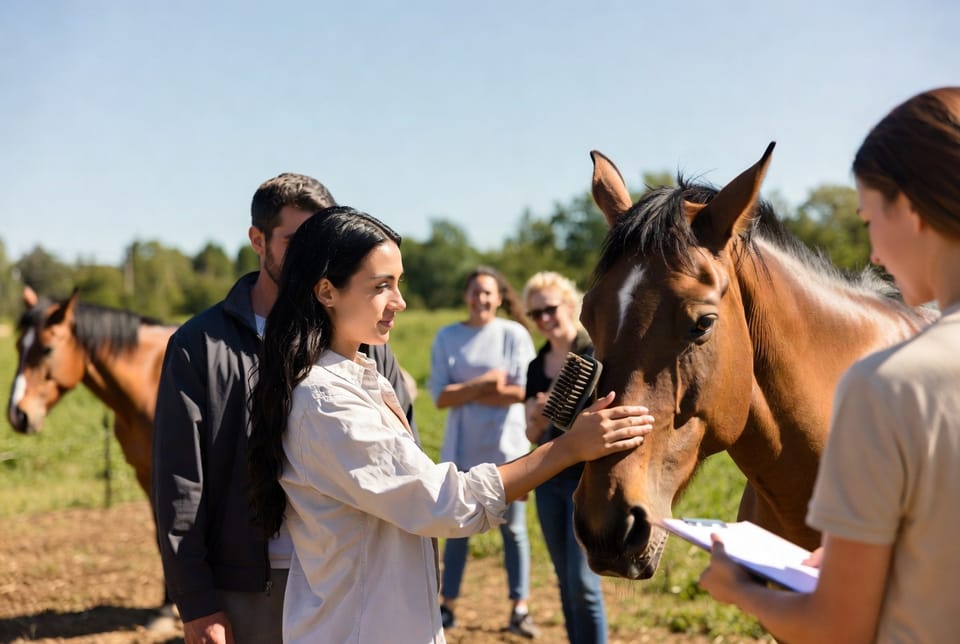
Equine therapy offers a powerful, evidence-based pathway for individuals seeking recovery from addiction. This specialized modality harnesses the unique sensitivity of horses to facilitate profound emotional breakthroughs, rebuild self-trust, and develop essential life skills. At its core, equine-assisted therapy creates a safe, non-judgmental space where clients confront challenges and experience genuine transformation.
Transform Addiction Recovery with Horses – Call Now
If you or a loved one struggles with addiction, know that healing is possible through innovative approaches like working with horses. This comprehensive guide explores how equine therapy for addiction works and why it produces lasting results.
Understanding Equine Therapy in Addiction Recovery
Equine therapy, also known as equine-assisted psychotherapy (EAP), involves structured interactions between clients and horses under the guidance of licensed therapists and equine specialists. Unlike traditional talk therapy, this approach emphasizes experiential learning through direct horse interaction.
Horses are highly intuitive animals with a natural ability to mirror human emotions. They respond immediately to a person's energy, posture, and emotional state. This immediate feedback creates powerful learning opportunities that accelerate personal growth in addiction recovery.
Research consistently shows that equine therapy helps reduce anxiety, improve emotional regulation, and increase self-awareness – all critical components for overcoming substance use disorders.
How Horses Help Build Trust and Emotional Regulation
One of the most significant benefits of equine therapy lies in its capacity to rebuild trust. Many individuals in recovery have experienced broken relationships and deep-seated trust issues. Horses offer a pure, non-verbal form of connection that feels safe and authentic.
When working with a horse, clients must learn to regulate their emotions. A horse will not cooperate with someone who feels anxious, angry, or disconnected. This natural consequence teaches emotional regulation skills that transfer directly to daily life and sobriety maintenance.
Before entering equine therapy, many clients report feeling emotionally numb or overwhelmed. After several sessions, they often describe newfound ability to identify and manage feelings constructively. This shift represents a cornerstone of successful long-term recovery.
The Power of Non-Verbal Communication
Horses communicate primarily through body language. In equine therapy sessions, clients learn to read subtle cues and respond appropriately. This practice strengthens non-verbal communication skills, which many people in addiction recovery need to rebuild.
Learning to communicate effectively without words builds confidence and reduces the misunderstandings that often fuel addictive behaviors. Clients discover they can influence outcomes through calm presence and clear intention rather than force or manipulation.
This non-verbal focus proves especially valuable for trauma survivors, as it bypasses verbal defenses and accesses deeper emotional layers safely.
Developing Accountability Through Horse Interaction
Accountability forms another vital pillar of equine therapy for addiction. Unlike human relationships that may accommodate excuses, horses respond based solely on actions and consistency. If a client fails to follow through with a task like leading a horse properly, the horse will clearly demonstrate the impact.
This immediate, honest feedback loop teaches personal responsibility without shame or judgment. Clients learn that their choices have real consequences – a lesson that reinforces the importance of daily recovery practices.
Therapists guide these experiences, helping clients process insights and integrate them into their recovery journey. The result is stronger self-discipline and commitment to sobriety.
Why Horses Excel as Therapy Animals for Trauma and Addiction
Horses possess several unique qualities that make them exceptionally effective in addiction treatment:
- Sensitivity: They detect subtle changes in human physiology and emotion
- Non-judgmental nature: They offer acceptance without criticism
- Size and presence: Working with large animals builds confidence and overcomes fear
- Herd dynamics: They model healthy social boundaries and leadership
These characteristics create an ideal therapeutic environment for addressing both trauma and addiction simultaneously. Many individuals with substance use disorders also carry unresolved trauma. Equine therapy addresses these interconnected issues holistically.
The Therapeutic Process: What to Expect
A typical equine therapy program begins with an assessment to understand individual needs and goals. Sessions usually last 60-90 minutes and occur in a peaceful ranch or facility setting.
Activities progress gradually from observation to active participation. Clients start by simply being present with the horses, learning to read their behavior. As comfort grows, they engage in more interactive exercises.
Throughout the process, licensed therapists facilitate discussions, helping clients connect their horse interactions to personal challenges and recovery strategies. This integration ensures insights translate into real-world application.
Key Activities in Equine Therapy Programs
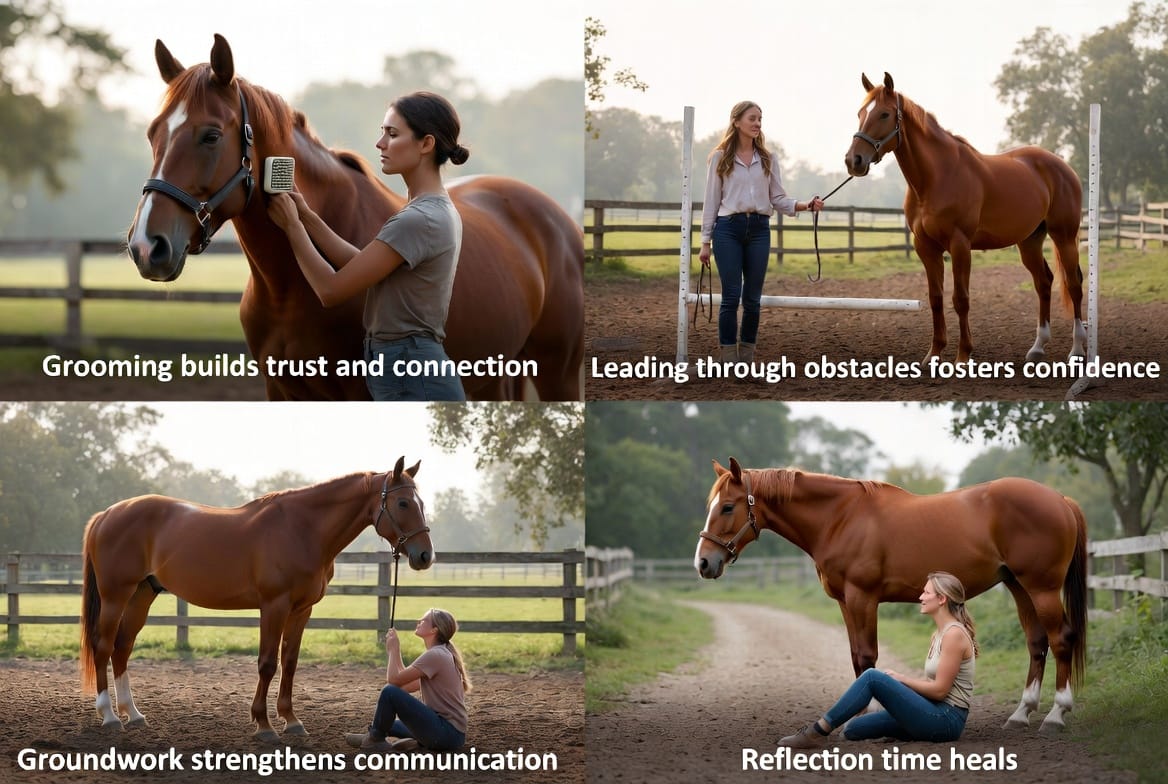
Equine therapy incorporates various structured activities designed to target specific recovery skills:
- Grooming: Building nurturing relationships through care
- Leading: Practicing clear communication and gentle guidance
- Groundwork: Developing confidence through obstacle navigation
- Reflective exercises: Processing emotions and insights
Each activity serves a therapeutic purpose and adapts to individual client needs.
Scientific Evidence Supporting Equine Therapy
Multiple studies validate the effectiveness of equine-assisted interventions for addiction treatment. Participants often report significant reductions in cravings, improved mood stability, and stronger coping mechanisms after completing programs.
Neuroimaging research suggests that interactions with horses can activate brain regions associated with emotional processing and social connection. These neurological changes support the rewiring necessary for sustained recovery.
Equine therapy complements traditional treatment methods beautifully. Many programs integrate it as part of a comprehensive recovery plan that may include counseling, support groups, and medical care.
Who Can Benefit from Equine Therapy?
Equine therapy for addiction serves a wide range of individuals, including those with:
- Alcohol use disorder
- Opioid dependency
- Stimulant addiction
- Co-occurring trauma and PTSD
- Anxiety disorders
- Depression
The approach works particularly well for people who struggle with traditional talk therapy or need alternative ways to process difficult emotions.
Overcoming Common Concerns About Equine Therapy
Many people wonder if they need previous horse experience. The answer is no. Equine therapy welcomes beginners and focuses on personal growth rather than riding skills. All activities occur on the ground with professional supervision.
Safety remains a top priority. Qualified programs maintain strict protocols and work with well-trained therapy horses accustomed to working with clients in recovery.
Long-Term Benefits and Life After Equine Therapy
The skills developed through horse interaction extend far beyond the therapy arena. Clients often report:
- Stronger personal boundaries
- Improved relationships
- Greater self-confidence
- Enhanced stress management
- Deeper self-understanding
These gains support sustained sobriety and overall life satisfaction. Many graduates maintain connections with equine programs through volunteer opportunities or alumni groups.
Integrating Equine Therapy Into Your Recovery Journey
If you feel ready to explore this transformative approach, take the first step today. Professional programs provide thorough assessments and customized treatment plans tailored to your unique situation.
Remember that seeking help demonstrates strength, not weakness. Equine therapy offers a compassionate, effective pathway toward healing and renewed purpose.
Heal with Horses
Equine therapy provides hope and tangible results for those committed to overcoming addiction. Through building trust, mastering emotional regulation, enhancing communication, and embracing accountability, clients discover their inner strength and capacity for change.
Our experienced team stands ready to support your journey toward lasting recovery. Healing awaits through the gentle wisdom of horses.
Take that meaningful step today – your future self will thank you.
Begin Your Horse-Assisted Recovery Journey – Call Now