The Earwig Invasion: Why These Pests Enter Homes and How to Stop Them

Earwigs may look intimidating with their curved pincers, yet they pose no real threat to people or structures. When these nocturnal moisture-seekers suddenly appear in bathrooms, basements, or kitchens, homeowners often feel alarmed. The good news? An earwig invasion is completely manageable with targeted knowledge and professional support. This comprehensive guide explains earwig behavior, the weather conditions that drive them indoors, and proven moisture reduction plus perimeter treatments that keep them out for good.
End Earwig Invasions Fast – Schedule Perimeter Treatment Now
At its core, effective earwig control rests on understanding one simple truth: these insects follow moisture like a compass. By addressing the conditions they crave and creating a protective barrier around your home, you regain peace of mind quickly and permanently. Whether you’re dealing with a sudden surge after heavy rain or persistent sightings during drought, the strategies below deliver reliable results.
Understanding Earwig Behavior: Nocturnal Hunters That Crave Moisture
Earwigs are active primarily at night, hiding in cool, damp crevices during daylight hours. Their distinctive pincers—technically called cerci—serve as defensive tools and occasionally help fold their wings, but they rarely pinch humans and never cause structural damage. Instead, earwigs hunt for soft organic matter, small insects, and especially moisture-rich environments.
Because they breathe through pores in their exoskeleton, earwigs lose water quickly in dry conditions. This biological need drives every movement. At night they emerge to feed and explore, guided by their powerful antennae toward any source of humidity. When outdoor moisture levels drop or spike dramatically, they instinctively head toward the stable dampness found inside homes. Knowing this nocturnal, moisture-seeking behavior is the first step toward smart prevention rather than panicked reactions.
Why Earwigs Suddenly Invade Homes: Weather Triggers and Entry Points
Extreme weather is the most common catalyst for an earwig invasion. During prolonged drought, the ground outside becomes parched; earwigs migrate toward foundations, crawl spaces, and any leaky faucets or condensation spots. Conversely, after heavy rain or flooding, water saturates mulch beds and soil, forcing earwigs upward and inward through the tiniest gaps.
Common entry routes include:
- Foundation cracks as narrow as 1/16 inch
- Gaps around utility pipes and doors
- Unsealed basement windows
- Overhanging tree limbs or dense vegetation touching siding
These pests do not “choose” your home out of spite—they simply follow moisture gradients. Once inside, they cluster in damp basements, under sinks, or behind appliances where humidity lingers. Recognizing these weather-driven patterns lets you act proactively instead of waiting for sightings to multiply.

Recognizing the Signs of an Earwig Presence Before It Worsens
Early detection prevents small sightings from becoming widespread. Look for these reliable indicators:
- Clusters of dark, slender insects (½ to ¾ inch long) with visible pincers scurrying across floors at night
- Small, irregularly shaped droppings resembling coffee grounds near baseboards
- Chewed edges on seedling plants or flowers in garden beds
- Increased activity after rain or sprinkler use
Because earwigs are nocturnal, many homeowners first notice them in the morning near exterior doors or in bathtubs—places where they become trapped while seeking water. If you spot even a few, it signals that outdoor conditions are pushing them indoors. Prompt action at this stage stops the cycle before it escalates.
Effective Moisture Reduction: The Foundation of Long-Term Earwig Control
The most powerful earwig control tactic is removing what they crave most—moisture. Simple, consistent steps create an environment they actively avoid:
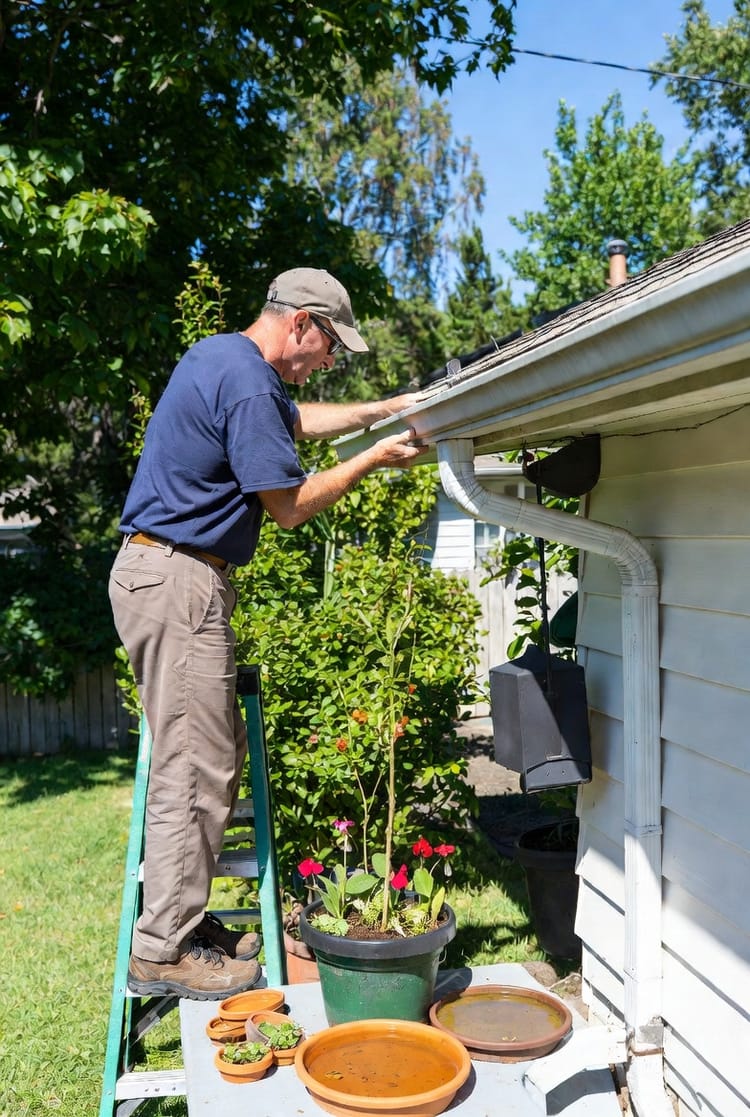
- Fix leaks immediately—repair dripping faucets, downspouts, and air-conditioner condensation lines
- Improve drainage around the foundation by grading soil away from the house
- Reduce indoor humidity with dehumidifiers in basements and crawl spaces
- Ventilate enclosed areas to prevent condensation buildup
Outdoors, thin mulch layers to no more than two inches and keep it several inches from the foundation. Replace organic mulch with gravel in high-risk zones. These changes alone can cut earwig numbers dramatically within days, because the insects simply move on to wetter locations.
Perimeter Treatments: Creating an Invisible Barrier That Works
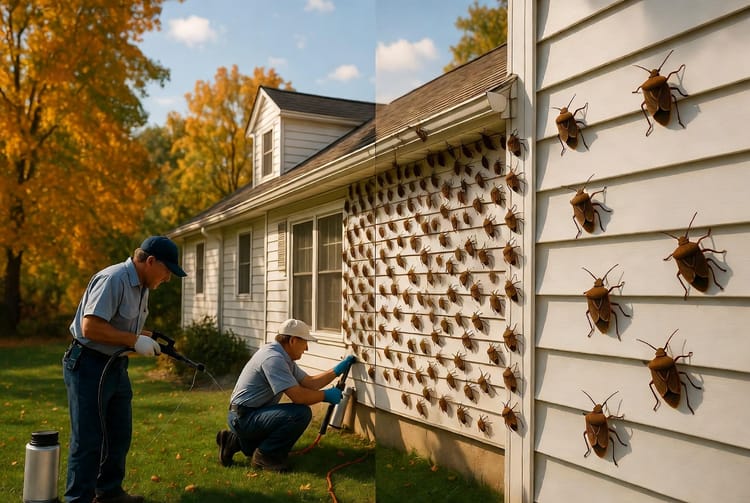
While moisture reduction addresses the root cause, perimeter treatments deliver fast knockdown and lasting protection. Professional-grade barrier sprays applied to foundations, window wells, and entry points form a protective zone that earwigs cannot cross without absorbing lethal doses.
Modern perimeter treatments use low-toxicity, targeted formulas that break down slowly in soil yet remain effective for months. Technicians apply them in a continuous band, focusing on cracks, crevices, and vegetation edges. When combined with moisture management, this dual approach achieves up to 95 % reduction in sightings within two weeks.
Homeowners sometimes try store-bought sprays, but results are often short-lived because coverage is incomplete and products degrade quickly in sun and rain. Professional application ensures even distribution, proper timing, and follow-up monitoring—key factors for sustained success.

Seasonal Earwig Patterns and Year-Round Vigilance
Earwig activity peaks in spring and early summer when rains are frequent and temperatures rise. Populations surge again in autumn as insects seek shelter before winter. Understanding these cycles lets you schedule perimeter treatments at optimal times—typically early spring and mid-fall—for maximum effectiveness.
Year-round vigilance includes:
- Weekly exterior inspections after rain
- Immediate debris removal from gutters and flower beds
- Sealing new cracks before pests discover them
Debunking Common Earwig Myths
Many homeowners worry unnecessarily. Earwigs do not crawl into ears while people sleep—that old wives’ tale has no basis in fact. They are not venomous, do not spread disease, and rarely damage healthy plants when other food is available. Their pincers look fierce but lack the strength to break human skin in any meaningful way. With this knowledge, you can replace fear with focused action.
Why Professional Perimeter Treatments Outperform DIY Efforts
DIY products often miss hidden entry points and fail to address moisture at the source. Licensed technicians bring calibrated equipment, EPA-approved materials, and deep local knowledge of regional weather patterns and earwig behavior. They also offer warranties that guarantee results—something no box from the hardware store can match.
Investing in professional earwig control saves time, reduces pesticide use overall, and protects your family and pets through precise, minimal applications. Most importantly, it delivers confidence that the problem is solved, not merely masked.
Your Action Plan: Stop Earwigs at the Door
Start today with a thorough moisture audit inside and outside your home. Seal visible gaps, adjust sprinklers, and thin mulch. For faster, longer-lasting results, schedule a professional perimeter treatment that creates an immediate defensive line.
Stop earwigs at the door. Our experienced team is ready to assess your property, implement targeted moisture reduction, and install lasting barriers—so you can enjoy a pest-free home with complete peace of mind.
Moisture Control + Perimeter Treatment – Call Today