The Drywall Swell: After Water Damage, When to Cut Higher
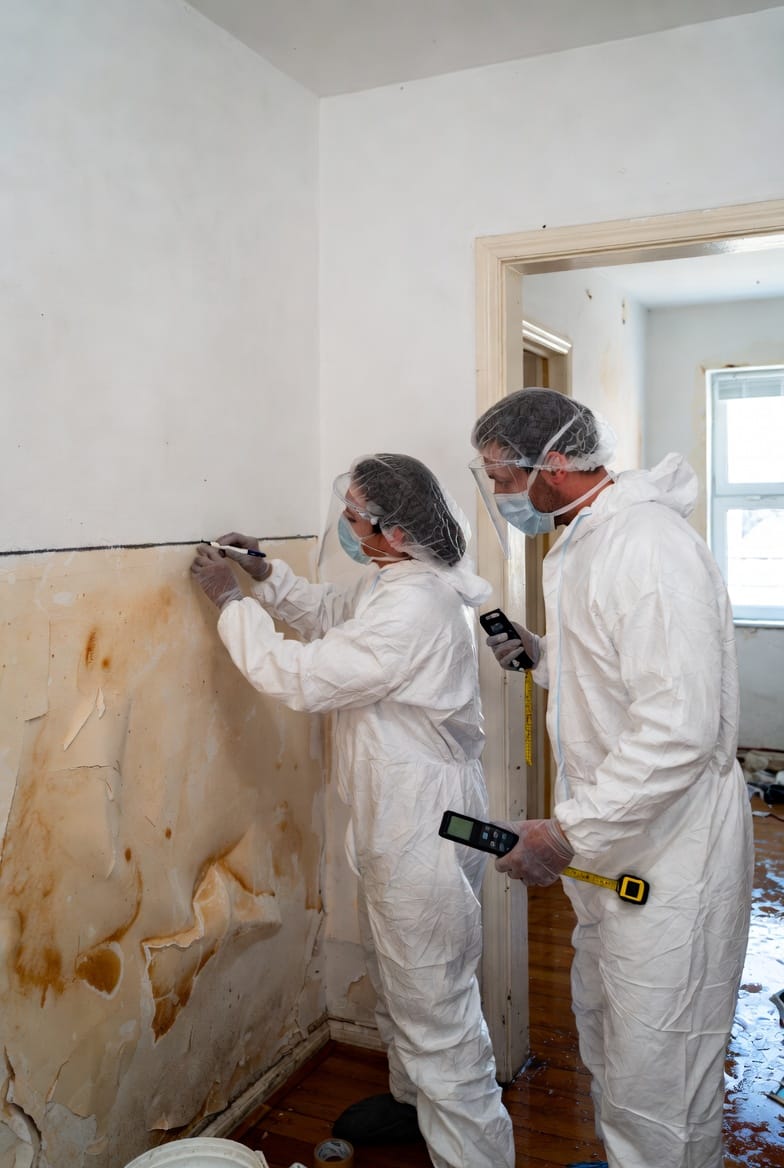
When water infiltrates your home, the visible flood line on the walls often feels like the end of the story. Yet for water damage professionals, that line is only the beginning. The drywall swell phenomenon reveals why simply drying to the visible mark is never enough. Advanced restoration decisions demand cutting higher — sometimes 24 inches or more above the water line — to eliminate hidden threats that could compromise your property for years.
Expert Drywall Cut & Full Restoration – Call Now
At the core of effective water damage recovery lies professional judgment. Homeowners and even some contractors assume that once the surface looks dry, the drywall is safe. This misconception leads to recurring mold, structural weakness, and costly callbacks. By understanding drywall swell, the science of wicking, and the long-term risks of mineral deposits, you gain the confidence to make the right call. Cutting higher is not overkill; it is smart, thorough restoration that protects your investment and your family’s health.
In this comprehensive guide, we explore exactly when and why to cut higher, the advanced drying decisions involved, and how this approach delivers complete peace of mind. Whether you are facing a recent flood or planning your restoration strategy, these insights empower you to demand the highest standard of care.
Understanding Drywall and Water Interaction
Drywall, also known as gypsum board, consists of a gypsum core sandwiched between layers of paper facing. This material is efficient and affordable for construction, yet highly vulnerable to moisture. When exposed to water damage, the gypsum core absorbs liquid like a sponge, causing the board to expand, soften, and lose structural integrity.
Even after visible water recedes, the paper facing can remain saturated at a microscopic level. This residual moisture triggers the drywall swell effect, where the material continues to distort below the flood line. The result is not always obvious bulging; sometimes it manifests as subtle softening or discoloration that only trained eyes detect.
Professional restoration teams recognize that every water damage event is unique. Factors such as water category (clean, gray, or black), duration of exposure, ambient humidity, and the age of the drywall all influence how aggressively the material will swell and retain contaminants. Ignoring these variables risks incomplete drying and future failures.
The Phenomenon of Drywall Swell Below the Flood Line
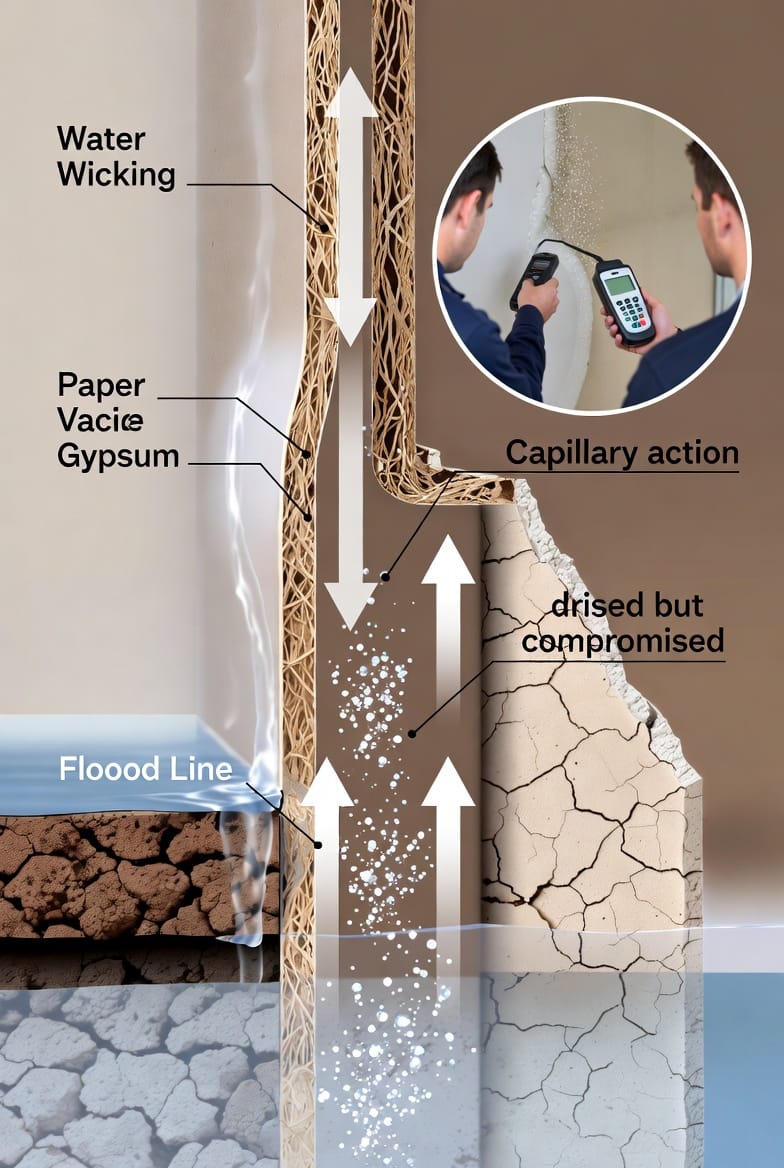
One of the most misunderstood aspects of water damage is that drywall can continue swelling and weakening below the visible flood line long after the surface appears dry. Capillary action draws moisture upward through the porous paper facing and into the gypsum matrix. Even when fans and dehumidifiers have removed standing water, hidden moisture pockets persist.
This swelling compromises the bond between the paper and the core, leading to delamination. The board loses its rigidity, and over time, it becomes prone to crumbling under the slightest pressure. Homeowners often notice this only weeks or months later when paint begins to bubble or the wall feels soft to the touch.
Drywall swell is not merely cosmetic. It signals deeper penetration of water and dissolved minerals into the material. Cutting precisely at the flood line leaves these compromised sections in place, setting the stage for ongoing problems. Experienced restorers therefore evaluate the entire affected area, not just the obvious line, before deciding the final cut height.
Why Visible Drying Isn’t Enough
Advanced drying decisions go far beyond running air movers until the wall “feels” dry. Moisture meters, thermal imaging, and invasive probing are essential tools that reveal what the naked eye cannot see. Surface drying may reach acceptable levels, yet trapped moisture within the core and behind the wall can remain undetected.
This is where professional judgment becomes critical. A certified restoration technician assesses multiple data points: moisture content readings at various depths, relative humidity inside the wall cavity, and the presence of any odors or staining. Relying solely on visible drying invites wicking — the silent upward migration of water that carries contaminants higher than the original flood line.
By recognizing these limitations early, restorers prevent the cycle of repeated repairs. Cutting higher removes every trace of affected material, allowing the cavity to dry thoroughly and new, uncontaminated drywall to be installed with full confidence.
The Risks of Insufficient Cuts: Mineral Deposits and Wicking
When drywall is cut too low, residual mineral deposits remain embedded in the material. These salts, left behind as water evaporates, are hygroscopic — meaning they actively attract moisture from the air. The result is a perpetual damp environment that fosters mold growth and further deterioration.
Wicking action exacerbates the issue. Even after initial drying, any new humidity or minor leaks can reactivate these minerals, pulling moisture upward and spreading contamination beyond the original damage zone. Over time, this leads to recurring mold, musty odors, and weakened structural components such as studs and insulation.
Homeowners who experience these issues often face higher long-term costs. Insurance claims may be denied on subsequent visits if the initial restoration is deemed incomplete. More importantly, prolonged exposure to hidden mold and dampness poses health risks, particularly for children, elderly residents, and those with respiratory conditions.
Cutting higher eliminates these risks entirely. By removing all compromised drywall and treating the cavity, professionals ensure a clean, dry environment from the start. This proactive approach is the hallmark of authoritative water damage restoration.
Professional Judgment in Action: Deciding to Cut Higher
Every water damage project requires on-site evaluation by qualified experts. No two floods are identical, and blanket rules rarely apply. Technicians rely on years of experience, industry standards, and real-time data to determine the precise height for the flood cut.
Key considerations include:
- Duration of water exposure — longer contact increases penetration and swelling.
- Water category — contaminated water demands more aggressive removal.
- Material age and type — older drywall swells more readily and retains contaminants longer.
- Environmental factors — high humidity slows drying and promotes wicking.
When these factors align unfavorably, the professional decision is clear: cut higher. This judgment protects the property owner from future callbacks and guarantees a restoration that meets or exceeds industry best practices.
Signs That Demand a Higher Cut
Trained eyes look for specific indicators that signal the need to extend the flood cut:
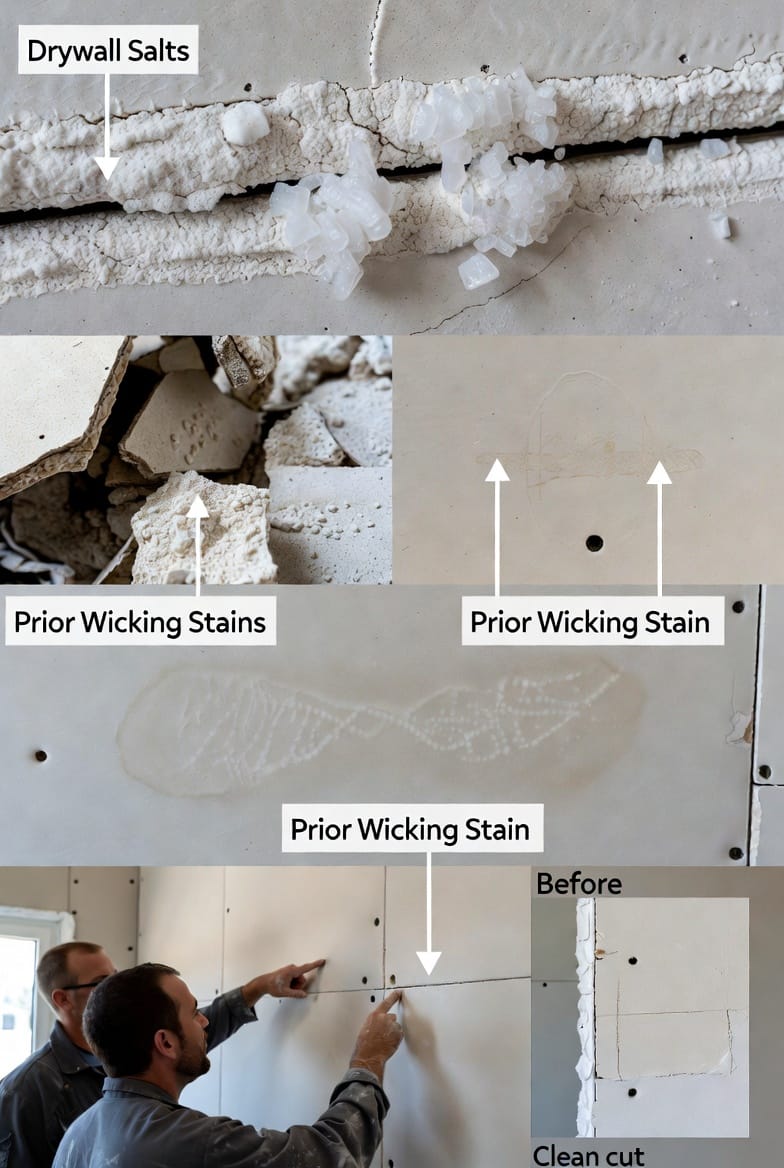
- Salt deposits appearing as white, powdery efflorescence on the drywall surface or along seams.
- Crumbling texture where the gypsum core has softened and lost cohesion even after drying.
- Prior wicking damage evidenced by faint staining lines above the main flood mark or previous repair patches showing moisture history.
These signs are not always obvious to the untrained eye, which is why professional assessment is indispensable. Ignoring them virtually guarantees recurring issues.
The Benefits of a Higher Flood Cut for Long-Term Restoration
Choosing to cut higher delivers multiple advantages that far outweigh the slightly higher initial material and labor costs:
- Complete moisture elimination — no hidden pockets remain to fuel mold or wicking.
- Prevention of mineral deposit recurrence — all contaminated material is removed.
- Superior structural integrity — new drywall installs on a fully dry, clean substrate.
- Faster overall drying — an open cavity dries more efficiently than patched compromised sections.
- Peace of mind and insurance compliance — documentation of thorough removal satisfies adjusters and protects future claims.
Homeowners who invest in this advanced approach report fewer issues in the months and years following restoration. The property returns to pre-loss condition with confidence rather than lingering uncertainty.
Step-by-Step Guide to Implementing the Higher Cut
- Conduct thorough moisture mapping with professional meters.
- Mark the cut line consistently 24 inches above the highest visible damage or wicking indicator.
- Remove all affected drywall, insulation, and base trim.
- Treat the exposed cavity with antimicrobial agents.
- Install new moisture-resistant drywall and finish to match existing surfaces.
- Monitor drying progress with daily readings until equilibrium is reached.
Each step is executed with precision to ensure the highest quality outcome.
Ensuring Complete Restoration
The drywall swell after water damage is a subtle yet serious challenge that demands expert attention. Cutting higher is the proven method to eliminate mineral deposits, halt wicking, and deliver a truly restored environment. Professional judgment, grounded in science and experience, separates adequate repairs from exceptional ones.
Do not settle for surface-level solutions. Cut high for a complete restoration that safeguards your home and your family’s well-being.
Emergency CTA: Cut high for a complete restoration. Our certified team is ready to assess your situation and implement the advanced drying decisions that protect your property for the long term.
Fast Response Water Damage Restoration – Call Today