The Drain Fly Problem: Eliminating Moth Flies from Sinks and Drains
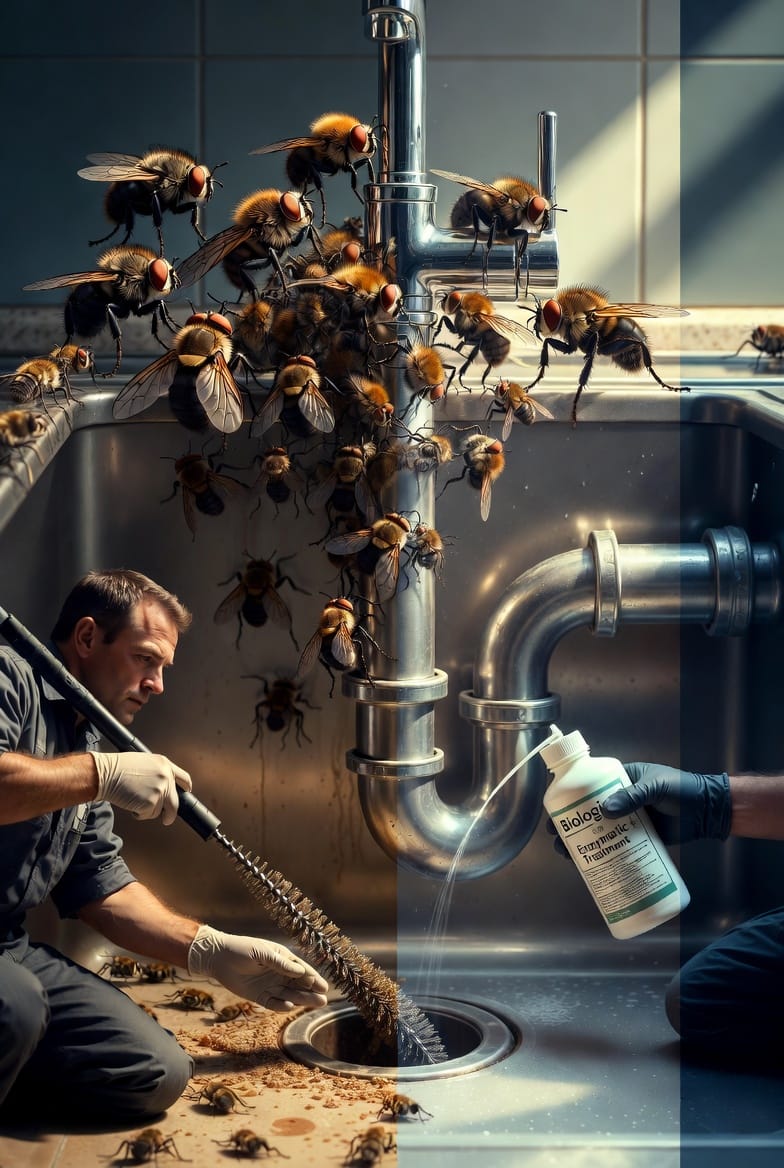
Drain flies, also commonly known as moth flies, are one of the most persistent household pests that target bathroom and kitchen sinks. If you have noticed tiny, fuzzy insects hovering around your drains or resting on the edges of your sink, you are likely dealing with a drain fly infestation. These pests may seem harmless at first, but they signal a deeper issue lurking inside your plumbing system.
Clear Your Drains of Drain Flies – Call for Professional Treatment
At Domain House Pest Control, we understand how frustrating and unsanitary these invasions can feel. The good news is that drain flies can be completely eliminated when you address the root cause rather than just the visible adults. This comprehensive guide walks you through everything you need to know: the drain fly life cycle, why these pests appear in your home, proven control strategies using drain cleaning and biological treatments, and long-term prevention steps that deliver lasting results.
Rest assured, with the right approach and professional support when needed, you can reclaim clean, fly-free drains and restore peace of mind to your daily routine.
What Exactly Are Drain Flies (Moth Flies)?
Drain flies belong to the family Psychodidae and are often mistaken for small moths because of their hairy, moth-like wings. Adults measure only about one-eighth of an inch long, with a distinctive fuzzy appearance and wings held roof-like over their bodies when at rest. Unlike fruit flies that swarm overripe produce, moth flies are almost exclusively associated with moist, organic-rich environments such as sink drains, shower drains, and floor drains.
These insects do not bite or sting, yet their constant presence can feel overwhelming. They thrive in the warm, damp conditions found inside household plumbing, making bathrooms and kitchens their preferred habitats. Understanding their biology is the first step toward effective, permanent control.
The Life Cycle of Drain Flies: Breeding Deep Inside Your Drains
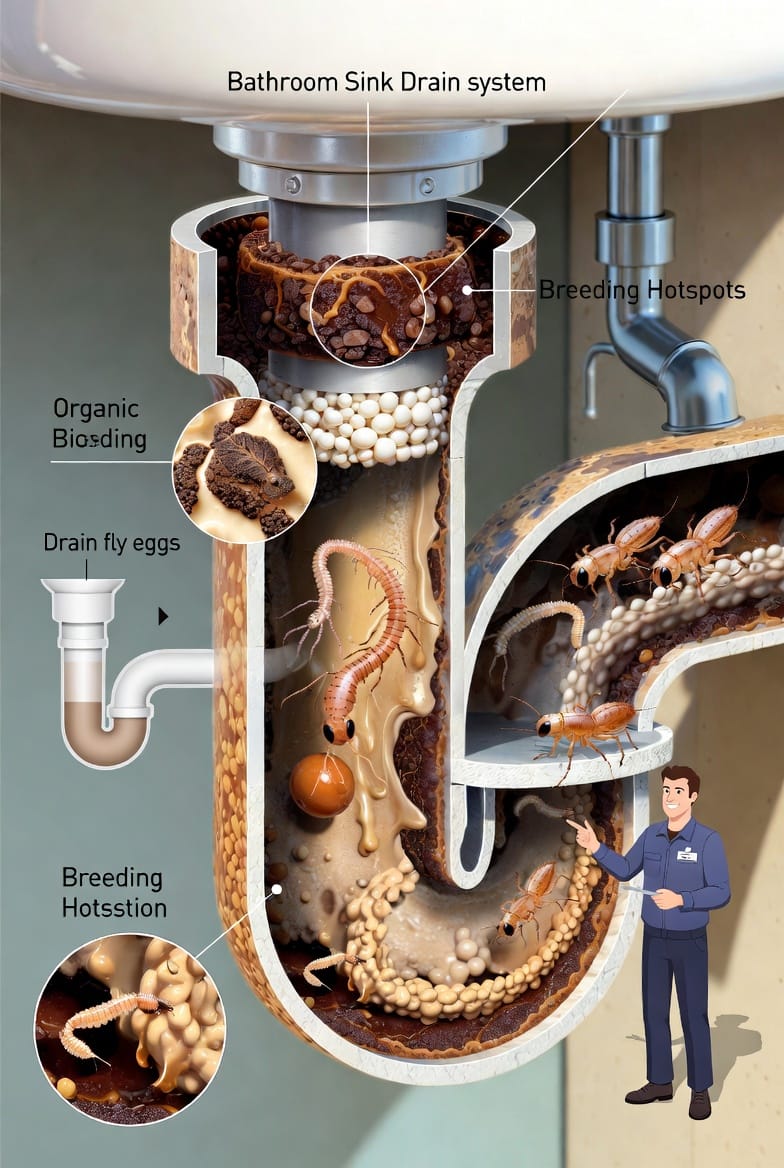
The drain fly life cycle explains why these pests seem to appear out of nowhere and return even after you swat a few adults. Females lay eggs directly onto the thin layer of organic buildup (often called biofilm or slime) that coats the inside of pipes. A single female can produce up to 100 eggs at a time, which hatch within 48 hours under ideal warm, moist conditions.
Once hatched, the larvae – tiny, worm-like creatures – feed aggressively on the decaying organic matter, bacteria, and fungi present in the biofilm. They spend approximately 9 to 15 days growing inside this protected environment, molting several times before entering the pupal stage. After another 2 to 3 days, adult moth flies emerge, ready to restart the cycle. The entire process from egg to adult can complete in as little as 12 days, allowing populations to explode rapidly if the breeding sites remain undisturbed.
Because the larvae live entirely within the pipes, surface treatments or sprays rarely reach them. This is why simply killing the flying adults provides only temporary relief. True elimination requires breaking the drain fly life cycle by removing their food source and breeding habitat deep inside the drain system.
Why Drain Flies Suddenly Appear in Your Sinks and Drains
Drain flies do not arrive from outside like some seasonal pests. Instead, they develop right inside your home whenever conditions allow organic buildup to accumulate. Common triggers include:
- Slow-draining sinks caused by hair, soap scum, grease, food particles, or toothpaste residue
- Infrequent use of guest bathrooms or utility sinks that allow water to sit stagnant
- Leaky pipes or poor ventilation that maintain constant moisture
- Buildup of gelatinous biofilm that provides both food and shelter for larvae
Even homes that appear spotless can develop drain fly problems over time because the breeding occurs out of sight. Once the adult flies emerge, they rest on walls, mirrors, and ceilings near the infested drains, quickly becoming noticeable and prompting urgent action.
Potential Risks and Why Prompt Action Matters
While drain flies pose no direct health threat through bites, their presence indicates unsanitary conditions inside your plumbing. The organic buildup they feed on can harbor bacteria and mold, potentially contributing to unpleasant odors and minor respiratory irritation for sensitive individuals. More importantly, unchecked infestations can spread to multiple drains throughout the house, turning a localized issue into a whole-home problem.
Acting quickly prevents escalation. Professional drain treatment not only removes the current generation but also stops future hatches, delivering results you can see and smell immediately.
Proven Control Methods: From DIY Basics to Biological Treatments
Effective drain fly control focuses on two key actions: physically removing the organic buildup and using biological agents that digest it completely. Here is a practical, step-by-step approach:
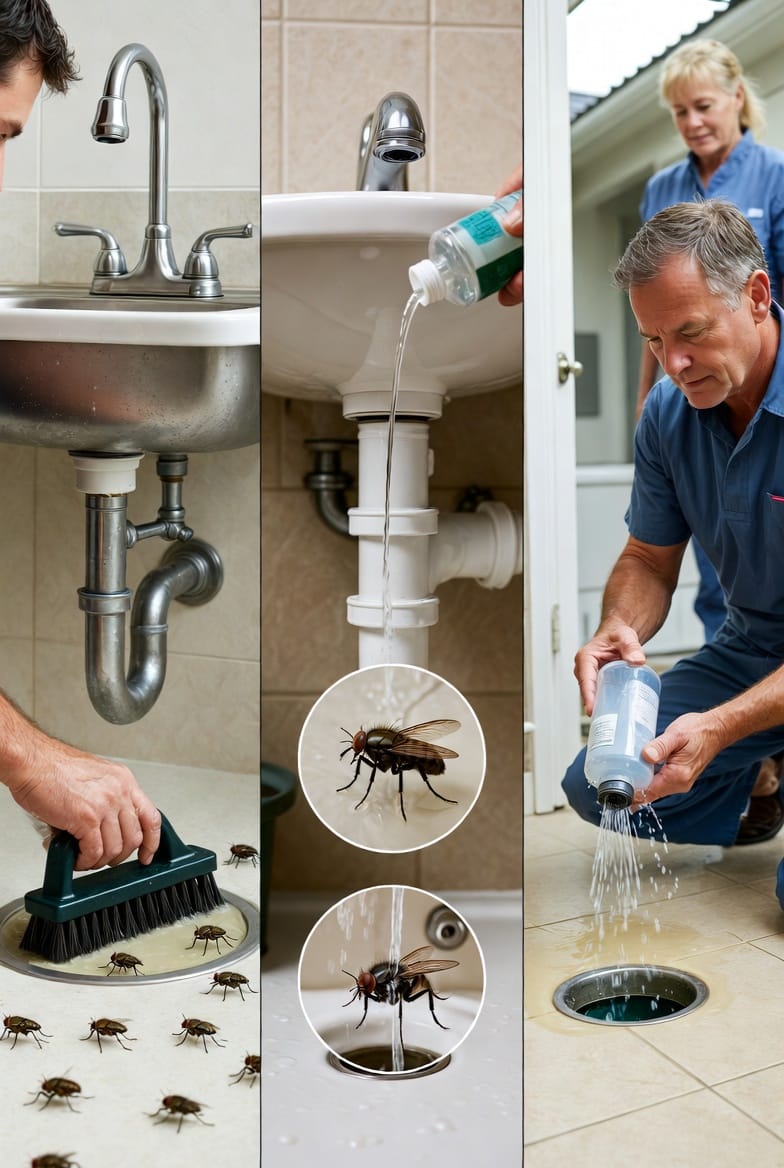
- Mechanical Cleaning: Use a flexible drain brush or drain snake to scrub the interior walls of the pipe, dislodging the slime layer where larvae live.
- Enzymatic Drain Cleaners: These contain beneficial bacteria and enzymes that break down organic matter at the molecular level, starving the larvae and preventing new egg-laying.
- Hot Water and Natural Flushes: Follow mechanical cleaning with boiling water to flush debris, repeated weekly for maintenance.
- Remove Standing Water: Eliminate any sources of stagnant water around sinks, tubs, or floor drains to deny moisture essential for the life cycle.
Biological treatments stand out as the most reliable long-term solution because they continue working inside the pipes for weeks, digesting residual buildup that mechanical methods might miss. Unlike harsh chemical cleaners that can damage pipes, enzymatic and bacterial formulas are safe for all plumbing types and environmentally responsible.
Advanced Biological Drain Treatments for Complete Elimination
For stubborn or recurring drain fly problems, professional-grade biological drain treatments offer superior results. These specialized formulas introduce billions of targeted microbes that consume the entire biofilm matrix, leaving pipes clean and inhospitable to future infestations. Technicians apply these treatments directly into affected drains, often combining them with high-pressure flushing for deeper penetration.
Clients consistently report seeing adult flies disappear within days and no new generations emerging afterward. The treatment is odorless, non-toxic to humans and pets, and leaves your plumbing system healthier overall.
When Professional Drain Treatment Is the Smartest Choice
While DIY efforts help with mild cases, heavy or widespread drain fly infestations usually require professional intervention. Our trained technicians use specialized cameras to inspect deep inside pipes, identify hidden breeding pockets, and apply targeted treatments that reach areas homeowners simply cannot access.
Professional service ensures thorough elimination rather than temporary suppression. Plus, we provide follow-up guidance and preventive maintenance plans tailored to your home’s specific plumbing layout.
Prevention Strategies to Keep Drains Fly-Free Long-Term
Prevention is far easier than repeated treatment. Incorporate these habits into your routine:
- Run hot water through drains for 30 seconds weekly
- Use enzymatic cleaners monthly as preventive maintenance
- Avoid pouring grease, coffee grounds, or large food scraps down kitchen drains
- Install drain screens to catch hair and debris in bathroom sinks
- Schedule annual professional drain inspections for high-risk areas
Consistent small actions protect your investment in a clean, pest-free home.
Conclusion: Take Control of Your Drains Today
The drain fly problem is solvable when you target the source – the organic buildup inside your sinks and drains. By understanding the drain fly life cycle, implementing proper cleaning techniques, and choosing effective biological treatments, you can eliminate moth flies permanently and enjoy fresh, odor-free plumbing.
Eliminate flies at the source. We are ready to restore comfort and cleanliness to your home with fast, reliable service you can trust.
Get Rid of Moth Flies for Good – Call Now!