The Dishwasher Float Switch: Why Your Machine Overfills or Won't Fill
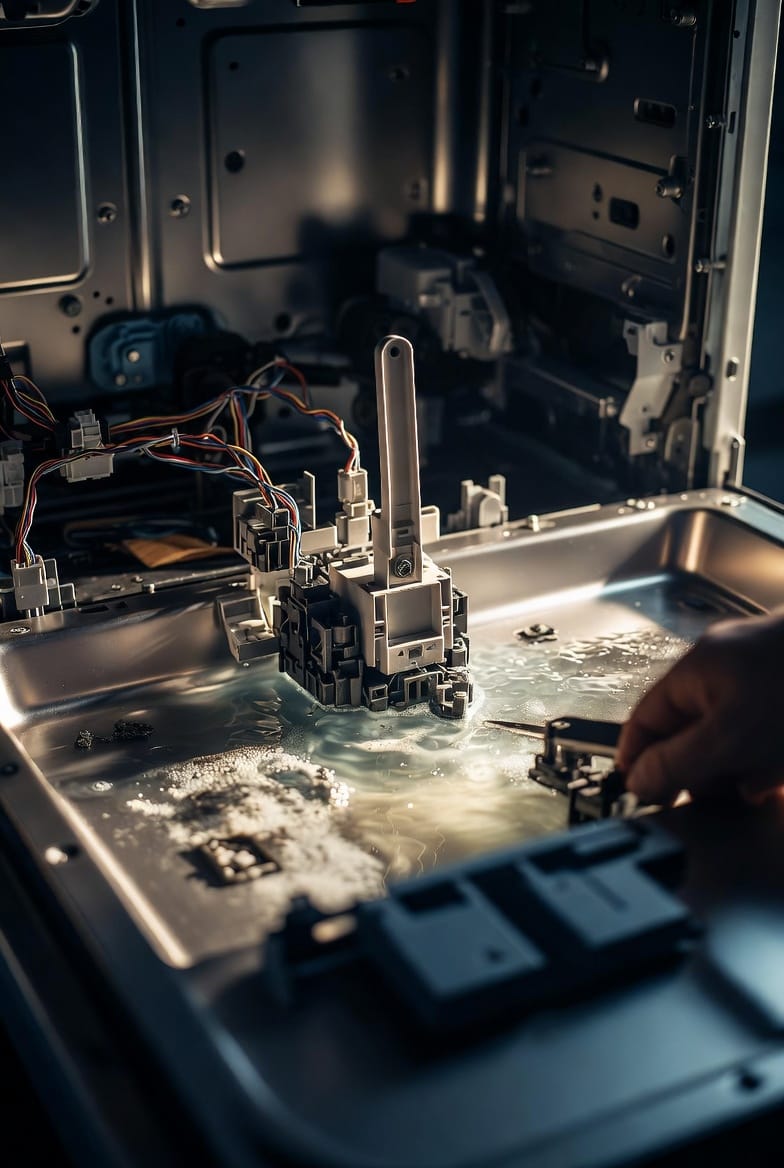
Modern dishwashers are engineered for convenience and efficiency, yet they rely on precise components to operate safely. Among these, the dishwasher float switch plays a critical role as a water level sensor. When this small but vital part fails, it can lead to frustrating problems like flooding, incomplete cycles, or the machine refusing to fill altogether.
Stop Dishwasher Overflows – Call for Expert Repair!
In this comprehensive guide, we’ll explore exactly what the float switch does, why it fails, how to diagnose issues, and the best steps for cleaning or replacement. Understanding this component helps you protect your kitchen from water damage and keep your appliance running smoothly.
What Is a Dishwasher Float Switch?
The float switch is a mechanical water level sensor located at the bottom of the dishwasher tub. It acts as a safety mechanism that monitors water levels during each cycle.
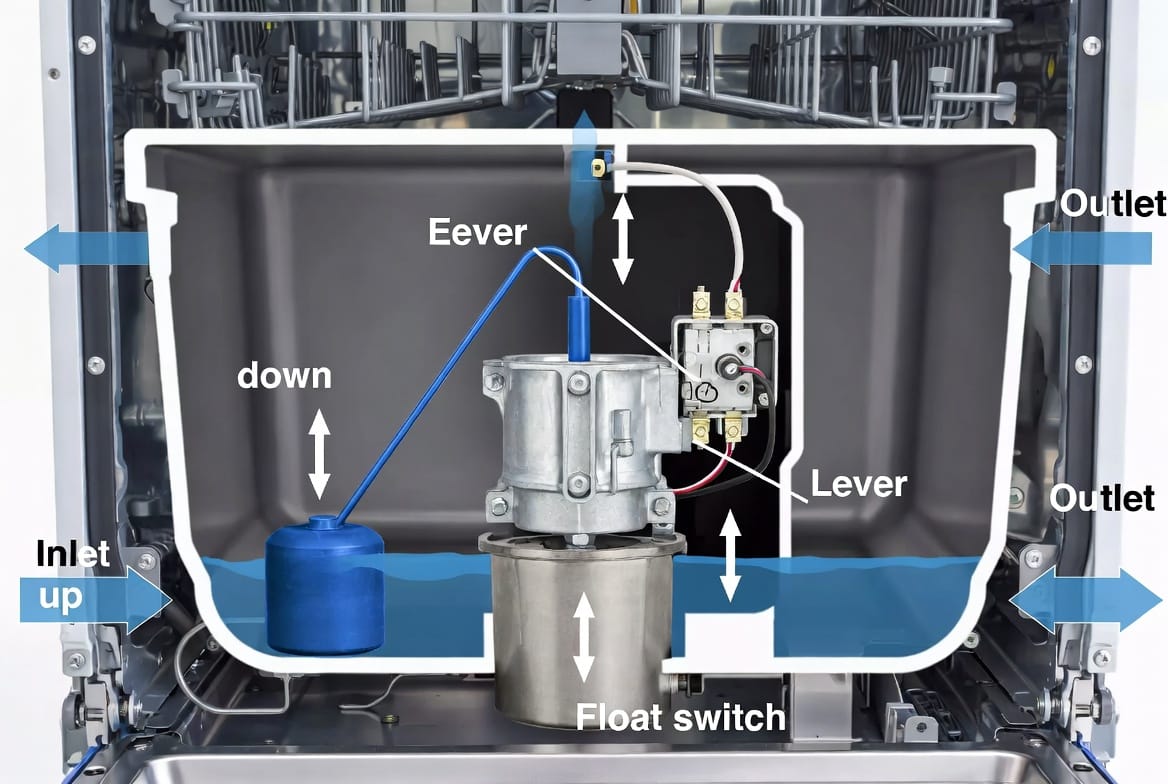
This small assembly typically consists of a buoyant float connected to a switch. As water enters the tub, the float rises. Once it reaches a predetermined height, it triggers the switch to stop the water inlet valve from adding more water.
Key function: Preventing overfilling while ensuring the dishwasher has enough water for effective cleaning. Without a properly functioning float switch, your machine loses its primary defense against flooding.
How the Float Switch Works
The operation is elegantly simple yet highly effective:
- Empty tub: The float sits in the down position.
- Water fills: The float rises with the water level.
- Proper level reached: The float activates the switch, signaling the control board to close the water inlet valve.
- Cycle continues: The wash pump activates safely.
If the float becomes stuck in the down position, the machine may overfill. If stuck in the up position, it may refuse to fill or run dry cycles.
This sensor works in coordination with other components like the water inlet valve and pressure switch, creating multiple layers of protection.
Common Signs of a Faulty Float Switch
Recognizing problems early can save you from costly water damage. Here are the most frequent symptoms:
- Overfilling and leaking: Water spills onto the kitchen floor during the fill cycle.
- Dishwasher won’t fill: The machine runs but produces no water, resulting in poor cleaning.
- Continuous running: The appliance fills endlessly without advancing to the wash cycle.
- Error codes: Many models display codes related to water level or drainage issues.
- Unusual noises: Gurgling or humming during fill stages.
- Inconsistent performance: Some cycles work normally while others flood or run dry.
Bold warning: A stuck float switch is more than an inconvenience — it can flood your kitchen if left unaddressed.
Why Float Switches Fail
Several factors contribute to float switch problems:
- Debris and mineral buildup: Food particles, grease, and hard water deposits are the most common culprits.
- Mechanical wear: The float arm or switch contacts can bend or corrode over time.
- Improper installation: After previous repairs or part replacements.
- Age of appliance: Units over 7–10 years old often experience sensor fatigue.
- Sudden power surges: These can affect the control board’s communication with the switch.
Diagnosing the Problem
Before attempting repairs, perform these simple checks:
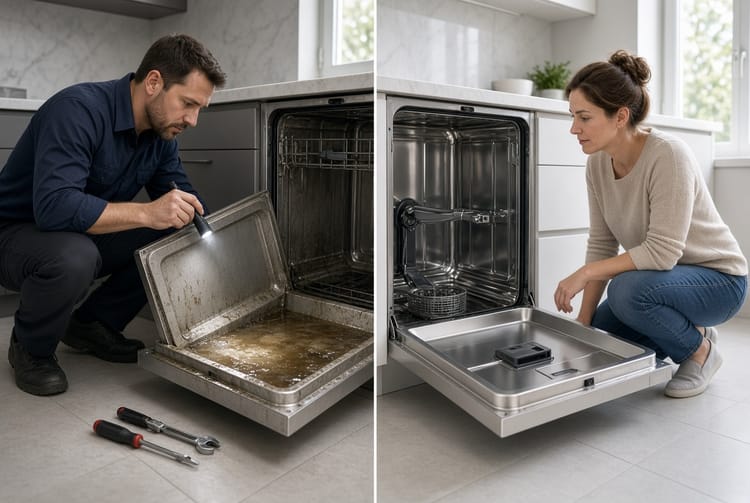
- Visual inspection — Remove the lower rack and look at the float in the bottom center of the tub.
- Manual test — Gently lift and lower the float by hand. It should move freely without resistance.
- Listen for clicking — As you move the float, you should hear the switch activate.
- Check for standing water — Excess water after a cycle often indicates a stuck-up float.
If the float moves freely but problems persist, the issue may lie with the electrical switch or wiring rather than the mechanical float itself.
How to Clean a Dishwasher Float Switch
Cleaning is often the first and most effective solution. Follow these steps carefully:
- Safety first: Unplug the dishwasher and turn off the water supply.
- Access the float: Remove the lower spray arm and filter screen for clear access.
- Clean thoroughly: Use a soft brush, warm water, and mild detergent to remove debris. For hard water scale, a vinegar solution works wonders.
- Inspect the housing: Ensure no obstructions block the float’s movement path.
- Dry completely: Wipe all components before reassembly.
Pro tip: Regular cleaning every 3–6 months prevents most float switch failures and extends the life of your dishwasher.

Replacing the Dishwasher Float Switch
When cleaning doesn’t resolve the issue, replacement becomes necessary.
Important: This repair requires basic mechanical skills and comfort working with electrical connections. If unsure, professional help is strongly recommended.
Typical replacement process includes:
- Disconnecting power and water
- Removing the lower panel and accessing the switch assembly
- Detaching wiring harnesses
- Installing the new OEM or compatible float switch
- Testing all cycles thoroughly
Always use manufacturer-approved parts for best compatibility and safety.
Preventive Maintenance Tips
Protect your investment with these habits:
- Run monthly cleaning cycles with vinegar or specialized dishwasher cleaner.
- Check the float during routine filter cleaning.
- Address hard water issues with appropriate softeners or filters.
- Avoid overloading the dishwasher, which can shift components.
- Schedule annual professional inspections for complex appliances.
When to Call the Professionals
While some float switch issues are DIY-friendly, others require expert attention. Call for switch repair immediately if:
- You notice standing water or flooding risks
- Electrical testing is needed
- The problem persists after cleaning
- Your dishwasher is under warranty
A stuck float can flood your kitchen. Call for switch repair at (855) 321-3582.
Our experienced technicians specialize in quick, reliable dishwasher float switch diagnosis and repair. We provide same-day service in many areas and use only quality parts to ensure lasting results.
Final Thoughts
The dishwasher float switch might be a small component, but it plays an outsized role in protecting your home and ensuring clean dishes. By understanding its function, recognizing warning signs, and performing regular maintenance, you can avoid costly repairs and water damage.
Don’t let a faulty water level sensor disrupt your routine. Whether you need cleaning guidance or professional dishwasher repair, reliable help is just a phone call away.
This article provides general guidance. Always consult your appliance manual and consider professional service for electrical repairs.
Expert Float Switch Repair & Replacement – Call Today