The Dental Bridge Types: Traditional, Cantilever, and Maryland Bridges
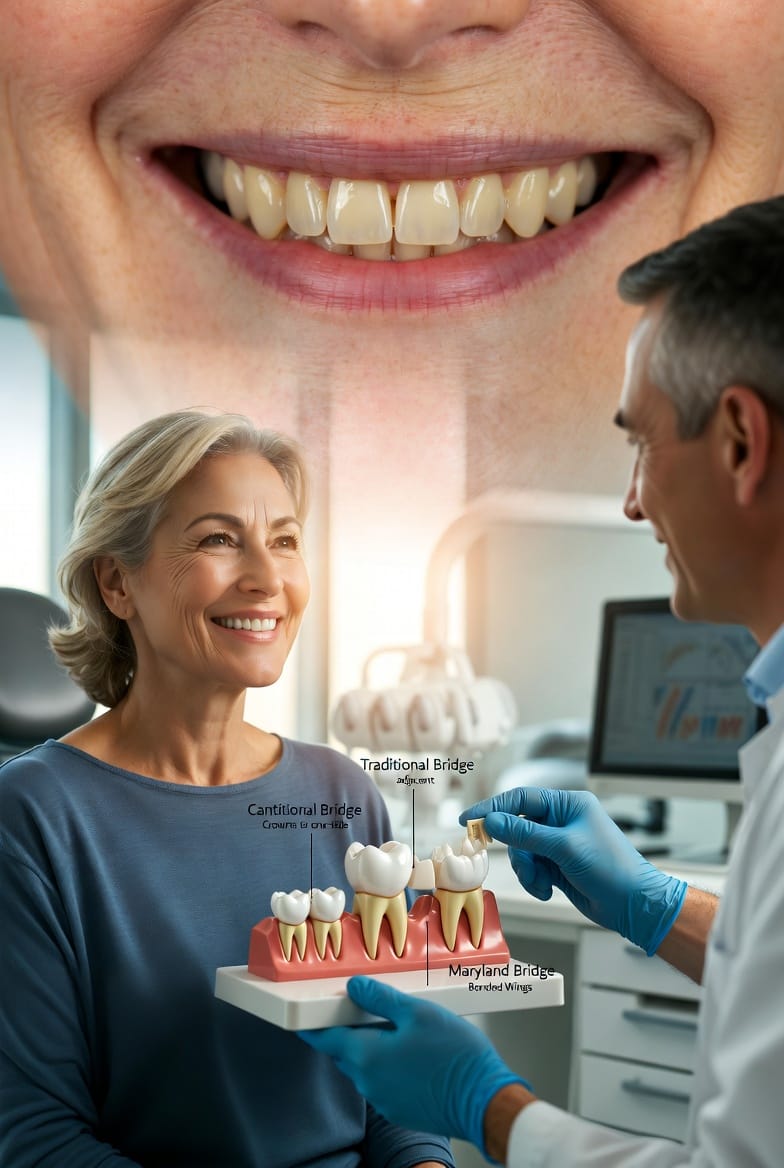
Missing teeth can impact more than just your appearance—they affect how you eat, speak, and even your overall oral health. Fortunately, dental bridges offer a reliable, proven way to restore your smile and bite function. Among the most effective options are traditional bridges, cantilever bridges, and Maryland bridges. Each type addresses specific needs, balancing durability, aesthetics, and minimal invasiveness.
Choose the Right Dental Bridge – Schedule Now
At our practice, we believe in empowering patients with clear information so you can make confident decisions about your dental care. This comprehensive guide explores these three bridge types in detail, including their procedures, pros and cons, ideal candidates, and key considerations. Whether you're dealing with a single missing tooth or multiple gaps, understanding your options helps ensure long-lasting results.
Why Dental Bridges Matter for Your Smile and Health
Dental bridges literally “bridge” the gap left by missing teeth. They prevent remaining teeth from shifting, maintain proper jaw alignment, and restore chewing efficiency. Without replacement, missing teeth can lead to bone loss, difficulty speaking, and even changes in facial structure over time.
Modern bridges are crafted from high-quality materials like porcelain, ceramic, or metal alloys, designed to blend seamlessly with your natural teeth. The right choice depends on the number of missing teeth, the health of adjacent teeth, your budget, and lifestyle needs.
Key benefits include:
- Improved chewing and digestion
- Enhanced speech clarity
- Restored smile aesthetics and confidence
- Prevention of further dental issues
Now, let’s dive into the three primary types.
Traditional Dental Bridges: The Most Common and Reliable Option
Traditional bridges are the gold standard for replacing one or more missing teeth. This type involves placing crowns on the healthy teeth on either side of the gap and attaching a false tooth (pontic) between them.
The Procedure for Traditional Bridges
The process typically requires two visits. During the first, the dentist prepares the adjacent teeth by reshaping them to accommodate crowns. Impressions are taken and sent to a lab for custom fabrication. A temporary bridge protects your teeth in the meantime. At the second visit, the permanent bridge is fitted, adjusted, and cemented securely.
This method is highly effective because the dual support from two abutment teeth provides excellent stability.
Pros of Traditional Bridges
- Superior strength and durability – Ideal for back teeth under heavy chewing pressure
- Natural-looking results that match your existing teeth
- Long lifespan, often 10–15 years or more with proper care
- Restores full biting function effectively
Cons and Potential Risks
- Requires altering healthy adjacent teeth, which involves enamel removal
- Risk of sensitivity or decay if oral hygiene is neglected
- Not suitable if adjacent teeth are weak or already compromised
- Higher initial cost compared to some less invasive options
Traditional bridges shine when you have strong supporting teeth and need robust replacement for multiple missing teeth. Patients often report significant improvements in daily comfort and self-esteem after placement.
Cantilever Dental Bridges: Supported by a Single Tooth
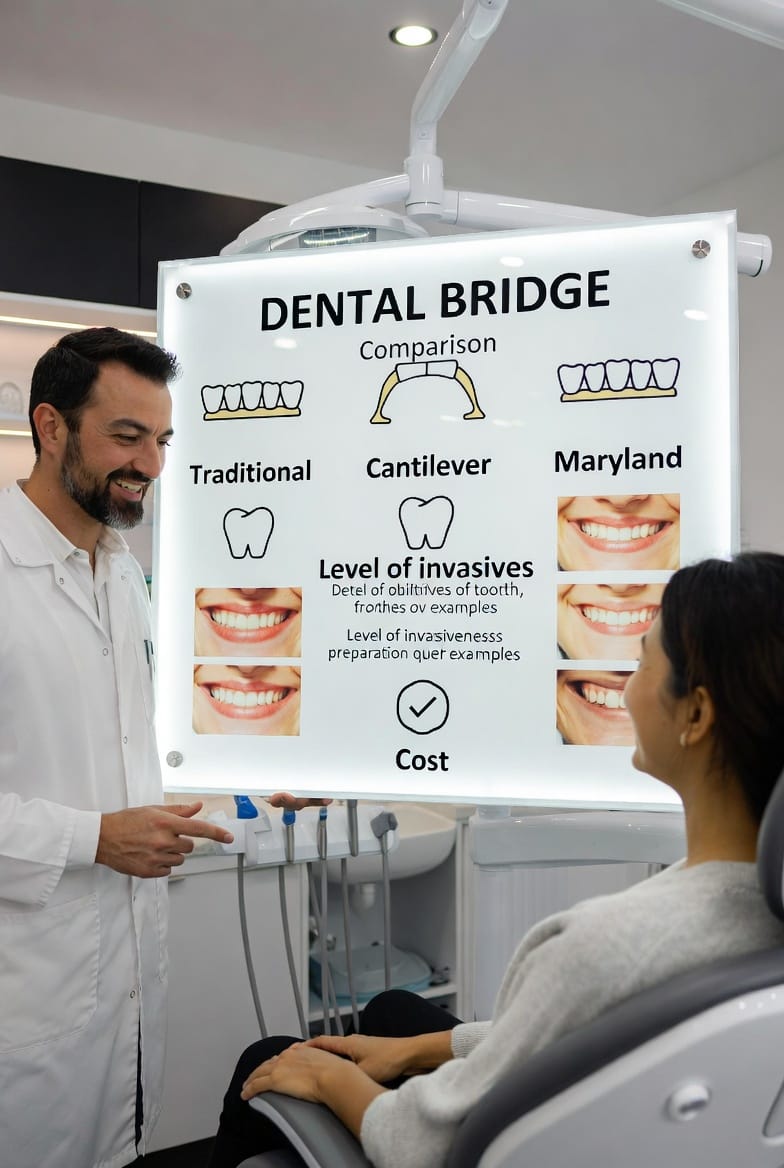
Cantilever bridges are used when there is only one healthy adjacent tooth available to support the bridge. Instead of crowns on both sides, the pontic extends from one supporting tooth like a cantilever beam.
This option is less common but valuable in specific anatomical situations, such as at the end of a dental arch where no second supporting tooth exists.
Procedure Overview
Similar to traditional bridges, the adjacent tooth is prepared for a crown. The bridge is fabricated with the replacement tooth attached on one side only. Placement requires precise engineering to manage bite forces and avoid excessive stress on the single abutment tooth.
Pros of Cantilever Bridges
- Requires preparation of only one adjacent tooth
- Effective for replacing a single missing tooth in appropriate locations
- Good aesthetic outcomes when properly designed
- Shorter treatment timeline in some cases
Cons and Important Considerations
- Higher risk of complications due to uneven force distribution – the supporting tooth bears all the load
- Not recommended for areas with strong chewing forces (like molars)
- Potential for bridge loosening or damage over time
- Requires excellent bone health and strong abutment tooth
Dentists carefully evaluate bite patterns and tooth strength before recommending a cantilever bridge. When conditions are right, this type delivers reliable function with minimal intervention to multiple teeth.
Maryland Bridges: The Conservative, Less Invasive Choice
Also known as resin-bonded or Maryland bonded bridges, these offer a minimally invasive solution. A false tooth is held in place by metal or ceramic “wings” bonded to the back of adjacent teeth, without extensive crown preparation.
How Maryland Bridges Work
The procedure is often completed in fewer visits. Minimal enamel etching on the inner surfaces of adjacent teeth allows the wings to bond securely using strong dental resin. This preserves more of the natural tooth structure compared to traditional methods.
Pros of Maryland Bridges
- Least invasive – little to no removal of healthy tooth enamel
- Faster and often more affordable
- Reversible if needed, with less impact on adjacent teeth
- Excellent for front teeth where aesthetics are paramount
Cons and Potential Limitations
- Less durable under heavy bite forces – best for front or low-stress areas
- Wings may become visible or debond over time if oral habits are poor
- Not ideal for replacing multiple missing teeth
- Requires healthy, well-aligned adjacent teeth for successful bonding
Maryland bridges represent a conservative approach that many patients prefer when preserving natural tooth structure is a priority. Advances in bonding materials have significantly improved their longevity.
Comparing the Three Dental Bridge Types
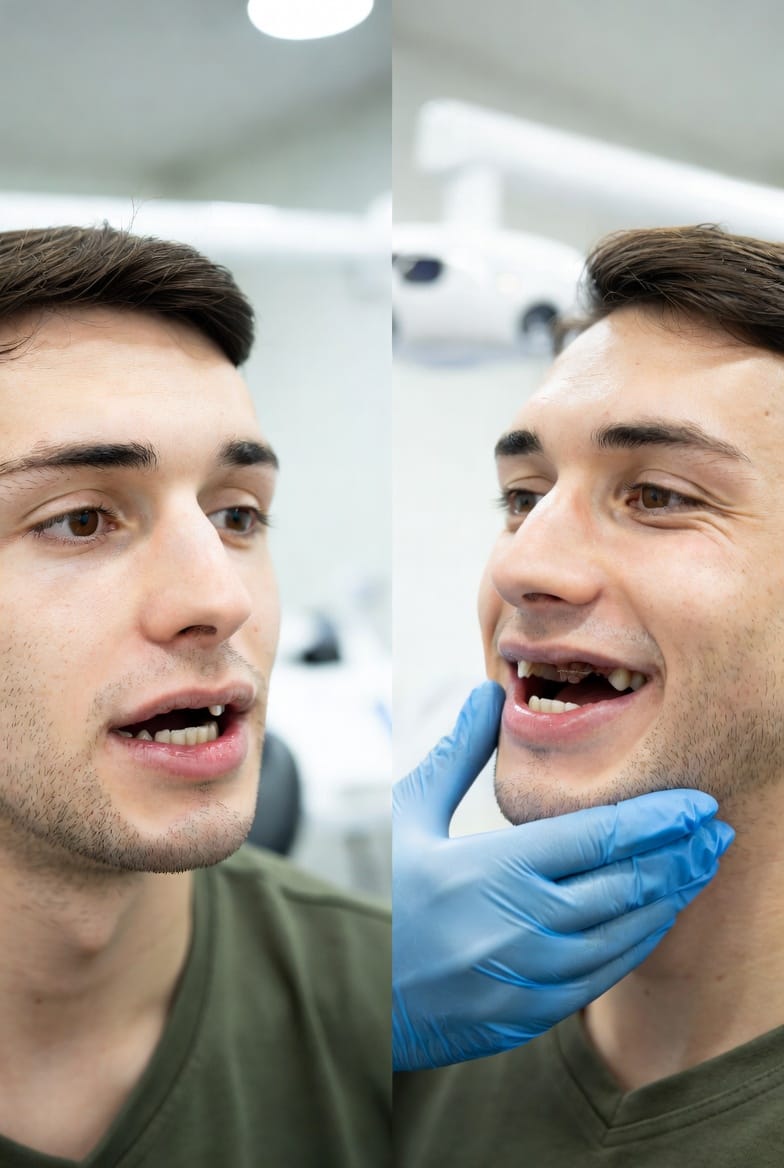
Choosing between traditional, cantilever, and Maryland bridges involves weighing several factors:
- Durability: Traditional bridges generally offer the strongest support, followed by cantilever in suitable spots, with Maryland best for lighter use.
- Invasiveness: Maryland bridges win for minimal tooth preparation, while traditional require the most.
- Cost: Maryland options are often the most budget-friendly initially, though long-term value depends on maintenance.
- Suitability: Depends on the location of missing teeth and health of neighbors.
A thorough dental exam, including X-rays and bite analysis, is essential for personalized recommendations.
Key Considerations When Choosing Your Bridge
Several important factors guide the decision:
- Number of missing teeth – Traditional bridges handle multiple gaps better.
- Health of adjacent teeth – Weak teeth may rule out certain options.
- Your budget and insurance coverage – Discuss financing for the best long-term solution.
- Lifestyle and oral habits – Grinding or heavy chewing influences durability needs.
- Aesthetic goals – All types can look natural, but placement affects visibility.
Our team prioritizes your comfort and provides clear explanations at every step.
Caring for Your Dental Bridge: Tips for Longevity
Proper maintenance ensures your bridge lasts for many years:
- Brush twice daily with a soft-bristled toothbrush
- Floss under the bridge using special threaders or water flossers
- Schedule regular dental check-ups and cleanings
- Avoid hard or sticky foods that could damage the restoration
- Consider a nightguard if you grind your teeth
With excellent care, most patients enjoy comfortable, functional results for over a decade.
The Life-Changing Benefits of the Right Dental Bridge
Restoring missing teeth goes beyond aesthetics. Patients often experience better nutrition, clearer speech, and renewed confidence in social and professional settings. Modern techniques minimize discomfort, and sedation options are available for anxious patients.
Whether you need the robust support of a traditional bridge, the targeted solution of a cantilever bridge, or the conservative appeal of a Maryland bridge, expert guidance makes all the difference.
Schedule Your Consultation Today
Don’t let missing teeth hold you back. Choose the right bridge for your smile. Our experienced team will evaluate your unique situation and recommend the best option tailored to your needs and goals. Take the first step toward a healthier, more confident smile – we’re here to help every step of the way.
Expert Dental Bridge Solutions – Call Now