The Dental Bridge Care: Cleaning and Maintenance for Longevity
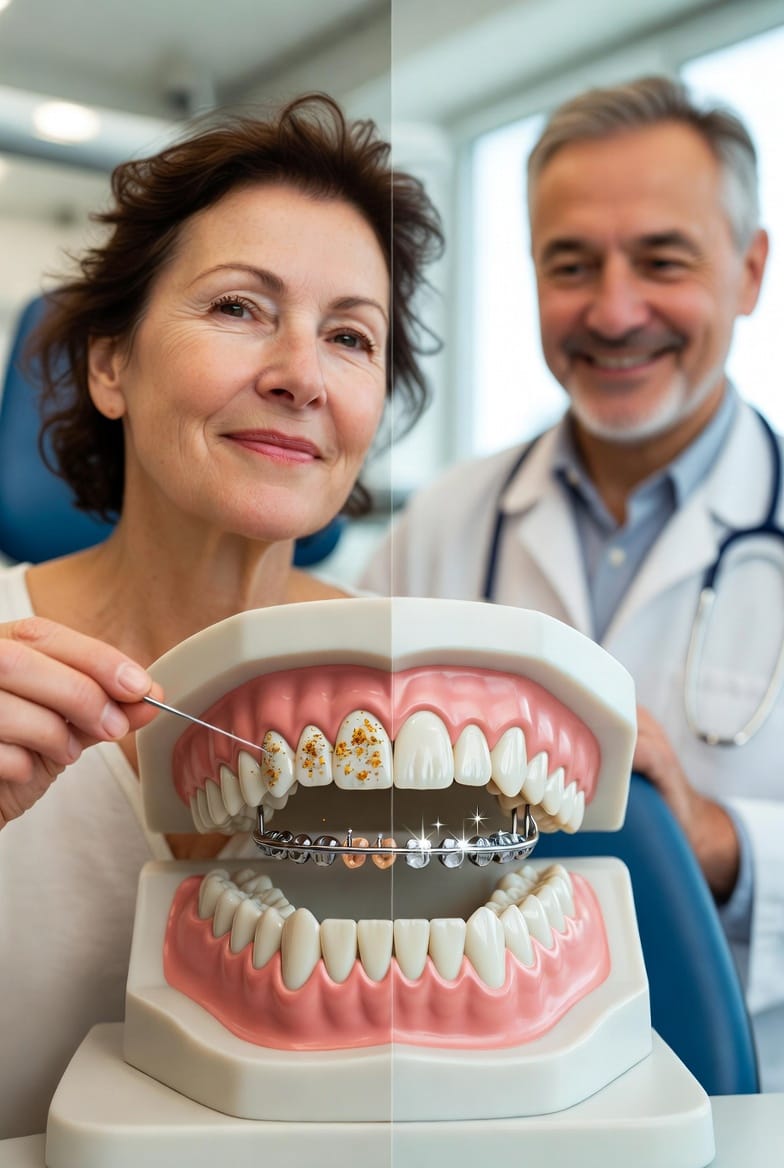
Dental bridges restore your smile, confidence, and ability to chew comfortably after tooth loss. Once the treatment is complete, the real work begins. Proper post-treatment care is what separates a bridge that lasts a decade or more from one that needs replacement far too soon. With consistent cleaning and mindful habits, your dental bridge can remain strong, natural-looking, and problem-free for years.
Call Now for Expert Dental Bridge Care Guidance
At first, the new bridge may feel different. The pontic—the artificial tooth suspended between the supporting crowns—creates small spaces where food and plaque can hide. Left unchecked, these areas invite bacteria that threaten the health of your natural abutment teeth and gums. The good news? You do not need complicated routines. Simple, daily techniques using floss threaders, superfloss, and water flossers keep everything clean and irritation-free.
This guide walks you through exactly how to care for your dental bridge at home while protecting your investment. Follow these steps and you will enjoy a stable, beautiful restoration that supports your overall oral health.
Why Daily Cleaning Around Bridges Matters
Dental bridges are fixed restorations. Unlike removable dentures, they stay in place 24/7. That stability is wonderful—until debris collects beneath the pontic. Bacteria thrive in warm, moist environments and can inflame gums or weaken the cement that holds the bridge.
Proper cleaning prevents:
- Gum inflammation and recession
- Decay on the abutment teeth
- Bad breath
- Premature bridge failure
Think of cleaning as insurance. A few extra minutes each day protect the thousands invested in your smile. Patients who master these techniques report fewer emergencies and longer-lasting restorations.
Step-by-Step: How to Clean Under Your Dental Bridge
Cleaning around a bridge takes a gentle yet thorough approach. Here is the proven method that dental professionals recommend.
1. Floss Threaders – Your Daily Essential Tool
Floss threaders are thin, flexible plastic loops or needle-like tools that slide floss under the bridge where regular floss cannot reach.
How to use them correctly:
- Cut an 18-inch piece of waxed floss and thread it through the eye of the floss threader.
- Gently insert the stiff end under the pontic from the cheek side or tongue side.
- Pull the floss through until both ends are accessible.
- Wrap the floss around the base of each abutment tooth in a C-shape and slide it up and down several times.
- Move to the next section under the bridge and repeat.
- Rinse the threader and floss thoroughly after each use.
Perform this once daily, preferably at night. It takes less than two minutes once you get the rhythm. Many patients keep extra threaders in their travel kit for on-the-go care.
2. Superfloss for Quick and Effective Cleaning
Superfloss combines three sections in one strand: a stiff end for threading, spongy floss for wide spaces, and regular floss for tight areas. It is especially helpful for bridges with larger gaps.
Slide the stiff end under the bridge, pull the spongy portion through to scrub the underside of the pontic, then finish with the regular floss on the natural teeth. Its built-in design makes cleaning faster and more comfortable for beginners.
3. Water Flossers – Gentle Power for Everyday Use
Water flossers use a pulsating stream of water to flush debris from beneath the bridge without threading. They are ideal for anyone with dexterity concerns or multiple bridges.
Best practices for water flossing:
- Fill the reservoir with warm water (add a small amount of mouthwash if desired).
- Set the pressure to medium and aim the tip at a 90-degree angle under the pontic.
- Pause briefly under each connector to allow water to reach hidden areas.
- Finish by directing the stream along the gumline of the abutment teeth.
Use your water flosser after meals or as a supplement to threaders. The massaging action also stimulates blood flow to the gums, promoting healthier tissue.
Pro tip: Combine methods. Threaders and superfloss for deep mechanical cleaning; water flosser for flushing and massage.
Foods to Avoid to Protect Your Bridge
Certain foods create unnecessary stress on your dental bridge. Avoiding them reduces the risk of dislodging the restoration or damaging supporting teeth.
Steer clear of:
- Sticky candies and chews – caramel, gummy bears, and taffy can pull on the bridge or trap sugar beneath it.
- Hard foods – ice cubes, hard nuts, popcorn kernels, and crusty bread crusts risk cracking the porcelain or loosening cement.
- Very sugary items – frequent exposure feeds bacteria that attack the margins where the bridge meets natural teeth.
- Acidic beverages – excessive soda, citrus juices, or sports drinks soften the area around the crowns over time.
Instead, choose bridge-friendly foods: soft fruits, cooked vegetables, lean proteins, and dairy. When you do indulge, rinse with water immediately afterward and clean as soon as possible.
Building a Simple Daily and Weekly Maintenance Routine
Consistency beats perfection. Create a routine that fits your lifestyle:
- Morning: Brush gently with a soft-bristled toothbrush and non-abrasive toothpaste.
- After meals: Rinse with water and use your water flosser.
- Evening: Complete full floss threader or superfloss session plus brushing.
- Weekly: Soak your water flosser tip in white vinegar for 5 minutes to prevent mineral buildup.
Replace your toothbrush every three months and floss threaders as they fray. These small habits add up to major protection.
The Role of Regular Professional Maintenance
Home care is powerful, but professional cleanings are non-negotiable. Schedule a dental visit every six months—or more frequently if your dentist recommends it.
During these appointments, your hygienist will:
- Remove hardened tartar that home tools cannot reach
- Check the fit and integrity of the bridge
- Polish the pontic and crowns for a smooth, bacteria-resistant surface
- Examine gums for early signs of inflammation
Early detection prevents small issues from becoming costly repairs. Many patients say these visits give them peace of mind and extend the life of their bridge significantly.
Recognizing Warning Signs and When to Call
Stay alert for changes. Contact your dentist promptly if you notice:
- Sensitivity or pain around the bridge
- Loose feeling when biting
- Visible gaps or dark lines at the margins
- Persistent bad breath or unusual taste
- Gum bleeding that lasts more than a few days
Quick action often saves the bridge and protects your natural teeth.
Long-Term Benefits of Committed Care
Patients who follow these dental bridge care guidelines enjoy:
- Bridges that function like natural teeth for 10–15 years or longer
- Healthier gums and reduced risk of periodontal disease
- Higher confidence in their smile
- Lower lifetime dental costs
Your bridge is an investment in your quality of life. Treat it with respect and it will reward you daily.
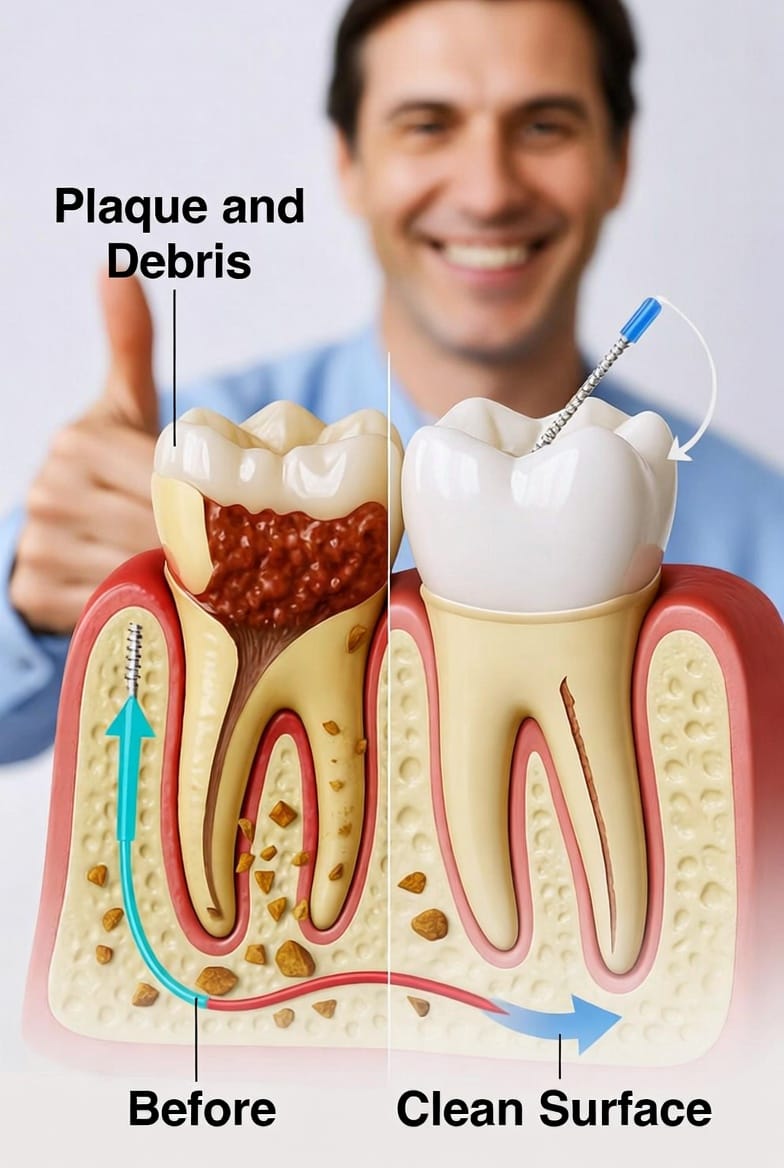
Common Questions About Bridge Care
Can I use regular floss?
No—standard floss cannot reach under the pontic. Floss threaders or water flossers are required.
How long should my bridge last?
With excellent care, many last 10–15 years or more. Regular professional maintenance is the key.
Is a water flosser enough by itself?
It is excellent, but combining it with threaders provides the most complete clean.
Make Your Bridge Last
Your dental bridge is designed to serve you well for years. By mastering floss threaders, superfloss, water flossers, choosing smart foods, and keeping regular checkups, you give it every chance to thrive.
Make your bridge last. Our team is ready to support your long-term success with gentle guidance and expert advice.

Take these steps today and enjoy the confidence that comes with a well-maintained, long-lasting smile. Your future self—and your bridge—will thank you.
Learn Proper Bridge Cleaning – Call for Personalized Advice