The Dental Bone Graft: Preparing for Successful Implant Placement
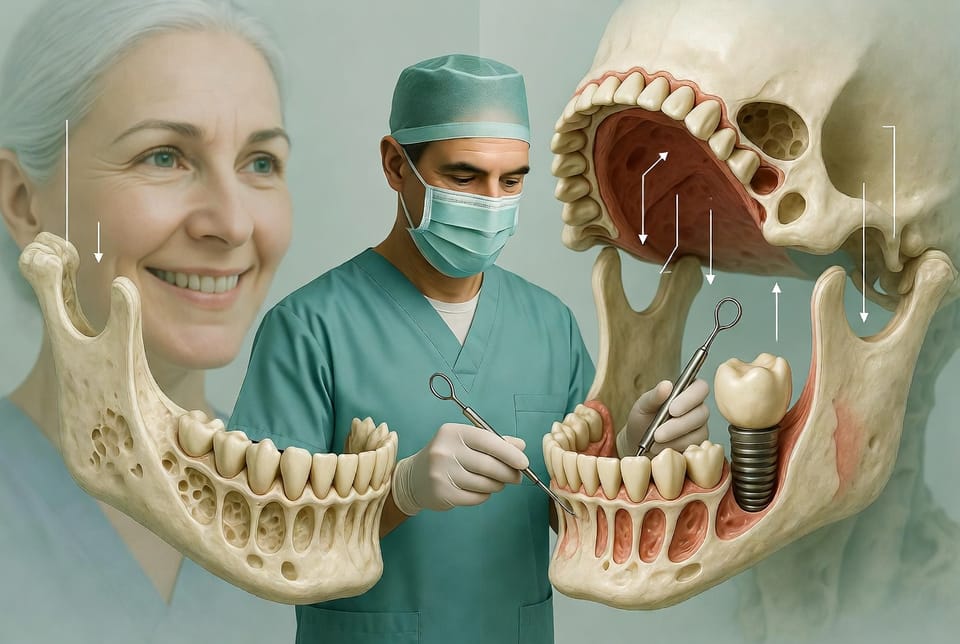
When it comes to restoring your smile with dental implants, a strong, healthy jawbone is essential. Yet for many patients, years of tooth loss, gum disease, or injury have left insufficient bone to support an implant. That’s where a dental bone graft becomes the trusted preparatory procedure that sets the stage for long-term success. This common, highly predictable surgery rebuilds bone volume and density, allowing implants to integrate securely and function like natural teeth. At our practice, we perform hundreds of bone grafts each year with excellent outcomes, giving patients the confidence to move forward with implant treatment. If you’ve been told you don’t have enough bone for implants, rest assured—modern bone grafting for dental implants offers a reliable solution that can transform your treatment plan.
Schedule Your Bone Graft Consultation Today – Call Now!
What Is a Dental Bone Graft?
A dental bone graft is a surgical procedure that adds volume and strength to the jawbone by placing biocompatible material in areas where bone has been lost. The graft acts as a scaffold, encouraging your own body’s natural bone cells to grow into and eventually replace the grafted material. Over time, the new bone becomes strong enough to support a titanium dental implant. This preparatory step is often the difference between being a candidate for implants and needing an alternative restoration. The procedure is performed under local anesthesia or sedation, making it comfortable and stress-free for most patients.
Why Bone Grafting Is Needed for Dental Implants
Dental implants require a minimum amount of healthy bone to achieve primary stability and long-term osseointegration. When bone volume is inadequate, the implant cannot anchor properly, increasing the risk of failure. Bone loss typically occurs after tooth extraction because the jawbone no longer receives the stimulation it needs to maintain its density. Without intervention, the bone continues to resorb, creating a sunken appearance in the face and limiting restorative options. A dental bone graft reverses this process, restoring the foundation needed for a stable, natural-looking implant.
Common Reasons Patients Need a Bone Graft
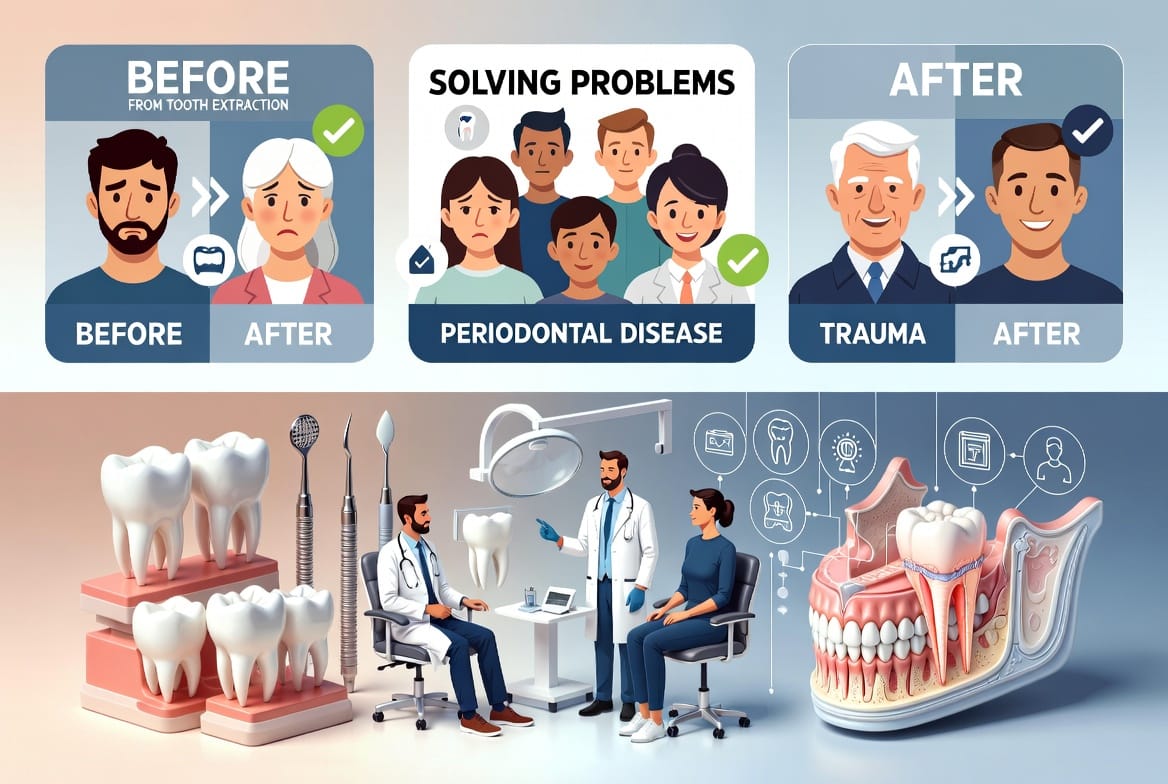
Bone loss rarely happens overnight. Most patients experience gradual resorption due to one or more of the following:
- Tooth extraction without immediate socket preservation
- Advanced periodontal disease that destroys supporting bone
- Trauma or injury to the jaw
- Long-term denture wear that accelerates bone atrophy
- Congenital conditions or developmental bone deficiencies
Recognizing these causes early allows us to plan grafting proactively, often combining it with other procedures for optimal efficiency.
Types of Bone Graft Materials We Use
We select graft material based on your specific needs, medical history, and treatment goals. The three primary options are:
- Autograft – Bone harvested from your own body (commonly the chin, hip, or tibia). This “gold standard” material contains living cells and growth factors, promoting the fastest integration with minimal rejection risk.
- Allograft – Processed, sterilized bone from a human donor. It provides excellent structural support and is widely used because it eliminates the need for a second surgical site.
- Synthetic (alloplastic) grafts – Laboratory-created biomaterials such as hydroxyapatite or bioactive glass. These options are ideal for patients who prefer to avoid donor tissue while still achieving reliable bone regeneration.
Each type is safe, FDA-cleared, and chosen after careful evaluation. Most patients experience little to no difference in comfort regardless of material used.
The Bone Grafting Procedure: What to Expect
On the day of surgery, we begin with gentle anesthesia to ensure complete comfort. A small incision is made in the gum tissue to access the deficient area. The site is carefully prepared, and the selected graft material is placed and secured with a protective membrane or collagen plug. Sutures close the site, and you return home the same day with detailed aftercare instructions. The entire appointment typically lasts 45–90 minutes. Many patients report the procedure feels far easier than anticipated, often comparing it to a routine tooth extraction.
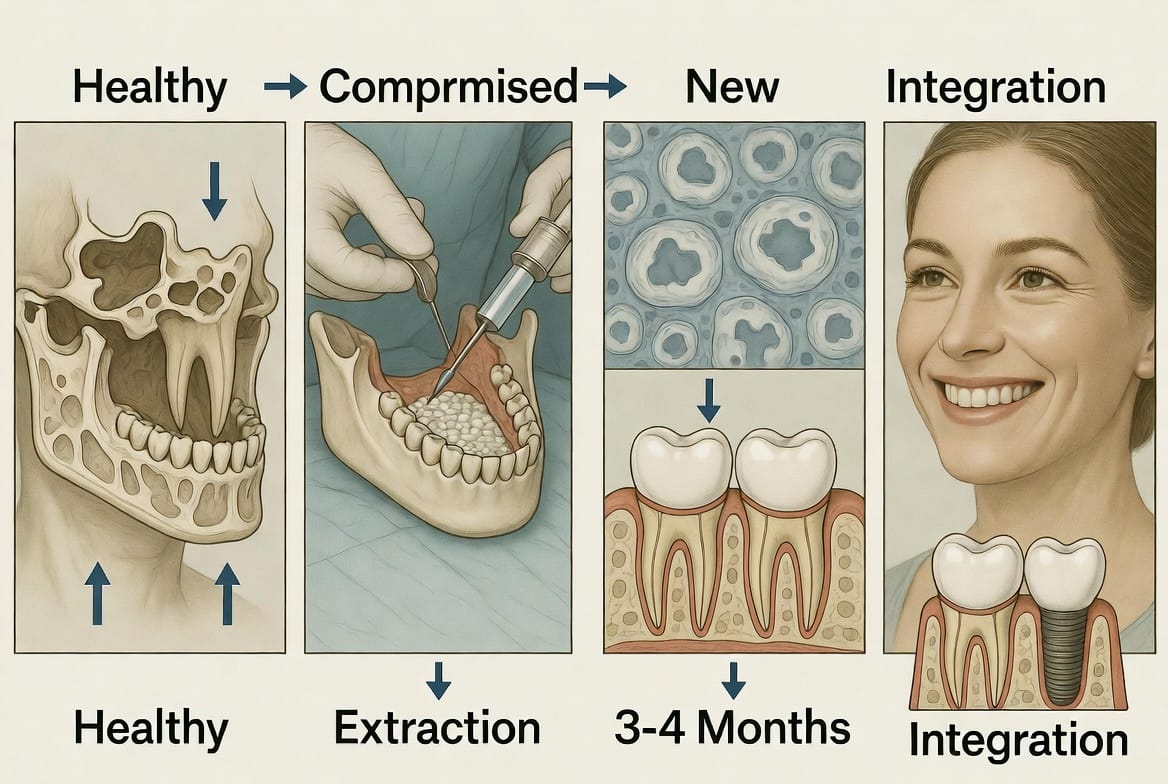
Healing Timeline: From Graft to Implant-Ready Bone
Healing is a gradual, predictable process that typically follows this timeline:
- First 1–2 weeks: Soft tissue heals; mild swelling and minor discomfort are managed with prescribed medication and ice.
- Weeks 3–8: The graft begins to stabilize as new blood vessels form.
- Months 3–4: Significant bone remodeling occurs; the graft material is replaced by your own living bone.
- Months 4–6 (or up to 9 in larger grafts): Full maturation and density are achieved, allowing safe implant placement.
Throughout this period we monitor progress with periodic imaging to confirm successful integration. Patients are encouraged to maintain excellent oral hygiene and avoid smoking, which can slow healing.
Benefits of Choosing Bone Grafting
Beyond enabling implant placement, a successful dental bone graft offers several long-term advantages:
- Improved facial structure and youthful appearance
- Higher implant success rates (often exceeding 95% when bone volume is restored)
- Better chewing function and speech clarity
- Prevention of further bone loss
- Enhanced aesthetic outcomes for crowns and bridges
Patients frequently tell us the procedure gave them back not just teeth, but confidence and quality of life.
Are There Any Risks?
As with any minor oral surgery, dental bone grafting carries minimal risks including temporary swelling, bruising, or infection. These are rare and easily managed with proper care. Our team uses sterile techniques, advanced materials, and thorough follow-up to keep complications to an absolute minimum. Most patients resume normal activities within a day or two.
Preparing for Your Bone Graft and Beyond
Before surgery we provide a complete treatment roadmap, including dietary guidelines and medication instructions. After the graft heals and the implant is placed, you’ll enjoy a restoration that looks, feels, and functions like a natural tooth—often for decades with proper maintenance.
Build a Strong Foundation for Implants Today
A dental bone graft is a smart, proactive investment in your long-term oral health. It turns “not enough bone” into “perfectly prepared” and opens the door to the life-changing benefits of dental implants. If you’ve been told bone loss prevents you from getting implants, we invite you to schedule a consultation. Our experienced team will evaluate your unique situation and design a personalized plan that delivers predictable, beautiful results.
Build a strong foundation for implants and rediscover the smile you deserve.
Ready for Successful Implant Placement? Call Us Today!