The Dental Abscess Emergency: Recognizing Symptoms and Seeking Immediate Care
A dental abscess can strike without warning, turning a minor toothache into a throbbing nightmare. As a common yet serious dental issue, understanding this condition is crucial for anyone prioritizing their oral health. In this comprehensive guide, we'll explore what a dental abscess truly is, how to spot its telltale signs, why it demands urgent attention, and the effective treatments available. Rest assured, with prompt action, you can prevent complications and restore your smile. Whether you're experiencing symptoms or simply seeking knowledge, this article equips you with the facts to act confidently.
Get Immediate Relief from Tooth Abscess Pain – Call Now
What Is a Dental Abscess?
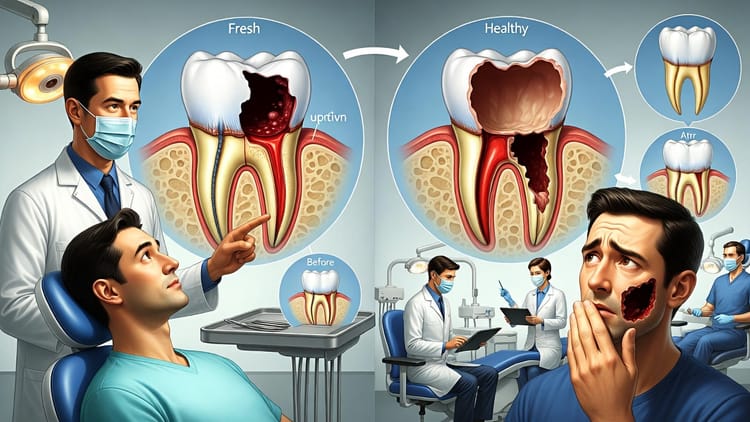
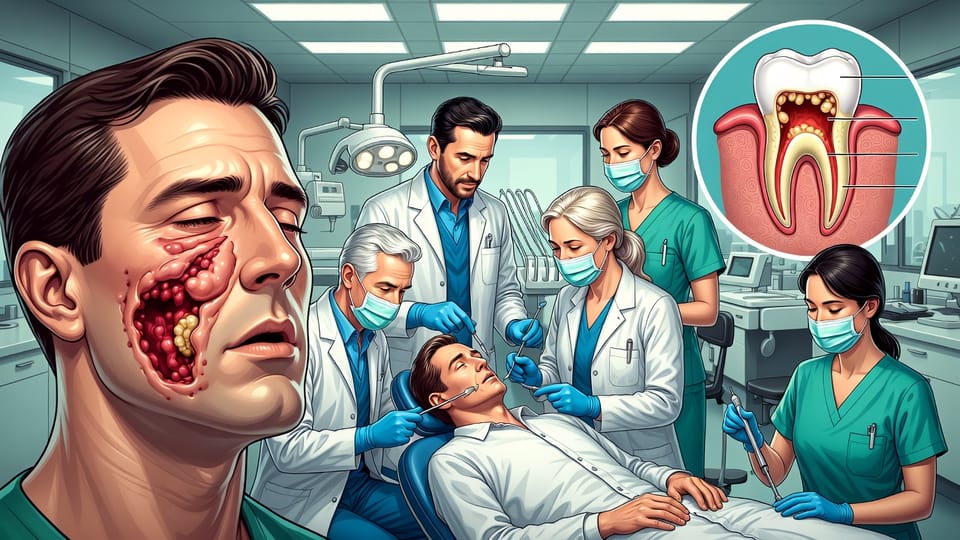
At its core, a dental abscess is a localized infection that forms a pocket of pus, typically at the root of a tooth or in the surrounding gum tissue. This occurs when bacteria invade the inner layers of the tooth—often through untreated decay, a cracked tooth, or gum disease—leading to inflammation and pus accumulation.
There are two primary types:
- Periapical abscess: This develops at the tip of the tooth root, usually from an infected nerve (pulp) inside the tooth.
- Periodontal abscess: This affects the gums and supporting bone, stemming from advanced periodontal disease.
Bacteria thrive in these enclosed spaces, multiplying rapidly and causing pressure buildup. Without intervention, the infection can spread, affecting nearby tissues or even entering the bloodstream. Think of it as your body's alarm system signaling a breach in oral defenses. Fortunately, modern dentistry offers precise diagnostics and treatments to resolve this efficiently.
Recognizing the Symptoms of a Dental Abscess
Early detection is key to managing a dental abscess effectively. Symptoms often escalate quickly, so tuning into your body's signals can make all the difference. Here's what to watch for:
- Severe, throbbing pain: This is often the first and most intense sign, radiating to the jaw, ear, or neck. It may worsen when lying down or biting.
- Swelling in the face or gums: Noticeable puffiness around the affected tooth, sometimes extending to the cheek or lymph nodes.
- Fever and general malaise: A low-grade fever, chills, or fatigue indicating the body's immune response to infection.
- Bad taste or odor in the mouth: A foul, bitter taste from pus drainage, accompanied by persistent bad breath.
- Sensitivity to hot or cold: Heightened reactions to temperature changes, or pain when chewing.
- Loose tooth or gum boil: In advanced cases, the tooth may feel wobbly, or a pimple-like bump (fistula) appears on the gums, releasing pus.
If these symptoms sound familiar, don't dismiss them as a passing issue. They point to an underlying infection that won't resolve on its own. Many patients report that over-the-counter pain relievers provide temporary relief, but this masks the problem rather than solving it. Consulting a dental professional ensures accurate diagnosis, often via X-rays to visualize the abscess.
Why a Dental Abscess Is a Medical Emergency
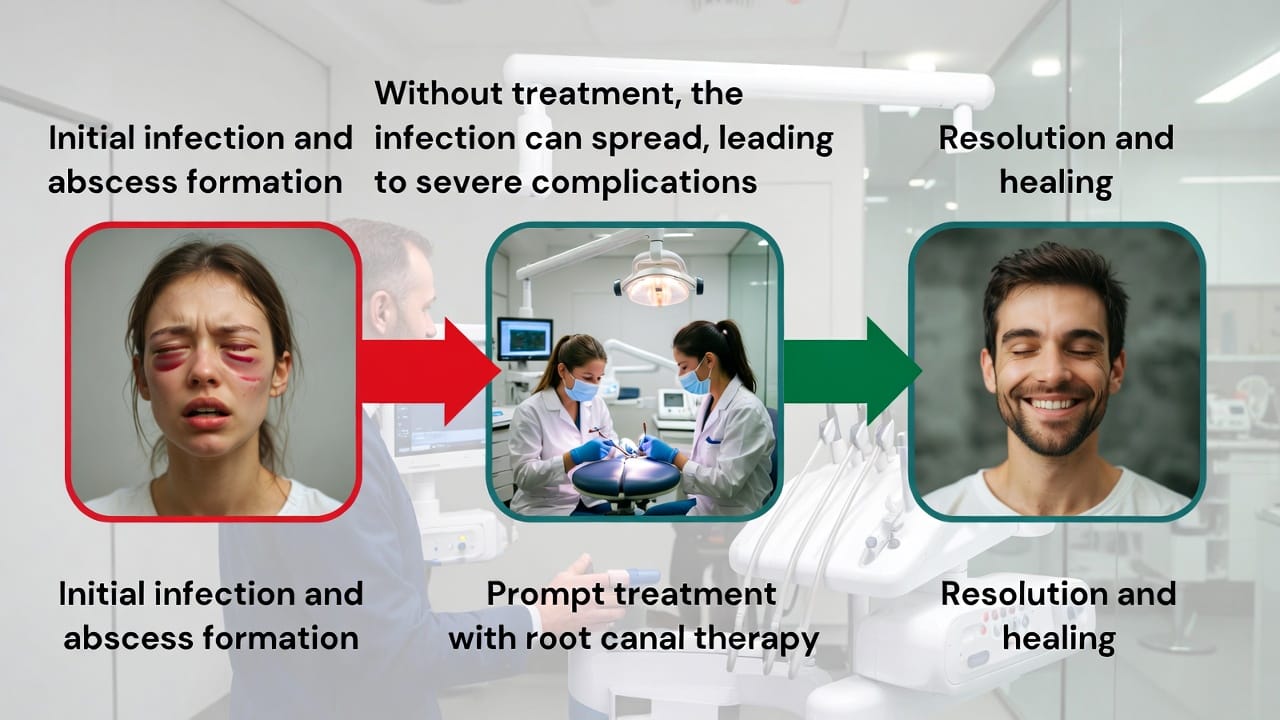
Ignoring a dental abscess isn't just uncomfortable—it's dangerous. What starts as a tooth infection can escalate into a systemic health threat. The pus-filled pocket acts like a reservoir for bacteria, which can burst and spread to adjacent areas, including the jawbone, sinuses, or neck spaces.
Key risks include:
- Ludwig's angina: A severe infection causing floor-of-mouth swelling, potentially obstructing airways and requiring hospitalization.
- Sepsis: If bacteria enter the bloodstream, this life-threatening condition can lead to organ failure.
- Osteomyelitis: Bone infection in the jaw, complicating recovery and necessitating extensive treatment.
- Brain abscess or meningitis: Rare but possible if the infection spreads upward, especially in upper teeth.
Statistically, untreated dental infections contribute to thousands of emergency room visits annually in the U.S. alone. Factors like weakened immunity (from diabetes, chemotherapy, or age) heighten vulnerability. However, the good news is that timely intervention prevents these outcomes. Dentists emphasize that a dental abscess is not "just a toothache"—it's an urgent call to action. By seeking care promptly, you safeguard not only your oral health but your overall well-being.
Treatment Options for Dental Abscesses
Treating a dental abscess focuses on eliminating the infection, relieving pain, and preserving the tooth when possible. Your dentist will tailor the approach based on the abscess's location and severity. Rest easy knowing these procedures are routine and highly effective in skilled hands.
Common treatments include:
- Antibiotics: Prescribed to combat bacterial infection, especially if swelling is widespread. However, antibiotics alone don't cure the abscess—they're adjunctive to definitive dental work. Common options like amoxicillin or clindamycin are well-tolerated.
- Root canal therapy: This saves the tooth by removing infected pulp, cleaning the root canals, and sealing them. It's performed under local anesthesia, with success rates over 95%. Post-procedure, a crown may strengthen the tooth.
- Incision and drainage: For immediate relief, the dentist lances the abscess to release pus, often under local numbing. This is quick and dramatically reduces pressure.
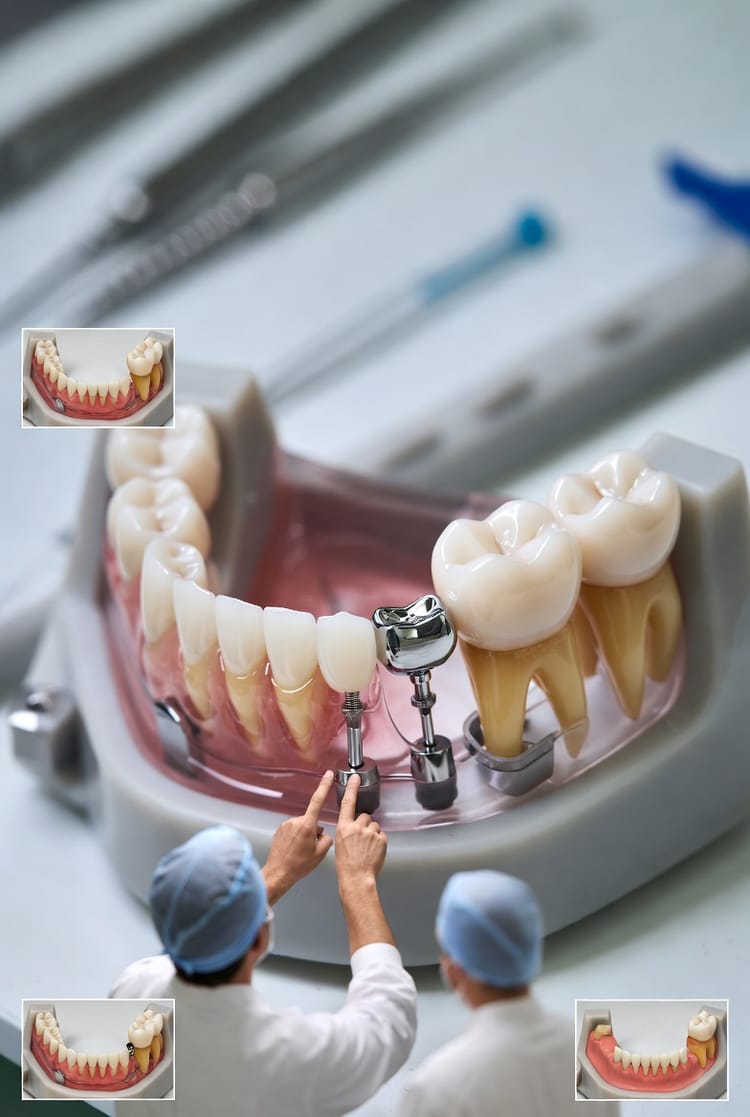
- Tooth extraction: If the tooth is beyond saving—due to extensive decay or fracture—removal is necessary. This prevents further spread, and options like implants or bridges can replace it later.
- Supportive care: Pain management with NSAIDs, warm salt rinses for drainage, and soft diets during recovery.
Follow-up is essential to monitor healing and prevent recurrence. In emergency settings, hospitals may provide IV antibiotics for severe cases, but most are handled in dental offices. Advances in techniques, like laser-assisted drainage, make treatments less invasive and faster.

Preventing Dental Abscesses: Proactive Steps
While emergencies happen, prevention is your best defense against dental abscesses. Incorporating simple habits can significantly reduce risks:
- Maintain excellent oral hygiene: Brush twice daily with fluoride toothpaste, floss regularly, and use an antiseptic mouthwash.
- Schedule routine check-ups: Biannual dental visits catch issues early, preventing decay from reaching the pulp.
- Address dental problems promptly: Don't delay fillings, crowns, or gum treatments.
- Protect your teeth: Wear mouthguards during sports and avoid using teeth as tools.
- Manage underlying conditions: Control diabetes or other health issues that impair immunity.
A balanced diet low in sugars also supports enamel strength. Remember, prevention isn't about perfection—it's about consistency. Your dentist can provide personalized advice, including fluoride treatments or sealants for added protection.
When to Seek Immediate Care
If symptoms align with a dental abscess, time is of the essence. Delaying can lead to irreversible damage or hospitalization. Contact your dentist immediately if pain is unrelenting or swelling increases. For after-hours issues, emergency dental services are available.
In rare cases, head to the ER if you experience:
- Difficulty breathing or swallowing
- High fever over 101°F
- Rapidly spreading redness or numbness
With accessible care, most patients recover fully within days. You're not alone—millions successfully navigate this each year.
Final Thoughts on Dental Abscess Management
A dental abscess may feel overwhelming, but knowledge empowers you to respond effectively. By recognizing symptoms early, understanding the emergency nature, and exploring treatment options, you position yourself for a swift resolution. Modern dentistry ensures comfort and success, turning potential crises into manageable events.
Fever, Swelling, Severe Pain? Call Emergency Dentist Now