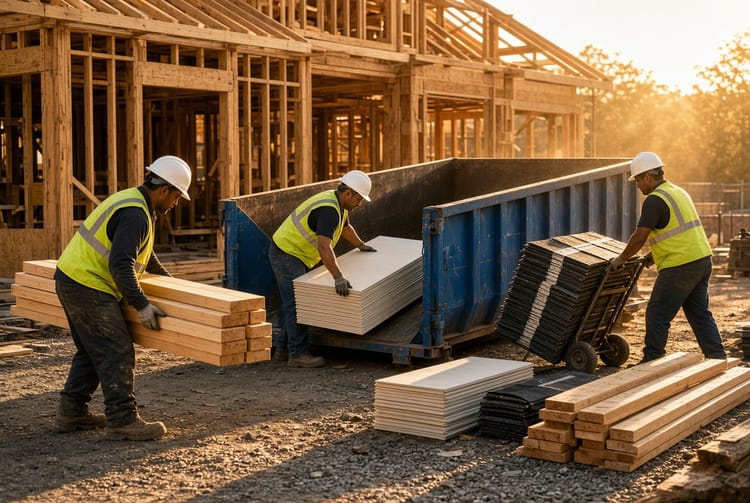
The Construction Site Dumpster: Placement, Protection, and Safety for Active Builds
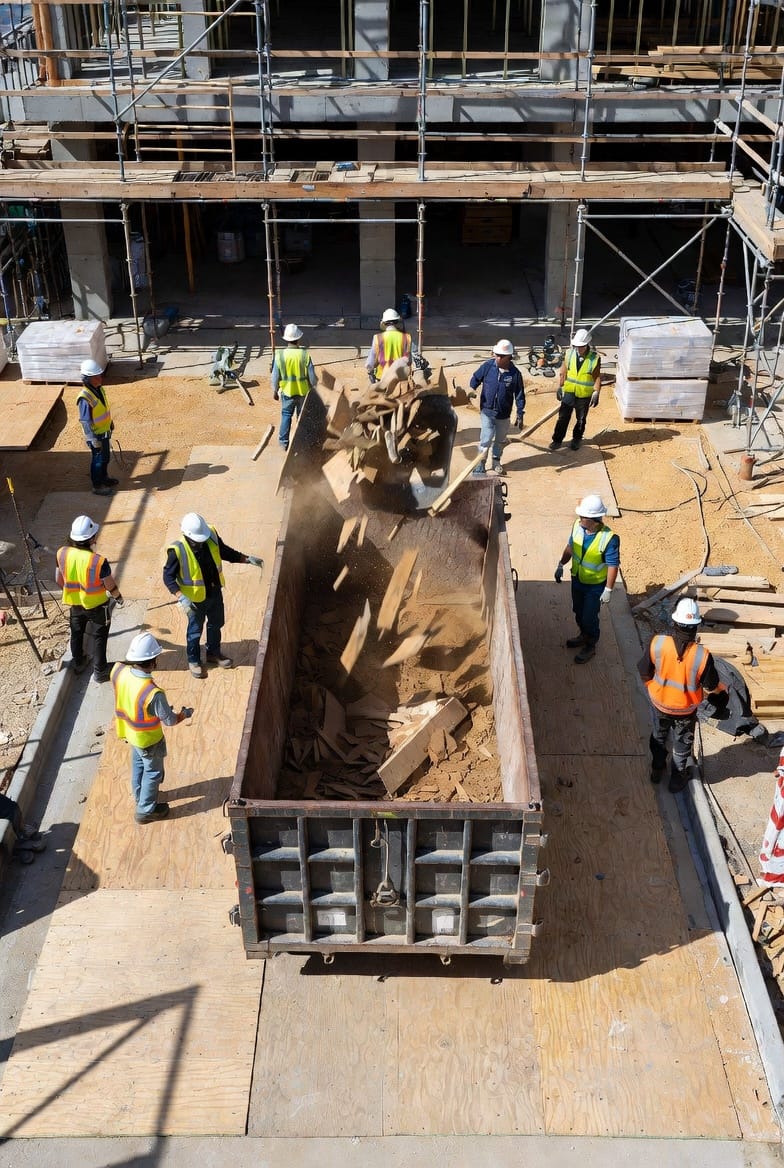
On active construction sites, managing waste effectively is a critical factor in maintaining productivity, ensuring safety, and protecting property. A well-placed construction dumpster does more than just collect debris—it streamlines workflows, reduces hazards, and prevents costly damage. For contractors juggling tight schedules, subcontractor coordination, and regulatory compliance, getting dumpster placement right from day one sets the tone for a successful project.
Place Your Dumpster Right – Call for Expert Service Today
Improper placement can lead to blocked access, surface damage, worker injuries, or even delays from denied deliveries. By following proven best practices, contractors can turn waste management into a seamless part of operations rather than a constant headache.
Why Strategic Dumpster Placement Matters for Contractors
Every construction project generates significant waste: drywall scraps, lumber cutoffs, concrete chunks, packaging, and more. Without a reliable dumpster rental system, sites quickly become cluttered, slowing down crews and increasing accident risks.
Key benefits of thoughtful placement include:
- Faster debris removal — Workers spend less time carrying materials across the site.
- Preserved surfaces — Avoid expensive repairs to driveways, lawns, or asphalt.
- Uninterrupted deliveries — Roll-off trucks need clear paths for drop-off and pickup.
- Enhanced safety — Reduced tripping hazards and clear emergency routes.
- Compliance — Meet OSHA guidelines and local ordinances more easily.
Contractors who prioritize these elements report fewer incidents, quicker cleanups, and happier clients.
Protecting Driveways and Surfaces: The Foundation of Smart Placement
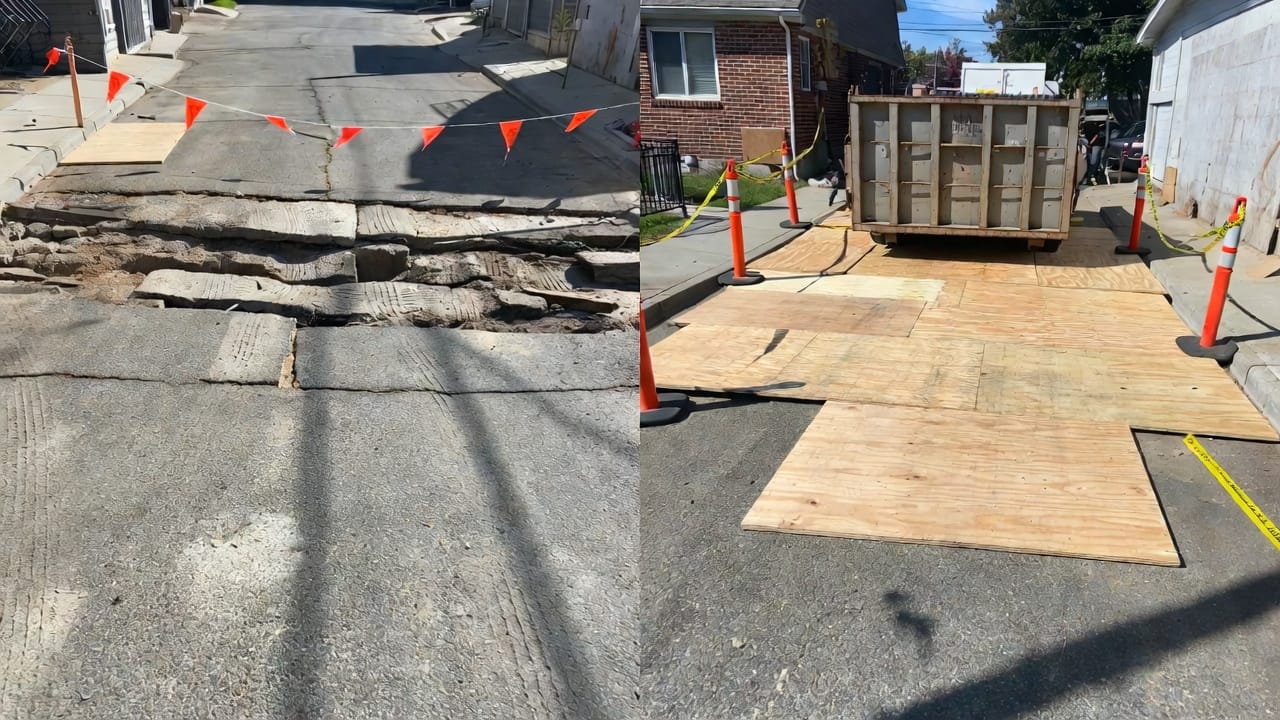
One of the most common and costly mistakes is placing a heavy dumpster directly on unprotected surfaces. Roll-off dumpsters, especially when loaded, can weigh several tons and easily crack asphalt, rut gravel, or damage concrete.
Best practice: Always use protective layers.
- Lay down thick plywood sheets (at least ¾-inch, preferably 1-inch or marine-grade) under the dumpster wheels and frame.
- Extend plywood well beyond the dumpster footprint to distribute weight evenly.
- For softer ground, consider timber mats or steel plates for added stability.
This simple step prevents surface damage claims from property owners and avoids project delays for repairs.
Tip: Inspect the ground beforehand. Avoid soft, recently filled areas or slopes that could cause tipping.
Ensuring Truck Access: Planning for Hassle-Free Deliveries and Pickups
Roll-off truck drivers need ample room to maneuver—typically 50–60 feet of straight-line approach plus swing space for the truck bed.
To keep access reliable:
- Position the dumpster near the site entrance but not blocking it.
- Maintain a minimum 12–14 foot wide path clear of obstacles.
- Avoid placing near tight corners, low branches, or overhead utilities.
- Schedule deliveries during low-traffic hours if the site is in a busy area.
Pro tip: Mark the drop-off spot with cones or flags in advance. Communicate exact requirements to the dumpster service provider to prevent misdeliveries.
When access is compromised, trucks may refuse service, leading to overflowing debris and safety violations.
Optimal Positioning for Easy Loading and Workflow Efficiency
The goal is to make debris disposal as effortless as possible so workers aren't wasting time or energy.
Ideal positioning guidelines:
- Place the dumpster close to the main work zones but outside primary traffic paths.
- Orient the open end toward the building exit or high-waste areas for quick toss-ins.
- Keep it 20–50 feet from active work to minimize carrying distance without crowding.
- Avoid blocking material staging, equipment paths, or scaffolding access.
On multi-phase builds, plan to relocate the dumpster as the project progresses—many services offer flexible swap-outs.
Result: Crews stay focused on building rather than waste logistics, boosting overall productivity.
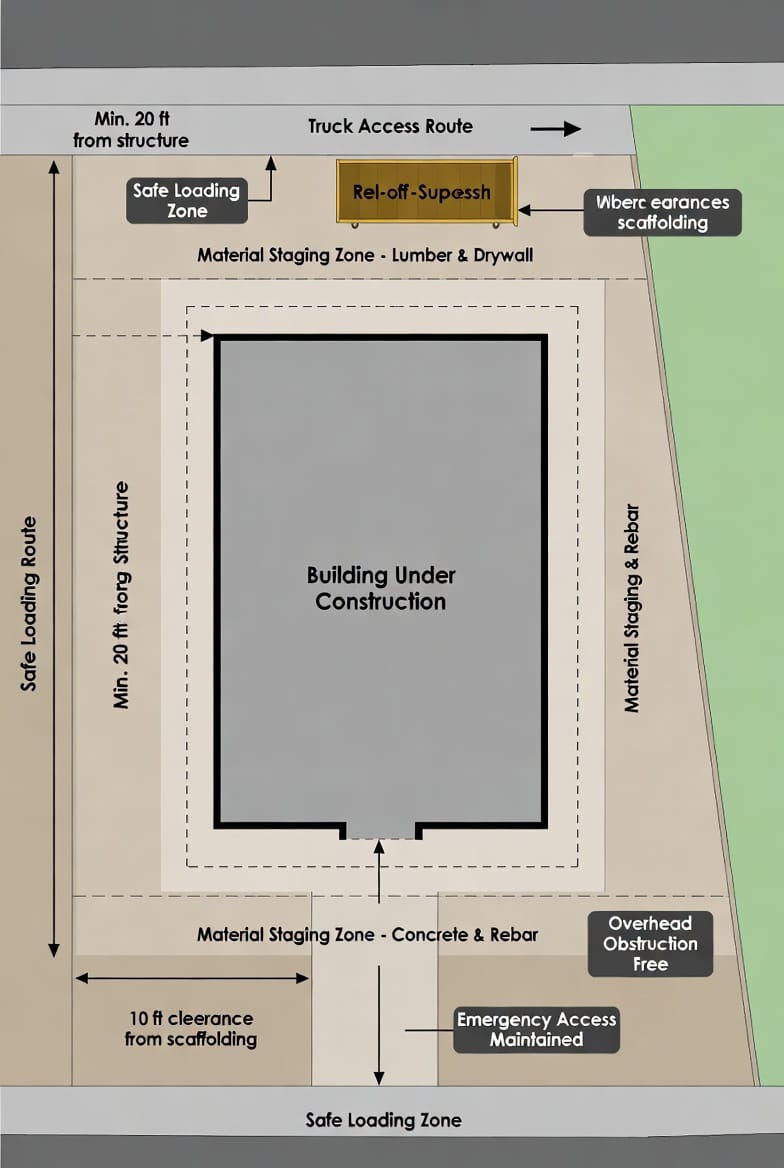
Key Safety Considerations Every Contractor Must Address
Safety is non-negotiable on any active build. A poorly managed dumpster can become a serious liability.
Critical safety considerations include:
- Load limits — Never overfill; keep materials below the side rails to prevent spills during transport.
- Stable ground — Ensure the surface is level and firm to avoid tipping risks.
- Clear walkways — Maintain at least 3 feet around the dumpster for safe access.
- Hazard marking — Use reflective tape or signage if placed near vehicle paths.
- Overhead awareness — Check for power lines, tree branches, or scaffolding that could interfere with truck hydraulics.
- Prohibited items — Educate crews on banned materials (e.g., hazardous waste, tires, appliances) to avoid fines.
Regular inspections help catch issues early. A quick daily walk-around ensures the dumpster remains secure and accessible.
Remember: A clean, organized site reduces OSHA citations and keeps insurance premiums in check.
Site Preparation Checklist: Setting Up for Success
Proper preparation before the dumpster arrives prevents most common problems.
Use this checklist:
- Clear and level the drop zone.
- Deploy plywood or mats for surface protection.
- Mark overhead obstructions with tall flags or caution tape.
- Establish a clear access path for the delivery truck.
- Brief the team on loading protocols and prohibited items.
- Confirm delivery time and site contact with your dumpster provider.
Taking these steps upfront saves time, money, and frustration.
Common Mistakes to Avoid on Active Sites
Even experienced contractors occasionally overlook details. Watch out for:
- Placing on slopes or uneven ground.
- Ignoring weight restrictions on driveways or parking areas.
- Blocking emergency vehicle access.
- Allowing debris to pile up outside the dumpster.
- Forgetting to account for future phases of the build.
Addressing these proactively keeps projects on track.
Maximizing Dumpster Rental Value for Contractors
Choosing the right dumpster size and service is just as important as placement.
- Match size to project scope: 10–20 yard for small remodels, 30–40 yard for larger builds.
- Opt for flexible rental periods to accommodate changing needs.
- Select providers offering reliable delivery, quick pickups, and clear pricing.
A dependable partner reduces downtime and lets you focus on construction.
Final Thoughts on Efficient Waste Management
Mastering dumpster placement, surface protection, and safety protocols transforms waste handling from a chore into a competitive advantage. Contractors who implement these best practices enjoy cleaner sites, fewer incidents, faster progress, and satisfied clients.
Ready for Hassle-Free Waste Removal? Call Contractor Service Now