The Condenser Fan Motor: Signs of Failure and Replacement Options
In today’s homes, reliable air conditioning is essential for comfort and efficiency, especially during peak summer heat. At the heart of every outdoor condenser unit is the condenser fan motor – a hardworking component responsible for expelling heat from your home’s interior. When this motor begins to fail, your entire HVAC system can suffer, leading to poor cooling, higher energy bills, and even costly compressor damage if left unchecked.
Don’t Let Fan Motor Failure Ruin Your AC – Call Today
Understanding the signs of failure and knowing your replacement options empowers homeowners to act quickly and confidently. In this comprehensive guide, we explore how condenser fan motors operate, why they fail, how to spot trouble early, and the smartest paths to professional replacement. Rest assured, with timely attention from qualified technicians, your system can return to peak performance and continue delivering dependable comfort for years to come.
The Critical Role of the Condenser Fan Motor in Your Outdoor Unit
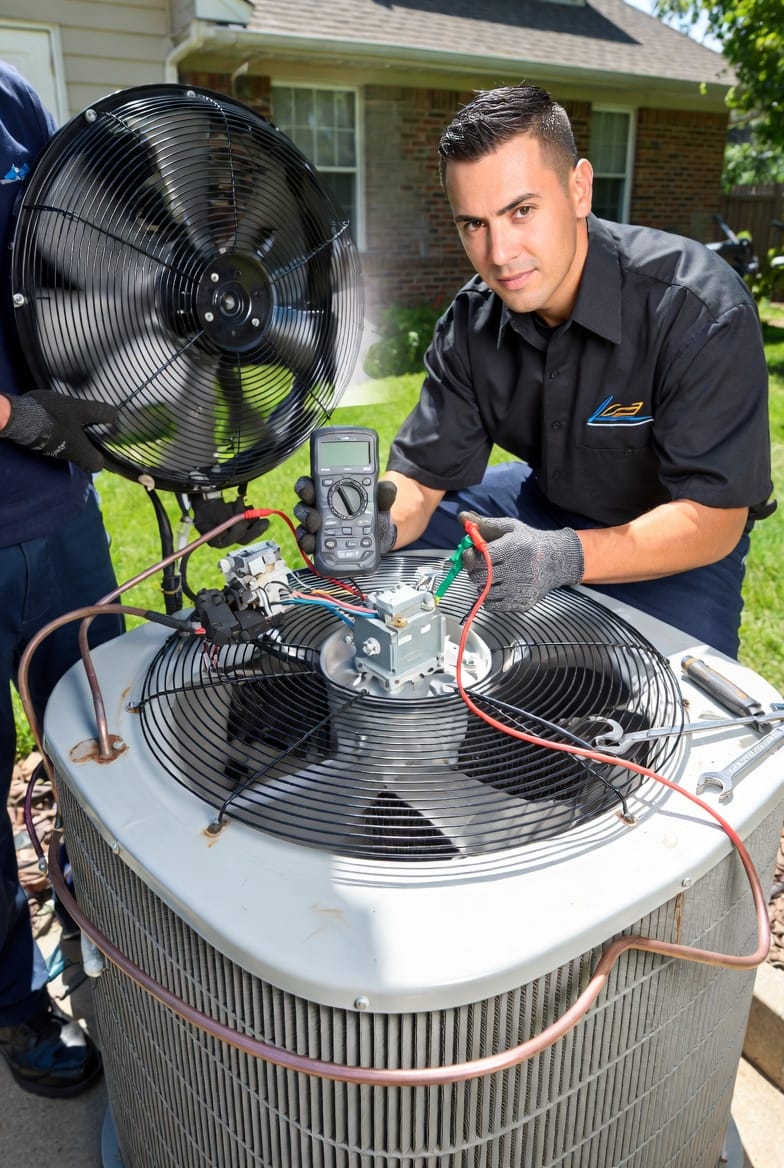
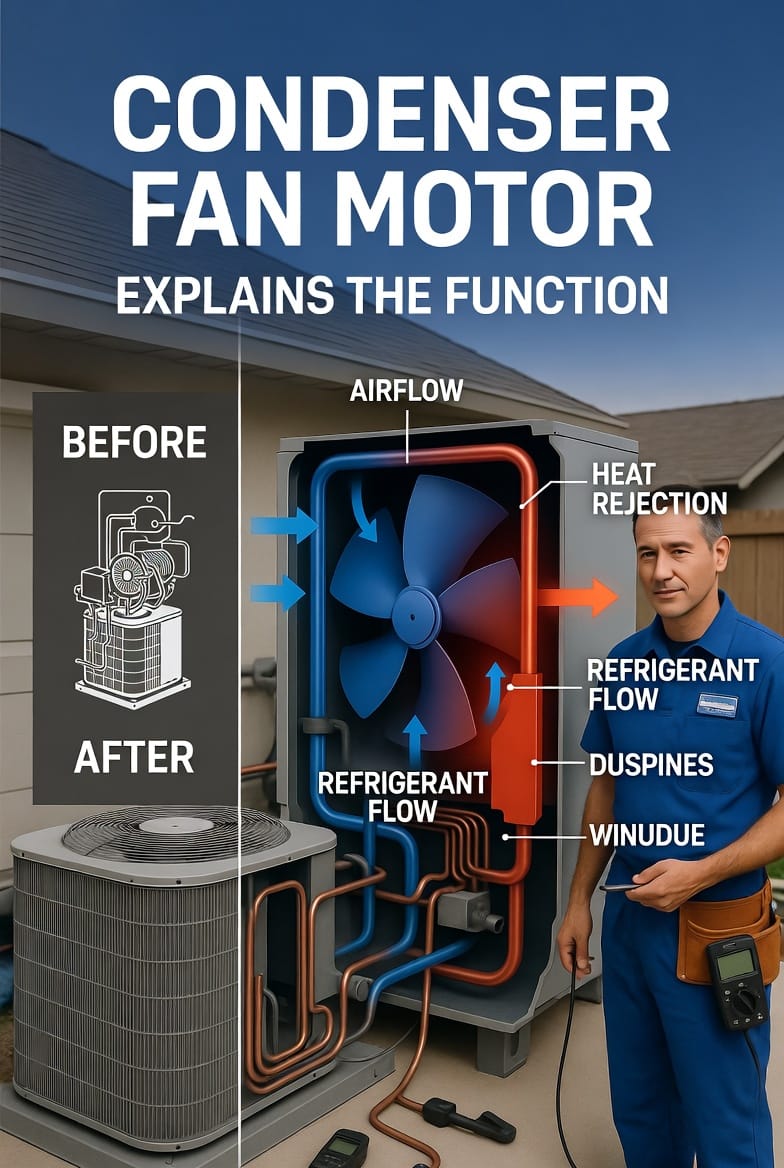
The condenser fan motor is the powerhouse behind effective heat rejection in your air conditioning system. Located in the outdoor condenser unit, it spins the fan blades that draw ambient air across the condenser coils. This process releases the heat absorbed indoors by the refrigerant, allowing the system to maintain cool indoor temperatures efficiently.
Without a properly functioning condenser fan motor, heat builds up inside the unit, causing excessive pressure on the compressor and reduced cooling capacity. Homeowners often notice gradual declines in performance before complete failure occurs. A healthy motor ensures optimal airflow, lower operating costs, and extended lifespan for the entire HVAC system.
Technicians emphasize that this component operates under demanding conditions – constant exposure to weather, debris, and temperature fluctuations. Regular system tune-ups help preserve its reliability, but even well-maintained motors eventually show wear. Recognizing this reality allows proactive care rather than reactive emergency repairs.
Common Causes of Condenser Fan Motor Failure
Condenser fan motors typically fail due to mechanical and electrical stresses that accumulate over time. The two most frequent culprits are bearing wear and electrical shorts, though environmental factors also play a significant role.
Bearing wear develops gradually as the motor’s internal bearings lose lubrication or become contaminated with dust, pollen, and moisture. Friction increases, causing the motor to work harder and eventually seize. This is especially common in units installed in dusty or coastal areas where salt air accelerates corrosion.
Electrical shorts occur when wiring insulation degrades, voltage surges damage internal windings, or a failing run capacitor prevents proper startup. These issues can cause the motor to overheat rapidly, trip breakers, or stop functioning altogether.
Additional risks include debris accumulation that restricts blade movement, capacitor failure that prevents the motor from starting, and prolonged exposure to extreme temperatures. Each cause creates a cascade effect: reduced airflow leads to higher head pressure, which strains the compressor and shortens the life of your entire outdoor unit.
Early intervention prevents these minor issues from escalating into major system failures. Professional diagnosis identifies the root cause quickly, saving you time and money while restoring full cooling capacity.
Recognizing the Signs of Condenser Fan Motor Failure
Spotting trouble early protects your comfort and your wallet. Here are the most common signs of condenser fan motor failure every homeowner should watch for:
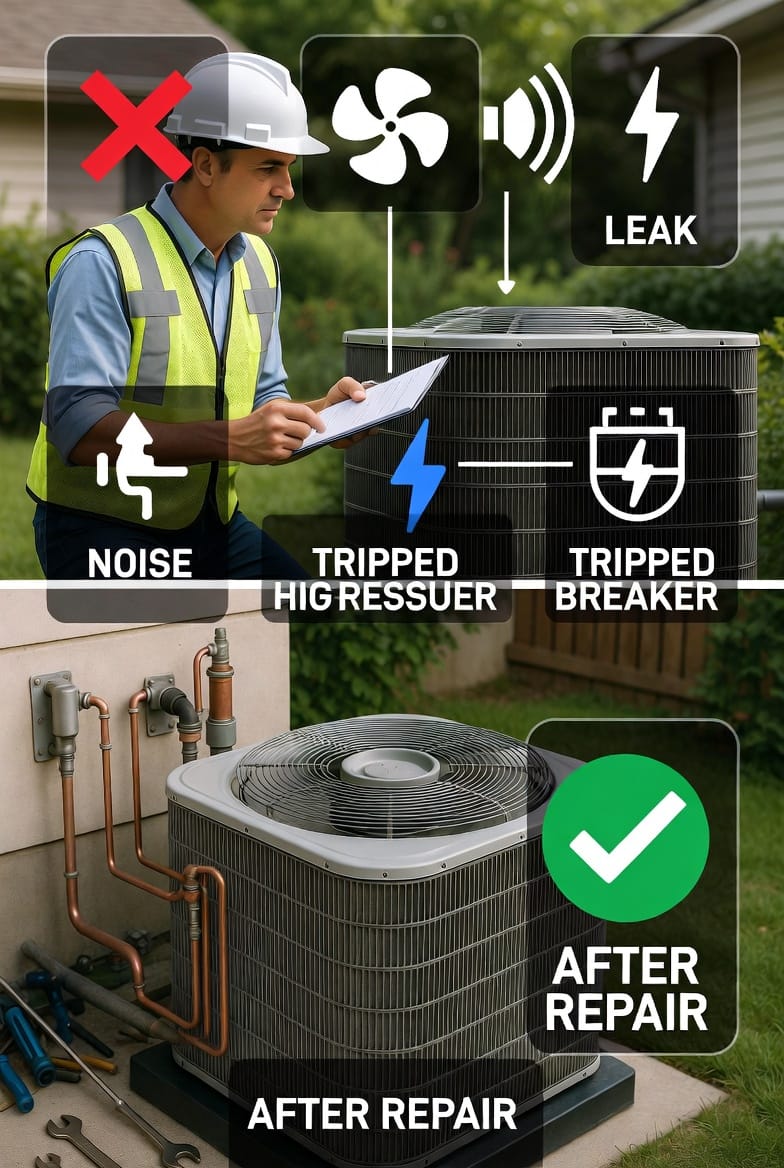
- Fan not spinning – The motor may hum but the blades remain stationary, indicating seized bearings or a failed start capacitor.
- Loud grinding or squealing noises – These sounds signal advanced bearing wear and should never be ignored.
- Overheating of the motor housing – Excessive heat is a clear warning that the motor is struggling under load.
- System not cooling effectively – Warm air continues to blow indoors because heat is not being properly rejected outside.
- Frequent circuit breaker trips – Electrical shorts or overloaded windings often cause this safety response.
- Unusually high energy bills – The system works harder to compensate for poor airflow, driving up consumption.
- High head pressure readings (observed by technicians) – This confirms restricted heat rejection and potential compressor stress.
These symptoms rarely appear overnight. They develop progressively, giving attentive homeowners time to schedule service before a complete breakdown occurs.
Professional Diagnosis and Replacement Considerations
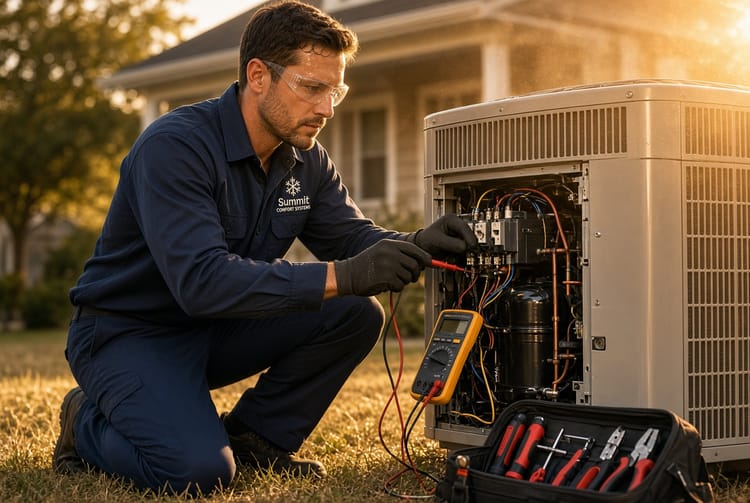
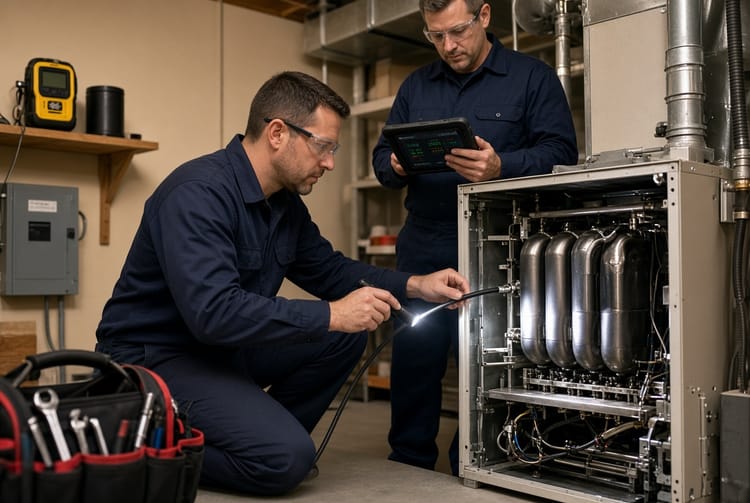
Accurate diagnosis requires specialized tools and experience. Certified technicians begin with a visual inspection, followed by electrical testing using a multimeter to check voltage, continuity, and resistance. They also measure amp draw and verify capacitor performance to pinpoint the exact failure mode.
When replacement becomes necessary, several replacement options exist. Homeowners can choose OEM motors for perfect compatibility or high-quality aftermarket equivalents that often include upgraded features such as sealed bearings or variable-speed capabilities. Key considerations include horsepower rating, voltage, shaft diameter, mounting style, and motor rotation direction.
Professional installation ensures proper wiring, secure mounting, and thorough system testing after the new condenser fan motor is in place. DIY attempts frequently lead to mismatched parts, safety hazards, or voided warranties. Investing in expert service guarantees long-term reliability and peace of mind.
Costs vary based on motor type and labor, but timely replacement typically prevents far more expensive compressor repairs. Many service providers offer flexible financing and comprehensive warranties that protect your investment.
Maintenance Tips to Extend Condenser Fan Motor Life
Prevention remains the best strategy. Schedule annual professional tune-ups to clean coils, lubricate moving parts, and test electrical components before peak season. Keep surrounding vegetation trimmed and the unit free of debris to maintain unrestricted airflow.
Homeowners can also inspect the fan blades monthly for damage and ensure the condenser unit sits level on a stable pad. These simple habits significantly reduce the likelihood of premature condenser fan motor failure.
Why Timely Action Delivers Lasting Benefits
Addressing condenser fan motor issues promptly restores system efficiency, lowers monthly energy costs, and protects the compressor from unnecessary strain. Families enjoy consistent indoor comfort without unexpected disruptions, while the HVAC system operates at its designed capacity for maximum longevity.
Modern replacement motors often incorporate energy-efficient designs that further reduce operating expenses. Choosing a reputable service provider ensures quality parts and expert workmanship every step of the way.
Call Now for Expert Condenser Fan Motor Diagnosis