The Clothes Moth Larvae: Identification and Elimination
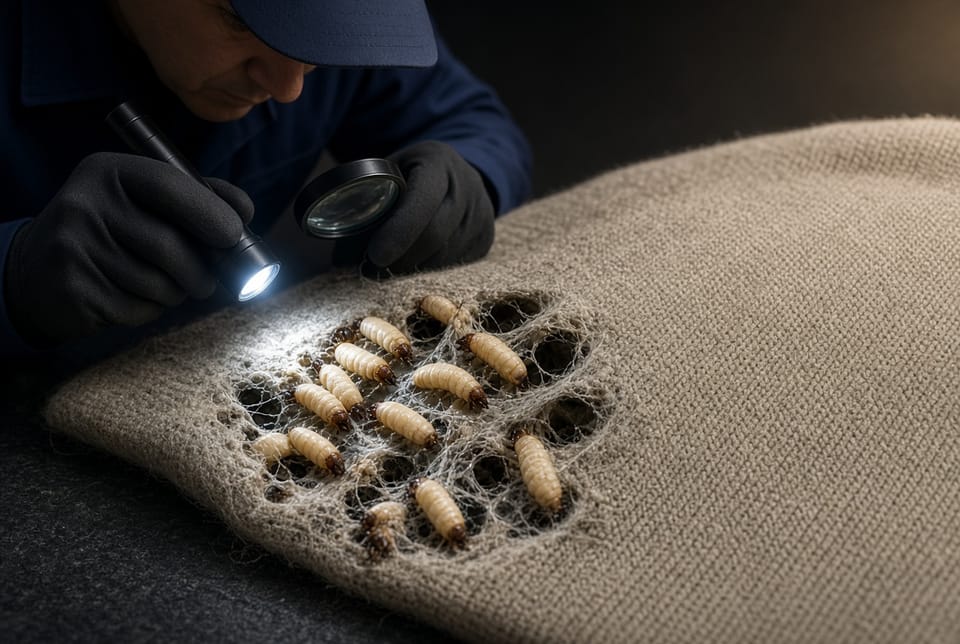
Clothes moth larvae represent the most destructive stage in the life of these common household pests. Adult moths themselves cause little harm; the real threat arrives when tiny cream-colored caterpillars with dark heads begin feeding on natural fibers. Understanding this specific life stage allows homeowners to recognize an infestation early and apply targeted elimination methods before valuable clothing, rugs, or upholstery suffer irreversible damage. This guide explains precise identification features, the most reliable signs of activity, and proven non-chemical and professional techniques that restore peace of mind.
Stop Clothes Moth Larvae Today – Call Now!
Clothes moths belong primarily to two species frequently encountered in homes: the webbing clothes moth and the casemaking clothes moth. In both cases the larval stage lasts several weeks to many months depending on temperature, humidity, and food availability. During this period the larvae consume keratin, the protein found in wool, cashmere, silk, fur, feathers, and even leather. Synthetic fabrics usually remain untouched unless they are blended with natural fibers or soiled with food stains, sweat, or body oils that attract the insects.
Early recognition of larvae prevents the quiet, hidden destruction that often goes unnoticed until holes appear in stored winter garments. The following sections provide authoritative, step-by-step guidance so you can act with confidence.
Understanding the Destructive Larval Stage
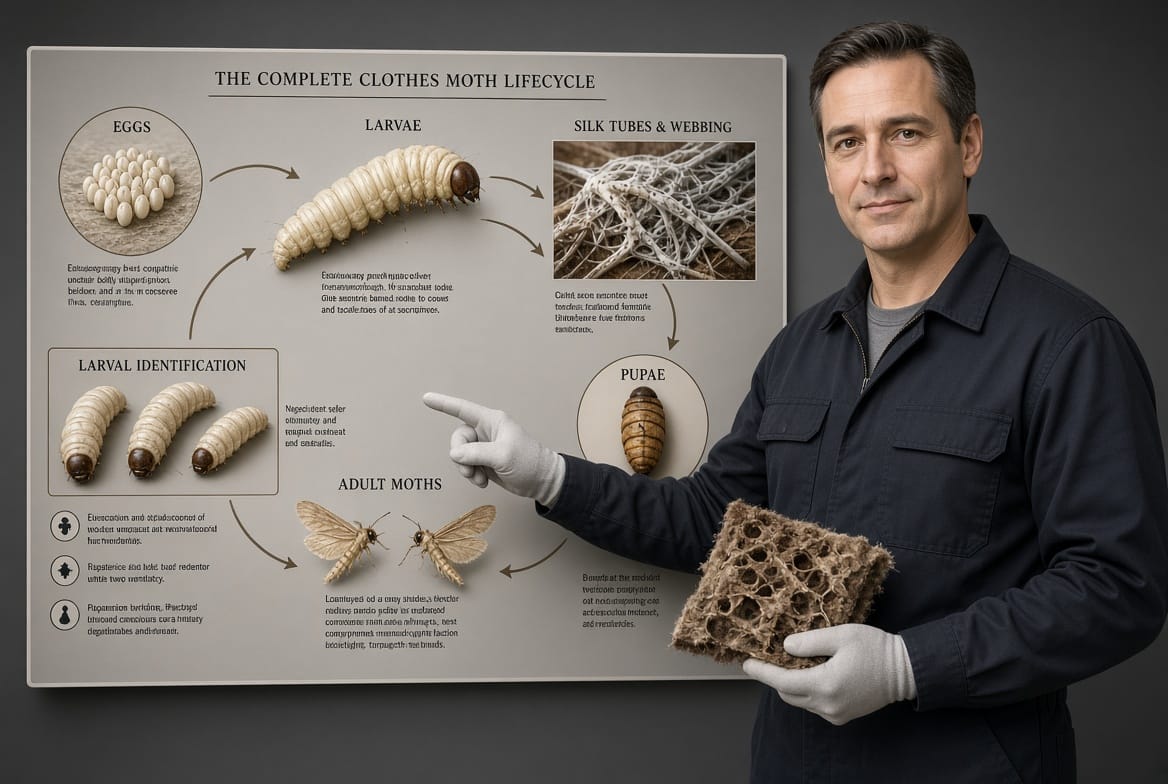
Clothes moth larvae hatch from eggs laid by adult females in dark, undisturbed locations. The newly emerged larva is minute, yet it immediately begins feeding. As it grows it molts several times, remaining cream or off-white in body color while its head capsule stays noticeably darker—usually brown to nearly black. Mature larvae reach approximately half an inch in length.
This stage is uniquely dangerous because larvae can survive for extended periods in low-activity environments such as closets, attics, or storage chests. They prefer areas that remain dark and receive little air circulation. Consequently, items stored for a season or longer become prime targets. The reassuring truth is that once you know what to look for, larvae become relatively easy to locate and remove.
Temperature and humidity strongly influence development. Warmer, slightly humid conditions accelerate growth, while cooler, drier settings slow it. This biological fact underpins several elimination methods discussed later, particularly freezing.
How to Identify Clothes Moth Larvae
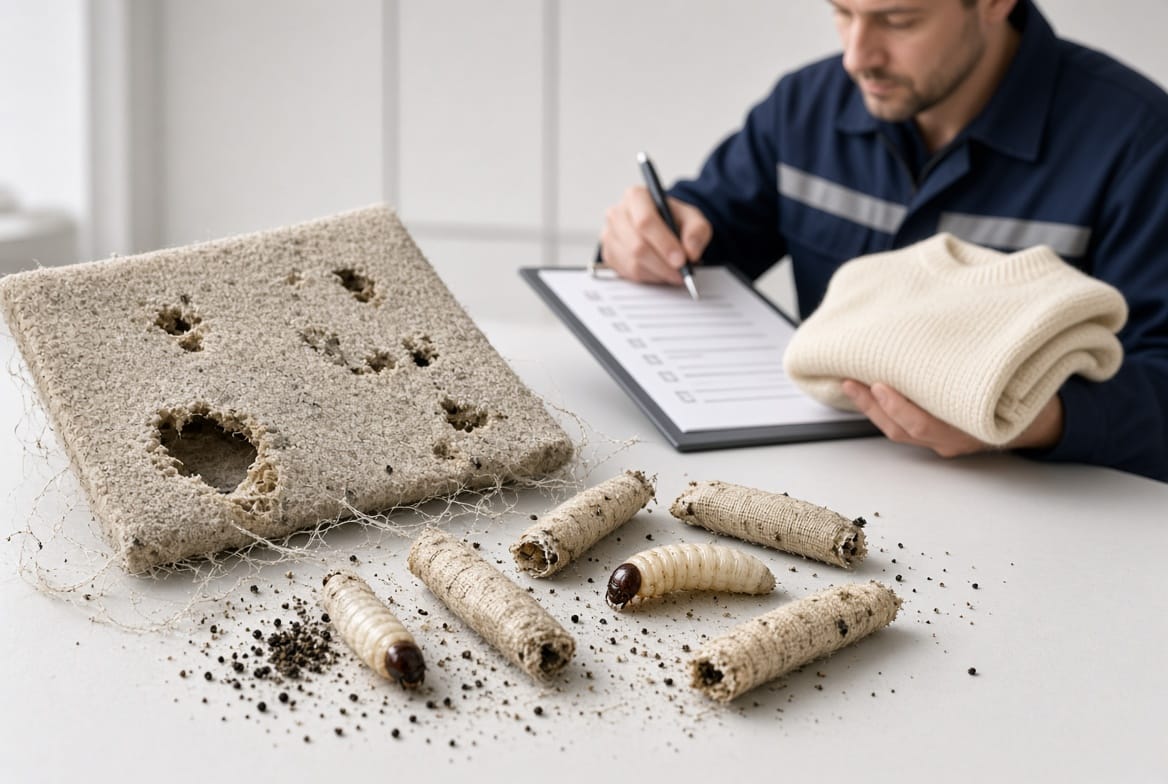
Accurate identification starts with visual characteristics. Look for small, elongated, cream-colored bodies that contrast sharply with a dark head. The larvae lack the prominent legs or distinct segments seen in some other household caterpillars; they appear smooth and somewhat translucent when young. They move slowly and tend to stay close to their food source.
Two common types differ slightly in behavior:
- Webbing clothes moth larvae spin loose silken webbing over the surface they are eating.
- Casemaking clothes moth larvae construct portable silk tubes or cases that they carry with them; these cases often incorporate fibers from the fabric itself.
When examining suspect items, use a bright flashlight and a magnifying glass. Check seams, folds, collars, cuffs, and the underside of rugs. Larvae frequently hide in these protected spots. Shed larval skins, which appear as empty, papery casings, also confirm recent activity.
Do not confuse clothes moth larvae with carpet beetle larvae. Carpet beetle larvae are usually darker, covered in bristly hairs, and leave different damage patterns. Clothes moth larvae remain pale with a clearly darker head and produce characteristic silk structures.
Recognizing Signs of Infestation
Beyond seeing the larvae themselves, several unmistakable signs indicate an active problem. The most frequent indicators include:
- Irregular holes in wool, cashmere, or silk garments, often concentrated in hidden areas rather than along edges.
- Fine silken webbing that looks like thin, sticky threads or patches on fabric surfaces.
- Silk tubes or portable cases constructed by casemaking larvae; these tubes may contain bits of the damaged material.
- Small, sand-like fecal pellets (frass) scattered near feeding sites.
- A faint musty odor in heavily infested closets or storage areas.
These signs often appear together. Webbing and holes frequently occur on the same garment, while silk tubes may be found along baseboards or inside storage boxes. Regular inspection of infrequently used items remains the most effective early-warning practice.
Effective Elimination Methods
Once larvae or their signs are confirmed, prompt action stops further damage. The three primary household methods—thorough cleaning, freezing, and vacuuming—address both the insects and the conditions that support them. These techniques work best when combined.
Thorough Cleaning
Begin by isolating infested items. Place them in sealed plastic bags to prevent larvae from spreading while you work. Wash washable garments in hot water if the fabric care label permits; temperatures above 120°F kill larvae and eggs. For items that cannot be washed, professional dry cleaning is highly effective because the solvents and heat used in the process eliminate all life stages.
After treating the clothing itself, clean the storage environment. Wipe closet shelves, drawers, and baseboards with a mild detergent solution. Pay special attention to cracks and corners where larvae may hide. Allow surfaces to dry completely before returning cleaned items.
Freezing Treatment
Freezing offers a reliable, chemical-free option for delicate or non-washable pieces such as heirloom woolens, taxidermy, or vintage textiles. Place the item in a sealed plastic bag to prevent condensation, then freeze it at 0°F or below for at least 72 hours. Many sources recommend a full week for complete certainty. After freezing, allow the bagged item to return slowly to room temperature before opening it; this prevents moisture from forming on the fabric.
Repeat the freeze cycle if the infestation appears heavy. Freezing works because clothes moth larvae cannot survive prolonged exposure to sub-freezing temperatures. This method is especially useful for items that would be damaged by heat or solvents.
Vacuuming and Mechanical Removal
Vacuuming removes larvae, eggs, webbing, and frass from carpets, upholstery, and closet interiors. Use a vacuum equipped with a HEPA filter and crevice tool. Move slowly over seams, edges, and underneath furniture. Immediately empty the vacuum canister or discard the bag outdoors so that any surviving insects cannot re-enter the home.
After vacuuming, consider applying a clothes-moth-specific pheromone trap to monitor remaining adult activity. Traps do not eliminate larvae but help confirm whether the population is declining.
Additional supportive steps include reducing humidity with a dehumidifier, increasing light and air circulation in closets, and storing susceptible items in airtight containers with cedar blocks or lavender sachets as deterrents. These measures create an environment less favorable to future infestations.
When Professional Pest Control Becomes Necessary
Household methods succeed in many cases, yet certain situations call for expert intervention. Widespread infestation involving wall voids, large area rugs, or multiple rooms often requires professional-grade inspection and treatment. Licensed technicians possess the training to locate hidden sources and apply targeted, low-toxicity solutions that reach areas inaccessible to homeowners.
A professional service also provides peace of mind through follow-up visits and prevention recommendations tailored to your home. If you discover numerous silk tubes, extensive webbing, or larvae in several locations, contacting a reputable pest-control provider is the most efficient next step.
Prevention After Elimination
Successful elimination is only half the solution. Long-term prevention protects your investment in clothing and furnishings. Store off-season items in sealed garment bags or plastic bins after they have been cleaned. Inspect stored pieces at least twice a year. Maintain moderate indoor humidity and avoid overcrowding closets, which creates the dark, still conditions larvae prefer.
Regular vacuuming of rugs and upholstery, even when no infestation is visible, removes potential food sources such as pet hair and organic debris. These simple habits significantly reduce the likelihood of recurrence.
Clothes moth larvae may seem alarming when first discovered, yet they are a manageable household issue. Precise identification of the cream-colored larvae with dark heads, recognition of webbing, holes, and silk tubes, and consistent application of cleaning, freezing, and vacuuming techniques restore order. When the problem exceeds do-it-yourself capacity, professional assistance delivers thorough, lasting results.
Identify and eliminate clothes moth larvae today. Trained technicians stand ready to inspect, treat, and help you protect your belongings with confidence.
Get Expert Clothes Moth Larvae Elimination – Call Now!