The Ceiling Fan Mounting: Standard vs. Sloped Ceiling Kits
Choosing the right ceiling fan mounting system is essential for safe, efficient, and quiet operation. Whether you’re upgrading your home’s comfort or installing a new fan, understanding the differences between standard ceiling mounts and sloped ceiling kits prevents common issues like wobbling, excessive noise, or safety hazards.
Get Expert Ceiling Fan Mounting Today – Call Now!
In this comprehensive guide, we explore both mounting options, their installation processes, and how to select the ideal kit for your space. Proper selection ensures your ceiling fan performs optimally for years while maintaining structural integrity and energy efficiency.
Understanding Standard Ceiling Fan Mounting
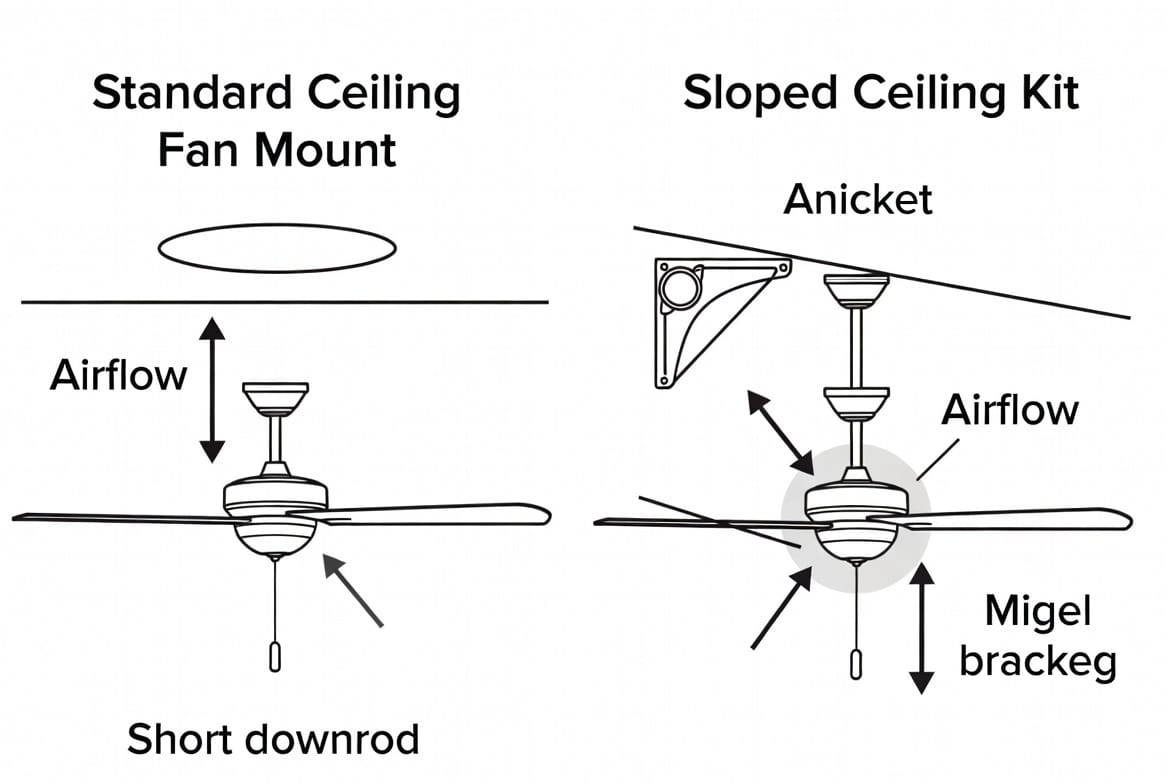
Standard ceiling fan mounts are designed for flat, level ceilings—typically those with less than a 10-degree pitch. These mounts use a straightforward ball-and-socket or downrod system that hangs the fan directly below the ceiling.
Key Features of Standard Mounts
- Simple bracket design: Attaches flush to a standard electrical box rated for fan support.
- Shorter downrod: Usually 3–6 inches, keeping the fan closer to the ceiling for optimal airflow in rooms with standard 8–9 foot heights.
- Easy alignment: The fan hangs perfectly vertical without additional adjustments.
Installation involves securing the mounting bracket to the ceiling joist or reinforced box, attaching the downrod, and connecting the fan motor. This method is popular because it’s quick for experienced installers and provides reliable performance in most homes.
Benefits include:
- Lower cost compared to specialized kits.
- Minimal visual impact with the fan positioned closer to the ceiling.
- Excellent air circulation in rooms with flat ceilings.
However, using a standard mount on even a slight slope can cause misalignment, leading to unbalanced rotation and potential stress on the motor bearings.
Sloped Ceiling Kits: Engineered for Angled Surfaces
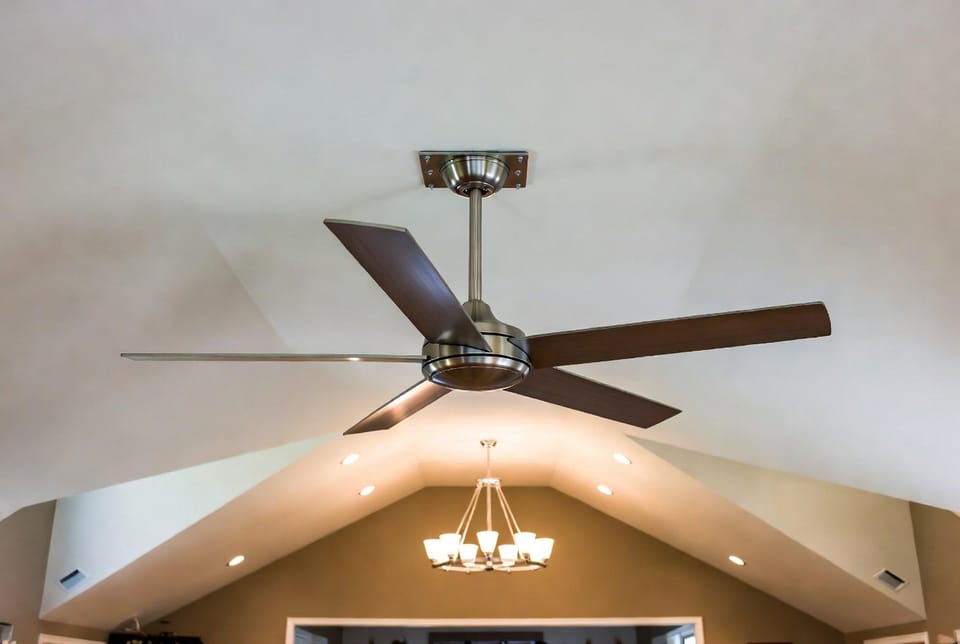
For ceilings with a noticeable pitch—typically 10 degrees or more—sloped ceiling kits become the necessary solution. These kits adapt the fan’s mounting to match the ceiling’s angle while keeping the fan blades level and stable.
Essential Components of Sloped Ceiling Kits
- Angled mounting bracket: Compensates for the slope, ensuring the downrod hangs vertically.
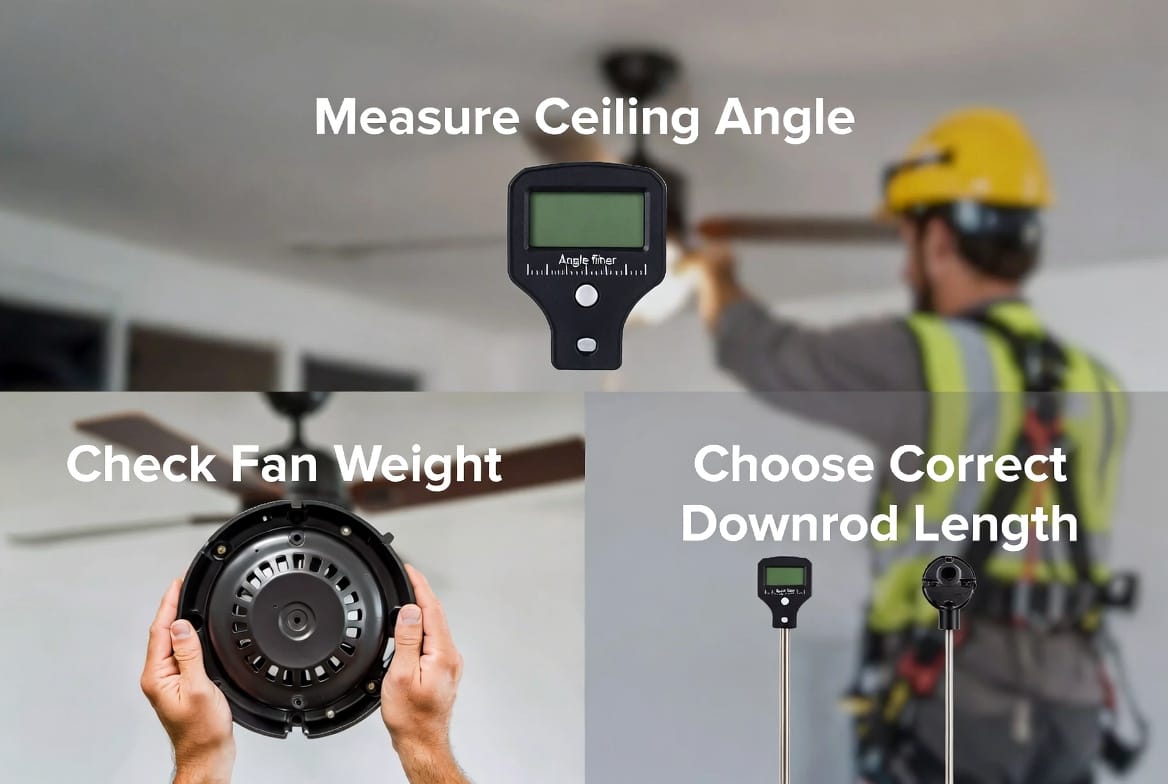
- Longer downrod: Often 12 inches or more, providing clearance so the fan blades maintain safe distance from the sloped surface.
- Specialized hardware: Includes reinforced screws and balance components designed for angled forces.
Installation differences are significant. On a sloped ceiling, the mounting bracket must be installed at an angle matching the roof pitch. The longer downrod then allows the fan body to hang straight down, maintaining proper blade clearance and motor alignment.
This setup is particularly important in vaulted ceilings, cathedral ceilings, or rooms with architectural angles common in modern and custom homes.
Key Differences Between Standard and Sloped Mounts
| Aspect | Standard Mount | Sloped Ceiling Kit |
|---|---|---|
| Ceiling Pitch | 0–10 degrees | 10+ degrees |
| Mounting Bracket | Flat | Angled/adjustable |
| Downrod Length | Short (3–6 inches typical) | Longer (12+ inches) |
| Installation Complexity | Beginner-friendly | Requires precise angle measurement |
| Primary Benefit | Cost-effective, flush look | Stability and safety on slopes |
Standard mounts work beautifully for conventional rooms but fall short on angled surfaces. Sloped kits address gravitational pull and torque differences, distributing weight evenly across the mounting point.
Why Choosing the Right Kit Matters for Safety and Performance
Selecting the correct ceiling fan mounting kit directly impacts several critical factors:
- Prevents wobbling: An improperly mounted fan on a slope experiences uneven forces, causing vibration that can loosen components over time.
- Ensures safety: Fans are heavy. Using the wrong mount risks detachment from the ceiling, potentially causing injury or property damage.
- Optimizes airflow: Proper vertical alignment maximizes the fan’s ability to circulate air efficiently, improving comfort and reducing energy costs on heating/cooling.
- Extends equipment life: Reduced stress on bearings and motors means fewer repairs and longer service life.
Bold reminder: Always verify your ceiling pitch before purchase. A simple angle finder or smartphone app can provide accurate measurements.
Using a sloped kit on a flat ceiling is generally unnecessary and may create excessive height, while forcing a standard mount on a steep ceiling compromises stability.
How to Choose the Appropriate Ceiling Fan Mounting Kit
Follow these steps to make an informed decision:
- Measure your ceiling angle: Use a digital level or protractor for precision. Note the exact pitch.
- Assess fan weight and size: Heavier fans or those with larger blade spans require robust mounting solutions.
- Check electrical box rating: Ensure your ceiling box is rated for at least 35–50 lbs (fan weight plus dynamic load).
- Consider room height: Taller ceilings benefit from longer downrods regardless of slope.
- Review manufacturer specifications: Match the kit to your specific fan model for compatibility.
Pro tip: When in doubt, opt for an adjustable sloped kit that accommodates a range of angles. Many premium kits offer flexibility from 10° to 45° or more.
Installation Best Practices for Both Mount Types
Preparation is key for success. Turn off power at the breaker, gather quality tools, and follow manufacturer instructions precisely.
For standard installations:
- Secure the bracket directly to the joist.
- Attach the canopy and downrod.
- Balance the blades after full assembly.
For sloped ceiling installations:
- Align the angled bracket precisely with the ceiling pitch.
- Use the extended downrod to achieve proper hanging position.
- Double-check all connections for tightness against vibration.
Common mistakes to avoid include ignoring manufacturer torque specifications, skipping blade balancing, or using non-rated electrical boxes. These errors can lead to noisy operation or premature wear.
Professional installation eliminates guesswork. Certified technicians ensure compliance with local building codes and provide peace of mind.
Factors Affecting Ceiling Fan Performance on Different Ceilings
Ceiling height, room layout, and fan blade pitch all interact with your mounting choice. In rooms with high sloped ceilings, the extended downrod not only corrects angle but also positions the fan in the optimal airflow zone.
Energy efficiency improves when fans are mounted correctly, as they can replace air conditioning use during milder seasons. Proper mounting also reduces noise—critical for bedrooms and home offices.
Maintenance and Long-Term Care
Once installed, regular maintenance keeps your fan performing at its best:
- Dust blades every few months.
- Check mounting screws annually for tightness.
- Rebalance blades if new wobble develops.
- Inspect downrod connections periodically, especially on sloped installations.
These simple steps extend the life of both the fan and its mounting system.
When to Call Professionals for Ceiling Fan Installation
While DIY installation appeals to many, electrical work and structural mounting carry risks. Professional installation guarantees:
- Correct load-bearing assessment.
- Proper wiring and grounding.
- Expert angle measurement and adjustment.
- Compliance with safety standards.
Install your fan safely on any ceiling. Our experienced team handles both standard and sloped ceiling fan mounting with precision and care.
Frequently Asked Questions
Can I use a standard mount on a slightly sloped ceiling?
Generally no. Even small angles (over 10°) benefit from a sloped kit to prevent long-term issues.
How do I measure ceiling pitch accurately?
Use a digital inclinometer or place a level against the ceiling and measure the resulting angle.
Do sloped kits work with all ceiling fans?
Most modern fans are compatible, but always verify specifications for your model.
Will a longer downrod affect fan performance?
When properly installed, it enhances performance by maintaining correct blade-to-ceiling clearance and vertical alignment.
Is professional installation worth the cost?
Absolutely. It saves time, ensures safety, and protects your investment in quality ceiling fans.
Final Thoughts on Ceiling Fan Mounting Solutions
Understanding standard versus sloped ceiling kits empowers homeowners to make smart choices that enhance comfort, safety, and aesthetics. Whether your home features traditional flat ceilings or dramatic angled architecture, the right mounting system ensures reliable, whisper-quiet operation.
Prioritize safety and performance by selecting the appropriate kit and, when needed, relying on professional expertise. A well-mounted ceiling fan provides years of dependable service and improved indoor comfort.
Professional Ceiling Fan Installation – Call for a Free Consultation!