The Bathroom GFCI Trip: Common Causes and Solutions
Bathroom GFCI trips are one of the most frequent electrical nuisances homeowners face. You step into the shower, reach for your hair dryer, or simply flip on the lights, and suddenly the outlet goes silent. The GFCI outlet has done its job—protecting you from potential electrical shock—but the interruption can feel frustrating and mysterious.
Fix Your Bathroom GFCI Today – Call Now!
Rest assured, these trips are almost always a sign that your safety system is working exactly as designed. Understanding why bathroom GFCI outlets trip, how to pinpoint the cause, and when professional replacement becomes necessary puts you back in control. At Domain House, we approach every GFCI trip with the same calm expertise that has kept families safe for years.
This comprehensive guide walks you through every aspect of bathroom GFCI tripping. You will learn the science behind the protection, the most common triggers, proven troubleshooting steps, and clear indicators that it is time to call a licensed electrician. By the end, you will feel confident handling minor issues yourself while knowing exactly when expert diagnosis is the smartest move.
What Is a GFCI Outlet and Why Does Your Bathroom Have One?
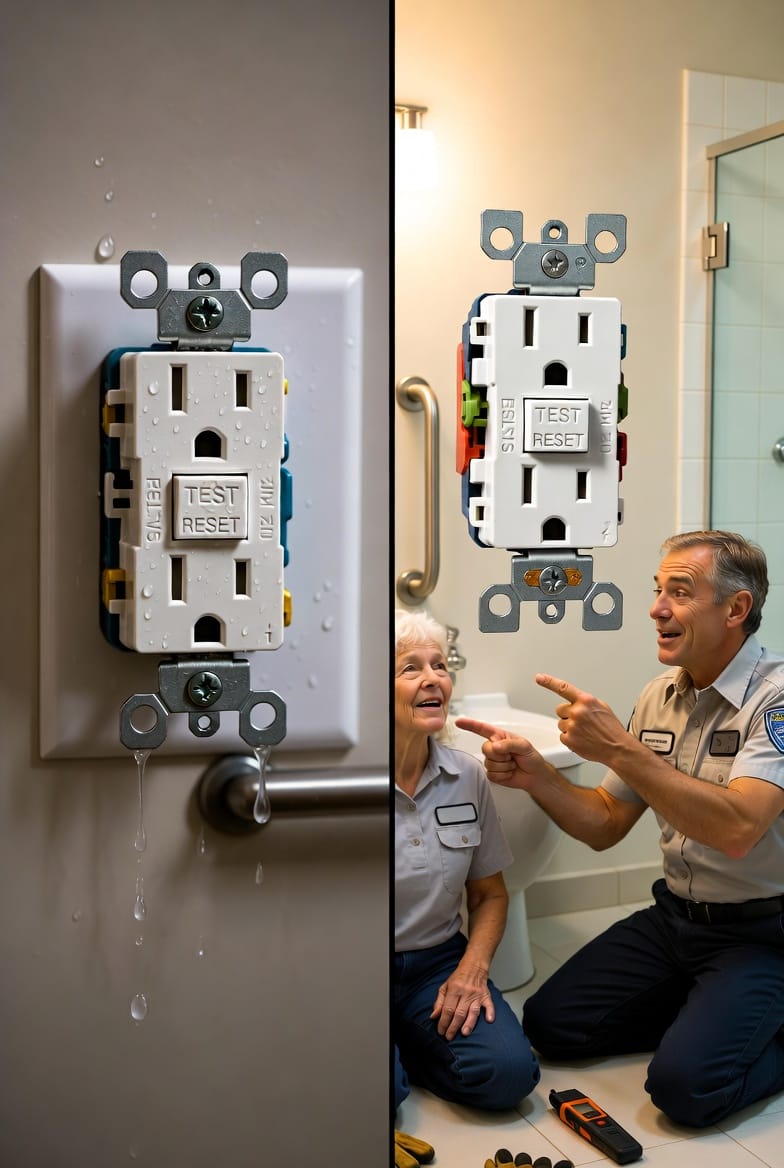
A Ground Fault Circuit Interrupter (GFCI) is a specialized electrical outlet engineered to detect even the smallest imbalance in current flow. When it senses as little as 5 milliamps leaking to ground—often through water or a person—it instantly cuts power, typically in less than 1/40 of a second.
Building codes require GFCI protection in all wet locations, including bathrooms, kitchens, garages, and outdoor areas. The bathroom GFCI outlet exists for one reason: moisture and electricity are a dangerous combination. Without this safeguard, everyday activities could lead to serious injury or worse.
GFCI devices are not the same as standard circuit breakers. Breakers protect against overloads and short circuits; GFCIs protect against ground faults. This distinction matters when diagnosing trips.
Why Do Bathroom GFCIs Trip? The Most Common Causes
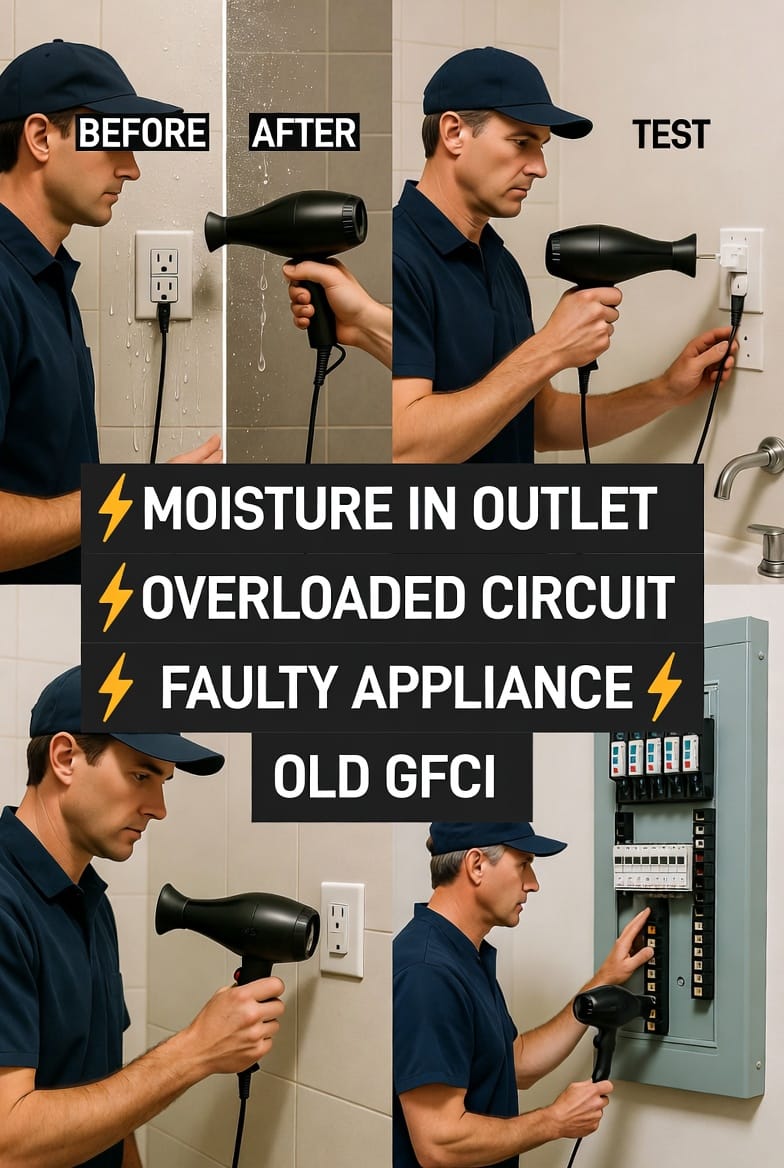
Bathroom GFCI trips usually stem from four primary triggers. Each has distinct warning signs that make identification straightforward once you know what to look for.
- Moisture intrusion remains the leading cause. Steam from hot showers, water splashes near the sink, or even high humidity can seep into the outlet box over time. Even tiny amounts of condensation on the internal components create a low-resistance path that the GFCI interprets as a ground fault.
- Hair dryers and personal care appliances frequently cause sudden trips. These devices draw significant current and often develop internal wiring faults or damaged cords after years of use. Wet hands gripping the plug or residual moisture on the appliance body can complete the fault path.
- Faulty appliances and extension cords introduce hidden risks. A curling iron with frayed insulation, an electric shaver with a compromised ground, or even a phone charger left plugged in can create intermittent faults that trip the outlet repeatedly.
- Overloaded circuits combined with aging GFCIs accelerate wear. While GFCIs themselves do not respond directly to overloads, shared bathroom circuits often power multiple high-draw devices. After 10–15 years, the sensitive electronics inside the GFCI simply fatigue and become more prone to nuisance trips.
Bold fact: Ignoring repeated GFCI trips never makes the problem disappear. Instead, it can mask a developing hazard that might one day fail to protect you when it matters most.
How to Identify the Exact Cause of Your GFCI Trip
Troubleshooting a bathroom GFCI trip follows a logical, safe sequence that any homeowner can follow. Begin with the simplest steps and work toward more involved checks.
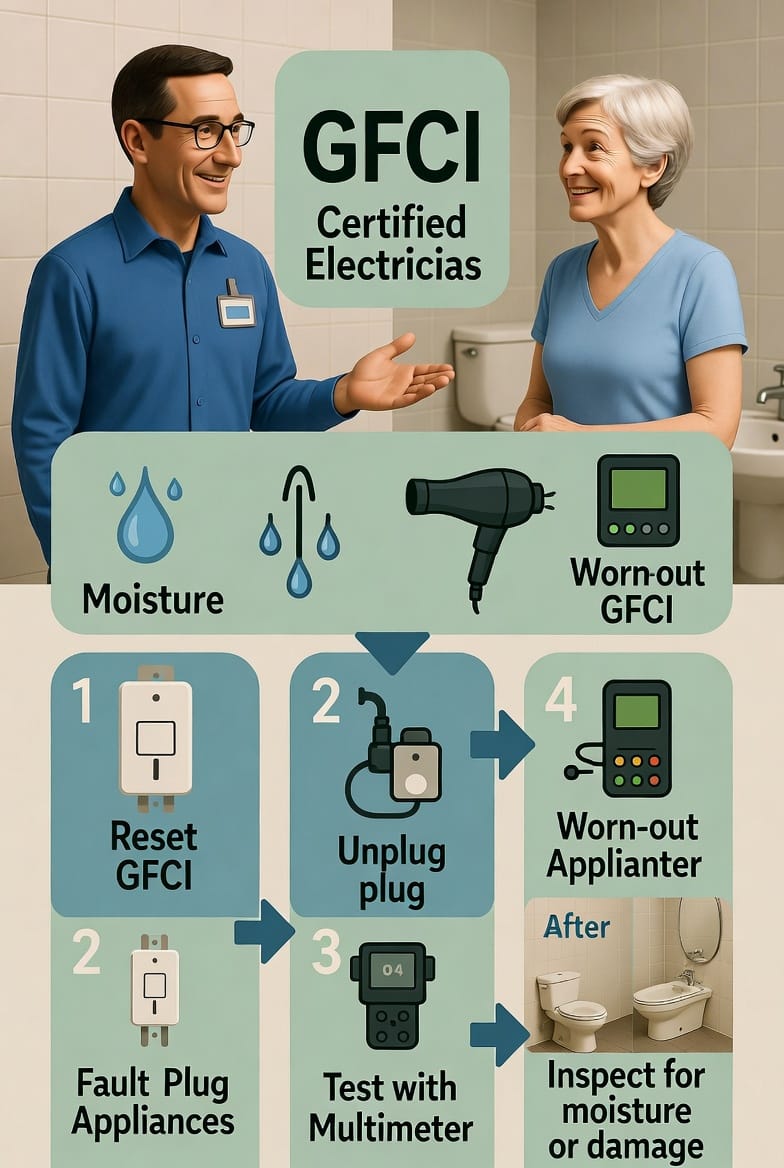
- Reset the outlet safely. Press the RESET button firmly. If it clicks and holds, the outlet is temporarily restored. Immediately test by plugging in a known working lamp.
- Unplug every device. Remove all cords and appliances from the GFCI outlet and any outlets on the same circuit. Reset again and observe whether the outlet stays powered.
- Reintroduce devices one at a time. Plug items back in individually while monitoring for immediate trips. The moment the outlet trips identifies the offending appliance.
- Inspect for visible moisture. Use a flashlight to check the outlet face and surrounding wall for condensation or water stains. Dry thoroughly with a cloth if found.
- Test the GFCI itself. Press the TEST button; the outlet should trip. Press RESET to restore power. Failure at either step indicates the device itself may need replacement.
Pro tip: Keep a simple log of when trips occur—morning routines, after showers, or specific appliance use. Patterns reveal the root cause faster than guesswork.
When Replacement of the GFCI Outlet Is the Right Decision
Not every GFCI trip requires a new outlet, but certain red flags demand professional attention:
- The outlet trips immediately after reset with nothing plugged in.
- The RESET button will not stay engaged no matter how firmly pressed.
- You hear a faint buzzing or smell a slight burning odor near the outlet.
- The device is more than 12 years old and shows discoloration or corrosion.
- Trips have become more frequent despite following all troubleshooting steps.
Old GFCIs lose sensitivity over time. Replacing them restores full electrical shock protection and eliminates nuisance tripping that disrupts daily life. Modern GFCI outlets also include LED indicators that confirm proper operation at a glance—an upgrade worth considering during replacement.
Professional GFCI Diagnosis: Why Expert Service Matters
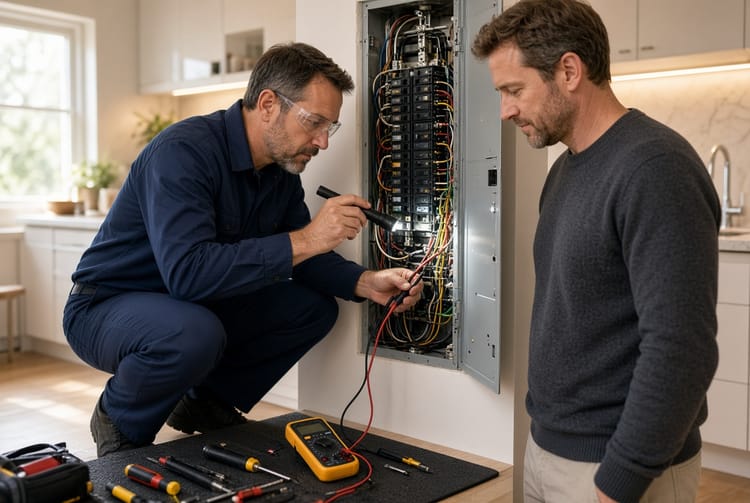
While basic resets are homeowner-friendly, persistent bathroom GFCI trips often point to deeper wiring issues hidden inside walls or junction boxes. A licensed electrician uses specialized tools to measure ground leakage, test circuit integrity, and verify proper grounding—steps that go far beyond what a multimeter in the toolbox can achieve.
Domain House electricians arrive equipped with the latest diagnostic technology. We trace every circuit, identify overloaded or improperly wired sections, and perform a complete safety audit of your bathroom electrical system. Our work leaves you with documented proof of compliance and peace of mind that lasts.
Do not wait for a minor annoyance to escalate. Frequent GFCI tripping is your electrical system’s way of asking for help before a serious incident occurs.
Prevention Strategies That Keep Your Bathroom GFCI Reliable
Prevention beats reaction every time. Implement these habits and your GFCI trips will become rare events:
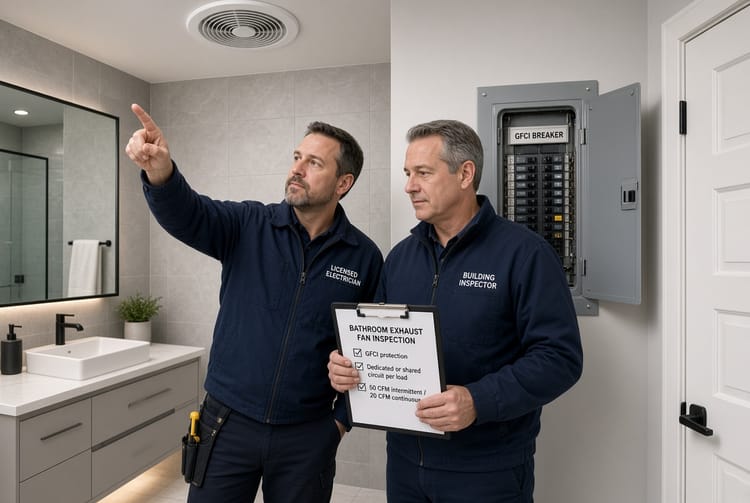
- Install a bathroom exhaust fan with a timer and run it 20 minutes after every shower.
- Use weatherproof covers on all outdoor outlets and keep bathroom outlets free of clutter.
- Replace appliances at the first sign of cord damage or unusual heat.
- Schedule annual electrical safety inspections with a trusted professional.
- Consider upgrading to GFCI circuit breakers for whole-circuit protection if your home still uses older outlet-style devices.
These small steps dramatically reduce moisture-related risks and extend the life of every safety device in your home.
Final Thoughts: Turn Nuisance Trips into Lasting Safety
The bathroom GFCI trip you experience today is not a defect—it is protection in action. By understanding the common causes, following methodical troubleshooting, and recognizing when replacement is necessary, you transform a frustrating interruption into an opportunity to strengthen your home’s electrical safety.
Do not ignore frequent tripping. Repeated resets without addressing the underlying issue can lead to complacency, and that is exactly when safety systems matter most.
For fast, reliable GFCI diagnosis and replacement, contact the experts who specialize in keeping bathrooms safe and fully functional. Our licensed electricians provide same-day service in most areas, thorough inspections, and guaranteed workmanship that restores both power and confidence.
Your bathroom should be a place of relaxation, not electrical surprises. Let us make sure it stays that way—safely, efficiently, and permanently.
End Frequent GFCI Tripping – Expert Help Now