The Bathroom Exhaust Fan Electrical: GFCI Protection and Proper Wiring
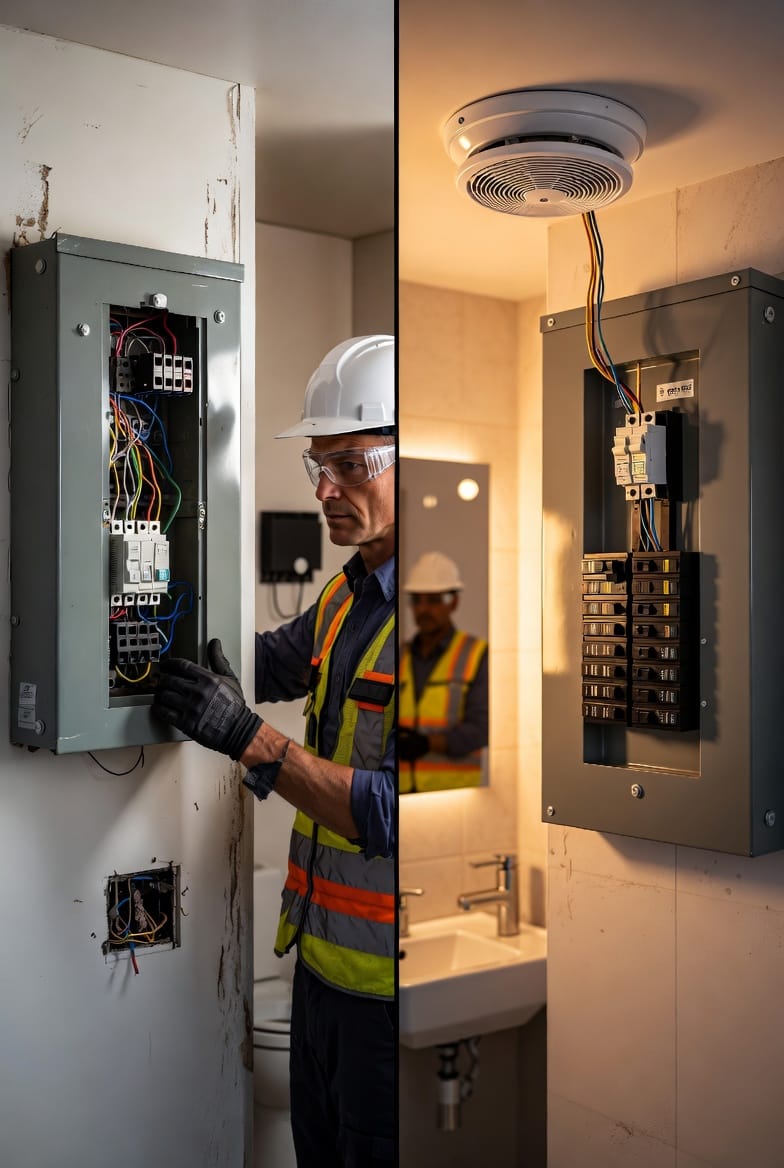
Bathrooms are among the most moisture-rich spaces in any home, making bathroom exhaust fan electrical setup a non-negotiable priority for safety and performance. When installed correctly, these fans remove humidity, odors, and airborne contaminants while preventing mold, mildew, and structural damage. Yet many homeowners underestimate the critical electrical requirements that keep these systems operating reliably and legally.
Ensure Code-Compliant Bathroom Fan Wiring – Call Today
This authoritative guide explains every essential detail of GFCI protection, dedicated circuits, and proper wiring for bathroom exhaust fans. You will learn exactly what code compliance demands, why each requirement exists, and how professional installation delivers lasting peace of mind. Rest assured: following these standards protects your family, your property, and your investment.
Why GFCI Protection Is Mandatory for Bathroom Exhaust Fans
GFCI protection stands as the first and most important line of defense in any bathroom electrical setup. A Ground Fault Circuit Interrupter continuously monitors current flow and instantly cuts power if it detects an imbalance caused by moisture, faulty wiring, or accidental contact with water. In a bathroom environment where steam, splashes, and condensation are constant, this protection prevents potentially fatal electric shocks.
National electrical codes require GFCI protection on all bathroom circuits supplying exhaust fans, lighting, and receptacles. Without it, even a small ground fault can escalate into a serious hazard. Homeowners who skip this step often face failed inspections, voided insurance coverage, and heightened risk during everyday use.
Key benefits of proper GFCI protection include:
- Immediate power interruption during ground faults
- Reduced risk of electrical fires in damp locations
- Full compliance with current safety standards
- Extended lifespan of the exhaust fan motor and components
Professional electricians always verify that the entire circuit — not just the fan itself — receives GFCI protection, either through a GFCI breaker in the panel or a GFCI outlet upstream. This approach ensures every connected device remains safeguarded.
The Importance of Dedicated Circuits for Reliable Fan Operation
Running a bathroom exhaust fan on a shared circuit with other high-draw appliances is a common but risky shortcut. Dedicated circuits provide the fan with its own uninterrupted power source, eliminating overloads, voltage drops, and nuisance tripping.
Most codes recommend or require a dedicated 15- or 20-amp circuit for exhaust fans, especially in larger bathrooms or when paired with humidity sensors and timers. This separation guarantees consistent airflow even during peak household electrical demand.
A dedicated circuit also simplifies troubleshooting. If the fan stops working, the problem is isolated rather than hidden among multiple devices. For energy-efficient models with smart controls, a dedicated line prevents interference that could disrupt sensor accuracy or timer functions.
When planning your bathroom exhaust fan electrical upgrade, insist on a dedicated circuit. The modest additional cost during installation pays dividends in performance, safety, and future-proofing.
Best Practices for Proper Wiring in Damp Locations
Proper wiring forms the backbone of any safe and code-compliant bathroom exhaust fan installation. Moisture-resistant materials, secure connections, and correct wire sizing prevent corrosion, overheating, and arcing.
Use only NM-B cable or equivalent rated for damp locations, typically 14 AWG for 15-amp circuits or 12 AWG for 20-amp circuits. Every connection must occur inside an approved junction box with tight-fitting covers. Grounding is mandatory — never rely on the fan housing alone for ground continuity.
Essential wiring guidelines include:
- Run wiring through protected pathways away from plumbing lines
- Maintain proper clearance from insulation and combustible materials
- Secure all terminations with listed wire connectors
- Label the circuit clearly at the panel for future service
- Test continuity and polarity before energizing the system
Skilled electricians follow these steps meticulously, ensuring the installation withstands years of humidity exposure without degradation. Cutting corners on proper wiring often leads to flickering lights, fan failure, or dangerous hidden faults that surface only after warranty periods expire.
Advanced Switching Solutions for Efficiency and Code Compliance
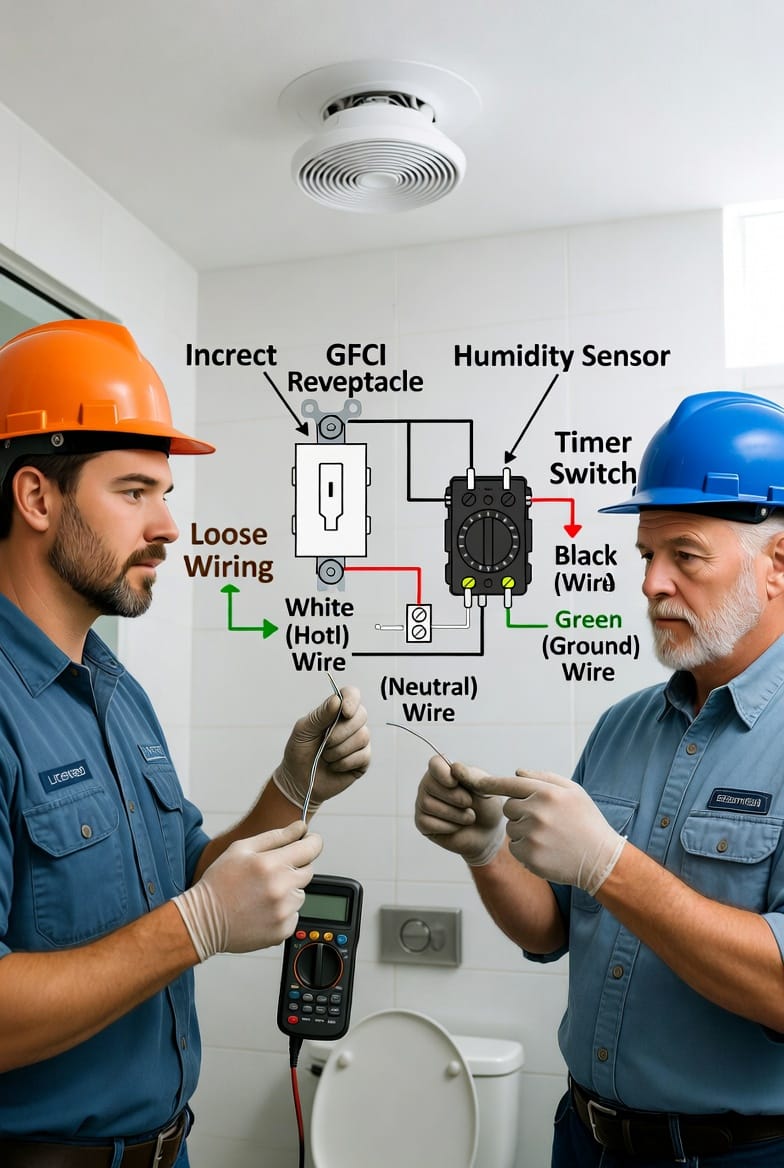
Modern bathroom exhaust fan electrical systems go far beyond a basic wall switch. Timer switches, humidity sensors, and combination controls deliver automatic operation while meeting ventilation requirements and saving energy.
A humidity sensor activates the fan when moisture levels rise, then shuts it off once the air clears — ideal for showers and baths. Timer switches allow preset run times, preventing forgotten fans from wasting electricity. Many jurisdictions now recognize these controls as compliant solutions that exceed minimum ventilation rates.
Popular switching options:
- Single-pole timer switch for simple automation
- Humidity-sensing fan control for hands-free performance
- Smart switches integrable with home automation systems
- Combination light-and-fan controls with independent operation
Selecting the right switch ensures your fan runs exactly when needed, improving indoor air quality and supporting overall code compliance. Professional installers recommend matching the control type to your bathroom size and usage patterns for optimal results.
Common Code Violations and How Professionals Prevent Them
Even experienced DIYers frequently encounter the same pitfalls that violate electrical codes. Missing GFCI protection, undersized wiring, and improper exhaust termination rank among the top issues discovered during inspections.
Other frequent violations include installing fans on shared circuits that overload during simultaneous use, omitting ground connections, and failing to use damp-rated components. These mistakes not only risk safety but can delay occupancy permits and lower property values.
Certified electricians eliminate these risks through systematic verification at every stage. They confirm circuit capacity, test GFCI functionality, and document every detail for future reference. When you choose professional service, you receive more than just a working fan — you receive documented code compliance that stands up to any inspection.
Long-Term Safety, Energy Efficiency, and Home Value
A correctly wired bathroom exhaust fan with GFCI protection and dedicated circuits delivers benefits that extend well beyond immediate safety. Reduced moisture means less mold risk, lower utility bills from efficient operation, and improved indoor air quality for your family.
During home sales or refinances, documented electrical upgrades often increase buyer confidence and appraised value. Codes continue to evolve, and installations completed to the latest standards future-proof your property against upcoming requirements.
Investing in professional bathroom exhaust fan electrical work today eliminates guesswork and costly retrofits tomorrow. The combination of proper wiring, reliable switching, and full GFCI coverage creates a system you can trust for decades of dependable service.

Keep Your Bathroom Fans Safe and Code-Compliant
Warning: Improper electrical work on bathroom exhaust fans can lead to shock hazards, fire risks, failed inspections, and expensive repairs. Never compromise on GFCI protection, dedicated circuits, or proper wiring.
We deliver reliable, code-compliant bathroom exhaust fan electrical solutions with guaranteed satisfaction and lasting safety for your home.
Call for Expert GFCI & Dedicated Circuit Installation