The Bat Colony Eviction: Timing, Exclusion Devices, and Legal Protections for Protected Species
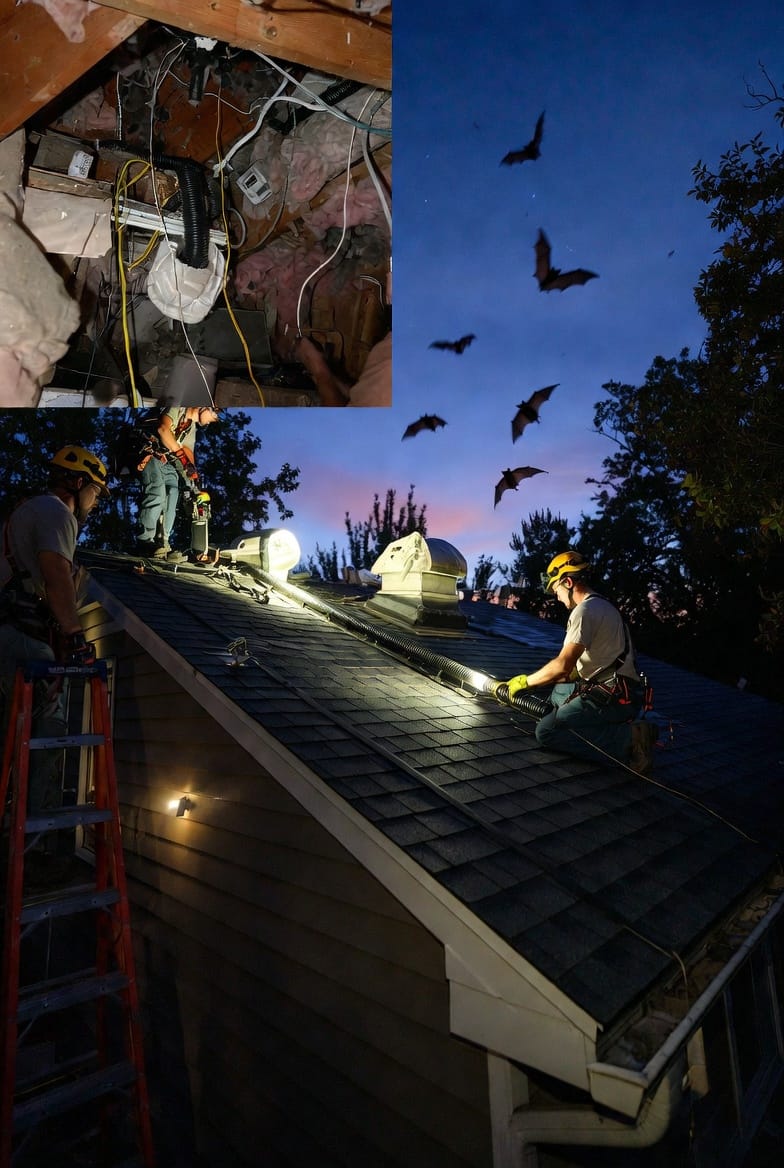
Discovering a bat colony in your home can be alarming, but handling it correctly ensures both your safety and the bats' well-being. Bats play a crucial role in our ecosystem, controlling insect populations and pollinating plants. However, when they roost in attics, chimneys, or walls, they pose health risks like rabies exposure or histoplasmosis from guano buildup. The complexity of bat removal lies not just in evicting them but in doing so legally, humanely, and at the right time. This comprehensive guide explores federal and state protections, optimal timing windows, and effective exclusion devices like one-way tubes. Rest assured, with professional expertise, you can resolve this issue responsibly without harming these protected species.
Protect Your Home & Bats – Schedule Expert Exclusion Now
Understanding Legal Protections for Bats
Bats are afforded significant safeguards under both federal laws and varying state regulations, reflecting their ecological importance and declining populations due to threats like white-nose syndrome. Ignoring these can lead to hefty fines or legal repercussions, but compliance is straightforward with informed action.
At the federal level, the Endangered Species Act (ESA) protects certain bat species, such as the Indiana bat or northern long-eared bat, classified as threatened or endangered. This means any activity that could harm, harass, or kill these bats requires a permit from the U.S. Fish and Wildlife Service (USFWS). For non-endangered bats, the Migratory Bird Treaty Act (MBTA) indirectly applies, as bats are often grouped with migratory wildlife, prohibiting unauthorized take.
State laws add layers of protection. For instance:
- In California, the California Department of Fish and Wildlife mandates permits for handling protected bats, emphasizing humane methods.
- New York's Environmental Conservation Law requires certified professionals for exclusions, with strict seasonal restrictions.
- Texas, home to diverse bat species, enforces rules under the Texas Parks and Wildlife Department, focusing on colony preservation.
These protections underscore that bats aren't pests to exterminate but wildlife to manage ethically. Professionals navigate these by conducting species identifications and obtaining necessary permits, ensuring your eviction complies fully. This authoritative approach minimizes risks, providing peace of mind that your actions support conservation efforts.
The Critical Timing Window for Bat Evictions
Timing is everything in bat colony eviction. Attempting removal during inappropriate periods can harm vulnerable pups or violate laws, leading to failed efforts or ethical dilemmas. The key is aligning with bats' reproductive cycles, which vary by species and region.
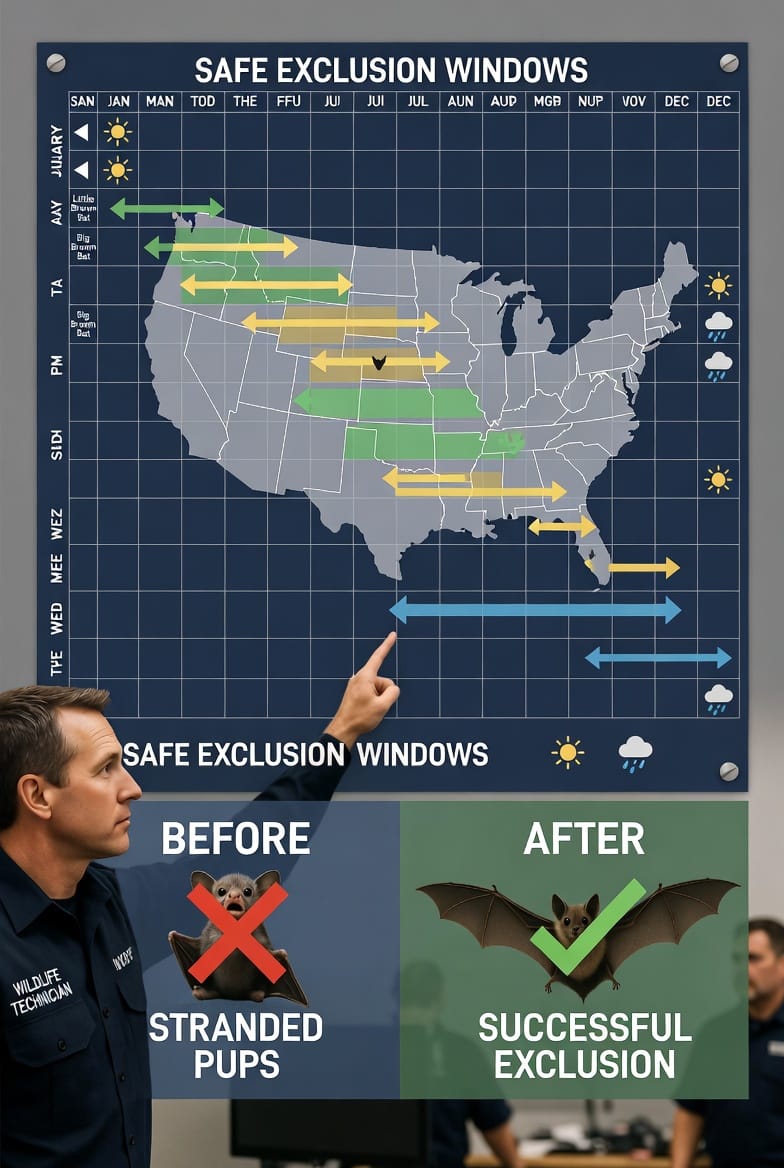
Bats typically mate in fall, with females storing sperm until spring ovulation. Pups are born in late spring or early summer (May-June in most U.S. regions), helpless and flightless for weeks. Excluding bats before pups are born risks stranding mothers outside, causing distress. After pups fledge (late July-August), the window opens for safe eviction.
Safe exclusion periods include:
- Pre-maternity season: Late fall to early spring (October-April), when bats hibernate or migrate, but confirm no overwintering colonies.
- Post-fledging season: Late summer to early fall (August-October), after pups can fly independently.
Regional variations matter:
- In northern states like Minnesota, windows shift earlier due to colder climates.
- Southern areas like Florida allow more flexibility but require monitoring for year-round activity.
Professional assessments use thermal imaging or acoustic monitoring to verify colony status, ensuring evictions occur only when all bats can exit safely. This timing prevents orphaning pups and complies with protections, turning a complex process into a reliable solution.
Exclusion Devices: The Humane Path to Eviction
The cornerstone of legal bat removal is one-way exclusion devices, designed to allow bats to leave roosts voluntarily but prevent re-entry. These tools embody humane principles, avoiding traps or poisons that could violate protections.
One-way exclusion tubes, often made of flexible plastic or mesh, are installed over entry points like roof seams, vents, or gaps. Bats push through the tube to exit for nightly foraging but can't navigate back due to the design—typically a funnel shape or flapper valve.
Installation steps include:
- Site inspection: Identifying all entry/exit points to seal secondary ones first.
- Device placement: Securing tubes with caulk or screws, ensuring a snug fit.
- Monitoring: Checking for activity over 3-7 nights, then permanently sealing sites.
Benefits are manifold:
- Humane: Bats depart naturally, reducing stress.
- Effective: Prevents recolonization, with success rates over 95% when timed right.
- Legal: Approved by wildlife agencies, avoiding "take" under ESA or MBTA.
Risks if mishandled include incomplete sealing, leading to bats trapped inside—emphasizing professional intervention. Authoritative services use high-quality, species-specific devices, ensuring a seamless process that respects both law and nature.
Providing Alternatives: Bat Houses for Relocation
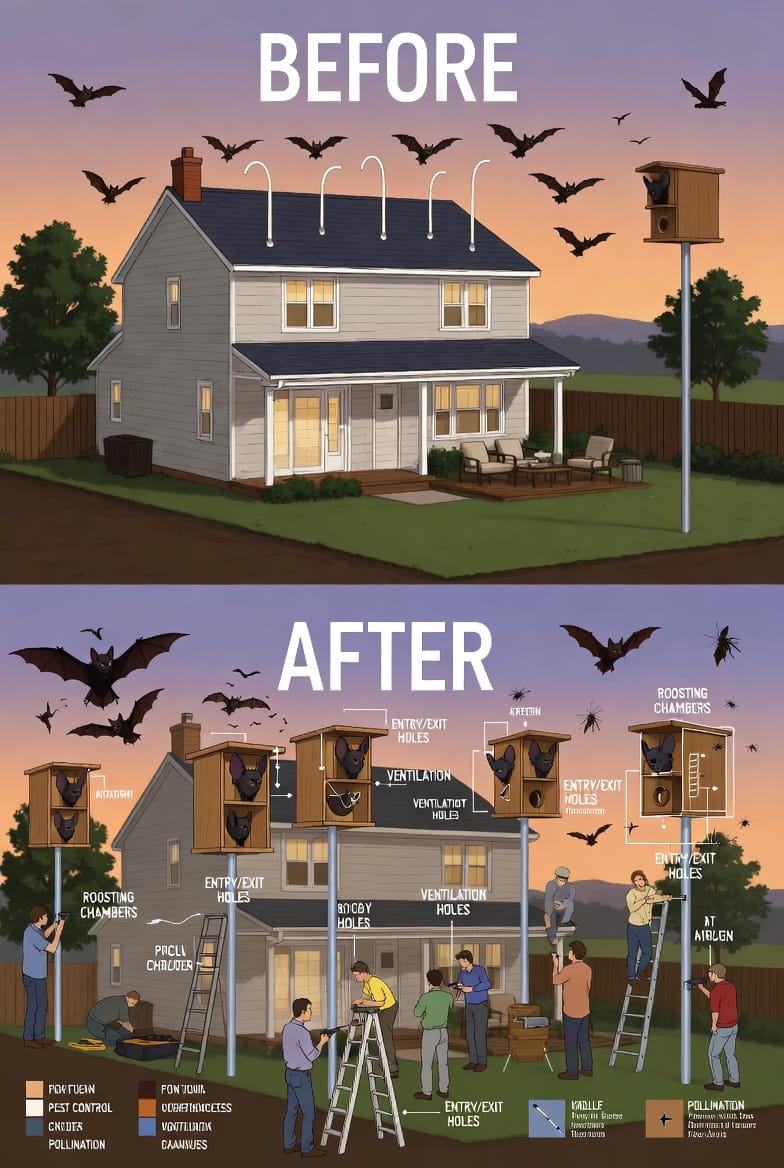
Eviction doesn't end with exclusion; offering alternatives like bat houses promotes conservation and prevents future issues. These structures mimic natural roosts, encouraging displaced colonies to relocate nearby.
Bat houses are wooden boxes with internal baffles for roosting, mounted 10-15 feet high on poles or buildings, facing south for warmth. Designs vary:
- Single-chamber for small colonies.
- Multi-chamber for larger groups, accommodating up to 200 bats.
Placement tips:
- Near water sources for insect abundance.
- Away from lights to avoid predation.
Studies from organizations like Bat Conservation International show relocated colonies thrive in these houses, maintaining ecological balance. This step reassures homeowners that eviction supports biodiversity, turning a problem into a positive contribution.
Navigating Challenges in Bat Removal
Bat removal's complexity arises from species diversity—over 40 in the U.S.—each with unique behaviors. For example, big brown bats tolerate colder winters, while little brown bats are more susceptible to disease. Professionals conduct guano analysis or DNA testing for accurate identification, tailoring approaches.
Health risks demand caution: Rabies affects less than 1% of bats but requires avoiding direct contact. Guano cleanup involves PPE and fungicides to prevent histoplasmosis. Legal pitfalls, like accidental harm during DIY attempts, highlight why expert services are essential.
Cost factors include inspection ($200-500), exclusion ($500-2,000), and cleanup ($1,000+), varying by colony size. However, prevention through screening vents saves long-term expenses.
Ensuring Long-Term Prevention
Post-eviction, seal all potential entries with mesh or foam. Landscaping to reduce insect attractants, like standing water, deters returns. Annual inspections maintain protection, offering lasting reassurance.
In conclusion, bat colony eviction demands respect for legal protections, precise timing, and humane tools like one-way exclusion tubes. By providing alternatives such as bat houses, you contribute to conservation while safeguarding your home. Approach this with confidence—professional guidance ensures success.
Humane Bat Colony Removal – Free Consultation, Call Now