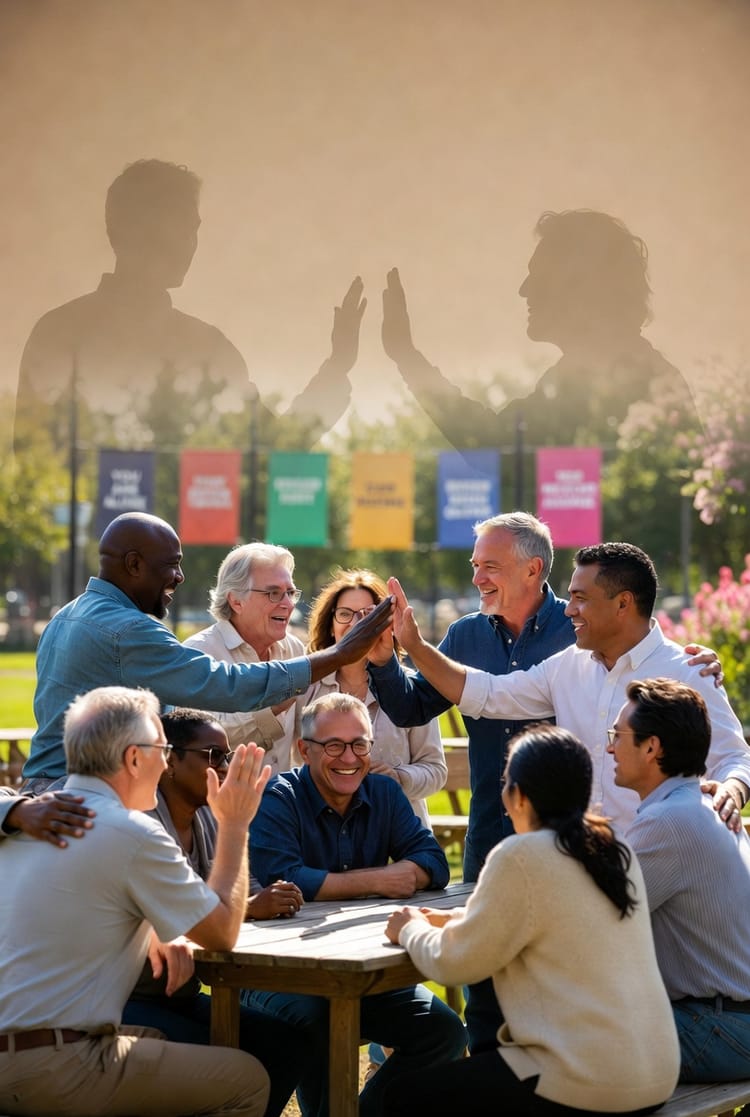
The Art Therapy Approach: Using Creative Expression as a Tool for Healing and Self-Discovery in Recovery

In the journey of recovery, finding effective ways to navigate emotional challenges is essential. Art therapy emerges as a powerful, non-verbal modality that allows individuals to express complex feelings, process deep-seated trauma, and embark on a path of self-discovery. Guided by trained professionals, this therapeutic approach transforms creative activities into meaningful tools for healing. Whether you're dealing with addiction, mental health issues, or life transitions, art therapy offers a safe space to explore inner worlds without the pressure of words. In this comprehensive guide, we'll delve into how art therapy facilitates non-verbal expression, aids in trauma processing, builds self-esteem, and provides healthy coping mechanisms—all within a structured therapeutic framework.
Find Self-Discovery Through Art – Call for Your Consultation
Understanding Art Therapy: A Foundation for Recovery
Art therapy is more than just painting or drawing; it's a evidence-based practice recognized by organizations like the American Art Therapy Association. Rooted in psychology and creativity, it integrates visual arts with therapeutic techniques to promote emotional well-being. Trained art therapists, who hold master's degrees and certifications, facilitate sessions that encourage participants to create art as a means of communication.
This modality is particularly beneficial in recovery settings, where verbal therapy might feel overwhelming. For instance, individuals recovering from substance abuse often struggle with articulating their experiences. Art therapy bridges this gap by allowing subconscious thoughts to surface through colors, shapes, and forms. The process is reassuringly gentle—there's no "right" or "wrong" way to create, which reduces performance anxiety and fosters a sense of accomplishment.
- Non-Verbal Expression: Art provides an outlet for emotions that words can't capture, helping clients communicate pain, joy, or confusion visually.
- Therapeutic Guidance: Sessions are led by professionals who interpret artwork symbolically, offering insights without judgment.
- Accessibility: No prior artistic skill is required, making it inclusive for all ages and backgrounds.
By incorporating art into recovery plans, individuals gain a holistic tool that complements traditional therapies like cognitive-behavioral therapy (CBT).
The Power of Non-Verbal Expression in Healing
One of the core strengths of art therapy lies in its ability to enable non-verbal expression. In recovery, many people face barriers to talking about their struggles—perhaps due to shame, fear, or simply not knowing how to start. Art bypasses these obstacles, allowing the subconscious to speak through imagery.
Imagine dipping a brush into vibrant paints and letting your hand move freely across the canvas. This act can reveal hidden emotions, such as unresolved grief or suppressed anger, in a tangible form. Therapists guide clients to reflect on their creations, asking open-ended questions like, "What does this color represent for you?" This reflection builds awareness and empowers individuals to own their narratives.
Research supports this: Studies from journals like Art Therapy: Journal of the American Art Therapy Association show that non-verbal methods reduce stress hormones like cortisol, promoting relaxation. In a reassuring tone, know that art therapy isn't about producing masterpieces; it's about the process of creation, which itself is healing.
- Emotional Release: Creating art can cathartically release pent-up feelings, leading to immediate relief.
- Symbolic Communication: Symbols in artwork often represent personal stories, making abstract concepts concrete.
- Inclusivity for Diverse Needs: Ideal for those with language barriers, cognitive impairments, or introverted personalities.
Through consistent practice, clients learn to use art as a daily tool for self-expression, enhancing their overall recovery journey.
Processing Trauma Through Creative Outlets
Trauma can linger in the body and mind, manifesting as anxiety, flashbacks, or avoidance behaviors. Art therapy offers a safe, controlled way to process these experiences without re-traumatization. Under the guidance of a professional, clients externalize traumatic memories onto paper or clay, distancing themselves from the pain.
For example, a technique called "trauma timelines" involves drawing life events in sequence, helping individuals visualize and reorganize their stories. This method, supported by trauma-informed care principles, allows for gradual exposure and integration. The therapist ensures the environment remains supportive, intervening if emotions become overwhelming.
Authoritatively, art therapy has been shown to decrease symptoms of post-traumatic stress disorder (PTSD) in various populations, including veterans and survivors of abuse. It's reassuring to note that progress is individualized—some may start with simple doodles, evolving to intricate sculptures as confidence grows.
- Externalization of Pain: By depicting trauma visually, clients gain perspective and reduce its emotional hold.
- Reclaiming Control: Art empowers individuals to "rewrite" their experiences through creative choices.
- Integration with Other Therapies: Often combined with EMDR or mindfulness for comprehensive healing.
This approach not only processes past wounds but also builds resilience for future challenges.
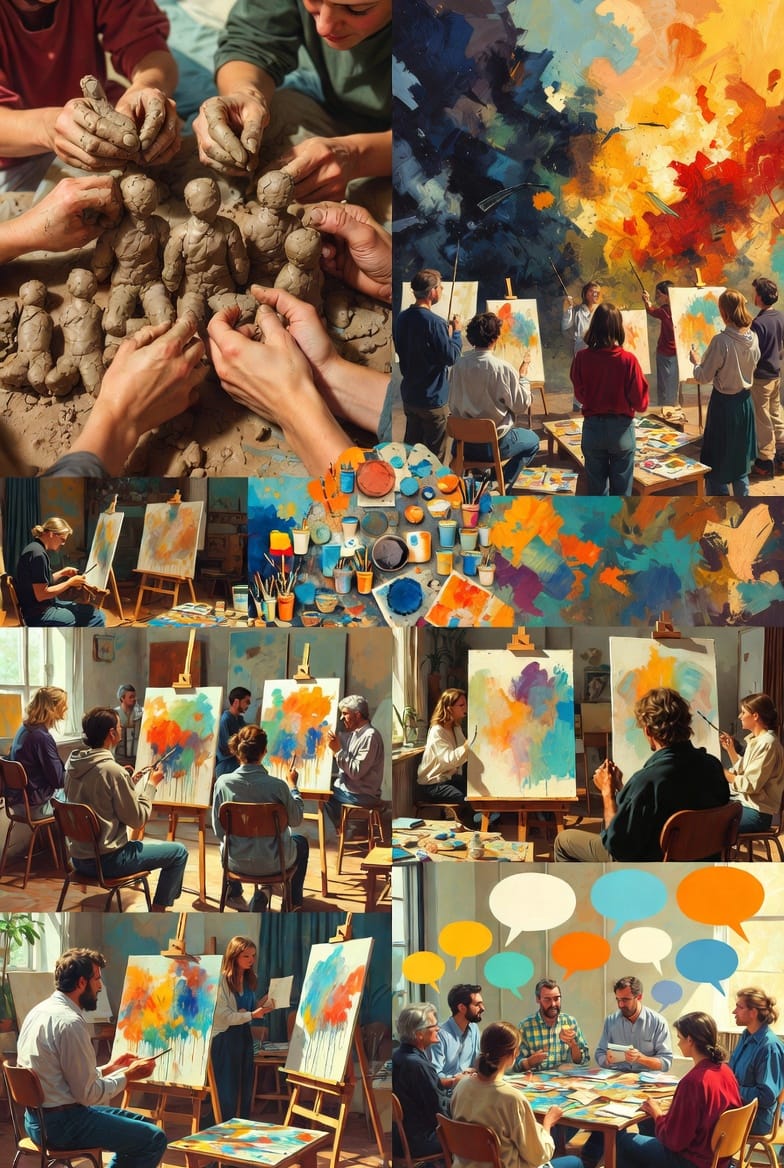
Building Self-Esteem: From Creation to Confidence
Low self-esteem is a common hurdle in recovery, often exacerbated by feelings of failure or worthlessness. Art therapy counters this by celebrating personal achievements through tangible creations. Each completed piece serves as evidence of capability, boosting confidence incrementally.
Therapists encourage positive self-talk during sessions, such as acknowledging the effort behind a drawing. Over time, clients internalize this, shifting from self-criticism to self-compassion. Group art therapy amplifies this, as sharing artwork fosters community and validation from peers.
Evidence from clinical trials indicates improvements in self-perception scales after art therapy interventions. Reassuringly, the focus is on progress, not perfection—mistakes in art become opportunities for growth, mirroring life's imperfections.
- Achievement Reinforcement: Finishing an art project instills a sense of pride and accomplishment.
- Self-Reflection: Analyzing one's artwork reveals strengths and positive attributes.
- Long-Term Empowerment: Skills learned translate to everyday life, enhancing problem-solving and creativity.
By nurturing self-esteem, art therapy lays a strong foundation for sustained recovery.
Art as a Healthy Coping Mechanism
In the face of triggers or stressors, having healthy coping mechanisms is crucial. Art therapy equips individuals with creative strategies to manage emotions productively, replacing harmful behaviors like substance use.
Simple practices, such as journaling with sketches or mandala coloring, can be done independently after learning in therapy. These activities promote mindfulness, grounding clients in the present moment. Professionals teach how to use art prophylactically, preventing escalation of negative feelings.
Authoritatively, incorporating art reduces relapse rates by providing alternative outlets, as per addiction recovery studies. It's comforting to know that these tools are portable and adaptable, fitting into busy lifestyles.
- Stress Reduction: Art-making lowers heart rates and induces calm states.
- Emotional Regulation: Channeling feelings into art prevents impulsive reactions.
- Sustained Practice: Clients often continue art post-therapy, maintaining benefits long-term.
This modality ensures recovery is not just about abstinence but about thriving.
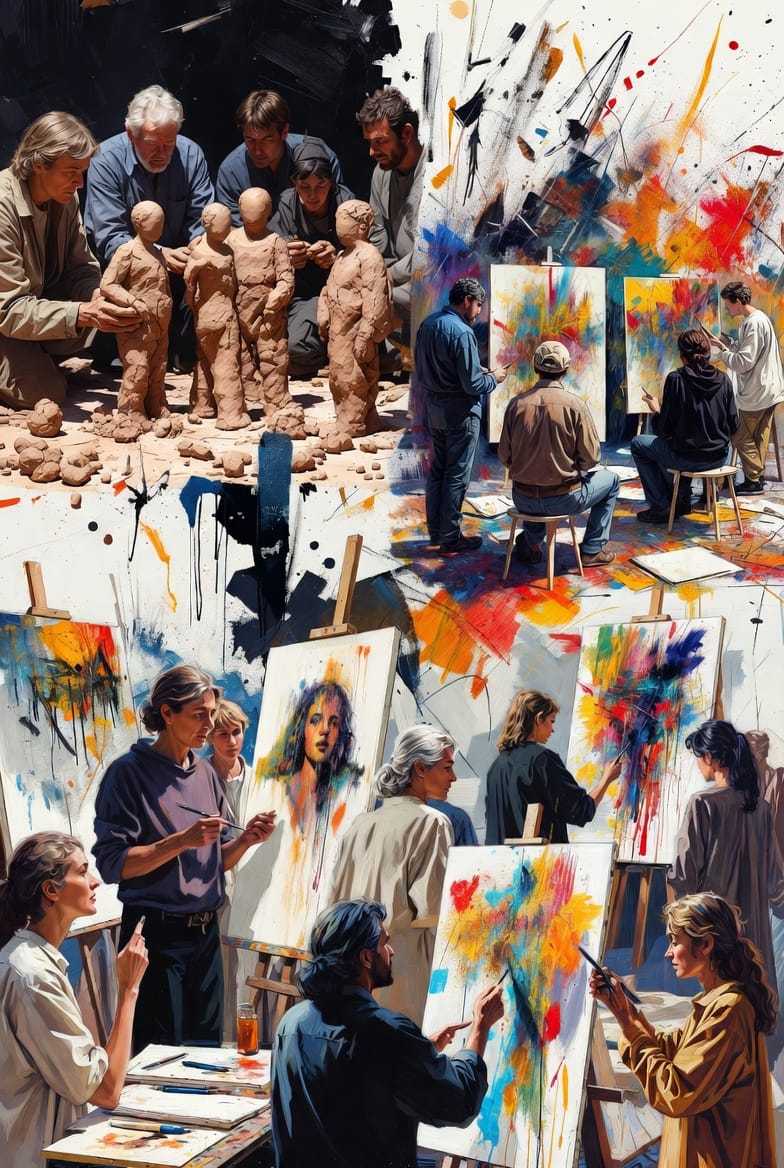
Integrating Art Therapy into Your Recovery Plan
To maximize benefits, art therapy should be integrated thoughtfully into a broader recovery framework. Start with an assessment by a qualified therapist to tailor sessions to your needs. Sessions typically last 45-90 minutes, occurring weekly or bi-weekly.
Combine it with other modalities for synergy—art can enhance talk therapy by providing visual aids for discussions. In group settings, it builds social skills and support networks. For those in inpatient or outpatient programs, art therapy adds a creative dimension to routine care.
Reassuringly, accessibility is increasing with online options, though in-person sessions offer tactile benefits. Always choose credentialed providers to ensure ethical, effective practice.
- Personalization: Adapt exercises to individual goals, like building resilience or exploring identity.
- Progress Tracking: Therapists document growth through artwork portfolios.
- Holistic Benefits: Addresses mind, body, and spirit for comprehensive healing.
Challenges and Considerations in Art Therapy
While powerful, art therapy isn't without challenges. Some may initially resist due to perceived lack of talent, but therapists skillfully address this by emphasizing process over product. Emotional intensity can arise, but professionals are trained to manage it safely.
Considerations include cultural sensitivity—art materials and interpretations should respect diverse backgrounds. Cost and availability vary, but many insurance plans cover it, and community programs offer low-cost options.
Authoritatively, overcoming these hurdles leads to profound transformations, as countless testimonials affirm.
- Overcoming Resistance: Start with low-pressure activities to build comfort.
- Safety Protocols: Therapists maintain confidentiality and boundaries.
- Ongoing Support: Follow-up integrates insights into daily life.
The Future of Art Therapy in Recovery
Looking ahead, art therapy is evolving with technology, incorporating digital tools like apps for virtual creation. Research continues to validate its efficacy, expanding applications in telehealth and preventive care.
In recovery communities, it's gaining traction as a complementary approach, with more facilities incorporating it. This growth promises wider access, empowering more individuals on their healing paths.
- Innovations: VR art experiences for immersive therapy.
- Evidence Growth: Ongoing studies on neurobiological impacts.
- Community Integration: Workshops fostering collective recovery.
Conclusion: Embrace the Creative Path to Wellness
Art therapy stands as a beacon of hope in recovery, offering non-verbal expression, trauma processing, self-esteem building, and healthy coping—all under professional guidance. Its transformative power lies in creativity's ability to unlock inner strengths and foster self-discovery.
Heal Emotionally with Guided Art Therapy – Call Now