The Aluminum Wiring Remediation: Identifying and Safely Addressing a Home Fire Hazard
If you're a homeowner in a property built between 1965 and 1973, you might be living with a hidden danger: aluminum wiring. This once-popular electrical material, used extensively during that era due to copper shortages and rising costs, has since been linked to significant fire risks. But don't panic—understanding the issue and taking proactive steps can safeguard your home and family. In this comprehensive guide, we'll explore the problems with aluminum wiring, how to spot it, and the most effective remediation strategies. With professional help, you can turn this potential hazard into a resolved safety feature.
Eliminate Aluminum Wiring Danger Today – Call Experts
Understanding the Risks of Aluminum Wiring
Aluminum wiring was introduced as a cost-effective alternative to copper in the mid-1960s, but it quickly revealed inherent flaws that make it a serious fire hazard. Unlike copper, aluminum is more prone to oxidation and differential expansion, leading to unreliable connections over time.
- Oxidation Issues: When aluminum wires are exposed to air, they form a layer of aluminum oxide, which is a poor conductor of electricity. This can cause increased resistance at connection points, generating excessive heat.
- Differential Expansion: Aluminum expands and contracts at a different rate than the brass or steel screws in outlets and switches. Repeated heating and cooling cycles loosen connections, creating arcs or sparks that could ignite nearby materials.
- Historical Context: During the building boom of 1965-1973, over 2 million homes in the U.S. were wired with aluminum. While it met codes at the time, long-term data from the Consumer Product Safety Commission (CPSC) shows a higher incidence of electrical fires in these properties.
These problems aren't just theoretical—statistics indicate that homes with aluminum wiring are up to 55 times more likely to experience connection failures leading to fires. However, with modern remediation techniques, these risks can be effectively mitigated, giving you peace of mind.
How to Identify Aluminum Wiring in Your Home
Identifying aluminum wiring early is crucial for preventing disasters. It's not always obvious, as wires are often hidden behind walls, but there are telltale signs and safe methods to check without risking electrocution.
Visual Clues
Look for these indicators during a basic inspection (always turn off power at the breaker first):
- Wire Color and Labeling: Aluminum wires are typically silver or gray, unlike copper's reddish hue. Check for stamps like "AL" or "Alum" on the wire sheath.
- Outlet and Switch Markings: Devices rated for aluminum will have "CO/ALR" (Copper/Aluminum Revised) stamped on them. Standard "CU" (copper-only) devices are incompatible and a red flag.
- Exposed Wires: In attics, basements, or junction boxes, aluminum appears duller and more brittle than copper.
Professional Inspection Tips
While DIY checks provide initial insights, a licensed electrician should confirm. They use tools like thermal imaging to detect hot spots without invasive work.
- Age of Home: If built between 1965 and 1973, assume aluminum unless proven otherwise.
- Symptoms of Trouble: Flickering lights, warm outlets, burning smells, or frequent breaker trips signal potential issues.
- Documentation Review: Original blueprints or electrical permits may reference aluminum.
By spotting these early, you avoid costly emergencies. Remember, identification is the first step toward a safer home.
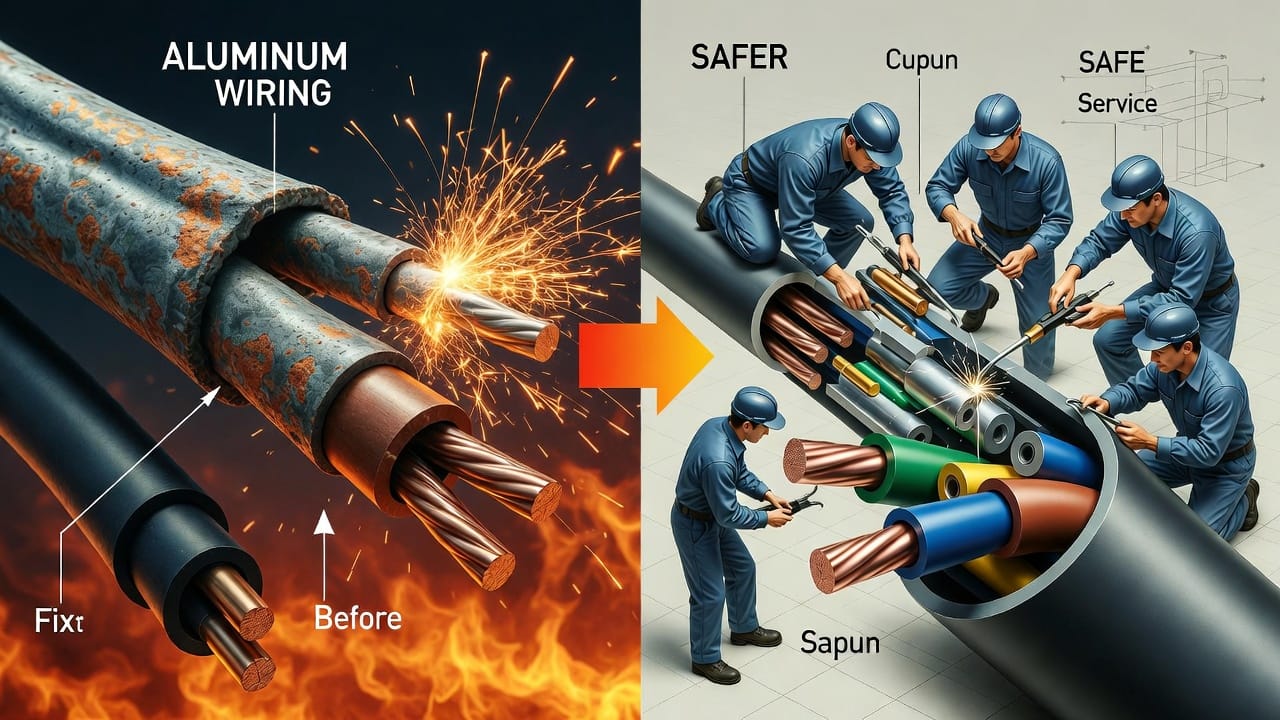
The Dangers of Ignoring Aluminum Wiring
Ignoring aluminum wiring isn't an option—it's a gamble with your home's safety. Over time, loose connections can lead to arcing, where electricity jumps gaps, producing intense heat up to 200°C. This heat can melt insulation, ignite drywall, or start smoldering fires that spread undetected.
- Fire Statistics: The CPSC reports thousands of fires annually linked to aluminum wiring, with potential for rapid escalation.
- Insurance Implications: Many insurers require remediation proof or charge higher premiums for aluminum-wired homes.
- Resale Value: Untreated aluminum wiring can deter buyers, reducing property value by 10-20%.
The good news? Remediation isn't as daunting as it seems. With expert intervention, you can eliminate these risks and even enhance your electrical system's efficiency.
Proper Remediation Methods: Beyond Basic Fixes
When it comes to fixing aluminum wiring, shortcuts like simple "pigtailing" (twisting aluminum to copper with wire nuts) are insufficient and can exacerbate problems. Instead, focus on proven, code-compliant methods that ensure long-term safety.
COPALUM Connectors: The Gold Standard
Developed specifically for aluminum remediation, COPALUM connectors use a cold-weld crimping process to join aluminum and copper wires securely.
- How It Works: A hydraulic tool compresses the connector, creating a gas-tight seal that prevents oxidation.
- Benefits: UL-listed, permanent solution with a failure rate near zero. Ideal for whole-home rewires.
- Drawbacks: Requires specialized equipment and certified technicians, making it more expensive upfront.
This method is endorsed by the CPSC as the most reliable way to address aluminum issues.
Retrofit Options: Practical Alternatives
For less extensive needs, retrofitting involves replacing devices and panels with aluminum-compatible versions.
- CO/ALR Devices: Swap out outlets, switches, and breakers for those rated for aluminum.
- AlumiConn Connectors: Similar to COPALUM but uses screw terminals for easier installation.
- Full Rewire: In severe cases, replacing all aluminum with copper provides ultimate peace of mind.
Avoid DIY pigtailing, as it often fails due to improper torque or incompatible materials. Always prioritize professional evaluation to choose the right approach.
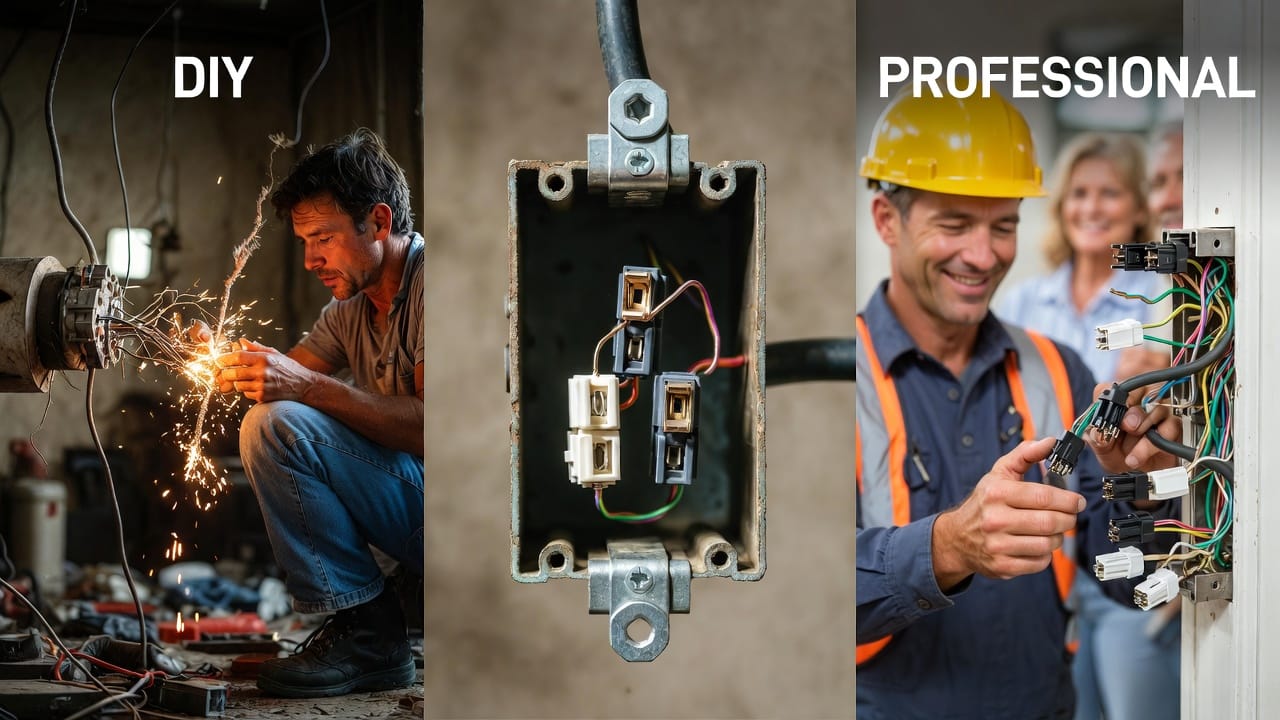
Why Professional Help is Essential
Tackling aluminum wiring yourself is risky—electrical work demands expertise to avoid shocks, fires, or code violations. Licensed electricians bring:
- Diagnostic Tools: Advanced meters and scopes to assess wire integrity.
- Compliance Knowledge: Ensuring work meets NEC (National Electrical Code) standards.
- Warranty and Insurance: Professional services often include guarantees, protecting your investment.
Investing in pros not only resolves the issue but also boosts your home's value and safety rating.
Cost Considerations and Long-Term Savings
Remediation costs vary: COPALUM might run $1,500-$3,000 per panel, while full rewires could exceed $10,000 for a average home. However, factor in savings from avoided fires, lower insurance, and energy efficiency.
- Funding Options: Some utilities offer rebates; check for federal tax credits on home safety upgrades.
- ROI: Safer wiring can increase resale value by up to 5%.
Think of it as an investment in your family's future.
Preventive Maintenance After Remediation
Once remediated, maintain your system with annual inspections, avoiding overloads, and using surge protectors. This extends the life of your electrical setup.
Final Warning and Call to Action
Aluminum wiring is a serious fire risk that demands immediate attention. Don't wait for signs of trouble—proactive steps save lives and property.
End Aluminum Wiring Risks Forever – Call for Expert Remediation