The Aftercare Planning: Building a Roadmap for Success After Treatment

Transitioning from the structured environment of rehab treatment back into everyday life represents one of the most critical phases in the recovery journey. While inpatient or outpatient programs provide essential tools for overcoming substance use, the real test of long-term sobriety begins the moment you step back into the world without 24-hour supervision. Aftercare planning serves as your personalized roadmap, guiding you safely through potential obstacles and reinforcing the foundation you built during treatment.
Start Your Successful Transition Now – Call for Aftercare Planning
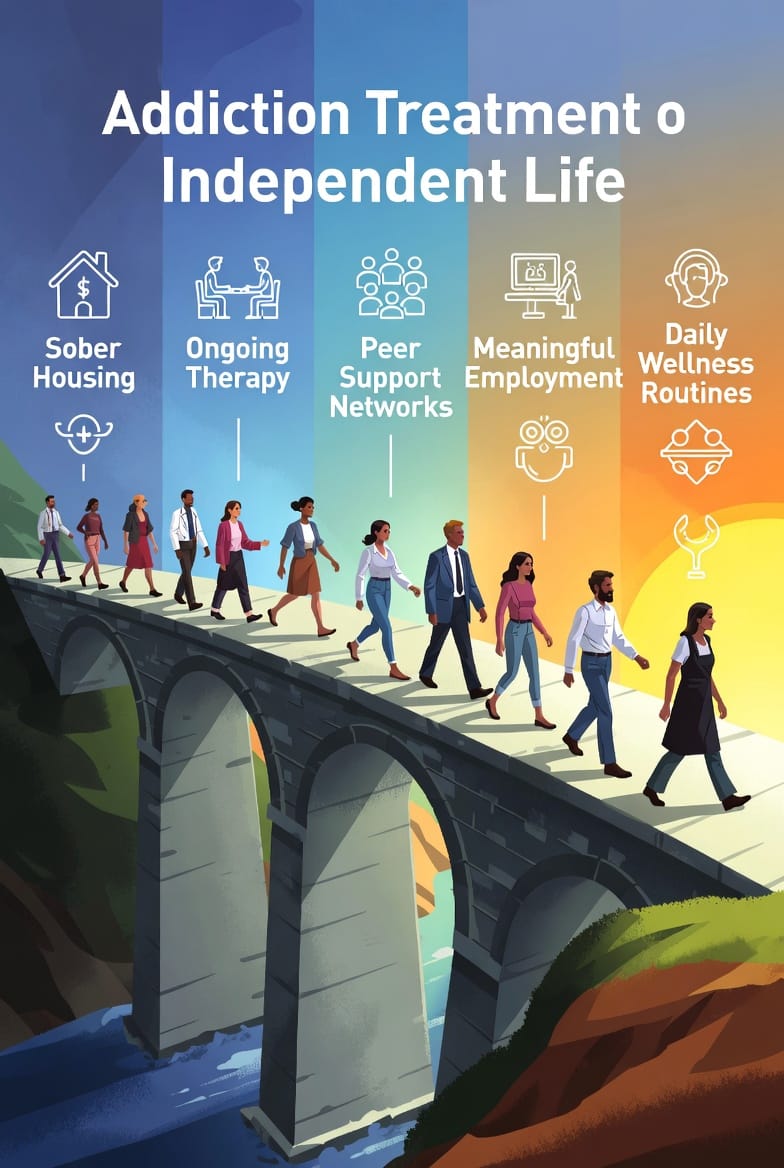
A well-designed aftercare plan is not an optional add-on—it is the bridge that turns short-term progress into lifelong success. Without it, individuals face heightened relapse risks triggered by stress, old environments, or unstructured days. With it, you gain clarity, accountability, and ongoing support that make sustained recovery not only possible but probable. At every stage, aftercare planning focuses on practical, actionable steps that address housing, emotional health, social connections, career stability, and daily wellness.
In this comprehensive guide, we explore exactly how to construct a robust aftercare plan tailored to your unique needs. You will discover the core components that experts agree deliver the strongest outcomes, along with practical strategies to implement them seamlessly. Whether you are preparing to leave treatment or supporting a loved one, this roadmap empowers you to move forward with confidence and purpose.
Why Aftercare Planning Is Essential for Long-Term Success
The period immediately following treatment is often called the “vulnerable window” for a reason. Research consistently shows that the first 90 days after discharge carry the highest relapse risk if support systems are not firmly in place. Aftercare planning directly counters this vulnerability by creating structure where none previously existed.
Think of aftercare as your personal safety net. It anticipates challenges—cravings during high-stress periods, social pressures from unsupportive friends, or the emotional weight of rebuilding relationships—and equips you with proven responses. More importantly, it shifts the focus from mere survival to genuine thriving. When you have a clear roadmap for success after treatment, each day becomes an opportunity to practice new habits rather than a battle against old ones.
A solid plan also provides measurable milestones. You can track progress in housing stability, therapy attendance, employment goals, and wellness routines, celebrating small wins that build momentum. This sense of achievement reinforces self-efficacy, the belief that you can maintain sobriety even when life becomes unpredictable. Families and loved ones benefit too; they gain peace of mind knowing a structured support system is actively working in your favor.
Ultimately, aftercare planning transforms the fear of “what comes next” into excitement for a future filled with purpose. It reassures you that recovery is not a temporary phase but a sustainable lifestyle you are actively designing.
How to Build Your Personalized Recovery Roadmap
Creating an effective aftercare plan starts with honest self-assessment and collaboration with your treatment team. Begin by reviewing what worked well during rehab and what areas need continued attention. Your counselor will help identify relapse triggers specific to your situation—whether they involve certain people, places, emotions, or routines.
Next, set realistic, time-bound goals across the five key pillars we will explore in detail. Write everything down. A documented plan is far more powerful than mental notes because it becomes a living document you can revisit and adjust as needed. Schedule regular check-ins with your support network to ensure the plan remains relevant.
Remember, flexibility is key. Life changes, and your aftercare plan should evolve with you. What matters most is consistency in the foundational elements: stable housing, continued therapeutic support, peer accountability, meaningful work, and healthy daily habits. When these pieces work together, they create a comprehensive safety net that protects your progress.
Aftercare planning is ultimately an act of self-empowerment. It says you are committed not just to getting sober but to staying sober and building a life you love.
Sober Living: Establishing a Supportive Home Environment
One of the first and most important decisions in aftercare planning is securing appropriate housing. Sober living homes provide a structured, substance-free environment that bridges the gap between intensive treatment and full independence.
These residences enforce clear rules—no alcohol or drugs, random testing, curfews, and mandatory house meetings—that reinforce accountability while offering peer support from others in similar stages of recovery. Residents often share chores and attend required recovery activities, creating a built-in community that reduces isolation.
For many, sober living is the safest next step because it minimizes exposure to high-risk situations that could derail progress. You maintain privacy and autonomy while benefiting from house managers who provide guidance and crisis intervention when needed. Studies show individuals who transition through sober living experience significantly lower relapse rates in the critical first six months.
When choosing a sober living home, consider location, cost, house culture, and proximity to ongoing treatment. Your aftercare coordinator can help match you with options that align with your personal values and recovery goals. The goal is a stable, supportive base from which you can confidently rebuild your life.
- Daily accountability through house meetings and drug testing
- Peer mentorship from residents further along in recovery
- Structured schedules that promote healthy routines
- Gradual transition to independent living as you demonstrate stability
Sober living is not a step backward—it is a strategic move forward that gives your brain and body time to heal while you practice real-world sobriety skills.
Ongoing Therapy: Continuing Professional Guidance
Even after completing primary treatment, ongoing therapy remains a cornerstone of successful aftercare planning. Individual counseling sessions help you process emotions, develop coping strategies, and address underlying issues that may have contributed to substance use.
Therapists trained in addiction recovery provide a safe space to explore setbacks without judgment and celebrate victories with genuine enthusiasm. Weekly or bi-weekly sessions ensure you never feel alone when facing life’s inevitable stressors. Many programs also offer family therapy, strengthening relationships and creating a healthier home dynamic.
Cognitive-behavioral techniques learned in therapy become lifelong tools for managing cravings and negative thought patterns. Regular sessions also allow for medication management if needed, ensuring any co-occurring mental health conditions receive consistent attention.
- Personalized coping skills for high-risk situations
- Emotional regulation strategies that strengthen resilience
- Progress tracking to maintain motivation
- Adjustment of treatment goals as recovery evolves
Ongoing therapy reassures you that professional support continues long after you leave the treatment center, making sustained recovery feel achievable and supported.
Peer Support and 12-Step Programs: Building Community Accountability
No one recovers in isolation. Peer support and 12-step programs offer fellowship with others who truly understand the recovery journey. Meetings—whether Alcoholics Anonymous, Narcotics Anonymous, or secular alternatives—provide a judgment-free space to share experiences, gain wisdom, and receive encouragement.
Sponsorship adds another layer of personal accountability. A sponsor who has walked the same path becomes a trusted mentor, available 24/7 for guidance during difficult moments. Regular attendance at meetings also fills the social calendar with positive, sober activities that replace old habits.
Many aftercare plans require a minimum number of meetings per week, especially in the first 90 days. This structure helps establish routine while building a new support network that celebrates your milestones and holds you accountable during challenges.
The power of peer support lies in its relatability. Hearing “me too” stories normalizes struggles and proves that long-term sobriety is not only possible but common among those who stay connected.
Securing Employment: Restoring Purpose and Financial Independence
Meaningful work plays a vital role in aftercare planning. Employment provides structure, financial stability, and a sense of purpose that strengthens self-worth. Many treatment centers partner with employment specialists who assist with resume building, interview preparation, and identifying sober-friendly workplaces.
Starting with part-time or flexible positions allows you to balance work with therapy and meetings. Over time, career advancement becomes possible as you demonstrate reliability and dedication. Some individuals discover entirely new vocational paths that align with their values and recovery lifestyle.
Employment also reduces idle time that can invite cravings. When you are productively engaged and contributing to society, your identity shifts from “someone in recovery” to “a valuable professional building a future.”
- Resume workshops and job placement assistance
- Workplace accommodations for recovery needs
- Skill development programs that boost confidence
- Networking within sober professional communities
A stable job transforms aftercare from a checklist into a fulfilling lifestyle.
Establishing Healthy Routines and Wellness Practices
Daily wellness routines anchor your aftercare plan and promote physical, mental, and spiritual well-being. Exercise, nutrition, sleep hygiene, and mindfulness practices all work synergistically to reduce stress and enhance mood naturally.
Simple habits such as morning meditation, regular physical activity, balanced meals, and evening reflection create predictable rhythms that support emotional regulation. Many individuals incorporate hobbies, volunteering, or creative outlets that bring joy and connection.
Healthy routines also serve as powerful relapse prevention tools. When life feels overwhelming, returning to your established wellness practices provides immediate grounding and perspective.
- Morning mindfulness or gratitude journaling
- Regular exercise tailored to your fitness level
- Nutritious meal planning and hydration goals
- Consistent sleep schedule and relaxation techniques
These practices reassure you that sobriety enhances every aspect of life, making each day richer and more rewarding.
Navigating Challenges and Monitoring Progress
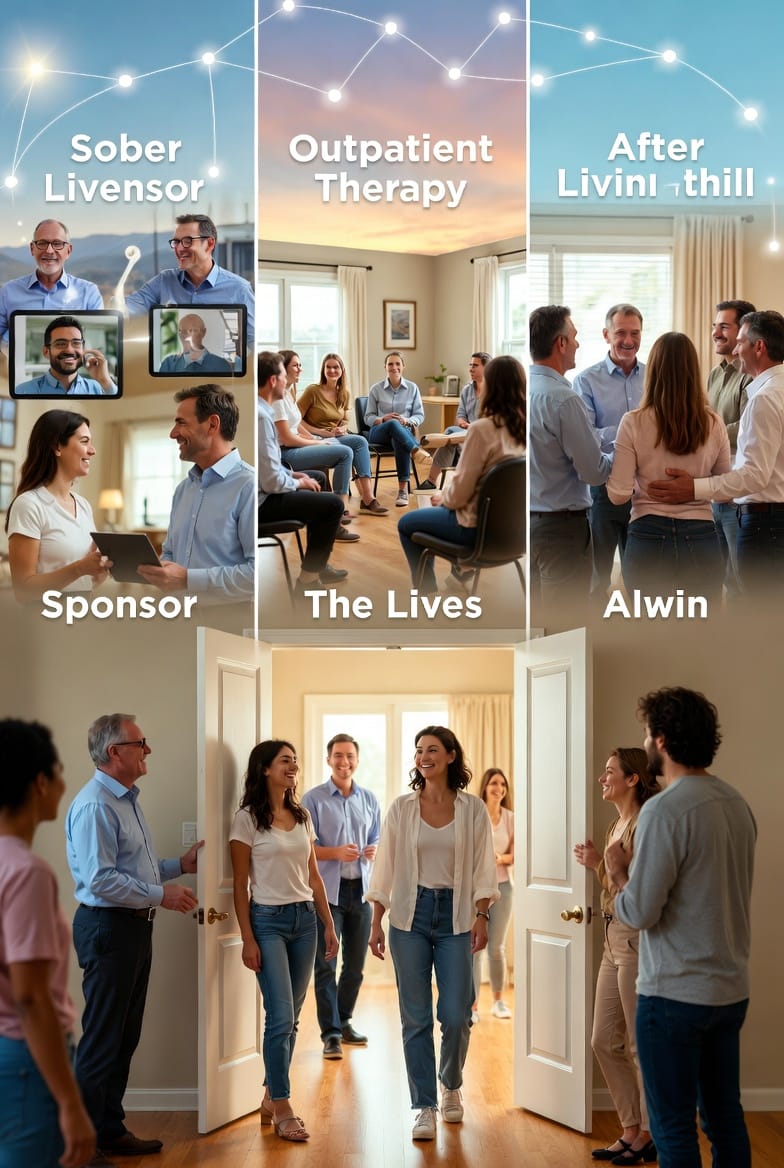
Even the best aftercare plan will face obstacles. Life stressors, unexpected triggers, or temporary setbacks are normal. The key is having built-in monitoring systems—regular check-ins with your counselor, sponsor, and sober living house—that catch issues early.
Track your progress weekly using simple journals or apps. Celebrate consistency in meeting attendance, job performance, and wellness goals. When challenges arise, adjust the plan rather than abandoning it. Your treatment team is there to help refine strategies without shame or judgment.
Aftercare planning teaches resilience. Each obstacle overcome reinforces your ability to handle future difficulties with confidence and grace.
Plan Your Success Beyond Treatment
You now possess a complete blueprint for building a strong aftercare plan. Every component—sober living, ongoing therapy, peer support, employment, and healthy routines—works together to create a comprehensive safety net that protects and propels your recovery.
The transition from treatment to everyday life does not have to feel overwhelming. With the right roadmap, you step into a future defined by purpose, connection, and lasting sobriety. Recovery is not only possible—it is within your reach when you follow a thoughtful, personalized aftercare plan.
Plan your success beyond treatment today. Learn about our comprehensive aftercare planning services and take the next confident step in your journey. Your brighter future starts with one purposeful conversation.
Create Your Roadmap to Lasting Sobriety – Call Now