The Adventure Therapy Model: Using Outdoor Experiences to Build Confidence and Sobriety

In the journey toward lasting sobriety, traditional talk therapy opens important doors – but adventure therapy takes recovery one powerful step further. By stepping outside the walls of conventional treatment centers and into the great outdoors, individuals discover a transformative path that combines physical challenge with emotional growth. This experiential treatment model harnesses the raw power of nature to rebuild self-efficacy, strengthen teamwork, and foster healthy risk-taking – all while delivering natural dopamine boosts that support sobriety without substances.
Discover Adventure Therapy – Call Now for a Free Consultation
At its core, adventure therapy is not just recreation; it is structured, evidence-informed healing. Clients face real-world obstacles that mirror the challenges of addiction recovery, learning to trust themselves and others in the process. Whether navigating a rugged trail or scaling a rock face, participants experience tangible victories that translate directly into confidence and long-term sobriety. This approach reconnects people with their innate resilience, proving that healing happens through action, not just reflection.
What Is Adventure Therapy and Why Does It Work?
Adventure therapy represents a dynamic form of experiential treatment designed specifically for addiction recovery and mental wellness. Unlike seated sessions that explore thoughts in isolation, this model immerses participants in carefully facilitated outdoor activities. The goal is simple yet profound: replace old patterns of avoidance with new habits of courage and connection.
Research in experiential psychology shows that when individuals engage their whole body and mind in challenging environments, neural pathways for resilience strengthen rapidly. In a safe, supportive rehab setting, adventure therapy creates controlled scenarios where failure is impossible and success is inevitable – building momentum that carries back into everyday life.
Clients often arrive feeling defeated by addiction, questioning their ability to change. Through guided outdoor experiences, they witness their own strength firsthand. This shift from doubt to empowerment forms the foundation of sobriety that lasts.
Building Self-Efficacy Through Outdoor Challenges
One of the most powerful outcomes of adventure therapy is the rapid development of self-efficacy – the deep belief in one’s ability to succeed. Every hike completed, every summit reached, serves as undeniable proof that change is possible.
Consider the simple act of hiking a steep mountain trail. At the base, the path looks overwhelming. Yet with each deliberate step, participants push past initial discomfort. Guides provide just enough support to ensure safety while encouraging independence. By the time the group reaches the viewpoint, exhausted but exhilarated, self-efficacy has taken root. That same determination transfers to resisting cravings or attending recovery meetings consistently.
Rock climbing takes this process higher – literally. Gripping small holds and trusting your body to move upward demands focus, planning, and persistence. When a climber reaches the top and looks back at the route they conquered, the metaphor becomes crystal clear: addiction may feel insurmountable, but step-by-step progress leads to victory. These experiences create lasting internal confidence that no amount of indoor therapy alone can match.
Fostering Teamwork and Trust in Recovery
Recovery is rarely a solo journey, and adventure therapy makes this truth experiential. Activities such as ropes courses require absolute reliance on teammates. One person cannot succeed without the group’s encouragement, spotters, and shared strategy.
During a high-elements course, participants learn to communicate clearly under pressure. “I’ve got you” becomes more than words – it becomes action. Trust builds organically as individuals support one another through fear and fatigue. These bonds often evolve into lifelong sober support networks.
In traditional settings, clients may hesitate to ask for help. On a ropes course, asking for a hand is essential for safety and success. This healthy vulnerability becomes normalized, reducing the isolation that fuels addiction.
Embracing Healthy Risk-Taking for Sobriety
Addiction often stems from unhealthy risk patterns – chasing quick highs that lead to devastating lows. Adventure therapy redirects this impulse into healthy risk-taking that builds character rather than destroys it.
Guided rock climbing or navigating whitewater in kayaking offers controlled adrenaline that feels rewarding without chemical assistance. Participants learn to assess real dangers, make calculated decisions, and celebrate positive outcomes. This rewires the brain’s reward system toward sustainable sources of excitement.
The reassuring truth is that every healthy risk taken in nature strengthens the neural circuits needed for daily sobriety decisions. Clients leave programs not only sober but equipped with practical tools for navigating life’s uncertainties.

The Natural Dopamine Boost That Supports Sobriety
One of the most scientifically grounded advantages of adventure therapy lies in its ability to deliver natural dopamine boosts. Physical exertion in beautiful outdoor settings triggers the brain’s reward chemistry safely and sustainably.
Hiking through forests releases endorphins and dopamine, creating feelings of accomplishment and well-being that directly counteract the chemical imbalances caused by substance use. Nature itself – fresh air, expansive views, and rhythmic movement – further enhances these effects through what researchers call “awe responses.”
Clients frequently report that the natural high from summiting a peak or paddling across a pristine lake feels more satisfying than any artificial substance ever did. This positive reinforcement helps recondition the brain toward healthy pleasures, making sobriety not only possible but genuinely enjoyable.
Connecting Clients to Nature for Deeper Healing
Modern life often disconnects us from the natural world, contributing to stress and disconnection that can fuel addiction. Adventure therapy restores this vital link, allowing participants to experience nature as both healer and teacher.
Camping under star-filled skies promotes mindfulness and presence. The absence of digital distractions creates space for genuine self-reflection and meaningful conversations. Many clients describe profound “aha” moments while sitting around a campfire or watching a sunrise after an early-morning hike.
This nature connection fosters a sense of belonging larger than oneself – a powerful antidote to the isolation of addiction. When individuals feel part of the natural world, they become more motivated to protect their own well-being and maintain sobriety.
Popular Adventure Therapy Activities That Drive Transformation
Adventure therapy programs incorporate a thoughtfully selected range of activities tailored to individual fitness levels and recovery goals. Each experience targets specific growth areas while remaining accessible and fun.
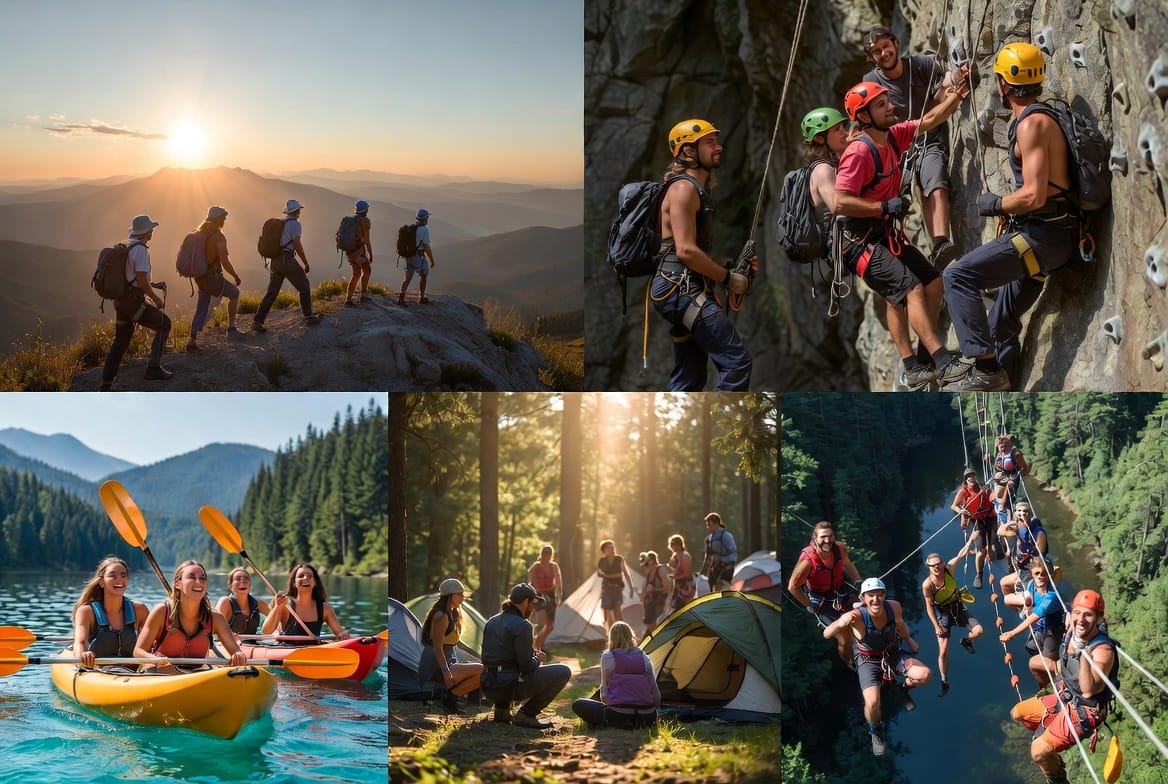
- Hiking: Builds physical endurance and mental stamina while offering time for reflective conversations in peaceful wilderness settings.
- Rock climbing: Develops problem-solving skills, focus, and the courage to face fears one hold at a time.
- Kayaking: Enhances balance, teamwork, and appreciation for water as a metaphor for navigating emotional currents.
- Camping: Teaches self-reliance, cooperation in setting up shelters, and the restorative power of simple living.
- Challenge courses and ropes elements: Perfect for practicing trust, communication, and collective problem-solving in elevated, exciting environments.
These activities are never random. Trained facilitators ensure each session connects directly to recovery principles, turning fun into profound personal development.
Integrating Adventure Therapy into Comprehensive Rehab Programs
The true strength of adventure therapy emerges when it complements other evidence-based treatments such as cognitive behavioral therapy, group counseling, and medical support. In a full-spectrum rehab environment, outdoor experiences become the practical application lab for skills learned indoors.
Clients practice emotional regulation on the trail, apply relapse prevention strategies during challenging moments, and celebrate milestones with their peers in nature. This integration creates deeper learning that transfers seamlessly to life after treatment.
Who Benefits Most from Outdoor Experiences in Recovery?
Adventure therapy welcomes individuals from all backgrounds and fitness levels. Whether someone is 25 or 55, athletic or just beginning their wellness journey, programs adapt to meet each person where they are. The model particularly resonates with those who thrive through hands-on learning or have felt stuck in traditional therapy formats.
Families sometimes participate in select activities, strengthening sober support systems. Even those with initial hesitation discover that the supportive environment makes stepping outside their comfort zone feel safe and rewarding.
Addressing Common Concerns with Confidence
Many wonder if they are “outdoorsy enough” or physically ready for adventure therapy. The reassuring answer is that qualified programs prioritize safety and personalization above all. Medical screenings, proper equipment, and graduated challenges ensure every participant succeeds at their own pace.
Weather or location concerns are managed through professional planning. The focus remains on growth, never on perfection. Every small victory counts toward building the confidence needed for lifelong sobriety.
Real Transformations That Inspire Hope
Countless individuals have rewritten their recovery stories through adventure therapy. One participant who once avoided all physical activity now leads weekend hikes for their sober community. Another who struggled with trust now maintains healthy relationships built during ropes course teamwork. These are not rare exceptions – they represent the reliable outcomes of consistent, experiential engagement with nature.
The model works because it addresses the whole person: body, mind, and spirit. Confidence grows. Sobriety becomes sustainable. Life regains its sense of adventure and possibility.
Heal Through Action and Nature
The adventure therapy model offers a proven pathway to rebuild confidence and achieve lasting sobriety. By embracing outdoor experiences, individuals discover strengths they never knew they possessed and form connections that support long-term wellness.
If you or someone you love is ready to move beyond talk and into transformative action, adventure therapy can light the way. Heal through action and nature.
Transform Sobriety with Adventure Therapy – Call Today