Synthetic Roofing Shingles: The Next Generation of Durability, Impact Resistance, and Style
In the ever-evolving world of home improvement, homeowners are increasingly seeking roofing solutions that combine long-term performance with visual appeal. Traditional options like asphalt shingles and natural slate have long dominated the market, but a new contender is rising: synthetic roofing shingles. Crafted from advanced polymers and often incorporating recycled materials, these innovative shingles offer a compelling alternative that addresses common pain points in roofing. Whether you're dealing with harsh weather, high maintenance costs, or outdated aesthetics, synthetic shingles provide a reassuring path forward. This article explores their composition, benefits, and how they stack up against conventional materials, empowering you to make an informed decision for your home's protection.
Switch to Lasting Slate-Style Shingles – Call Today
Understanding Synthetic Roofing Shingles
Synthetic roofing shingles, also known as composite or polymer shingles, represent a breakthrough in material science. Unlike traditional asphalt-based products, these shingles are engineered from a blend of high-grade polymers, such as polyethylene or polypropylene, combined with recycled elements like rubber from tires and plastics from consumer waste. This composition not only enhances their structural integrity but also promotes sustainability by diverting materials from landfills.
The manufacturing process involves melting and molding these components into shingles that mimic natural textures. For instance, proprietary blends allow for precise replication of grain patterns and color variations, ensuring a premium look without the drawbacks of organic materials. Brands leading this innovation focus on creating products that are lightweight yet robust, making them suitable for a wide range of architectural styles—from classic colonial homes to sleek modern designs.
Key advantages stem from their engineered nature:
- Enhanced flexibility: Polymers allow shingles to bend without breaking, reducing the risk of cracks during installation or temperature fluctuations.
- UV resistance: Built-in stabilizers prevent fading, maintaining vibrant colors over decades.
- Eco-friendly profile: Many synthetic shingles are fully recyclable at the end of their life, closing the loop on resource use.
As material science advances, these shingles continue to improve, offering homeowners a reliable option that aligns with both practical needs and environmental values.
The Science Behind Durability and Impact Resistance
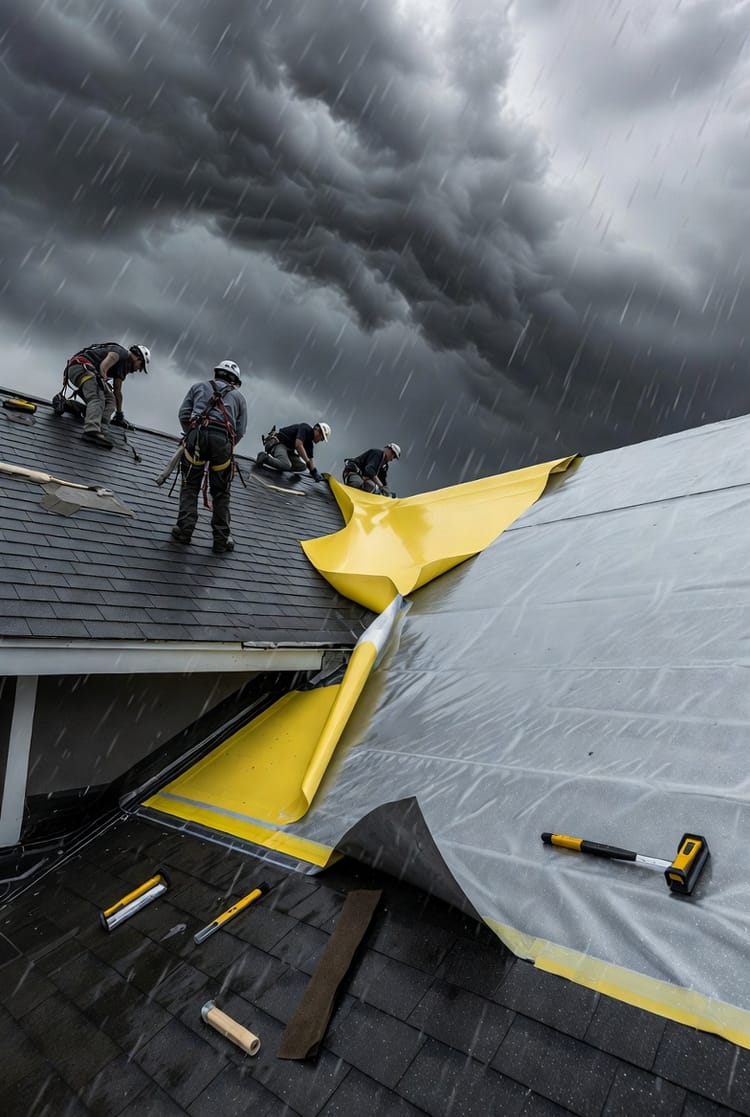
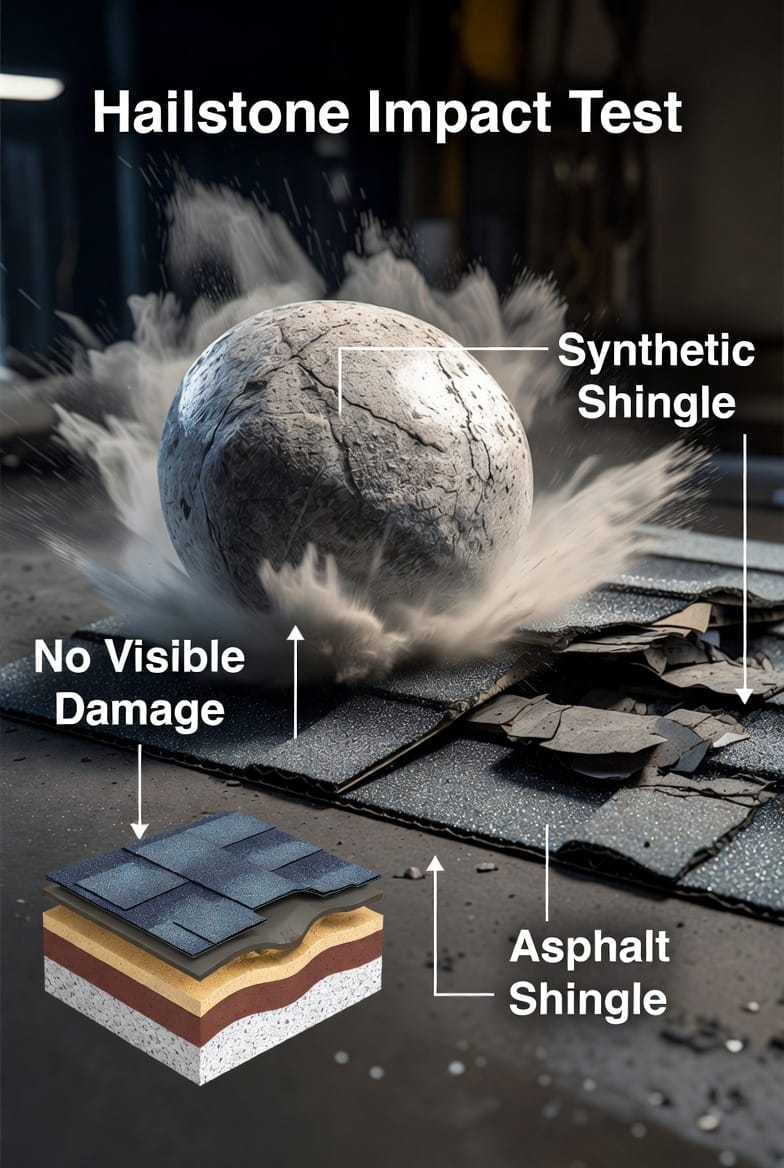
One of the standout features of synthetic roofing shingles is their exceptional durability. In regions prone to severe weather, such as hailstorms or high winds, traditional roofs often suffer premature damage. Synthetic options, however, are designed to excel in these conditions, achieving the highest industry ratings for protection.
Central to this is the Class 4 impact resistance rating, the top tier under UL 2218 standards. This certification means the shingles can withstand simulated hail impacts—equivalent to a 2-inch steel ball dropped from 20 feet—without cracking or rupturing. In real-world terms, this translates to superior defense against hail up to 2 inches in diameter, a common threat in many U.S. states. Compared to standard asphalt shingles, which might dent or lose granules under similar stress, synthetics maintain their integrity, preventing leaks and structural issues.
Wind resistance is equally impressive. Many synthetic shingles are rated to endure gusts up to 110 mph or higher, often exceeding 130 mph with proper installation techniques like ring shank nails. This is crucial in hurricane-prone areas, where wind uplift can tear off less secure materials. The polymer base provides inherent flexibility, allowing the roof to absorb forces that would otherwise cause rigid materials to fail.
Beyond weather, these shingles resist other common hazards:
- Fire protection: Often earning a Class A fire rating, the highest available, due to non-combustible components.
- Mold and algae growth: Treated surfaces inhibit biological buildup, reducing maintenance needs.
- Thermal expansion: Polymers handle extreme temperature swings without warping, unlike some natural alternatives.
Homeowners can rest assured that investing in synthetic shingles means fewer repairs and greater peace of mind, even in challenging climates.
Aesthetics: Replicating Nature with Precision
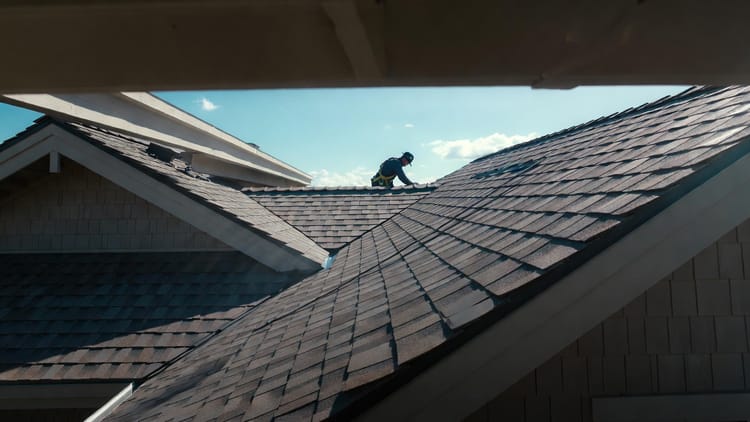
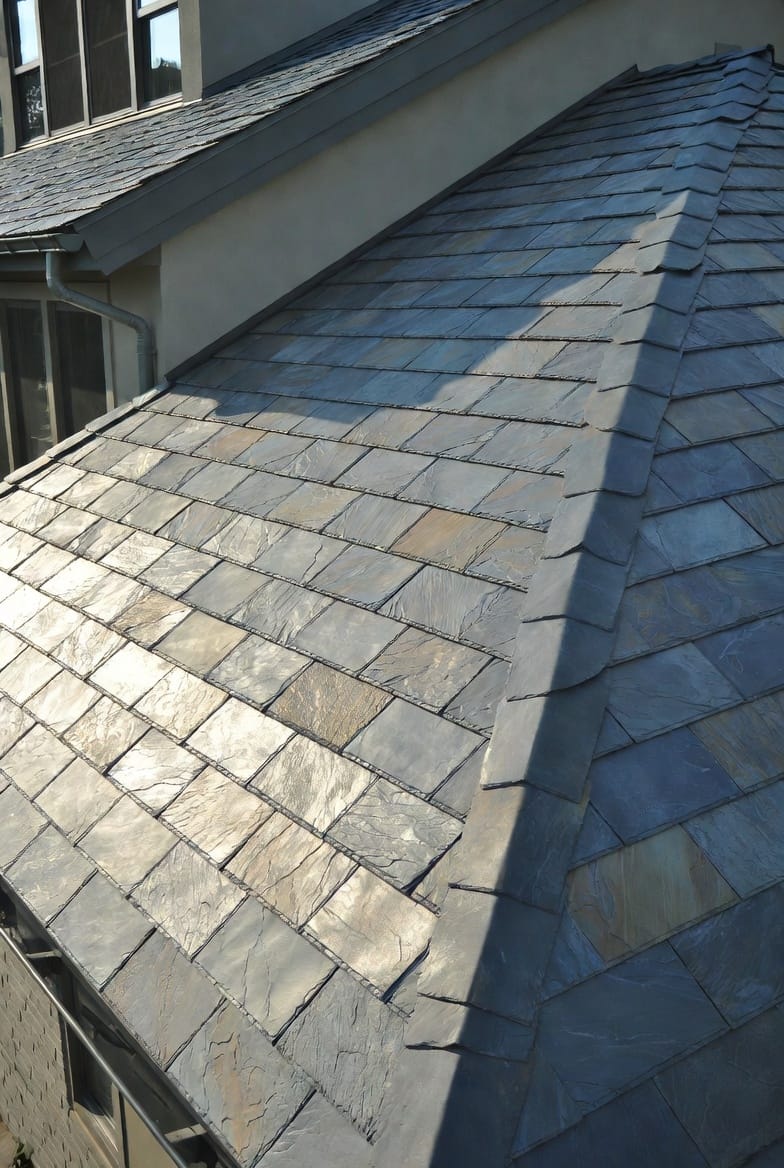
Gone are the days when durable roofing meant sacrificing style. Synthetic shingles excel in realistic replication, offering aesthetics that rival—or even surpass—natural wood shake or slate. Through advanced molding techniques, manufacturers capture every detail: the irregular edges of hand-split cedar, the veined patterns of quarried slate, or the rustic charm of aged wood.
This versatility allows for customization. Homeowners can choose from a palette of colors and profiles, including:
- Slate-inspired designs: Deep grays, blues, and earth tones that evoke European elegance.
- Wood shake mimics: Warm browns and reds with textured grains for a cozy, traditional feel.
- Blended options: Multi-tone variations that add depth and character to any roofline.
Unlike natural materials, which can vary in quality and color, synthetics provide consistency. Each shingle is uniform, ensuring a seamless installation. This not only enhances curb appeal but also boosts property value, as potential buyers appreciate the low-maintenance beauty.
In material science terms, the polymers enable intricate detailing without the weight or fragility of real stone or wood. This means you get the luxurious look without reinforcing your home's structure, making synthetics ideal for retrofits.
Long Warranties: A Testament to Reliability
Warranties are a key indicator of a product's quality, and synthetic roofing shingles often outshine traditional materials here. Many come with 50-year limited warranties, far exceeding the 20-30 years typical of asphalt shingles. These warranties are frequently transferable, adding value during home sales.
What sets them apart? Coverage often includes:
- Material defects: Protection against manufacturing flaws like delamination.
- Weather performance: Assurance for impact and wind damage under specified conditions.
- Non-prorated periods: Full replacement value for the first 10-15 years, then prorated.
In contrast, traditional asphalt warranties may prorate quickly, leaving homeowners with partial coverage after a decade. Natural slate, while long-lasting, often lacks comprehensive manufacturer backing due to its variable nature.
This extended protection reflects the confidence in polymer-based materials. With proper installation, synthetic shingles can last 40-50 years or more, minimizing the need for replacements and reducing long-term costs.
Environmental and Sustainability Benefits
In an era of eco-conscious living, synthetic shingles shine for their green credentials. Composed largely of recycled plastics and rubber, they reduce waste and conserve resources. For example, a single roof might incorporate materials equivalent to thousands of discarded tires or bottles.
Their lifecycle advantages include:
- Recyclability: At end-of-life, shingles can be ground down and reused, unlike asphalt which often ends up in landfills.
- Lower carbon footprint: Manufacturing uses less energy than mining slate or producing asphalt.
- Energy efficiency: Reflective surfaces can lower cooling costs by deflecting solar heat.
By choosing synthetics, you're not just protecting your home—you're contributing to a sustainable future.
Installation and Maintenance Insights
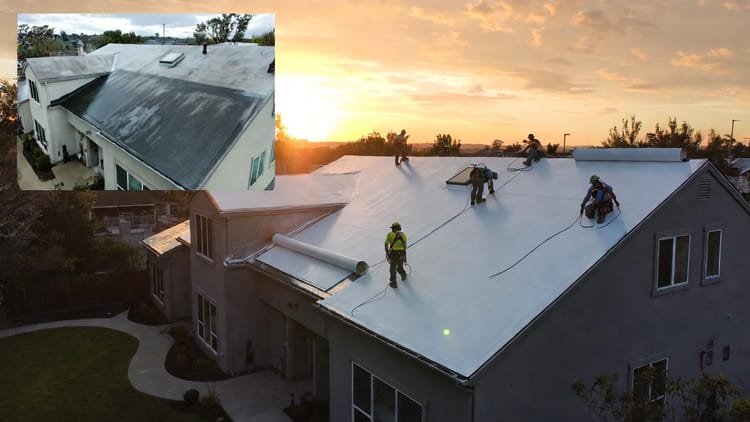
Ease of installation is another win for synthetics. Weighing significantly less than natural slate (around 250-350 lbs per square versus 800-1,000 lbs), they don't require structural reinforcements, saving time and money. Professional roofers can install them using standard tools, often completing jobs faster than with heavier materials.
Maintenance is minimal:
- Routine checks: Inspect for debris annually.
- Cleaning: Gentle pressure washing if needed, without harsh chemicals.
- Repairs: Individual shingles can be replaced easily, unlike slate which may require specialized skills.
This straightforward approach ensures your roof remains in top condition with little effort.
Cost Considerations: Value Over Time
Upfront, synthetic shingles cost more—typically $8-18 per square foot installed—compared to asphalt's $4-8. Natural slate is pricier at $15-30+. However, the investment pays off through longevity, reduced repairs, and potential insurance discounts for Class 4 ratings (up to 30% savings in hail-prone areas).
Over 50 years, synthetics often prove more economical, avoiding multiple replacements that asphalt demands.
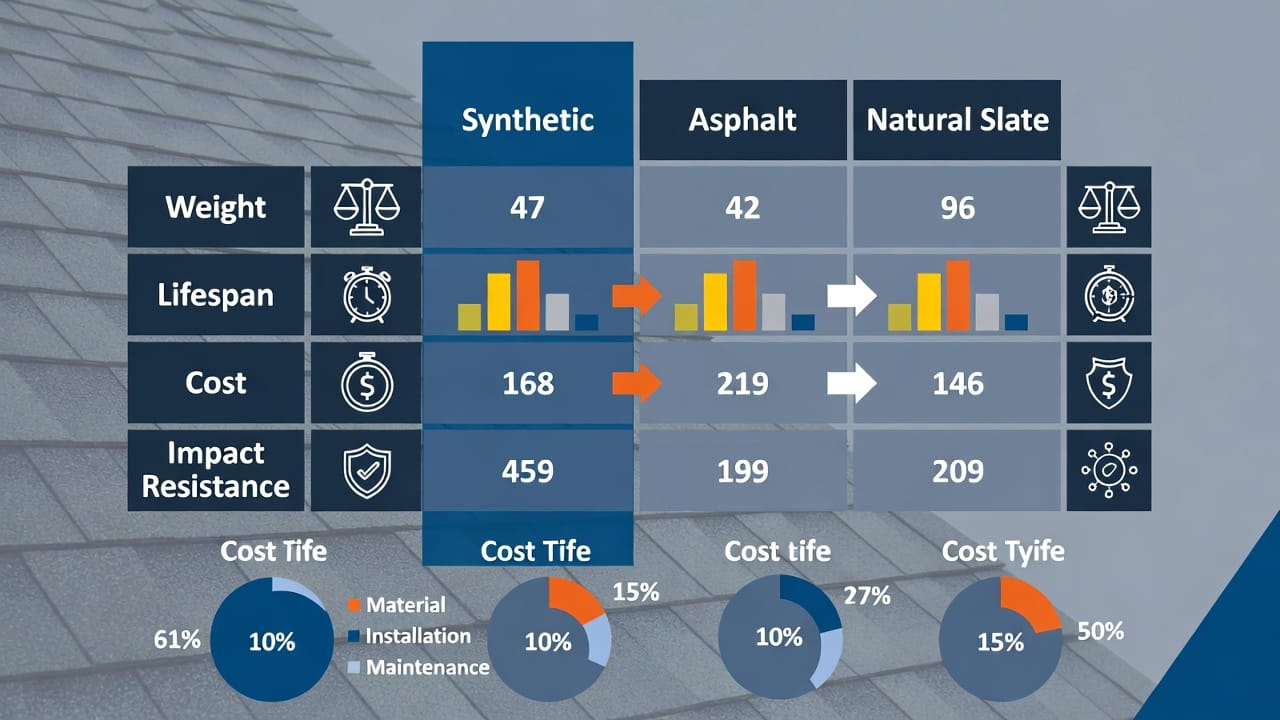
Comparing Synthetic, Asphalt, and Natural Slate
To highlight the advantages, consider this side-by-side evaluation:
Synthetics balance performance and practicality, offering durability without slate's weight or asphalt's short life.
Pros and Cons of Synthetic Shingles
Pros:
- Superior impact and wind resistance for weather-prone areas.
- Stunning aesthetics with low maintenance.
- Extended warranties and eco-benefits.
Cons:
- Higher initial cost than basic asphalt.
- Limited availability in some regions.
- Requires professional installation for optimal performance.
Overall, the pros far outweigh the cons for most homeowners.
Embracing the Future of Roofing
Synthetic roofing shingles mark a pivotal shift in material science, delivering the next generation of durability, impact resistance, and style. With their polymer-based innovation, realistic designs, and robust warranties, they offer a reassuring, authoritative solution for modern homes. If you're ready to upgrade, explore the future of roofing materials.
Say Goodbye to Asphalt Worries – Call for Synthetics