Solving the Mystery of Home Water Pressure: From Weak Showers to Banging Pipes
Have you ever stepped into the shower only to be greeted by a disappointing trickle instead of a refreshing cascade? Or perhaps you've heard those unsettling banging pipes echoing through your home like a mysterious drumbeat? These are classic signs of home water pressure issues, and they're more common than you might think. As a trusted plumbing expert with years of experience, I can assure you that solving these problems is often straightforward once you understand the root causes. In this comprehensive guide, we'll demystify low water pressure, differentiate it from water volume problems, and walk you through step-by-step troubleshooting. By the end, you'll feel empowered to tackle these issues or know when to call in the pros for lasting solutions.
Get Powerful Water Flow Back – Call Our Plumbers Now
Water pressure woes can disrupt daily life, from inefficient dishwashing to frustrating laundry cycles. But fear not—most issues stem from identifiable causes like clogged aerators, faulty pressure regulators, or even undersized supply lines. We'll explore these in detail, offering practical advice to restore your home's water flow to its optimal state. Whether you're dealing with weak showers or noisy pipes, this article will equip you with the knowledge to diagnose and fix the problem efficiently.
Understanding Water Pressure vs. Water Volume: The Key Distinction
Before diving into diagnostics, it's crucial to clarify the difference between water pressure and water volume. Many homeowners confuse the two, leading to misguided fixes.
- Water Pressure refers to the force pushing water through your pipes. Measured in pounds per square inch (PSI), ideal residential pressure ranges from 45 to 80 PSI. Low pressure feels like a weak stream, even if the volume seems adequate.
- Water Volume, on the other hand, is the amount of water delivered over time, often measured in gallons per minute (GPM). Issues here might stem from restrictions that reduce flow without affecting force.
Why does this matter? A clogged aerator might reduce volume at a single faucet, while a faulty pressure regulator could lower pressure house-wide. Misdiagnosing can waste time and money. For instance, if your showerhead delivers a strong initial burst but quickly fades, it's likely a volume issue tied to pipe blockages rather than overall pressure loss.
In my experience, about 60% of service calls for "low pressure" actually involve volume restrictions. Rest assured, pinpointing the difference is the first step toward a reliable fix.
Common Causes of Low Water Pressure in Homes
Let's break down the most frequent culprits behind home water pressure problems. These issues can arise from wear and tear, installation errors, or external factors like municipal supply changes.
Clogged Aerators and Fixtures
One of the simplest yet most overlooked causes is buildup in aerators—those small screens at the end of faucets and showerheads. Mineral deposits from hard water, sediment, or debris can accumulate, restricting flow.
- Symptoms: Dribbling faucets or uneven spray patterns.
- Risks: Ignoring this can lead to higher water bills from inefficiency and potential leaks if pressure builds unevenly.
To check, unscrew the aerator and inspect for clogs. A quick soak in vinegar often dissolves the buildup, restoring flow instantly.
Faulty Pressure Regulators
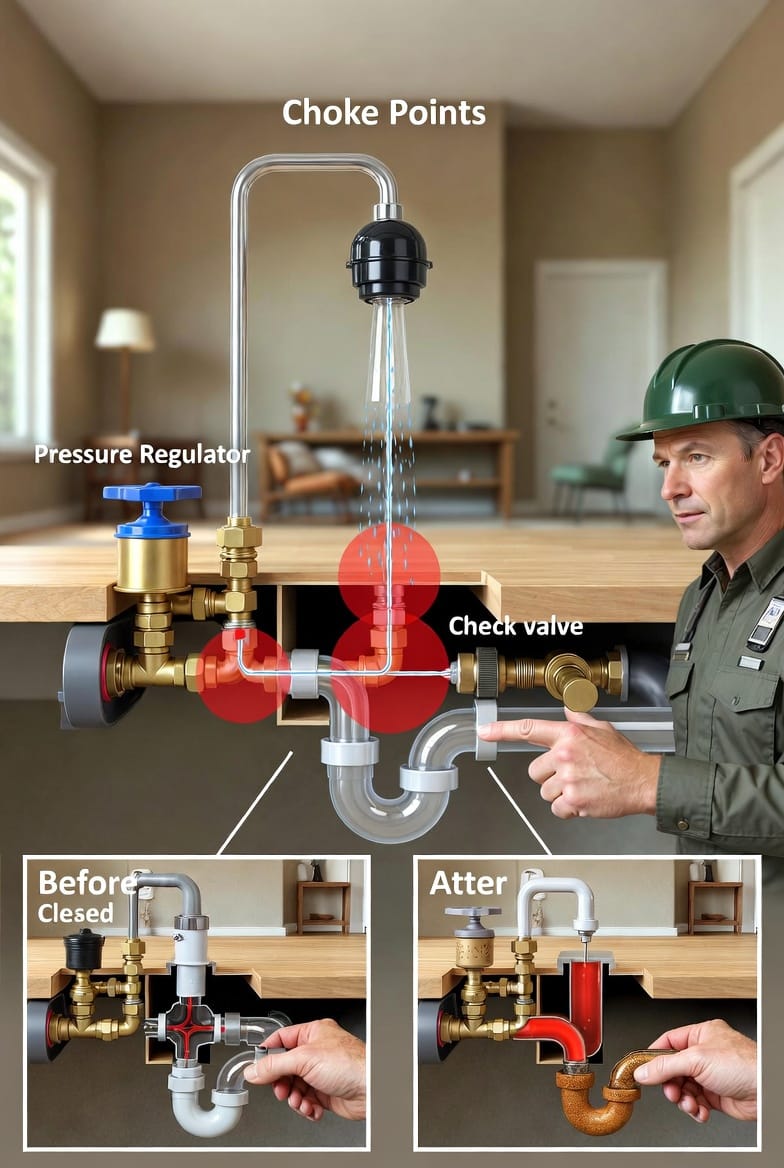
Homes often have a pressure regulator (or pressure-reducing valve) near the main water shutoff to control incoming pressure from the city supply. If it fails, pressure can drop dramatically or fluctuate wildly.
- Causes: Age-related wear, improper settings, or damage from water hammer (sudden pressure surges).
- Differentiation: This affects the entire house, unlike localized fixture issues.
A telltale sign? Pressure that's fine in the morning but drops during peak usage hours. Regulators typically last 10-15 years, so if your home is older, this could be the mystery solved.
Undersized or Corroded Supply Lines
Undersized supply lines are a design flaw in older homes, where pipes are too narrow to handle modern demands. Corrosion from galvanized steel pipes exacerbates this, narrowing the interior diameter over time.
- Impact on Volume: Even with good pressure, narrow pipes limit how much water can pass through, mimicking low pressure.
- Banging Pipes Connection: Known as water hammer, this occurs when fast-closing valves cause shockwaves in undersized or loose pipes.
Upgrading to wider copper or PEX lines can transform your system, but it's a job best left to professionals to avoid disrupting your water supply.
Closed or Partially Closed Valves
Sometimes, the issue is as simple as a closed valve under a sink or at the main shutoff. During renovations or repairs, valves might not be fully reopened.
- Quick Check: Ensure all shutoff valves are turned fully counterclockwise.
- Hidden Risks: Partially closed valves can cause uneven pressure, leading to pipe stress and eventual leaks.
Other causes include leaks in the system, high demand from multiple fixtures, or even municipal issues like low street pressure. If your neighbors report similar problems, contact your water utility.
Step-by-Step Troubleshooting for Water Pressure Issues
Now that we've identified potential causes, let's move to actionable troubleshooting. Follow these steps methodically for the best results. Always prioritize safety—turn off water if needed, and wear protective gear.
Step 1: Assess the Scope of the Problem
Determine if the issue is isolated or widespread.
- Check multiple fixtures: Test sinks, showers, and outdoor spigots.
- Note patterns: Is it worse in upstairs bathrooms? This could indicate gravity-related volume loss.
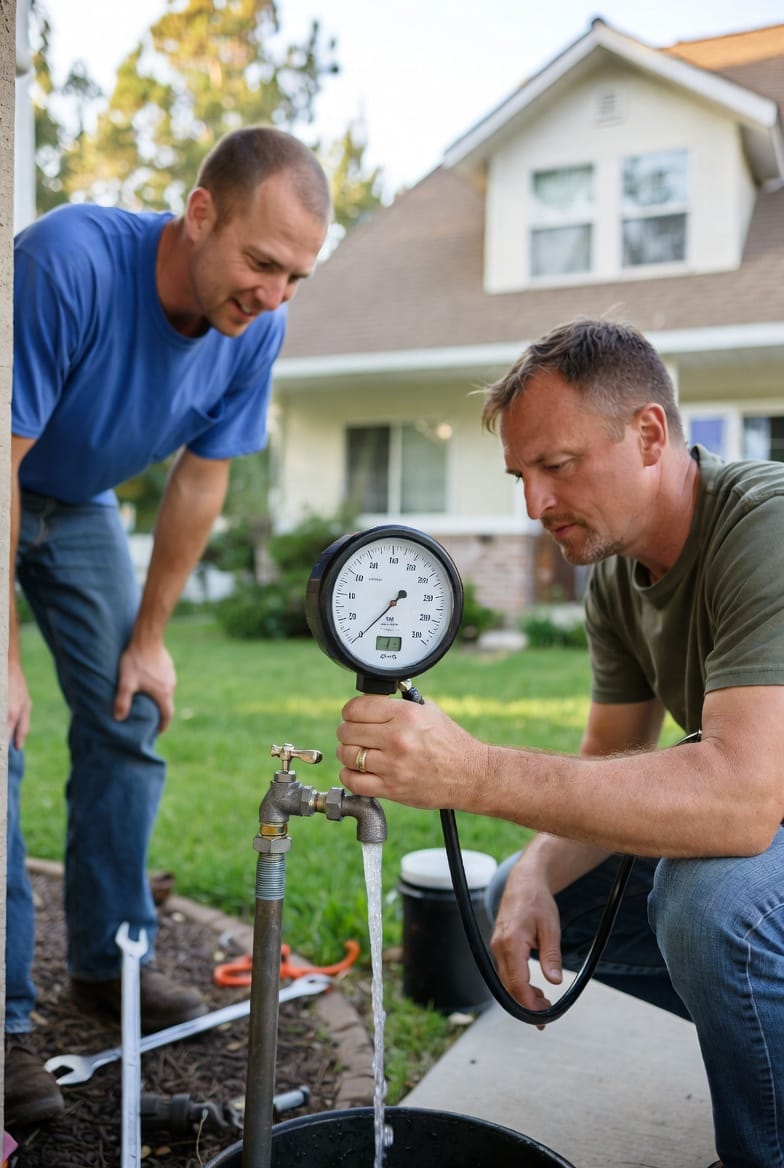
- Use a pressure gauge: Attach one to an outdoor spigot for a baseline reading. Under 45 PSI signals a house-wide issue.
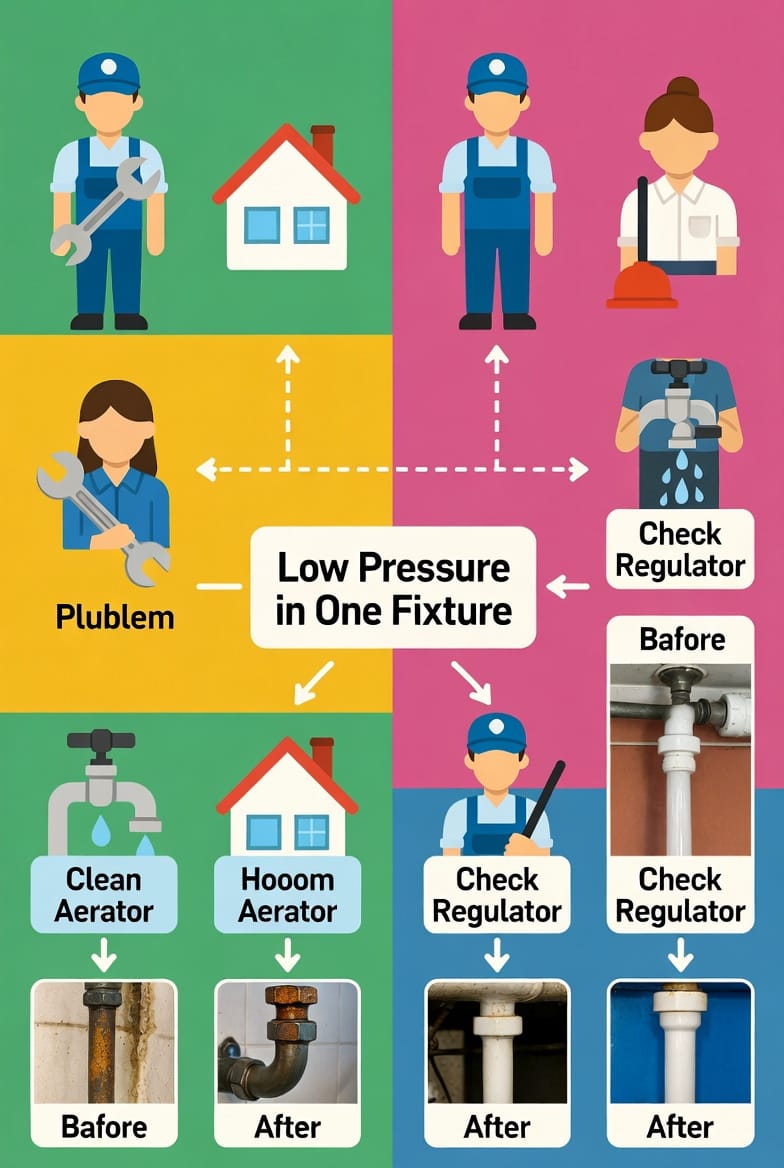
If pressure is low only in one area, focus on local fixes like aerators. House-wide? Proceed to system checks.
Step 2: Inspect and Clean Fixtures
Start simple:
- Remove and clean aerators and showerheads with vinegar.
- Flush lines by running water with aerators off to dislodge sediment.
- Replace old fixtures if cleaning doesn't help—modern low-flow models can sometimes exacerbate volume issues if not matched to your system.
This step resolves about 40% of complaints in my practice.
Step 3: Check Valves and Regulators
- Locate your main shutoff and pressure regulator (often bell-shaped near the meter).
- Adjust the regulator screw clockwise to increase pressure, but don't exceed 80 PSI to avoid pipe damage.
- Test for leaks: Listen for hissing or look for damp spots.
If adjustment doesn't work, the regulator may need replacement—a quick job for a plumber.
Step 4: Evaluate Supply Lines and Pipes
- Inspect visible pipes for corrosion or kinks.
- Measure flow: Time how long it takes to fill a gallon jug at full open—under 8 GPM suggests undersized lines.
- For banging pipes: Install water hammer arrestors, small devices that absorb shockwaves.
If pipes are old galvanized steel, consider repiping with modern materials for long-term reliability.
Step 5: Test for Leaks and External Factors
- Shut off all water and check your meter—if it moves, there's a leak.
- Monitor usage: High-demand appliances like sprinklers can temporarily drop pressure.
- Contact utilities: Request a pressure check at the street connection.
Persistent issues? Hidden leaks in slabs or walls might require professional detection tools.
Preventing Future Water Pressure Problems
Prevention is key to avoiding recurring mysteries. Implement these strategies for a robust system:
- Regular Maintenance: Schedule annual inspections to catch issues early.
- Water Softener Installation: Combat hard water buildup that clogs aerators and pipes.
- Upgrade Fixtures: Opt for high-efficiency models designed for your pressure range.
- Monitor Usage: Avoid simultaneous high-demand activities to prevent temporary drops.
By staying proactive, you can enjoy consistent, powerful water flow without the drama of banging pipes or weak showers.
When to Call a Professional Plumber
While DIY troubleshooting is empowering, some issues demand expert intervention. Signs include:
- Persistent low pressure after basic fixes.
- Suspected leaks in hidden areas.
- Complex regulator or pipe replacements.
- Banging pipes that indicate deeper structural concerns.
Professionals use advanced tools like video inspections to diagnose without invasive work, saving you time and hassle.
In conclusion, unraveling the mystery of home water pressure from weak showers to banging pipes boils down to systematic diagnosis and targeted fixes. Whether it's a simple clogged aerator or a faulty regulator, solutions are within reach. You've now got the tools to differentiate pressure vs. volume problems and troubleshoot effectively. Don't let low flow disrupt your life—call today for expert, reliable service.
Restore Ideal Water Pressure – Free Diagnosis Call