Roof Design Matters: How Shape, Pitch, and Complexity Influence Cost, Durability, and Performance
When it comes to your home's roof design, the choices you make aren't just about aesthetics—they directly impact everything from daily functionality to long-term durability and cost. As an architectural element, the roof serves as your home's first line of defense against the elements. Whether you're building a new home, renovating an existing one, or simply evaluating repairs, understanding how roof shape, pitch, and complexity play into the equation is essential. In this comprehensive guide, we'll explore these factors in depth, drawing on architectural principles to help you make informed decisions. Rest assured, with the right design tailored to your needs, your roof can deliver exceptional performance while minimizing risks and expenses.
Discover Your Ideal Roof Design – Free Assessment Call
Understanding Roof Shape: The Foundation of Design
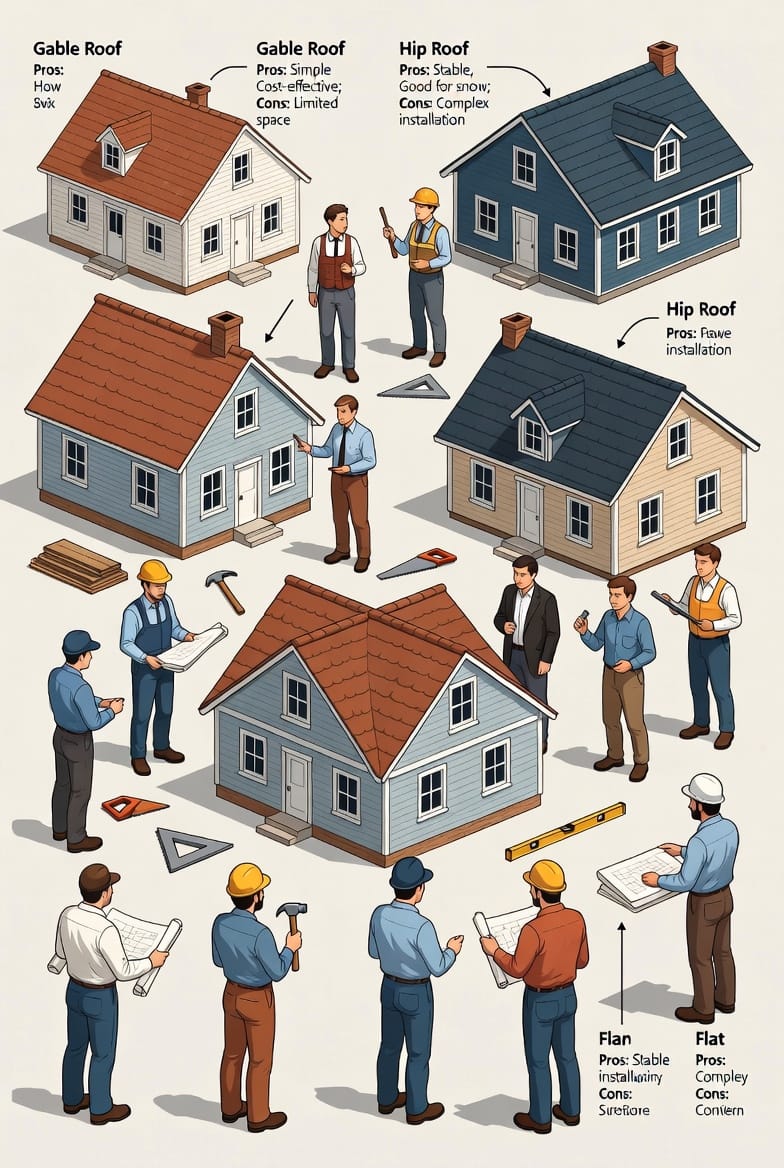
The shape of your roof is more than a stylistic choice; it's a structural decision that influences how your home interacts with weather, maintenance requirements, and overall longevity. Common shapes include gable, hip, mansard, and flat roofs, each with unique attributes that affect material choices and installation difficulty.
- Gable Roofs: These feature two sloping sides meeting at a ridge, creating a simple triangular profile. They're straightforward to build, making them ideal for budget-conscious projects. However, in high-wind areas, their overhanging eaves can be vulnerable unless reinforced.
- Hip Roofs: With slopes on all four sides, hip roofs offer superior stability and wind resistance. They're more complex to construct, often requiring additional framing, which can increase project costs by 20-30% compared to gables.
- Mansard Roofs: Popular in French-inspired architecture, these have a double pitch—steep lower slopes and flatter upper ones—allowing for extra attic space. While they enhance usability, their complexity heightens vulnerability to water pooling if not properly sealed.
- Flat Roofs: Often seen in modern or commercial designs, these have minimal slope and rely on advanced membranes for waterproofing. They're cost-effective for large spans but demand meticulous installation to prevent leaks.
Choosing the right shape starts with assessing your climate and home's architecture. For instance, in snowy regions, a gable's simplicity aids snow shedding, but a hip's enclosed design reduces ice dam risks. Architects recommend evaluating these early to align with durability goals, ensuring your roof withstands decades of exposure without frequent interventions.
The Role of Pitch: Steep vs. Low Slope
Roof pitch, measured as the angle of incline (e.g., 4/12 means 4 inches of rise per 12 inches of run), is a critical factor in water shedding ability and structural integrity. A steeper pitch promotes quick runoff, reducing moisture-related issues, while a lower slope offers a sleek look but requires specialized materials.
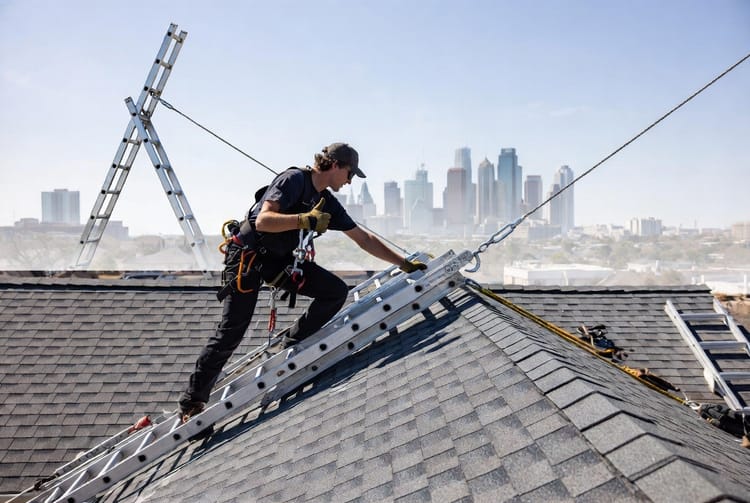
Steep pitches (above 6/12) excel in rainy or snowy climates by facilitating efficient drainage. This minimizes the chance of leaks and extends longevity—roofs with steep pitches often last 25-50 years with proper maintenance. However, they demand more materials like asphalt shingles or metal panels, and installation is labor-intensive, potentially adding 15-25% to costs due to heightened safety measures for workers.
Conversely, low-slope roofs (below 3/12) suit arid environments or contemporary styles, using materials like EPDM rubber or TPO membranes that handle minimal runoff. Their flatter profile reduces material needs but increases vulnerability to wind uplift, where gusts can lift edges if not securely fastened. In urban settings, low slopes also allow for green roofing integrations, boosting energy efficiency and sustainability.
Balancing pitch with your home's needs is key. A moderate 5/12 pitch often provides the best of both worlds: adequate shedding without excessive complexity. Rest assured, professional assessments can pinpoint the ideal pitch, preventing costly surprises down the line.
Complexity in Roof Design: Simple vs. Intricate Configurations
Roof complexity—from basic gables to elaborate hip-and-valley systems—dramatically affects installation difficulty, cost, and performance. Simple designs minimize junctions and valleys, reducing points of failure, while complex ones add character but introduce challenges.
A simple gable roof, with its linear lines, is easier to frame and shingle, often costing $5-10 per square foot installed. This simplicity enhances durability by limiting areas where debris or water can accumulate, making it less prone to rot or mold. In moderate climates, it offers reliable wind resistance without reinforcements.
Hip-and-valley designs, however, incorporate multiple intersecting planes, creating valleys where slopes meet. These add architectural interest but complicate flashing and sealing, heightening vulnerability to leaks and ice dams. Installation can take 50% longer, pushing costs to $12-20 per square foot, especially with custom cuts for materials like clay tiles or slate.
The trade-off? Complex roofs can improve aesthetic appeal and property value, particularly in custom homes. They also distribute loads evenly, potentially extending longevity in seismic zones. To mitigate risks, incorporate advanced underlayments and ventilation systems—proven strategies that maintain performance without compromising design.
Material Choices Driven by Design Elements
Your roof's shape, pitch, and complexity dictate material choices, balancing aesthetics, weight, and environmental suitability. For steep pitches, lightweight options like asphalt shingles (affordable at $100-200 per square) or metal roofing (durable against wind) are ideal, as they install easily on inclines.
Low-slope designs favor built-up roofing (BUR) or single-ply membranes, which provide seamless coverage but require UV-resistant coatings for longevity. In complex hip-and-valley setups, flexible materials like rubberized asphalt excel at conforming to angles, reducing installation errors.
Key considerations include:
- Weight Tolerance: Steeper, complex roofs may need structural reinforcements for heavy materials like concrete tiles.
- Climate Adaptation: In windy areas, opt for interlocking shingles to enhance resistance.
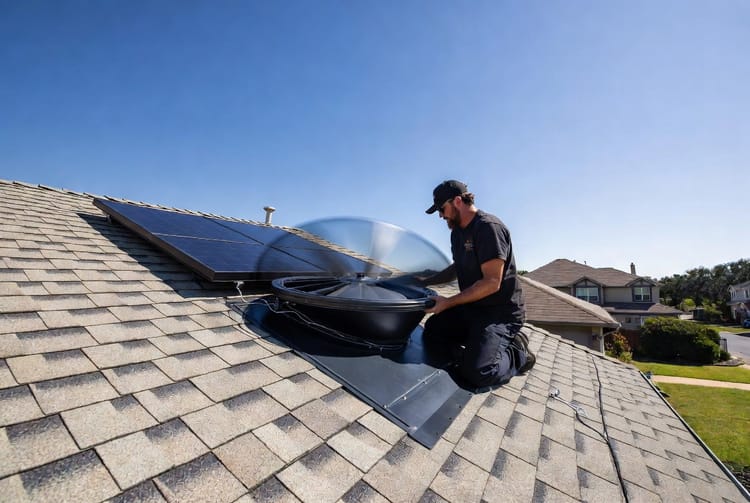
- Eco-Friendliness: Solar-integrated panels suit flat or low-pitch designs, cutting energy costs over time.
Selecting materials aligned with your design ensures optimal performance, with warranties often extending 30-50 years when properly matched.
Installation Challenges and Cost Implications
Installation difficulty escalates with design complexity, directly influencing project costs. Simple gable roofs require basic scaffolding and fewer skilled hours, keeping labor under $3,000 for a standard home. Steep pitches add harnesses and staging, while valleys in complex designs demand precise cutting and sealing, potentially doubling time and expense.
Factors driving costs:
- Labor Expertise: Complex roofs need certified installers, adding premiums for quality assurance.
- Material Waste: Intricate shapes lead to 10-20% more waste, inflating budgets.
- Permitting and Inspections: Elaborate designs may require engineering reviews, extending timelines.
Yet, investing upfront in quality installation pays dividends in reduced repairs. Average total costs range from $8,000 for simple setups to $25,000+ for complex ones, but longevity offsets this—simple roofs last 20-30 years, while well-executed complex designs endure 40+.
Enhancing Water Shedding and Reducing Vulnerabilities
Effective water shedding ability is paramount for preventing damage. Steep pitches excel here, channeling rain and snow away swiftly, whereas low slopes rely on drains and slight inclines to avoid pooling.
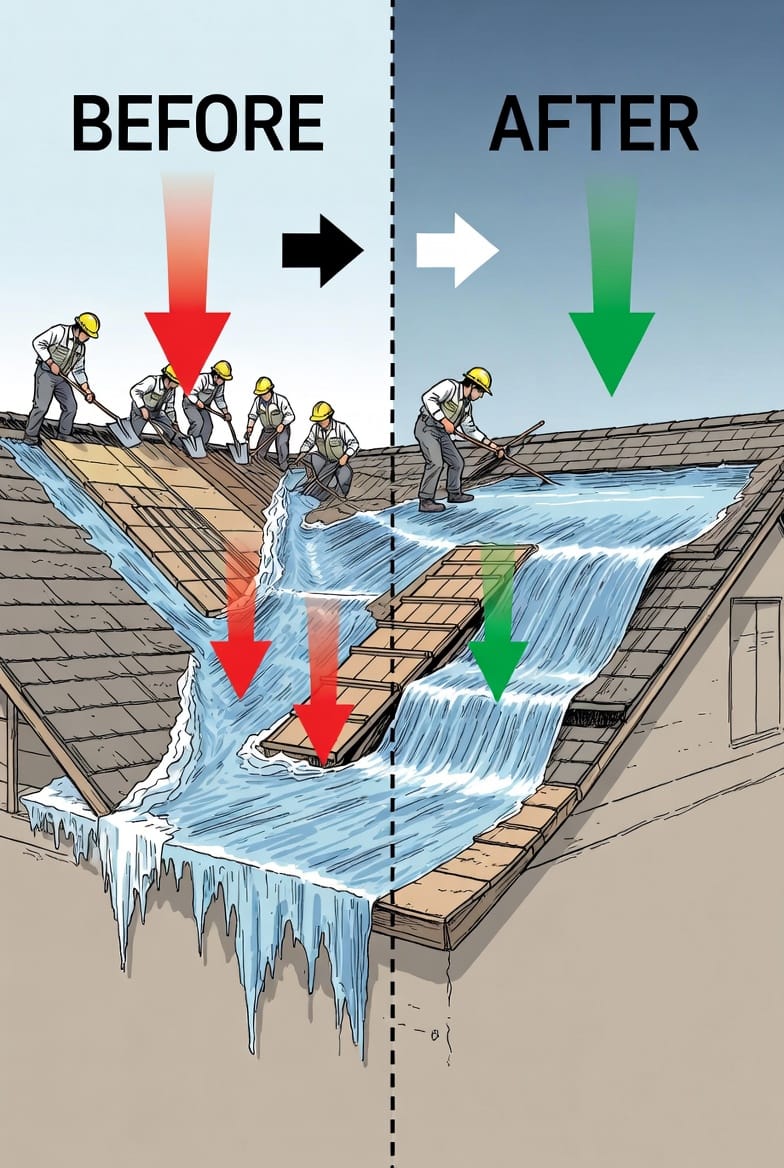
In complex designs, valleys act as funnels, accelerating flow but risking clogs if not guttered properly. This can lead to ice dams in cold climates, where meltwater refreezes at edges, backing up under shingles.
Strategies to bolster performance:
- Proper Ventilation: Attic fans prevent heat buildup, reducing dam formation.
- Quality Flashing: Metal strips at junctions seal against intrusion.
- Regular Maintenance: Clearing debris ensures unimpeded shedding.
By addressing these, your roof maintains integrity, safeguarding your home's interior.
Wind Resistance: Design's Impact on Stability
Vulnerability to wind varies by design—simple gables can catch gusts at gable ends, while hip roofs deflect them evenly. Steep pitches reduce uplift forces, but low slopes need hurricane straps in prone areas.
Complex designs with multiple facets distribute wind loads but require reinforced connections at valleys. Materials like impact-resistant shingles further enhance resilience, crucial in coastal regions where winds exceed 100 mph.
Proactive measures, such as aerodynamic edging and secure fastening, can cut damage risks by 50%, extending durability in harsh conditions.
Longevity and Overall Performance Optimization
Ultimately, longevity hinges on harmonizing shape, pitch, and complexity with maintenance. Simple designs offer predictable 25-year spans, while complex ones, if well-maintained, surpass 50 years.
Performance metrics include energy efficiency—steeper pitches allow better insulation—and curb appeal, boosting resale value by 5-10%. Regular inspections catch issues early, ensuring your investment performs reliably.
In summary, roof design is a blend of form and function. By prioritizing factors like water shedding, wind resistance, and material compatibility, you create a resilient structure. Rest assured, expert guidance turns potential pitfalls into strengths.
Make Smart Roof Choices for Your Home – Call for Expert Help