Gutter Systems for Extreme Weather: Designing for Heavy Snow Load, Torrential Rain, and High Winds
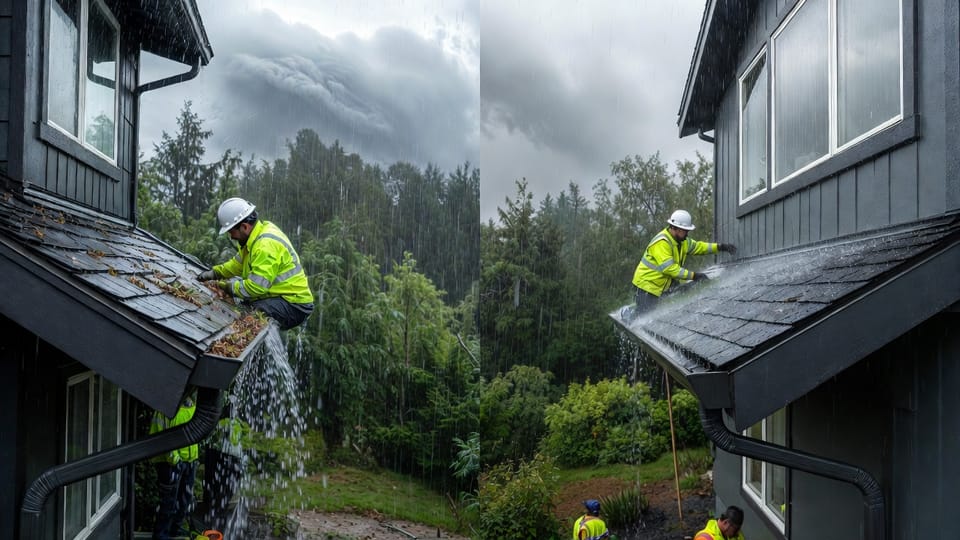
In an era of increasingly unpredictable weather patterns driven by climate change, homeowners across the United States face mounting challenges in protecting their properties. Extreme weather events, such as heavy snowfall, torrential downpours, and gale-force winds, can wreak havoc on inadequate gutter systems, leading to costly damages like roof leaks, foundation erosion, and structural failures. But with the right design tailored to your region's specific climate demands, you can safeguard your home effectively. This comprehensive guide explores how to engineer gutter systems for resilience, drawing on proven strategies for high-rainfall zones, snow-heavy areas, and windy coastal regions. By understanding these adaptations, you'll gain the confidence to invest in a system that stands up to Mother Nature's toughest tests.
Protect Your Home from Extreme Weather – Call Now!
Understanding Regional Climate Challenges
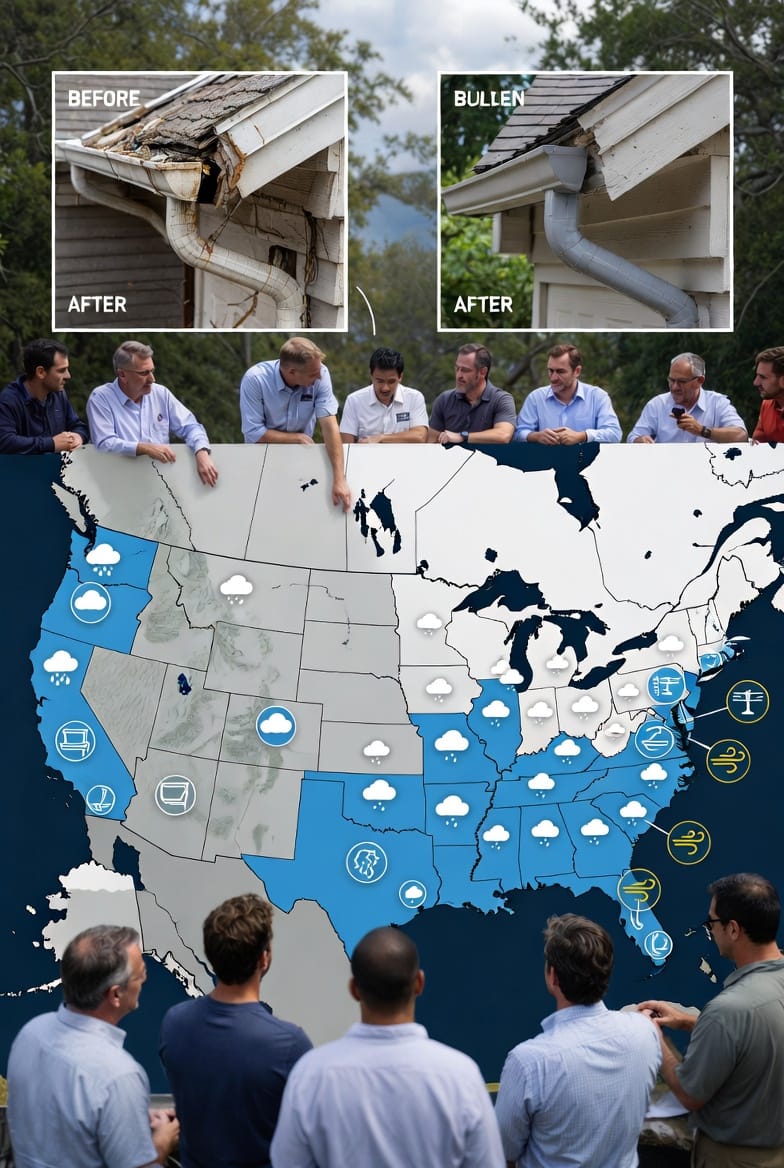
Climate varies dramatically across the U.S., and so do the threats to your gutters. In the Southeast, frequent hurricanes bring intense rainfall and winds; the Midwest contends with blizzards and ice dams; while the West Coast deals with atmospheric rivers and seismic activity. Ignoring these regional challenges can result in overflowing gutters, ice buildup, or complete system detachment. Fortunately, advancements in gutter technology offer targeted solutions.
- High-Rainfall Areas: Regions like the Pacific Northwest or Gulf Coast experience annual precipitation exceeding 50 inches, often in short, intense bursts. Standard gutters may overflow, causing water to cascade over edges and damage siding or basements.
- Snow-Laden Climates: In the Northeast and Rocky Mountains, heavy snow loads—sometimes over 50 pounds per square foot—can crush or pull down gutters, while melting snow creates ice dams that block flow.
- Windy Coastal Zones: Along the Atlantic and Pacific coasts, sustained winds above 50 mph during storms can rip gutters from fascia boards, especially if designs aren't aerodynamic.
By addressing these with specialized features, you ensure long-term protection and peace of mind.
Oversized Gutters and Downspouts for Torrential Rain
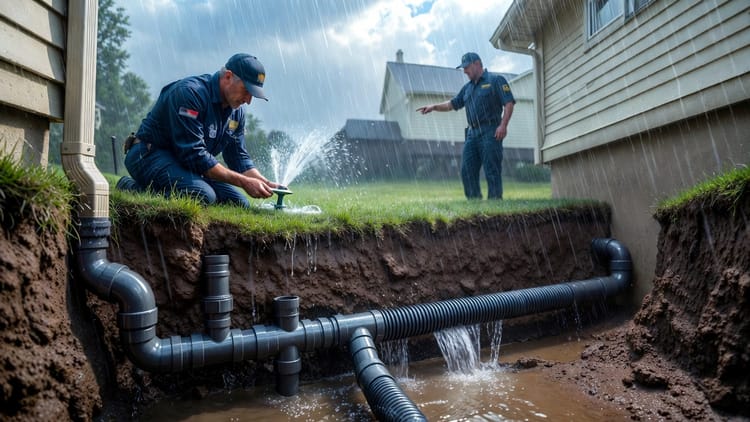
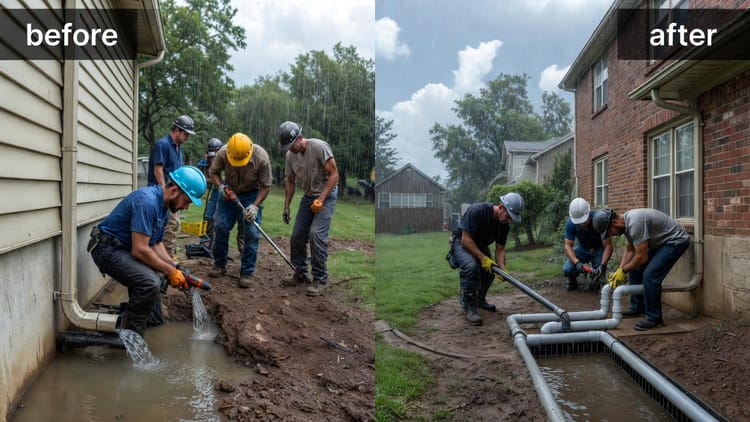
For areas prone to torrential rain, the key is maximizing water capacity and flow efficiency. Traditional 5-inch gutters often fall short during heavy storms, leading to backups and overflows. Upgrading to oversized gutters, such as 6-inch or even 7-inch models, increases volume by up to 50%, allowing them to handle intense downpours without issue.
Consider the benefits:
- Enhanced Capacity: A 6-inch K-style gutter can manage over 1,200 square feet of roof area in heavy rain, compared to just 800 for a 5-inch version. This prevents water from spilling over and eroding soil around your foundation.
- Larger Downspouts: Pairing oversized gutters with 3x4-inch downspouts (versus standard 2x3) accelerates drainage, reducing the risk of clogs from debris like leaves or twigs.
- Material Choices: Opt for seamless aluminum or copper for durability; these resist corrosion in humid, rainy climates and require minimal maintenance.
In practice, homeowners in Seattle or Miami have reported fewer flooding incidents after such upgrades. Installation involves assessing roof pitch and square footage to determine the ideal size— a professional evaluation ensures optimal performance.
Beyond size, integrate features like leaf guards or screens to keep systems clear. These additions, while adding a modest cost, pay off by minimizing cleaning frequency and extending system lifespan. Remember, in high-rainfall zones, poor drainage isn't just inconvenient; it can lead to foundation cracks and mold growth, escalating repair bills into the thousands.
Reinforced Hangers and Deeper Profiles for Heavy Snow Load
When winter storms dump feet of snow, gutters must withstand immense weight. Heavy snow load can deform or detach standard systems, but reinforced designs turn vulnerability into strength.
Deeper profiles, like half-round or box gutters with 7-8 inch depths, provide extra structural integrity:
- Snow Resistance: Deeper channels allow snow to accumulate without collapsing, while sloped designs encourage sliding off rather than buildup.
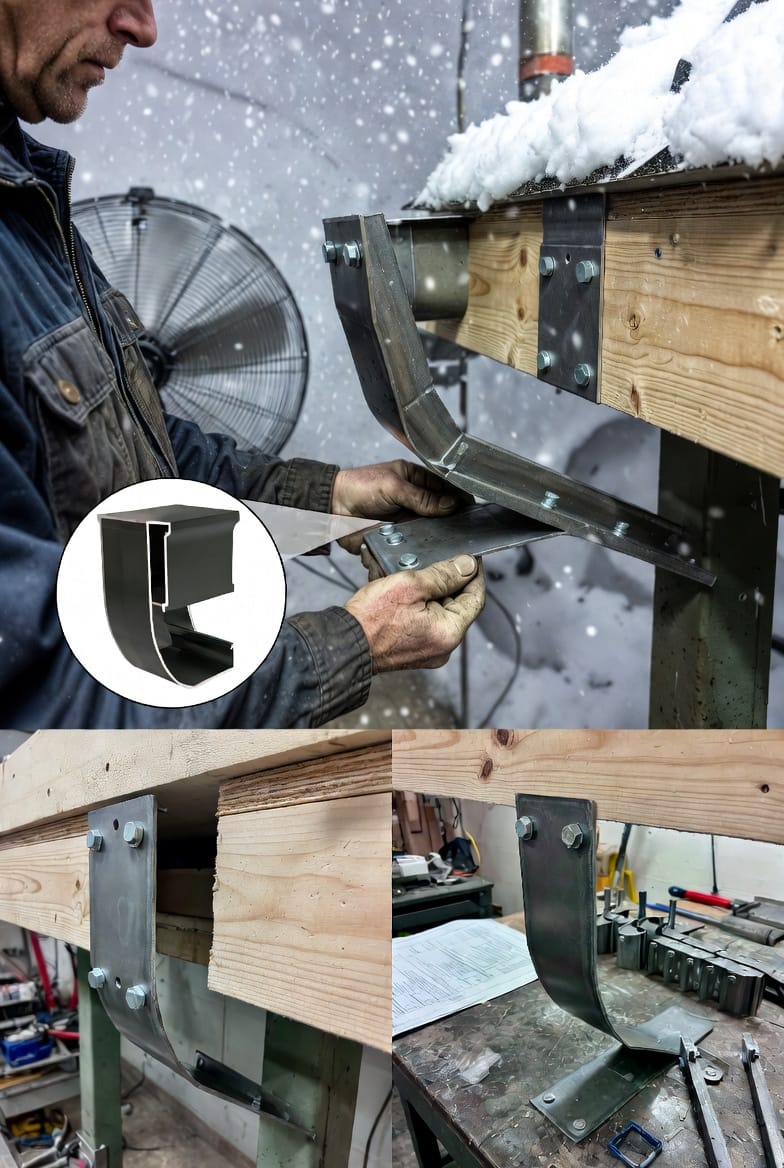
- Reinforced Hangers: Standard spike-and-ferrule hangers may pull out under load, but hidden or strap hangers, secured every 24 inches with screws into rafters, distribute weight evenly. These can support up to 200 pounds per linear foot.
- Ice Dam Prevention: Incorporate heat cables or wider fascia boards to melt ice, ensuring meltwater flows freely instead of refreezing and causing backups.
In snow-prone areas like Buffalo, New York, or Denver, Colorado, these adaptations are non-negotiable. A case in point: During the 2022 Buffalo blizzard, homes with reinforced gutters avoided the roof collapses that plagued others. The authoritative approach here is proactive—regular inspections before winter can identify weak points, averting disasters.
Materials matter too; galvanized steel or heavy-gauge aluminum excel in cold climates, resisting the expansion-contraction cycles that crack lesser options. By choosing these, you're not just complying with local building codes but exceeding them for superior protection.
Aerodynamic Designs for High Winds
Coastal regions battered by high winds demand gutters that minimize lift and drag. Traditional squared profiles act like sails, catching gusts and risking detachment, but aerodynamic designs streamline airflow for stability.
Key innovations include:
- Low-Profile Edges: Rounded or sloped fronts reduce wind resistance, preventing uplift during storms up to 100 mph.
- Secure Fastening: Use wind-rated brackets or continuous cleats that anchor into the roof deck, far surpassing basic nail attachments.
- Material Durability: Vinyl may shatter in winds, so favor impact-resistant aluminum or steel, often with baked-on finishes for added weatherproofing.
In windy hotspots like Florida's coast or Texas's Gulf region, these features have proven lifesavers. For instance, during Hurricane Ian in 2022, homes with aerodynamic gutters sustained minimal damage compared to those with outdated systems. The reassuring fact is that modern engineering allows gutters to endure Category 3 winds without compromise.
Integration with overall roofing is crucial—ensure compatibility with shingles or tiles to avoid weak links. Professional installers can perform wind-load calculations based on your location's historical data, guaranteeing a custom fit.
Integrating Features for Comprehensive Protection
No single feature works in isolation; the best gutter systems combine elements from all categories for holistic resilience. For mixed climates, like the Mid-Atlantic with rain, snow, and occasional winds, hybrid designs shine.
- Modular Systems: Allow swapping components as needed, such as adding deeper sections for winter or screens for fall leaves.
- Smart Additions: Rain chains or diverters redirect water safely, while sensors alert to clogs via apps—tech-savvy options for modern homes.
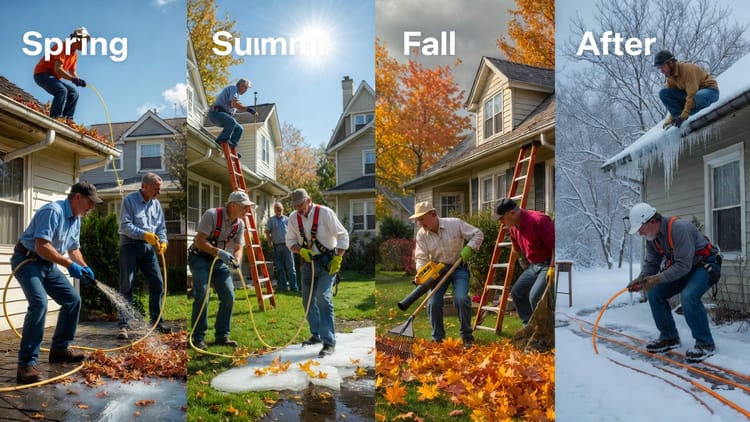
- Maintenance Protocols: Annual cleanings and inspections catch issues early, extending life and averting major risks like water intrusion.
Cost-wise, expect to invest $10-20 per linear foot for premium systems, but the ROI is evident in reduced repairs and insurance premiums. Authoritative studies from the Insurance Institute for Business & Home Safety underscore that weather-resilient upgrades can slash claim risks by 30%.
Choosing the Right System for Your Home
Selecting a gutter system isn't guesswork—it's science informed by your locale's climate data. Consult resources like NOAA's precipitation maps or ASCE wind load standards to benchmark needs. Then, partner with experts who specialize in climate-specific designs.
Benefits extend beyond protection: Efficient gutters enhance curb appeal, boost property value, and contribute to sustainable water management by directing runoff to rain barrels or gardens.
In conclusion, don't let extreme weather dictate your home's fate. Match your gutters to your climate's demands for unbreakable defense. Our team stands ready to assess, recommend, and install the perfect system, ensuring your peace of mind through every storm.
Extreme Weather Calls for Extreme Protection – Call for Your Custom Design