Decoding the Disturbance: A Guide to Identifying Wildlife Intruders by Their Signs and Sounds
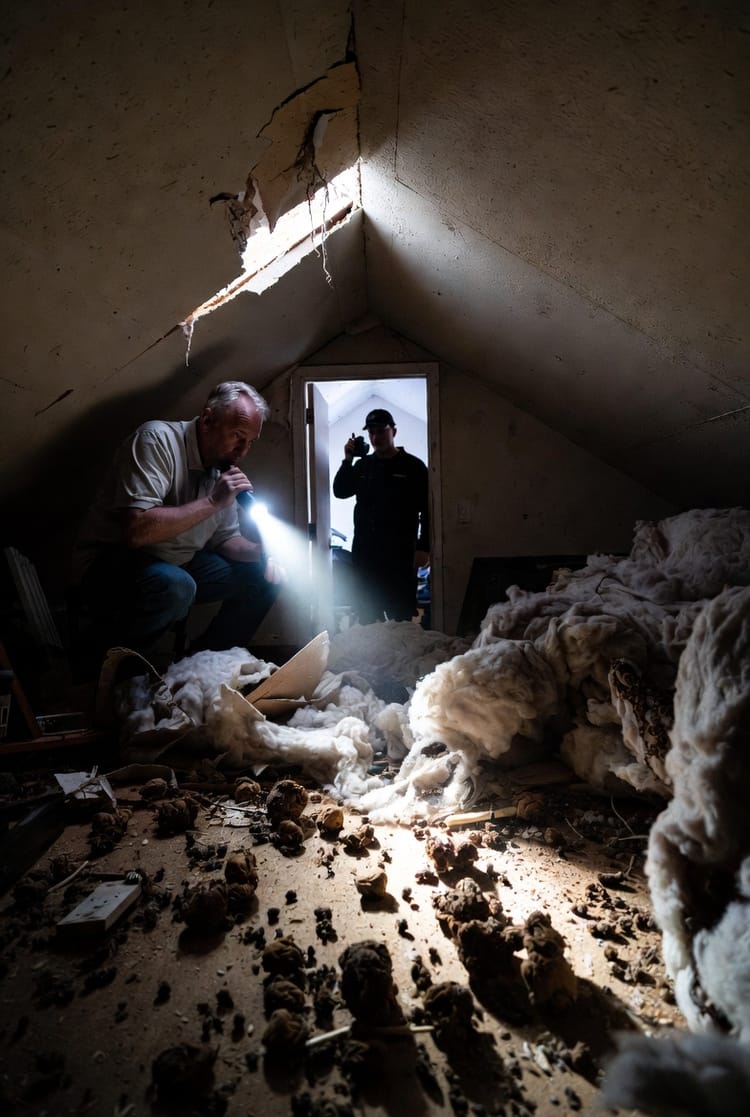
Have you ever heard strange scratching in your walls at night or discovered mysterious droppings in your attic? As a homeowner, these disturbances can be unsettling, but rest assured: you're not alone, and there's a systematic way to identify the culprit. In this comprehensive guide, we'll empower you to become your own wildlife detective, decoding signs like noises, entry points, droppings, and damage patterns. By understanding these clues, you can pinpoint the intruder—whether it's a squirrel, raccoon, rat, or something else—and take informed steps toward a peaceful home. Our authoritative insights draw from years of expertise in wildlife removal, ensuring you get accurate, practical advice without the guesswork.
Got Strange Sounds or Droppings? Call for Professional Help Now
Wildlife intrusions are more common than you might think, especially in suburban and rural areas where animals seek shelter, food, and warmth. The key to effective management lies in early identification, which prevents minor issues from escalating into costly repairs. We'll break it down step by step, focusing on evidence-based detection. Remember, while DIY observation is a great start, professional intervention is often essential for safe and humane resolution.
The Importance of Timing: When Do Intruders Strike?
One of the first clues in your investigation is the time of activity. Wildlife species have distinct behavioral patterns tied to their natural rhythms—diurnal (day-active), nocturnal (night-active), or crepuscular (active at dawn and dusk). Paying attention to when you notice disturbances can narrow down suspects significantly.
- Nocturnal Noises: If you hear activity primarily after dark, think larger mammals like raccoons or opossums. These creatures are bold night foragers, often rummaging through attics or crawl spaces between 10 PM and 4 AM.
- Dawn and Dusk Scratching: Squirrels and some birds are crepuscular, so scratching or scampering at twilight points to them. This timing aligns with their foraging habits, making your home a temporary pit stop.
- Daytime Disturbances: Rats and mice are opportunistic and can be active anytime, but persistent daytime noises might indicate a severe infestation, as these rodents become bolder when populations grow.
By logging the time of sounds or sightings in a simple journal, you build a timeline that acts as your first piece of evidence. This approach is reassuring because it turns vague worries into actionable data, helping you feel more in control.
Decoding Noises: What Those Sounds Really Mean
Sounds are often the most alarming sign of wildlife intrusion, but they also provide rich diagnostic information. Different animals produce unique auditory signatures based on their size, movement style, and behavior. Let's explore common noises and what they reveal.
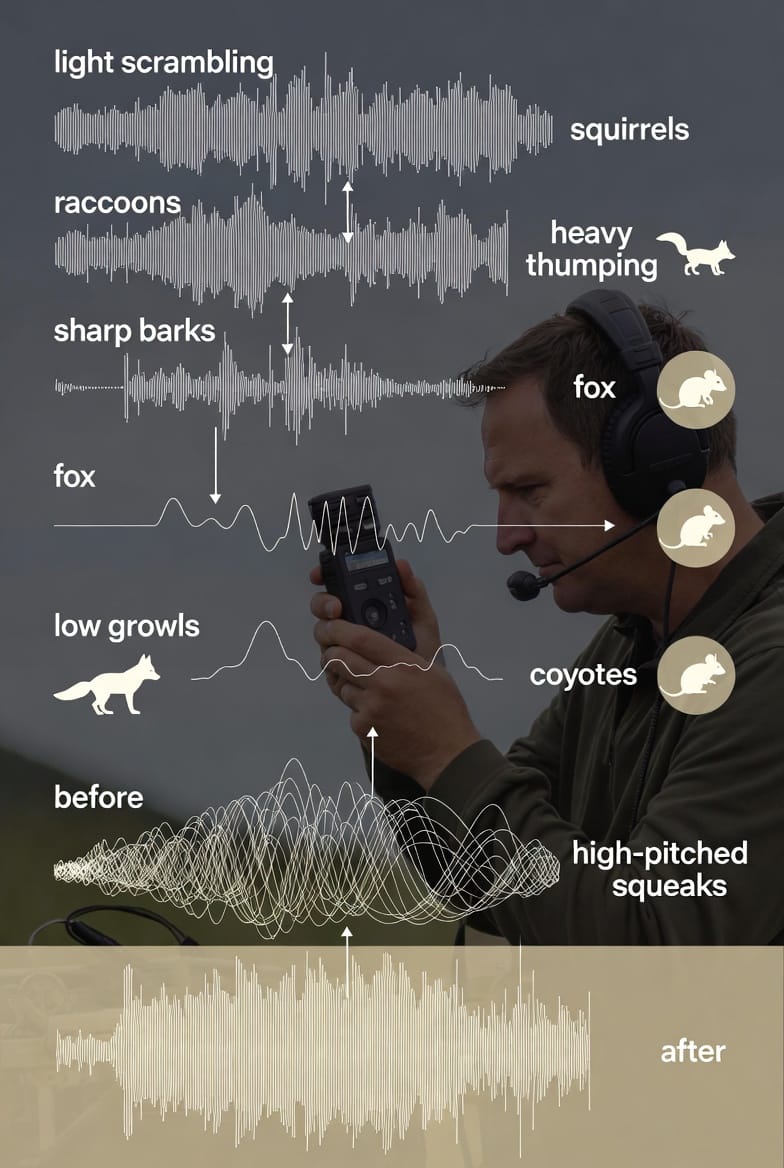
- Light Scratching or Scampering: This high-pitched, rapid sound typically indicates smaller intruders like squirrels or mice. Squirrels' claws create a distinctive "pitter-patter" as they navigate insulation or wiring.
- Heavy Thumping or Rolling: Larger animals, such as raccoons, make deeper, more resonant noises. Imagine the thud of a raccoon knocking over stored items—it's unmistakable and often accompanied by vocalizations like chattering.
- Gnawing or Chewing: Persistent grinding sounds point to rodents like rats, who chew incessantly to keep their teeth trimmed. This can target wires, leading to fire hazards, or wood, weakening structures.
To enhance your detection, consider using a baby monitor or recording app placed near suspected areas. This tech-savvy method captures evidence without disturbing your sleep, reinforcing your role as a proactive homeowner.
Entry Points: Size, Shape, and Location Tell a Story
Wildlife doesn't knock—they find or create entry points. Examining these holes provides crucial clues about the intruder's size and species. Measure and note the shape, as it reflects how the animal accesses your home.
- Small, Round Holes (1-2 Inches): These are classic rodent entries, often gnawed into wood or siding. Rats and mice squeeze through tiny gaps, so look for chew marks around the edges.
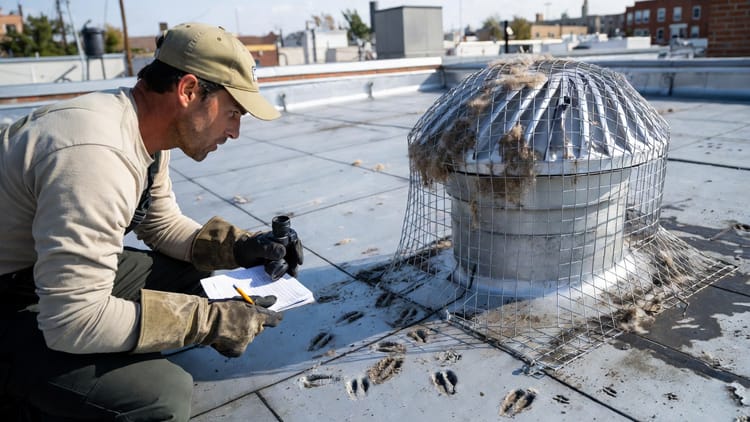
- Larger, Irregular Openings (4-6 Inches): Raccoons or opossums pry open vents or soffits, creating ragged holes. Their dexterity allows them to exploit weak spots like loose shingles.
- High-Up Entries: Squirrels favor rooflines or tree-adjacent spots, chewing oval holes in eaves. Ground-level intrusions, meanwhile, suggest skunks or groundhogs burrowing under foundations.
Inspect your home's exterior during daylight, using a flashlight for dark crevices. Sealing these points temporarily with hardware cloth can buy time until professionals arrive, preventing further entry and giving you peace of mind.
Droppings: Nature's Calling Card
Few signs are as definitive as droppings, or scat. Their size, shape, quantity, and location offer a forensic snapshot of the intruder. Always handle with gloves to avoid health risks like hantavirus.
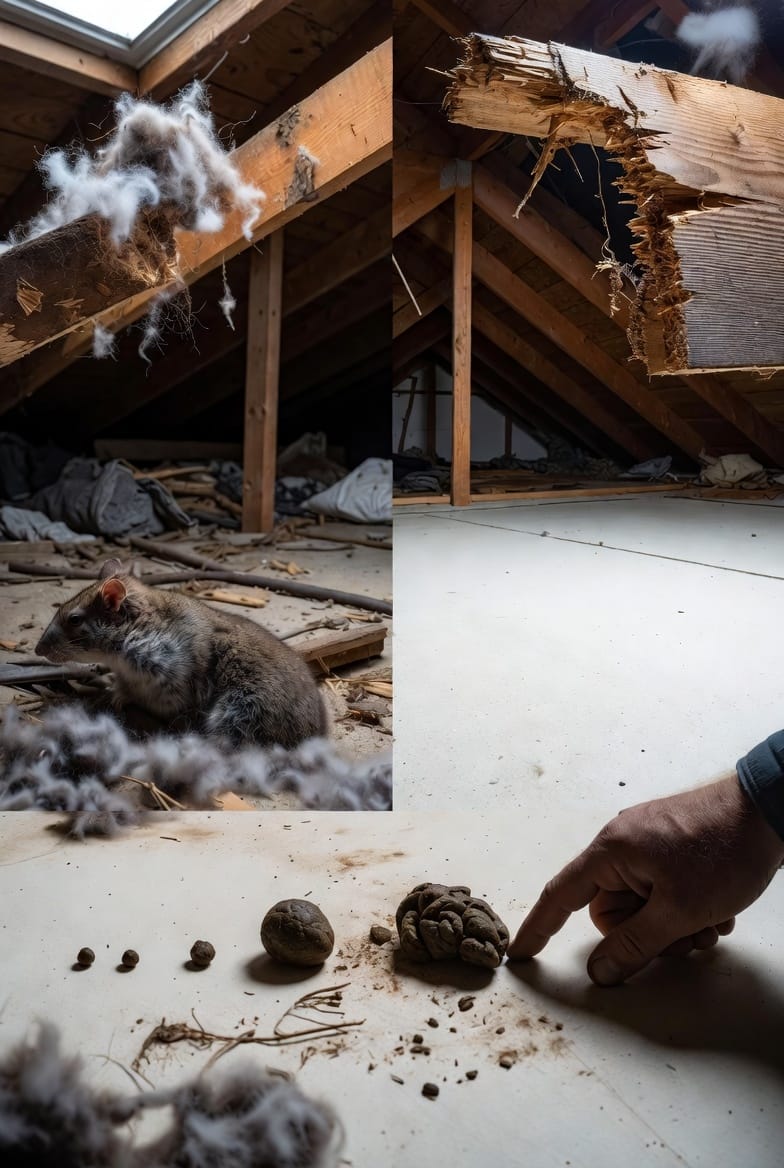
- Small, Pellet-Like (Rice-Sized): Mouse droppings are tiny, dark, and pointed, often found in clusters along walls or in cabinets. They indicate a high-reproduction pest needing swift action.
- Larger, Cylindrical (Pea-Sized): Rat scat is bigger and blunt-ended, sometimes with a shiny appearance from recent deposit. Look for them in attics or basements, signaling potential electrical damage.
- Segmented or Coiled (Thumb-Sized): Raccoon feces resemble dog waste but contain undigested berries or seeds. Often piled in "latrines" on roofs or decks, they pose zoonotic disease risks.
Photograph and compare your findings to reliable guides (avoiding unverified online sources). This evidence-based method empowers you to assess infestation severity calmly and authoritatively.
Damage Patterns: From Chewed Wires to Torn Insulation
Property damage is the intruder's unintended confession. Patterns reveal not just who, but why—they're seeking food, nesting, or escape. Identifying these helps prioritize repairs.
- Chewed Wires and Pipes: Rodents like squirrels and rats gnaw on electrical wiring, risking shorts or fires. Look for exposed copper or frayed insulation in attics.
- Torn Insulation and Nesting Debris: Birds or squirrels shred materials for nests, creating fluffy piles mixed with feathers or leaves. This reduces your home's energy efficiency.
- Scratched Surfaces or Dug Holes: Larger mammals like raccoons claw at drywall or dig under porches, leaving deep gouges or soil mounds.
Document damage with photos for insurance claims. While alarming, these signs are solvable—professional wildlife removal teams can repair and exclude humanely, restoring your home's integrity.
Putting It All Together: Your Diagnostic Checklist
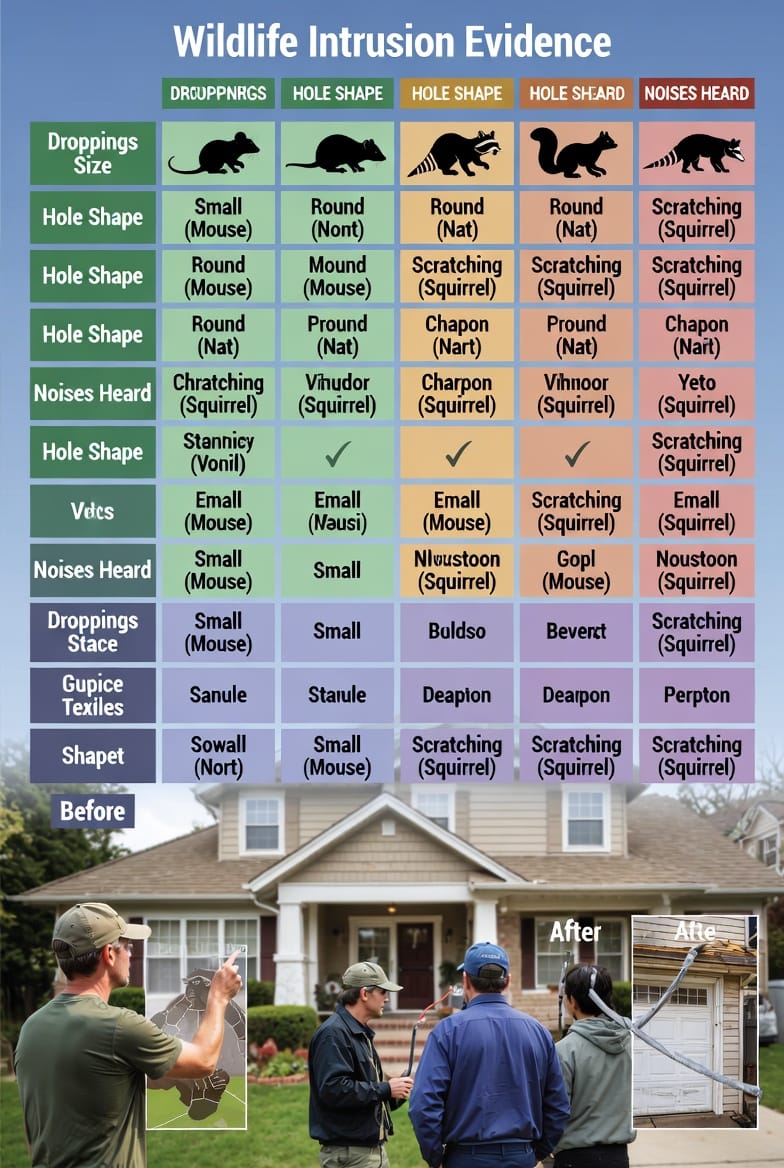
Now that we've covered individual clues, let's integrate them into a holistic diagnostic approach. Use this checklist to cross-reference evidence for accurate identification:
- Observe and Record: Note times, sounds, and locations daily.
- Inspect Physically: Check entry points, droppings, and damage.
- Compare Clues: Match patterns—e.g., dawn scratching + small holes + pellet droppings = squirrels.
- Assess Risks: Prioritize health (diseases) and safety (fire hazards) concerns.
- Seek Expertise: If unsure, consult professionals for confirmation.
This methodical process transforms anxiety into empowerment, ensuring you're equipped to handle intrusions effectively.
Common Misidentifications and How to Avoid Them
Even seasoned homeowners can mistake signs. For instance, bat guano resembles mouse droppings but crumbles to powder—test gently. Or, wind-caused noises might mimic scratching; rule out environmental factors first. By double-checking with multiple clues, you avoid false alarms and target the real issue.
Humane and Legal Considerations in Wildlife Management
Identification is step one; resolution must be ethical. Many species are protected, so trapping or relocation requires permits. Opt for exclusion techniques—like one-way doors—that allow animals to leave safely. This approach aligns with modern wildlife control standards, protecting both your home and local ecosystems.
Preventing Future Intrusions: Proactive Strategies
Once identified and removed, prevention is key. Trim overhanging branches, secure trash bins, and install chimney caps. Regular inspections maintain your defenses, turning your home into an unwelcoming fortress for wildlife.
In conclusion, decoding wildlife disturbances through signs and sounds equips you with the knowledge to act decisively. Remember, accurate identification leads to the right solution, safeguarding your property and well-being.
Restore Peace to Your Home – Call for Professional Wildlife Control