Beyond the Trap: Solving Wildlife Conflicts with Understanding and Prevention
In the world of wildlife removal, many homeowners face unexpected guests like raccoons rummaging through attics or squirrels nesting in chimneys. But what if we told you that trapping these animals is often just a band-aid solution? True resolution comes from delving into the behavioral biology of these creatures, understanding their instincts, and implementing long-term exclusion methods that prevent future invasions. This humane approach not only respects wildlife but also safeguards your home effectively. As experts in humane wildlife control, we're here to guide you through why animals enter homes and how prevention rooted in science offers lasting peace of mind.
End Wildlife Intrusions Humanely – Call Today!
Understanding Wildlife Behavior: The Key to Prevention
Wildlife doesn't invade homes out of malice—they're driven by innate behaviors shaped by evolution. By studying these patterns, we can outsmart them without harm. Let's explore some common nuisance species and their motivations.
- Raccoons and Their Dexterity: Known for their nimble paws, raccoons are opportunistic foragers. Their dexterity allows them to pry open loose vents or garbage lids in search of food. In urban areas, attics become ideal dens for raising young, especially during mating season from January to March. This behavior explains why they target homes: shelter and sustenance are survival imperatives.
- Squirrels' Nesting Instincts: Squirrels are driven by a strong urge to build secure nests, particularly in fall for winter preparation. Their chewing habits—gnawing through wood or wiring—stem from the need to sharpen teeth and create entry points. Chimneys and soffits often mimic tree hollows, drawing them indoors where warmth and protection abound.
- Bats' Roosting Preferences: Bats seek dark, warm crevices for roosting colonies. Their echolocation and nocturnal nature make attics prime real estate, especially in summer for maternity roosts. Understanding this helps us seal gaps without disrupting ecosystems, as bats are vital pollinators.
- Opossums' Scavenging Drive: As marsupials, opossums forage nocturnally for easy meals, often under decks or in crawl spaces. Their playing-dead defense mechanism highlights their non-aggressive nature, yet poor sanitation invites them closer.
By recognizing these behaviors, we shift from reactive trapping to proactive strategies. This knowledge empowers homeowners to address root causes, ensuring wildlife conflicts are resolved humanely and permanently.
Why Trapping Alone Falls Short
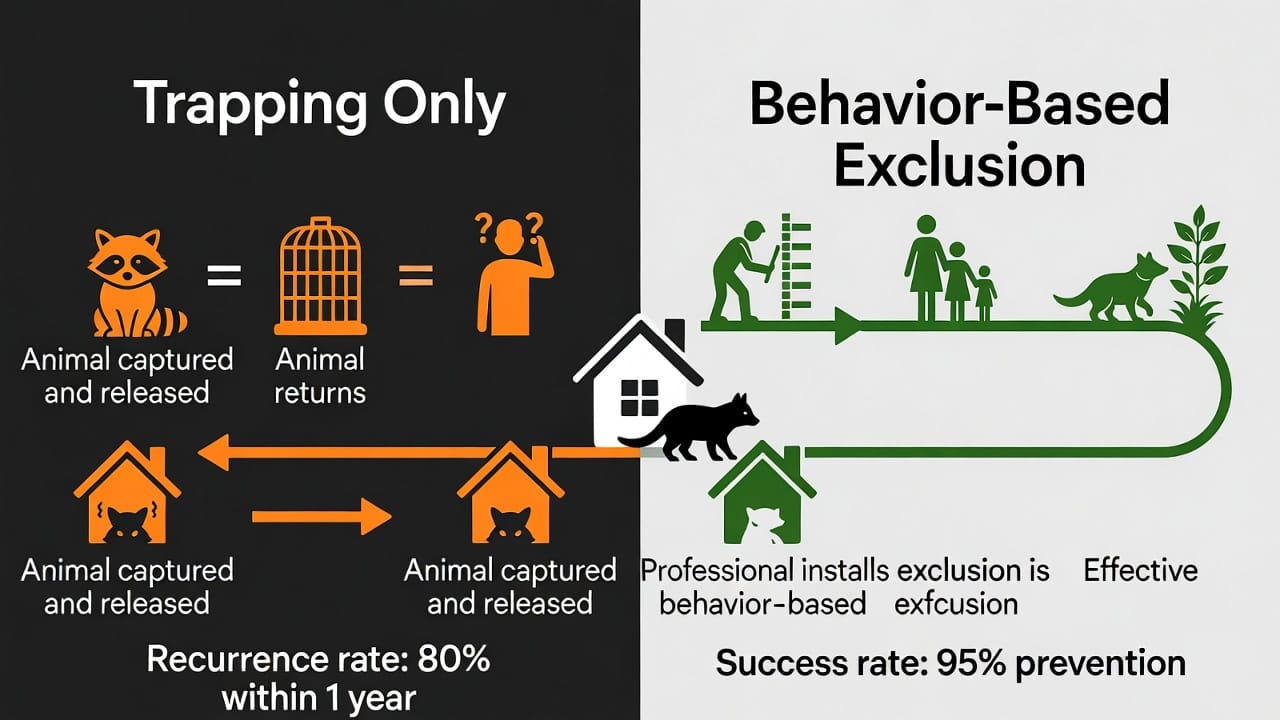
Trapping might seem like a quick win, but it's inherently temporary. Here's why relying solely on traps exacerbates problems over time:
- Population Vacuum Effect: Removing one animal creates a void that attracts others from surrounding areas. Studies in urban ecology show that raccoon populations rebound quickly due to high reproduction rates—females can birth up to seven kits annually.
- Ethical Concerns: Inhumane traps can cause stress, injury, or family separation, violating principles of humane wildlife management. Relocation often fails, as animals struggle in unfamiliar territories or return via homing instincts.
- Legal and Health Risks: Many states regulate trapping, requiring permits for protected species like bats. Improper handling increases risks of diseases such as rabies or histoplasmosis from droppings.
- Recurrence Without Prevention: Without sealing entry points, the cycle repeats. For instance, a trapped squirrel is replaced by another exploiting the same chewed hole.
In contrast, a behavior-based approach integrates exclusion with habitat modification, offering reassurance that your home stays wildlife-free. Our specialists emphasize this method, drawing on years of field experience to deliver results that last.
Leveraging Biology for Effective Exclusion
Armed with insights into animal behavior, we can design exclusion techniques that deter entry humanely. This involves inspecting your property, identifying vulnerabilities, and fortifying them intelligently.
Targeting Raccoon Ingenuity
Raccoons exploit weak spots with their clever hands. To counter this:
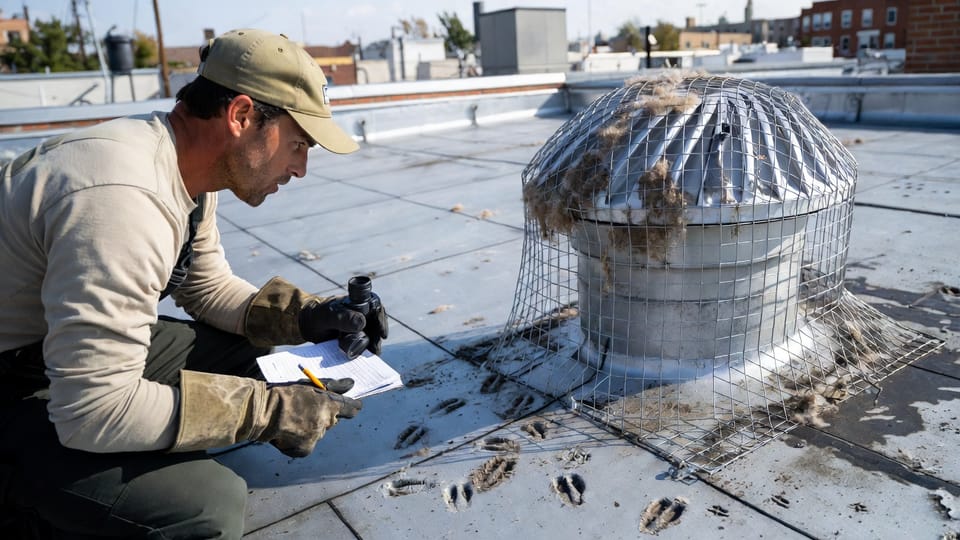
- Install heavy-duty hardware cloth over vents and gaps—materials they can't manipulate.
- Secure trash bins with locks, reducing food attractants that fuel their foraging drives.
- Use motion-activated lights or sprinklers to exploit their caution around perceived threats.
Before-and-after scenarios show homes plagued by nocturnal noises transformed into quiet sanctuaries through these measures.
Addressing Squirrel Nesting Habits
Squirrels' relentless chewing demands robust defenses:
- Apply metal flashing around rooflines and trees to prevent climbing and gnawing.
- Trim branches at least 10 feet from structures, disrupting their aerial highways.
- Seal attic entries with one-way doors during non-breeding seasons, allowing safe exit without re-entry.
This prevention mirrors natural barriers, guiding squirrels back to wild habitats.
Bat Roosting Solutions
For bats, exclusion respects their protected status:
- Fit bat valves on entry points post-maternity season (after August in most regions), enabling departure but blocking return.
- Enhance outdoor bat houses to redirect colonies, supporting biodiversity.
- Clean guano safely with HEPA-filtered equipment to mitigate health risks.
These steps ensure humane eviction while preserving ecological roles.
Opossum Deterrence Strategies
Opossums respond well to simple modifications:
- Elevate pet food and seal crawl spaces with buried wire mesh to block burrowing.
- Remove yard debris that mimics their natural hiding spots.
- Employ natural repellents like ammonia-soaked rags, tapping into their sensitive sense of smell.
Implementing these creates a deterrent environment without harm.
Professional Tools for Lasting Protection
Success in wildlife exclusion hinges on quality materials tailored to animal behaviors. Professionals use durable options that withstand dexterity and instincts.
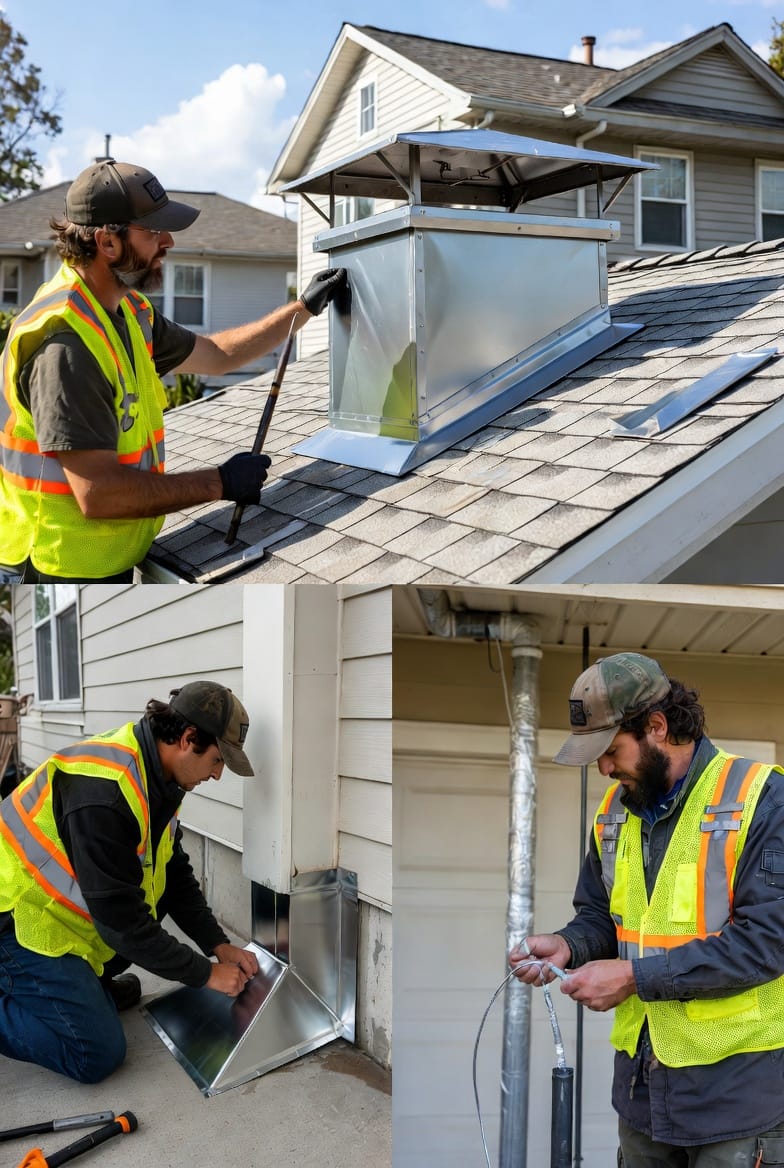
- Heavy-Duty Chimney Caps: These stainless-steel guardians prevent squirrels and raccoons from nesting while allowing ventilation. Spark-arresting designs add fire safety.
- Steel Flashing: Galvanized sheets fortify edges against gnawing, ideal for rooflines and foundations. Their longevity outlasts wood repairs.
- Chew-Proof Wiring: Reinforced with metal braiding, this protects electrical systems from squirrels' dental habits, averting fire hazards.
Pairing these with regular inspections ensures ongoing efficacy. Our team sources top-grade supplies, installing them with precision for your reassurance.
The Humane Advantage: Long-Term Benefits
Embracing behavior-based prevention yields multifaceted wins:
- Environmental Harmony: Wildlife thrives in natural settings, reducing urban conflicts and supporting ecosystems.
- Cost Savings: Initial investments in exclusion dwarf repeated trapping fees—homeowners save up to 50% long-term.
- Health and Safety: Minimized droppings and damage lower risks of allergens, structural issues, or electrical fires.
- Peace of Mind: Knowing your home is fortified against instinctive invasions allows worry-free living.
This approach aligns with modern wildlife management standards, promoted by organizations like the Humane Society. It's not just removal—it's intelligent coexistence.
Common Myths Debunked
Misconceptions can hinder effective action. Let's clarify:
- Myth: Repellents Alone Suffice: Ultrasonic devices or sprays offer short relief but ignore behavioral drivers like nesting needs.
- Myth: All Wildlife Is Aggressive: Most, like opossums, avoid confrontation; understanding reduces fear.
- Myth: DIY Is Always Cheaper: Amateur seals often fail, leading to costlier fixes—professional expertise ensures durability.
Trust in science-backed methods for reliable outcomes.
When to Seek Professional Help
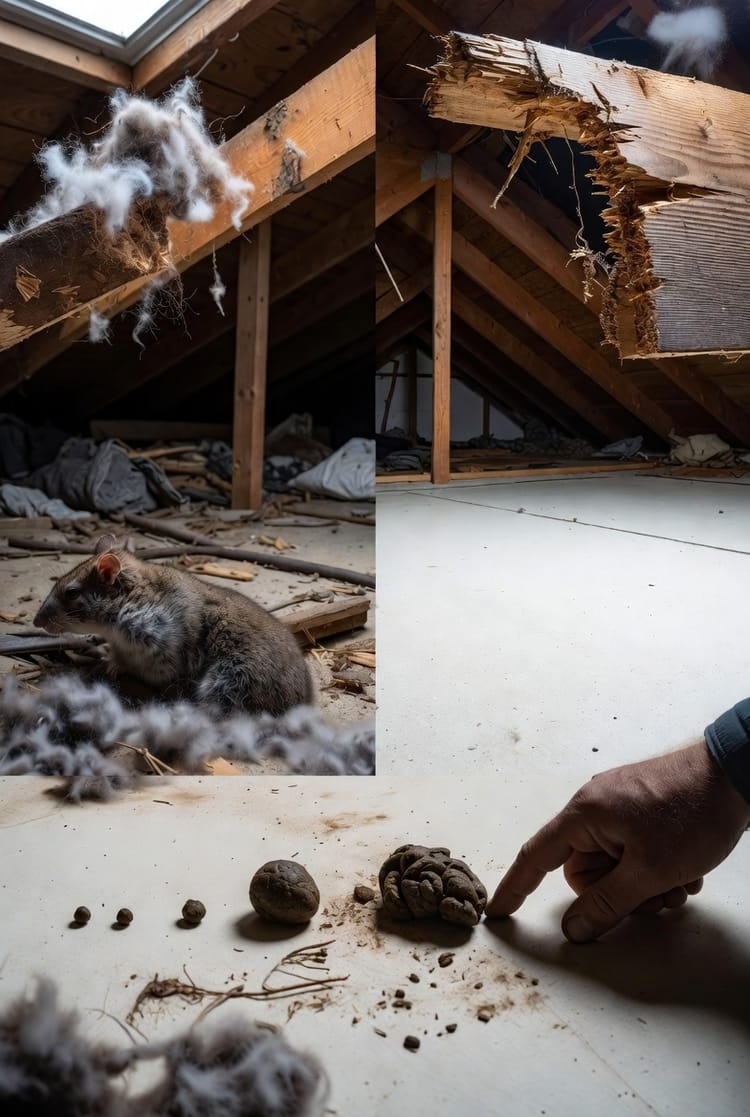
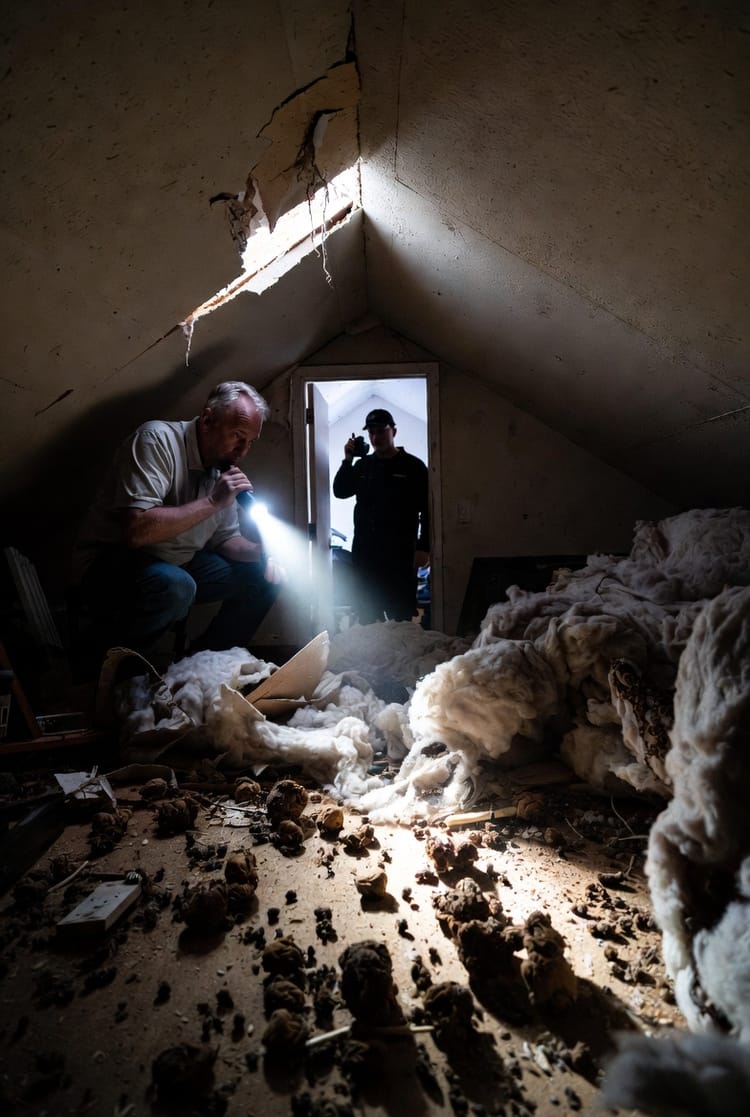
Signs of intrusion—scratching sounds, droppings, or chewed wires—warrant prompt action. Delaying amplifies damage. Our behavior-savvy specialists conduct thorough assessments, tailoring solutions to your property's unique vulnerabilities.
In conclusion, moving beyond the trap means embracing understanding and prevention for humane wildlife removal. By leveraging behavioral biology, we achieve exclusions that are effective, ethical, and enduring.
Say Goodbye to Nuisance Wildlife – Call for Humane Help!