Zoonotic Risks: Diseases Transmitted by Common Wildlife and Why Professional Cleanup is Critical
As homeowners, we cherish the peace and security of our living spaces. However, when wildlife such as raccoons, bats, birds, or rodents invade our homes, they can introduce serious health risks through their droppings and parasites. These aren't just nuisances—they pose real threats via zoonotic diseases, which are illnesses that can jump from animals to humans. In this comprehensive guide, we'll explore the dangers of common zoonotic risks like raccoon roundworm (Baylisascaris), histoplasmosis from bat and bird guano, and leptospirosis from rodent urine. Rest assured, with professional intervention, these issues can be safely managed. Understanding these risks empowers you to protect your family, and we'll emphasize why calling in certified experts for cleanup is not just recommended—it's essential.
Protect Your Family from Zoonotic Diseases – Call Now!
(855) 321-2977.
Understanding Zoonotic Diseases in the Home
Zoonotic diseases are a critical public health concern, especially in residential settings where wildlife intrusions are common. These pathogens thrive in animal waste, which can contaminate attics, basements, crawl spaces, and even HVAC systems. When disturbed, spores or bacteria become airborne or leach into surfaces, leading to potential exposure through inhalation, ingestion, or skin contact.
Homeowners often underestimate the persistence of these contaminants. For instance, wildlife droppings don't just disappear; they dry out, fragment, and spread, creating invisible hazards. According to health authorities, improper handling can exacerbate the spread, turning a contained problem into a widespread issue. But don't worry—knowledge is your first line of defense.
Common Wildlife Culprits and Their Hidden Dangers
Wildlife invasions vary by region, but certain animals are frequent offenders in transmitting diseases:
- Raccoons: Known for their adaptability, raccoons often nest in attics, leaving behind feces laden with parasites.
- Bats and Birds: These flying intruders roost in eaves or chimneys, accumulating guano (droppings) that harbors fungal spores.
- Rodents (Mice and Rats): Ubiquitous in urban and rural areas, rodents urinate prolifically, contaminating insulation and food sources.
Each of these can introduce specific zoonotic threats, which we'll delve into next. By recognizing the signs—such as unusual odors, stains, or scratching noises—you can act swiftly to mitigate risks.
The Threat of Raccoon Roundworm (Baylisascaris)
One of the most alarming zoonotic parasites is Baylisascaris procyonis, commonly known as raccoon roundworm. This intestinal parasite affects raccoons but can devastate human health if eggs from their feces are ingested.
How Transmission Occurs
Raccoon feces contain millions of microscopic eggs that become infectious after a few weeks in the environment. These eggs are incredibly resilient, surviving in soil, dust, or on surfaces for years. Homeowners might encounter them during DIY cleanups, gardening near latrine sites, or even through children playing in contaminated areas.
- Inhalation or Ingestion: Dust from dried feces can be inhaled, or eggs can stick to hands and be ingested accidentally.
- High-Risk Groups: Young children and individuals with weakened immune systems are particularly vulnerable, as the larvae can migrate to the brain, eyes, or spinal cord.
Symptoms and Health Impacts
Symptoms may not appear immediately, but when they do, they can be severe:
- Neurological Issues: Headaches, confusion, loss of coordination, or seizures.
- Vision Problems: Blurred vision or blindness if larvae affect the eyes.
- Organ Damage: In rare cases, it leads to encephalitis or death.
Public health data indicates that while infections are uncommon, they are often underdiagnosed, with potentially fatal outcomes if untreated. Early medical intervention is crucial, but prevention through professional removal is key.
Why DIY Cleanup is Risky
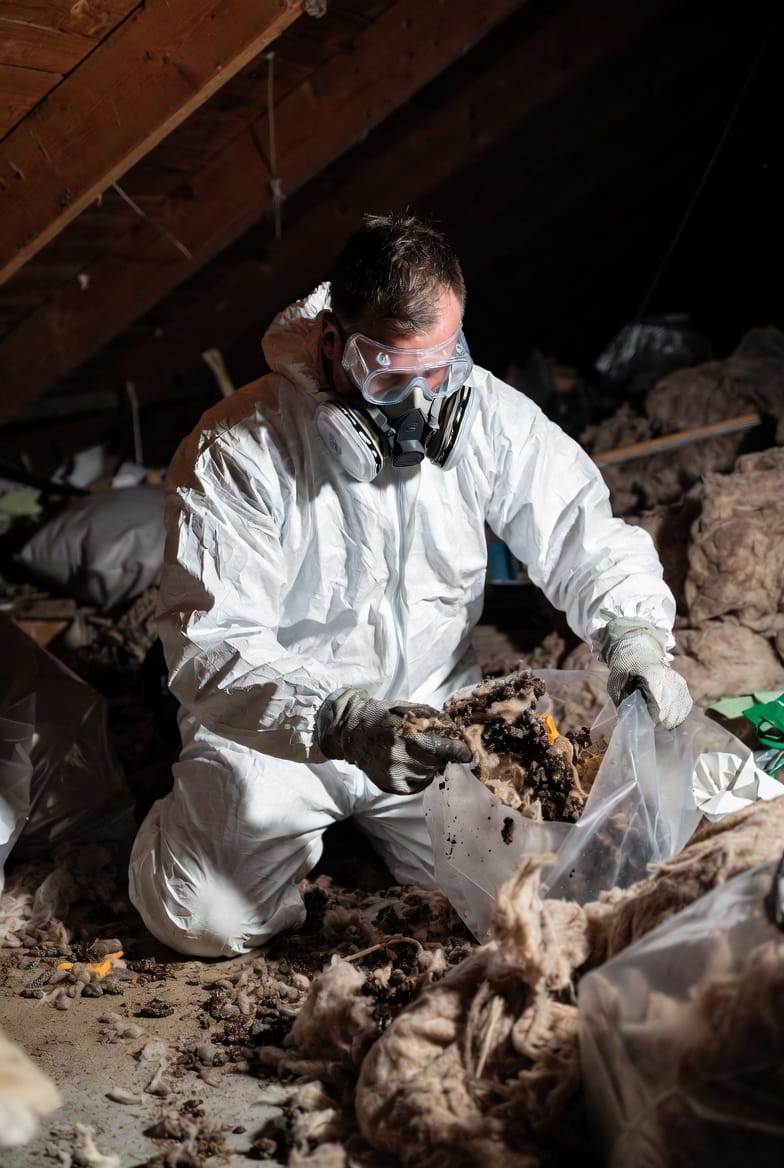
Attempting to clean raccoon waste without proper equipment can aerosolize eggs, increasing exposure. Professional cleanup involves using HEPA-filtered vacuums, biocides, and full personal protective equipment (PPE) to ensure no residues remain. This not only eliminates the immediate threat but also prevents re-infestation.
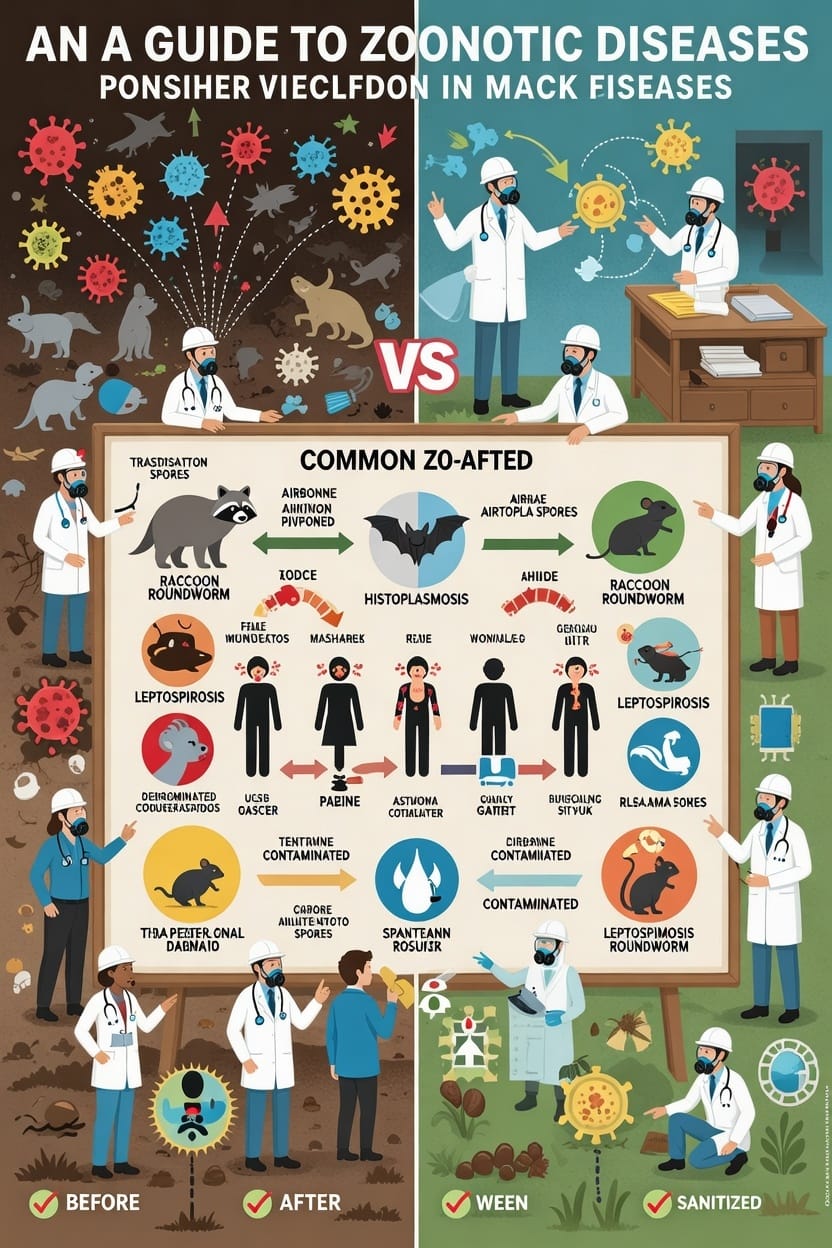
Histoplasmosis: The Fungal Danger from Bat and Bird Guano
Histoplasmosis is a respiratory illness caused by the fungus Histoplasma capsulatum, which proliferates in bat and bird droppings. This fungus loves moist, nutrient-rich environments like accumulated guano in attics or under roosts.
Transmission Pathways
When guano dries and is disturbed—say, during sweeping or renovation—it releases spores into the air. These spores are easily inhaled, lodging in the lungs and potentially disseminating throughout the body.
- Airborne Spread: Common in enclosed spaces like attics, where poor ventilation traps spores.
- Environmental Factors: Warm, humid climates accelerate fungal growth, making southern and midwestern U.S. regions higher-risk areas.
Homeowners might notice a musty smell or blackish accumulations, but the real danger is invisible.
Recognizing Symptoms
Most infections are mild and flu-like, but severe cases can be debilitating:
- Acute Symptoms: Fever, cough, chest pain, and fatigue.
- Chronic Forms: In immunocompromised individuals, it can lead to disseminated histoplasmosis, affecting organs like the liver or spleen.
- Long-Term Effects: Scarring in the lungs or ongoing respiratory issues.
Health statistics show that histoplasmosis affects thousands annually, often linked to wildlife exposure. Prompt diagnosis via blood tests or imaging is vital.
The Imperative for Professional Sanitization
Cleaning guano requires more than a broom and mask. Professionals use industrial-grade PPE, including respirators with P100 filters, to avoid inhalation. They employ antifungal agents and seal off areas to prevent cross-contamination. This thorough approach restores your home's safety without endangering your health.
Leptospirosis: The Bacterial Menace from Rodent Urine
Leptospirosis, caused by Leptospira bacteria, is transmitted primarily through rodent urine. Rats and mice excrete these bacteria, which can survive in water or moist soil for months.
How It Spreads in Homes
Urine soaks into insulation, flooring, or stored items, creating contaminated zones. Contact occurs via:
- Direct Touch: Handling infested materials without gloves.
- Indirect Exposure: Through cuts or mucous membranes, or by consuming contaminated food/water.
- Aerosolization: During cleaning, bacteria can become airborne.
Urban areas with high rodent populations see spikes in cases, especially after floods or heavy rains.
Health Consequences
Symptoms range from mild to life-threatening:
- Initial Phase: High fever, chills, muscle aches, and headaches.
- Severe Weil's Disease: Jaundice, kidney failure, bleeding, or meningitis.
- Mortality Risk: Untreated, it can have a 10-50% fatality rate in severe forms.
Global health reports highlight leptospirosis as an emerging threat, with millions affected worldwide. In the U.S., it's reportable to the CDC, underscoring its seriousness.
Professional Intervention: A Must for Safety
Rodent waste demands specialized handling. Experts use professional-grade sanitization techniques, including rodenticides, UV light for detection, and enzyme-based cleaners to break down bacteria. Full PPE—gloves, suits, and eye protection—ensures no exposure during removal.
Why Professional Cleanup Outshines DIY Efforts
While it's tempting to tackle wildlife waste yourself, the risks far outweigh the savings. Professional wildlife removal services bring expertise, tools, and safety protocols that homeowners lack.
Key Benefits of Hiring Experts
- Advanced PPE and Equipment: Tyvek suits, respirators, and HEPA vacuums minimize exposure.
- Thorough Sanitization: Use of EPA-approved disinfectants ensures complete pathogen elimination.
- Prevention Strategies: Sealing entry points and advising on deterrence to avoid future invasions.
- Compliance and Insurance: Certified pros adhere to health regulations, protecting you legally.
Studies from public health organizations confirm that professional interventions reduce disease incidence by addressing root causes.
Preventive Measures for Homeowners
Prevention is always better than cure. Here are actionable steps:
- Inspect Regularly: Check attics, basements, and roofs for signs of entry.
- Seal Openings: Use wire mesh or caulk to block gaps.
- Maintain Cleanliness: Remove food sources and standing water to deter wildlife.
- Educate Family: Teach children about avoiding animal waste.
By staying vigilant, you can minimize risks before they escalate.
Public Health Implications and Broader Context
Zoonotic diseases aren't isolated incidents; they're part of a larger ecological and public health landscape. Climate change and urbanization increase wildlife-human interactions, amplifying risks. Health agencies like the WHO and CDC advocate for integrated approaches, including professional wildlife management.
In communities, outbreaks can strain healthcare resources. By opting for expert cleanup, you're not just safeguarding your home—you're contributing to broader public health.
Reassuring Steps Forward
Facing wildlife intrusions can be daunting, but remember: these issues are solvable with the right help. Professionals handle thousands of cases annually, restoring homes to safe havens. Your family's well-being is paramount, and timely action prevents minor problems from becoming major health crises.
Don't Risk Histoplasmosis or Leptospirosis – Call Certified Experts