When to Call a Plumber: Essential Signs and Tips to Avoid Costly Disasters
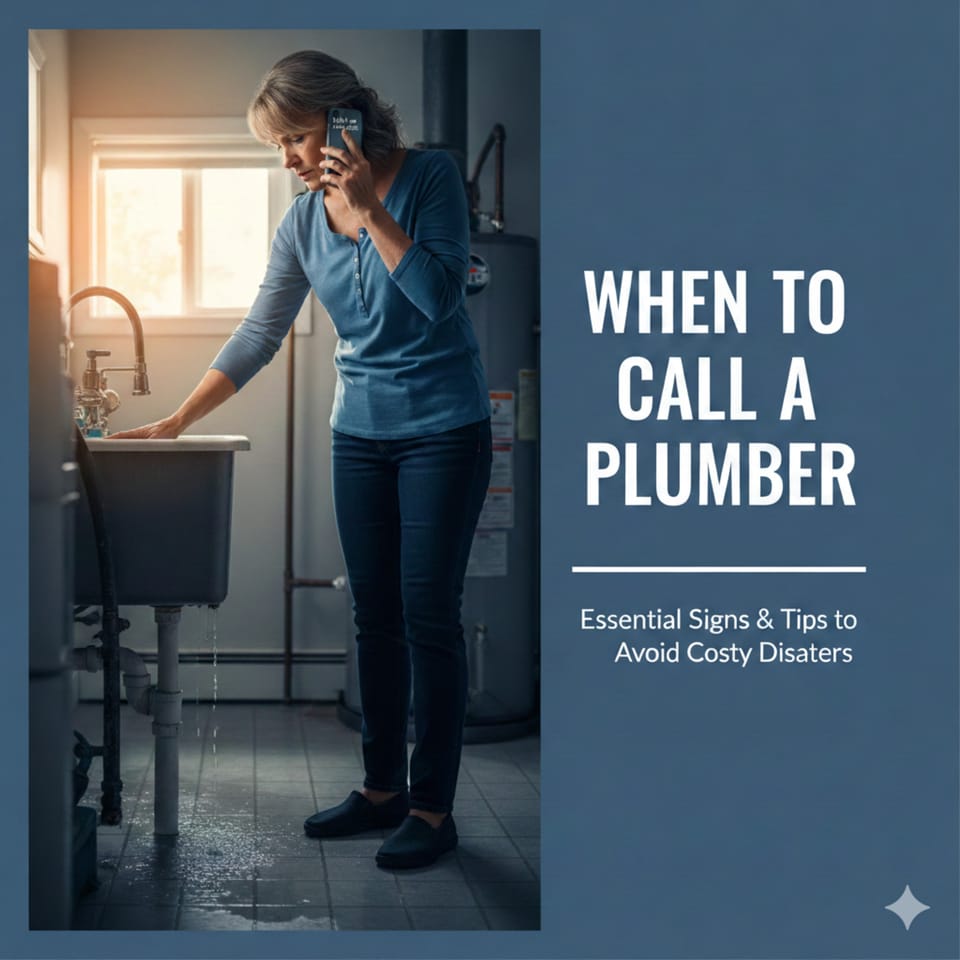
Plumbing issues can strike at any moment, turning a minor inconvenience into a major headache. As a homeowner, knowing when to call a plumber is crucial to prevent water damage, high bills, and health hazards. Ignoring early warning signs often leads to emergencies that could have been avoided with timely professional intervention.
Got a drip, clog, or no hot water? The Plumbing Help Center connects you 24/7 to trusted local plumbers.
In this comprehensive guide, we'll explore the key indicators that it's time to pick up the phone and contact a licensed plumber. We'll delve into common problems, emergency scenarios, preventive measures, and even when a DIY approach might suffice. Backed by industry insights and statistics, this article aims to empower you with knowledge to maintain your home's plumbing system efficiently.
Plumbing problems are more prevalent than you might think. According to recent surveys, about 66% of U.S. homeowners experience plumbing issues during summer months alone, with many leading to property damage or spiked water bills. Nationwide, household leaks waste over 1 trillion gallons of water annually, equivalent to the water usage of 11 million homes. These figures highlight the importance of vigilance. Whether you're dealing with a dripping faucet or a sudden flood, understanding the signs can save you thousands in repairs. Let's break it down step by step, starting with the most frequent red flags.
Recognizing Common Plumbing Warning Signs
Many plumbing issues start small but escalate quickly if ignored. Here are the top signs that signal it's time to call a plumber, complete with explanations and real-world implications.
Persistent Low Water Pressure
One of the most frustrating issues is low water pressure, which can make simple tasks like showering or washing dishes feel endless. This problem often stems from mineral buildup in pipes, leaks, or issues with the municipal water supply. If your shower stream feels more like a trickle, check if it's isolated to one fixture or affects the whole house. A sudden drop might indicate a leak or pipe corrosion.
Statistics show that low water pressure is among the top complaints, affecting daily routines for many households. Ignoring it can lead to bigger problems, like burst pipes from increased strain. A professional can diagnose the cause using specialized tools, such as pressure gauges, and recommend solutions like pipe cleaning or replacement.

aboutplumbinginc.com Discover Causes and Solutions for Low Shower Water Pressure
Slow or Clogged Drains
If water pools in your sink or bathtub, it's a clear sign of a clog. Recurring slow drains suggest deeper blockages from grease, hair, soap scum, or even tree roots invading sewer lines. While a plunger might offer temporary relief, persistent issues require professional drain cleaning to prevent backups.
Clogged drains top the list of common plumbing problems, with surveys indicating they account for a significant portion of service calls. In fact, multiple clogged drains at once often point to a main sewer line issue, which only a plumber can resolve with hydro-jetting or camera inspections. Delaying can result in overflows, causing water damage and mold growth.
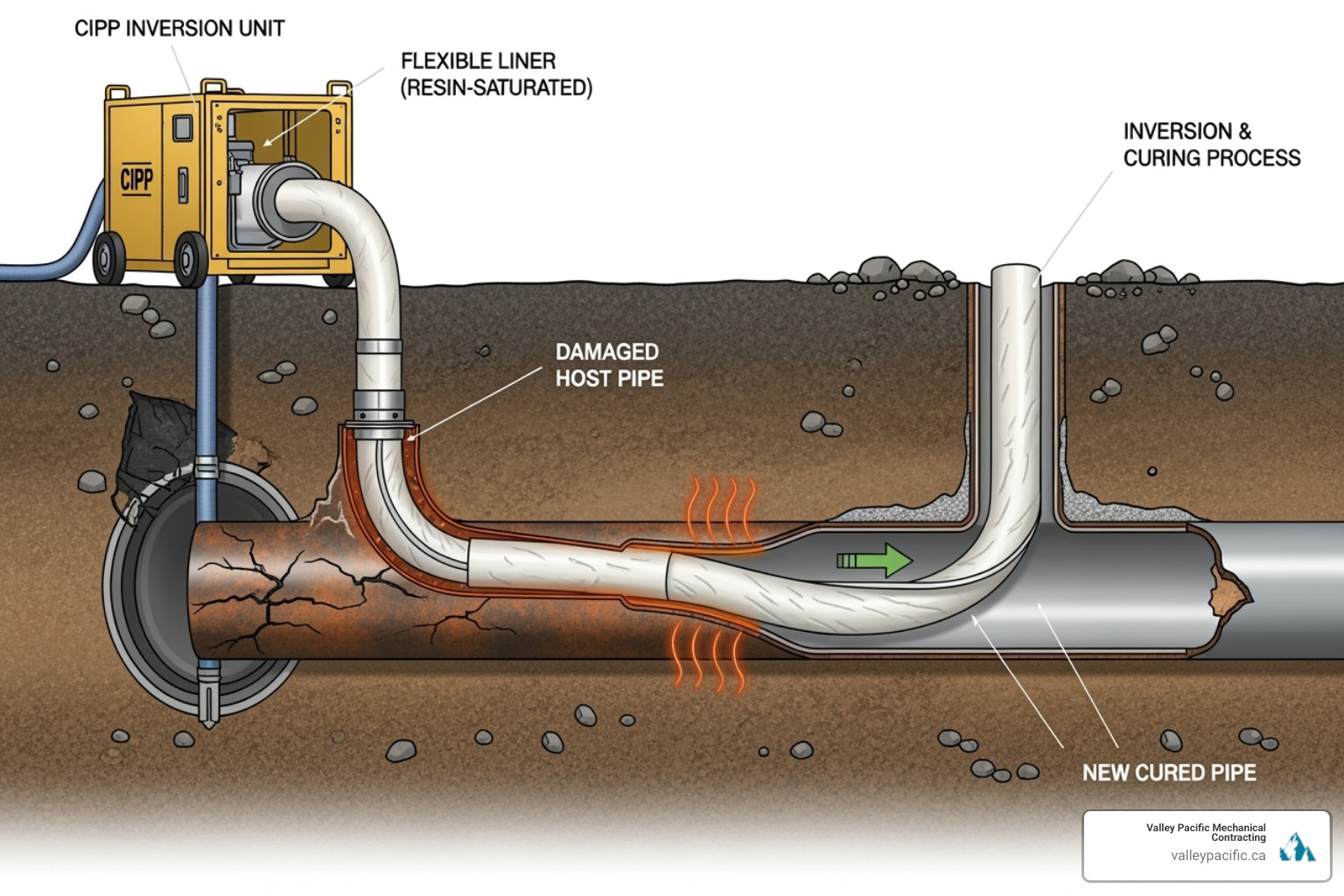
valleypacific.ca Trenchless Pipe Repair: Valley Pacific's Smart Solutions
Dripping Faucets and Leaks
That incessant drip-drip from your faucet isn't just annoying—it's wasteful. A single dripping faucet can waste over 3,000 gallons of water per year, spiking your utility bills. Leaks often result from worn-out washers, seals, or corroded valves. Visible leaks under sinks or around toilets demand immediate attention to avoid structural damage.
Homeowners report leaks as a leading issue, with one in ten homes wasting 90 gallons or more daily from undetected leaks. Call a plumber if DIY fixes like tightening connections don't work, as hidden leaks can lead to mold and rot.

flowpro-plumbing.com Stop a Dripping Faucet: Flow Pro Plumbing's Guide
Running Toilets
A toilet that runs continuously after flushing is a silent water waster, potentially using up to 200 gallons per day. This is usually due to a faulty flapper, float, or fill valve. While replacing parts is a common DIY task, if the problem persists, it could indicate sediment buildup or a deeper issue.
Running toilets rank high in common complaints, contributing to unnecessary water consumption and higher bills. A plumber can adjust or replace components efficiently, ensuring long-term savings.
Unexplained High Water Bills
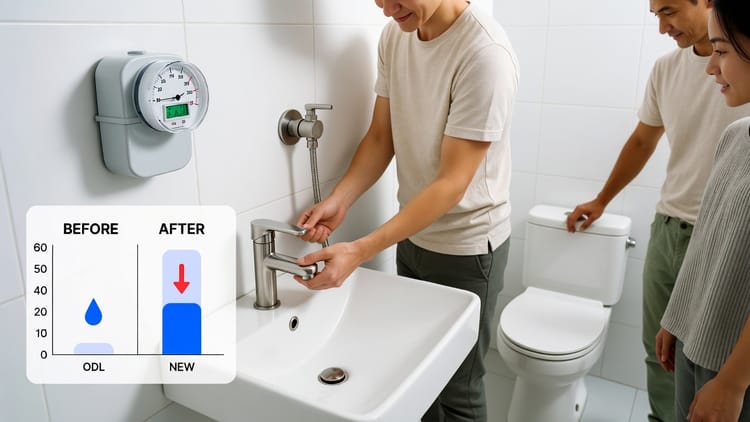
If your water bill suddenly jumps without increased usage, suspect a hidden leak. On average, leaks waste 10,000 gallons per household annually. Check for wet spots on walls, floors, or ceilings, or listen for running water when all fixtures are off.
This sign is often overlooked until bills skyrocket, but early detection can prevent extensive damage. Plumbers use leak detection equipment to pinpoint issues without invasive digging.
Unusual Noises or Smells
Banging pipes (water hammer) or gurgling drains signal air traps or blockages. Foul odors from drains might indicate sewer gas leaks or buildup, posing health risks.
These sensory cues are early warnings; ignoring them can lead to pipe damage or backups. A professional inspection can resolve these before they worsen.
Emergency Plumbing Situations: Act Fast
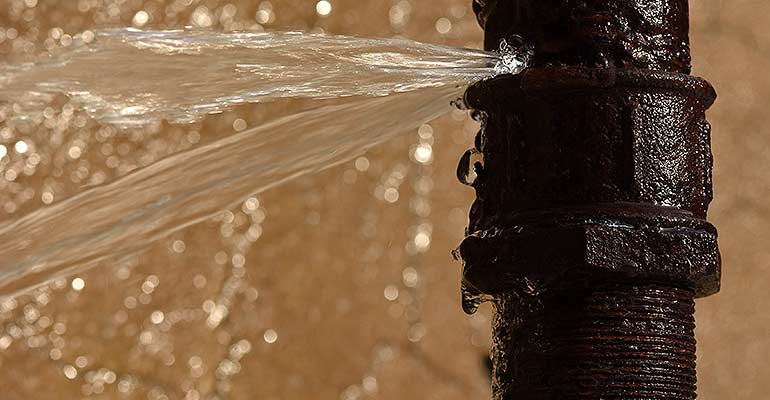
Some issues require immediate action to minimize damage. Burst pipes, for instance, can release gallons of water per minute, causing flooding and structural harm. Common in cold weather, frozen pipes expand and crack, leading to bursts upon thawing. If you notice water spraying or pooling rapidly, shut off the main valve and call an emergency plumber.
From emergency bursts to routine drain cleaning or fixture installs, The Plumbing Help Center gets you a reliable local plumber instantly—call today!
Sewage backups are another crisis, with raw sewage overflowing into your home. This not only damages property but also creates biohazards. Statistics indicate that bursting pipes are a top cause of water damage nationwide. No running water throughout the house could mean a main line break, while overflowing toilets signal severe clogs.
In these cases, DIY attempts can exacerbate problems. Emergency plumbers are available 24/7 and equipped for quick resolutions, potentially saving you from costly repairs. For example, about 14,000 homeowners face plumbing emergencies daily, underscoring the need for prompt response.

Preventive Maintenance: Staying Ahead of Problems
Prevention is key to avoiding calls to the plumber. Regular inspections can catch issues early. Schedule annual check-ups where a professional examines pipes, fixtures, and water heaters.
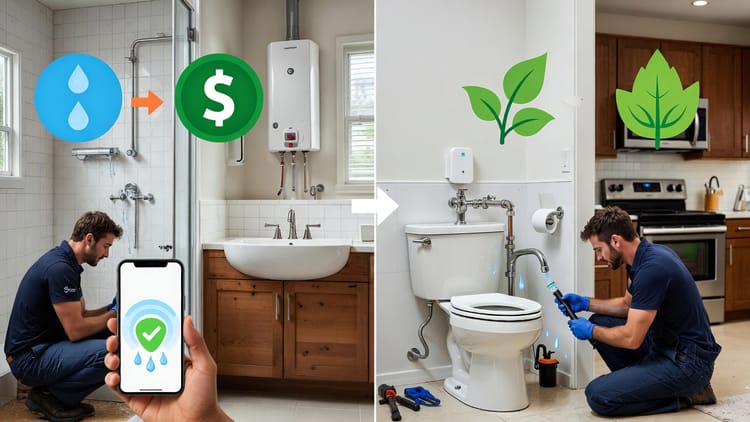
Simple habits help: Avoid pouring grease down drains, use strainers, and insulate pipes in winter. For water heaters, flush sediment yearly to prevent leaks or inefficiency. Installing water leak detectors can alert you to problems via apps.
Data shows that proactive maintenance reduces emergency calls significantly. In states with hard water, like Michigan, plumbing repairs are 36% more common due to buildup, emphasizing the need for softeners or filters.
| Common Plumbing Problems | Percentage of Occurrences |
|---|---|
| Clogged Drains | 40% |
| Leaky Faucets | 25% |
| Low Water Pressure | 15% |
| Running Toilets | 10% |
| Burst Pipes | 10% |
This table illustrates the frequency of issues based on homeowner surveys, helping prioritize your maintenance efforts.
When to DIY vs. Call a Pro: Cost Considerations
Not every issue needs a plumber. Minor clogs or faucet replacements can be DIY if you're handy. Tools like plungers or wrenches suffice for basics.
However, for complex problems like pipe repairs or electrical-integrated fixtures, professionals are essential to avoid voiding warranties or causing more damage. Average plumber costs range from $125-$350 for small jobs, up to $800 for major repairs. Weigh the risk: A botched DIY could cost more in fixes.
In doubt? Opt for professional help. It's an investment in your home's longevity.
Conclusion: Don't Wait for Disaster
Knowing when to call a plumber can protect your home, wallet, and peace of mind. From low pressure to bursts, addressing signs promptly prevents escalation. Incorporate preventive habits and stay vigilant. If issues arise, licensed plumbers ensure safe, effective solutions. Remember, early intervention is always cheaper than emergency repairs. Stay informed, and your plumbing will thank you.
Need plumbing help anytime? Leaks, backups, repairs, or new installations—The Plumbing Help Center links you to top local pros with one call!