Weed Warfare: A Strategic Guide to Identification, Prevention, and Targeted Elimination
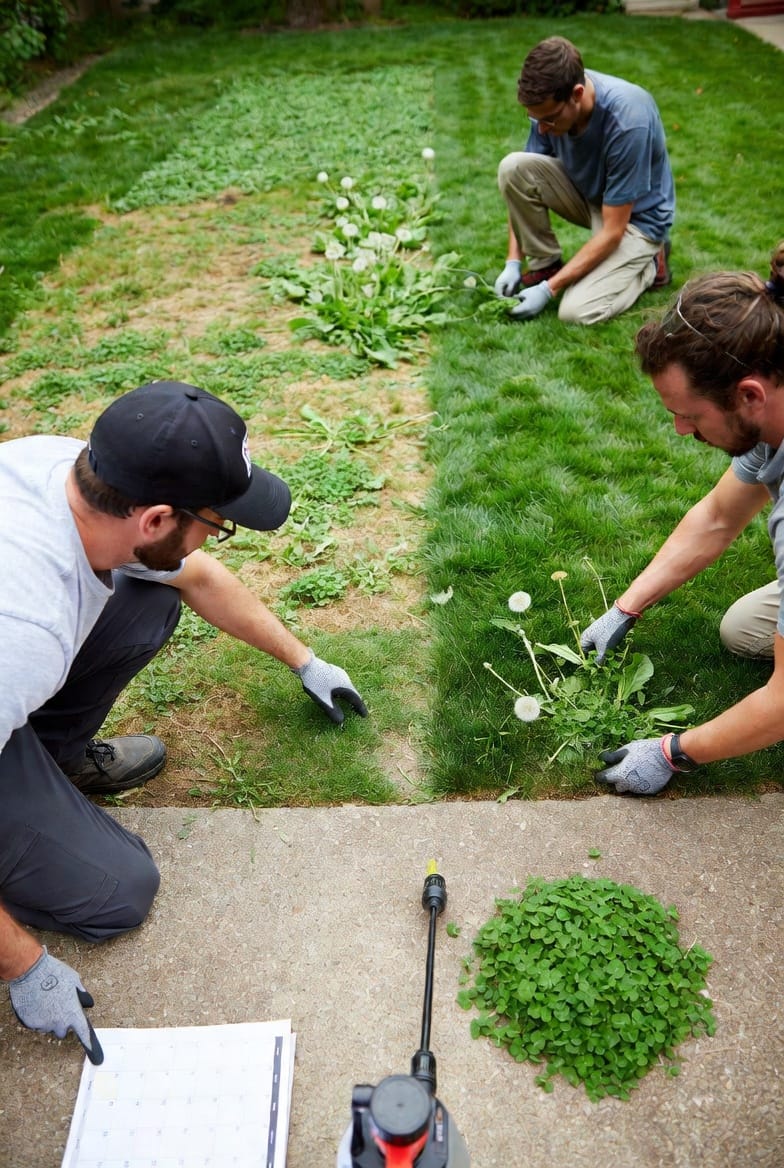
In the ongoing battle for a pristine lawn, weeds are the relentless invaders that can turn your green oasis into a chaotic battlefield. But fear not—armed with knowledge and a proactive mindset, you can reclaim your territory. This comprehensive guide dives into weed identification, prevention tactics, and targeted elimination methods, empowering you to adopt a strategic approach rather than scrambling reactively. Whether you're dealing with stubborn broadleaf intruders or sneaky grassy foes, understanding their nature is your first line of defense. Let's equip you with the tools to win the war on weeds, ensuring your lawn remains healthy, vibrant, and envy-worthy.
Reclaim Your Perfect Lawn – Schedule Your Strategy Session Now
Decoding the Enemy: Classifying Common Weeds
To effectively combat weeds, you must first know your adversary. Weeds aren't a monolithic threat; they come in diverse forms, each requiring tailored strategies. Broadly, we classify them into two main categories: broadleaf weeds and grassy weeds. Additionally, their life cycles—annual versus perennial—play a pivotal role in how they spread and persist.
- Broadleaf Weeds: These are characterized by wide, flat leaves and often feature showy flowers. Common culprits include dandelions, clover, and chickweed. They stand out in lawns due to their distinct shapes, making them easier to spot but tricky to eradicate without harming surrounding grass.
- Grassy Weeds: Mimicking your lawn's turf, these invaders blend in seamlessly. Think crabgrass, quackgrass, or annual bluegrass. Their narrow, blade-like leaves make identification subtler, but their rapid growth can choke out desirable grasses.
Beyond physical appearance, life cycles dictate survival strategies:
- Annual Weeds: These complete their life cycle in one season, germinating, flowering, seeding, and dying. Examples like crabgrass thrive in warm weather, relying on prolific seed production to return year after year.
- Perennial Weeds: Tougher opponents, these live for multiple years, regrowing from roots or rhizomes. Dandelions and plantain fall here, demanding persistent efforts to fully eliminate.
Why bother with this classification? Misidentifying a weed can lead to ineffective treatments, wasted resources, and even lawn damage. For instance, treating a grassy annual like crabgrass with a broadleaf-specific herbicide is like bringing a knife to a gunfight—ineffective and frustrating.
Why Identification is Your Secret Weapon
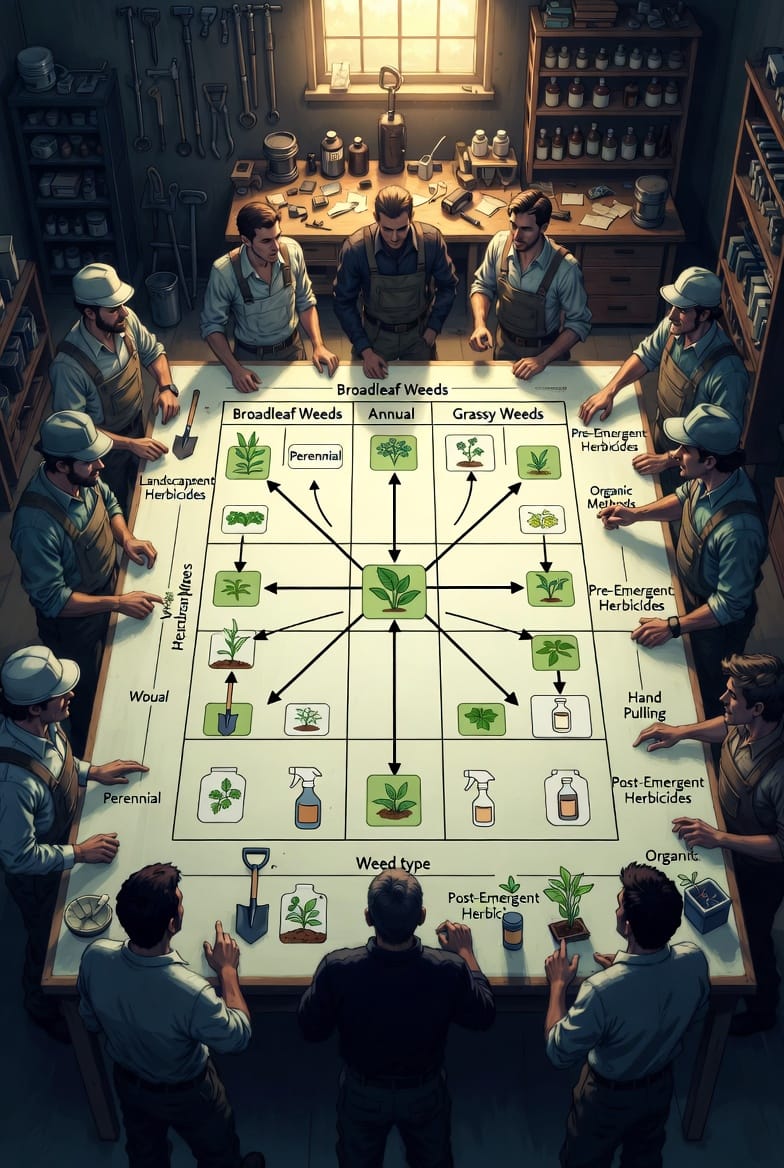
Accurate weed identification isn't just academic; it's the cornerstone of choosing the right control method. Imagine deploying troops without knowing the enemy's weaknesses—you'd be outmaneuvered every time. By pinpointing whether a weed is broadleaf or grassy, annual or perennial, you can select pre-emergent versus post-emergent herbicides, or opt for selective over non-selective options.
Pre-emergent herbicides act as a barrier, preventing seeds from germinating. They're ideal for annual weeds like crabgrass, applied before the growing season kicks in. Post-emergent herbicides, on the other hand, target actively growing plants, making them suitable for perennials that resprout.
Selective herbicides zero in on specific weed types without harming your grass—for example, targeting broadleaf weeds in a turf lawn. Non-selective versions, like glyphosate, wipe out everything they touch, best reserved for spot treatments or total renovations.
Without proper ID, you risk collateral damage: killing your grass, encouraging resistant weeds, or polluting the environment unnecessarily. A strategic approach starts here, turning guesswork into precision strikes.
Building Fortifications: Prevention Strategies
Prevention is the unsung hero in weed warfare. Rather than waiting for invasions, fortify your lawn with practices that make it inhospitable to weeds. A healthy, dense turf is your best natural barrier, crowding out potential intruders.
- Cultural Practices: Mow at the right height (typically 2-3 inches for most grasses) to shade soil and prevent weed germination. Aerate annually to improve soil structure, and overseed bare spots to maintain thick coverage.
- Soil Health: Test your soil pH and nutrients—many weeds thrive in imbalances where grass struggles. Amend with organic matter to foster robust roots.
- Watering Wisdom: Deep, infrequent watering encourages deep grass roots, while shallow watering favors shallow-rooted weeds.
Incorporate pre-emergent herbicides as a preemptive strike. These create a chemical shield in the soil, stopping weed seeds from sprouting. Timing is critical: apply in early spring for summer annuals like crabgrass, or fall for winter ones like henbit.
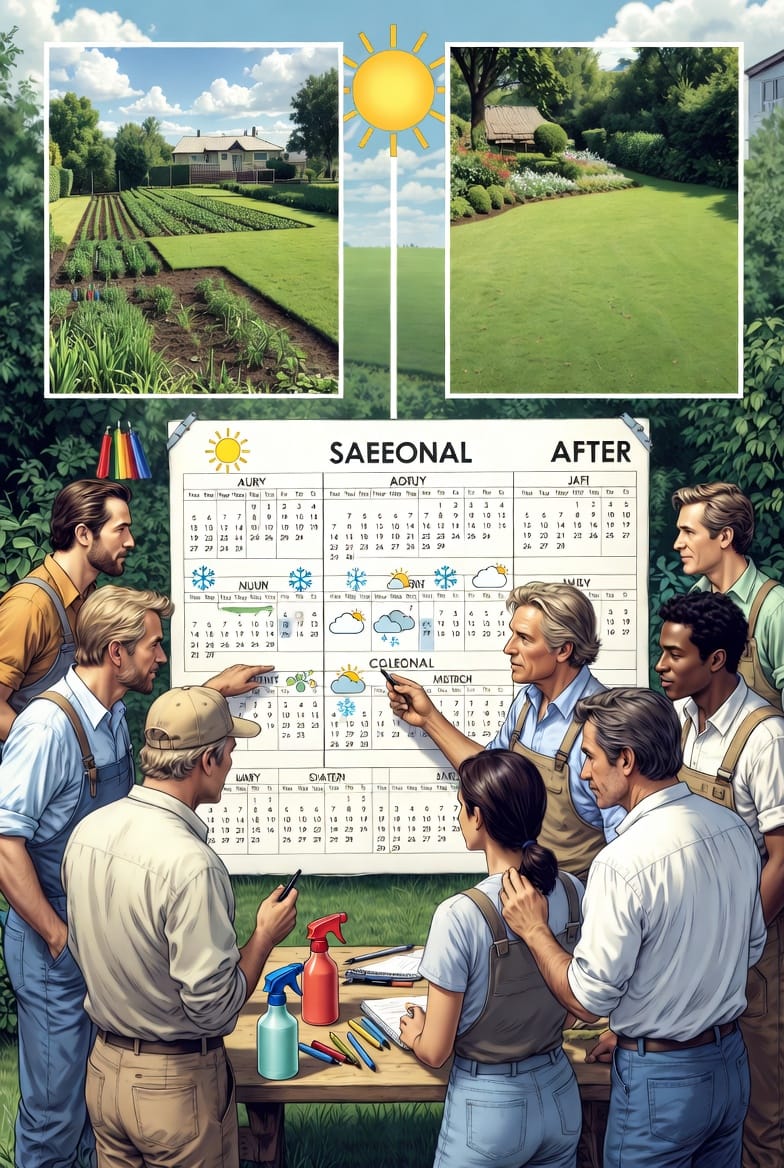
Striking Back: Targeted Elimination Techniques
When prevention falls short, it's time for elimination. A reactive scramble often leads to incomplete victories, allowing weeds to regroup. Instead, adopt targeted methods based on identification.
For broadleaf perennials like dandelions, post-emergent selective herbicides work wonders, applied directly to leaves for absorption. Mechanical removal—pulling with tools that extract roots—offers an organic alternative, especially effective after rain when soil is soft.
Grassy annuals such as crabgrass demand vigilance. If pre-emergents were missed, use post-emergent options early in their growth cycle. For severe infestations, consider solarization: covering areas with plastic to heat-kill weeds.
Organic warriors can turn to vinegar-based sprays or corn gluten meal, which acts as a natural pre-emergent. Always integrate these with manual weeding for best results.
Remember, non-selective herbicides are a last resort—use them sparingly to avoid bare patches that invite more weeds.
Crafting a Strategic Battle Plan
A reactive approach—spot-treating as weeds appear—is like playing whack-a-mole: exhausting and temporary. Shift to strategy for lasting dominance.
Start with scouting: Regularly inspect your lawn, noting weed types and patterns. Create a log to track appearances, linking them to seasons or conditions.
Develop a multi-pronged plan:
- Phase 1: Assessment: Identify and classify weeds using guides or apps.
- Phase 2: Prevention: Apply pre-emergents, enhance cultural practices.
- Phase 3: Elimination: Deploy targeted post-emergents or mechanical methods.
- Phase 4: Maintenance: Monitor and adjust, incorporating overseeding and fertilization.
This holistic tactic not only eradicates current threats but builds resilience, reducing future battles. Studies show lawns with strategic management require 50% less herbicide, saving time and money while being eco-friendlier.
Tools of the Trade: Mechanical, Organic, and Chemical Arsenal
Your weaponry should match the foe. Mechanical tools like weed pullers or flame weeders offer hands-on control without chemicals. Organic options—mulching, boiling water, or beneficial insects—appeal to eco-conscious homeowners.
Chemical controls, when used judiciously, provide efficiency. Always follow labels, applying in calm weather to minimize drift.
Overcoming Common Pitfalls in Weed Management
Even seasoned gardeners stumble. Over-application of herbicides breeds resistance, while ignoring soil health invites repeat invasions. Avoid these by rotating control methods and consulting pros for soil tests.
Weather plays a role—drought stresses grass more than weeds, tipping the scales. Adapt your plan seasonally, ramping up in spring and fall.
For urban lawns, consider pollinator-friendly approaches: Some "weeds" like clover benefit bees. Balance aesthetics with ecology for sustainable wins.
Case Studies: Real-World Victories
Consider a typical suburban yard overrun by crabgrass. Through identification (grassy annual), pre-emergent application in March, and spot post-emergents, the lawn transformed in one season—dense, weed-free turf emerged.
Another scenario: A perennial broadleaf infestation in shady areas. Strategic mulching, selective herbicides, and improved drainage led to 90% reduction, with no recurrence after two years.
These successes underscore strategy over reaction, turning overwhelmed homeowners into confident commanders.
Environmental Considerations in Weed Warfare
Responsible warfare minimizes collateral: Choose low-toxicity options, time applications to avoid runoff, and integrate natives to reduce weed niches. This not only protects waterways but enhances biodiversity.
Long-Term Lawn Legacy: Sustaining Your Wins
Victory isn't one-and-done. Annual audits, adaptive strategies, and professional input ensure enduring supremacy. Invest in quality seed blends resistant to weeds, and celebrate small wins—like a dandelion-free patch.
In conclusion, weed warfare demands intelligence, not just force. By mastering identification, prioritizing prevention, and executing targeted eliminations, you'll cultivate a lawn that's the pride of the neighborhood.
Ready for a Weed-Free Lawn? Get Your Personalized Plan – Call Now