Ultimate Guide to Finding Reliable Roofing Help: When and How
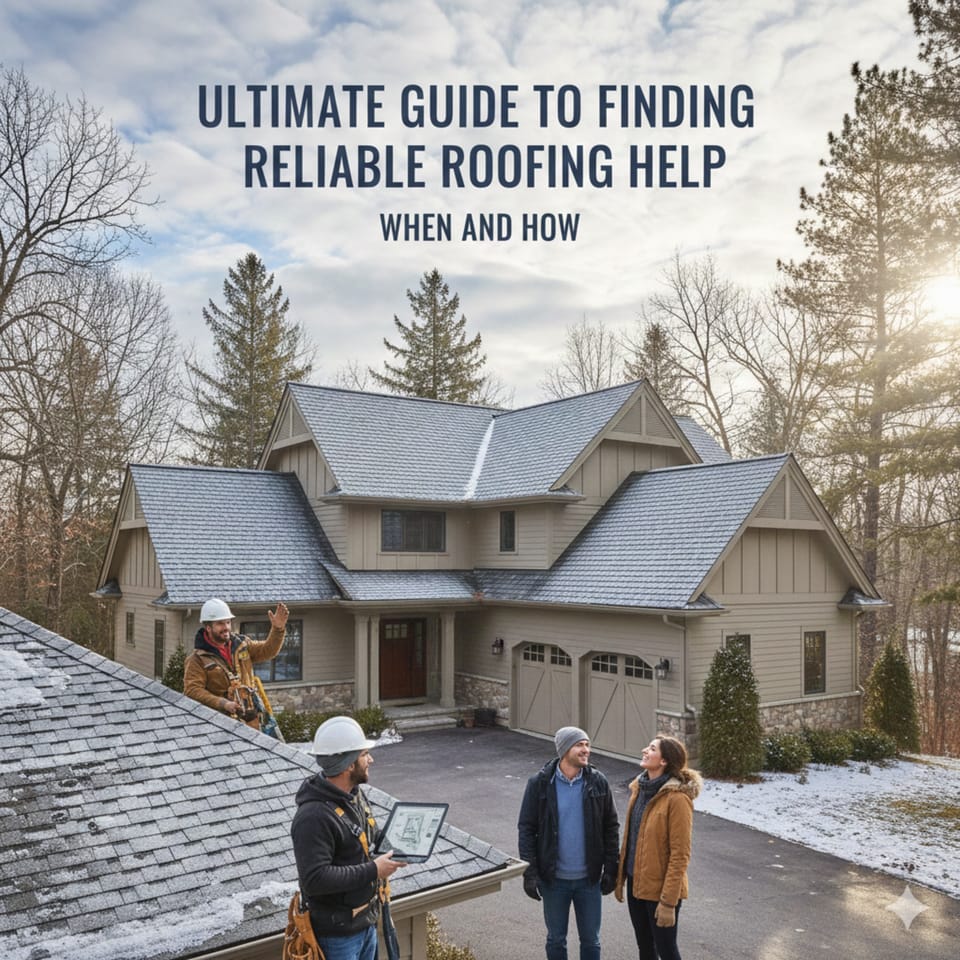
Your roof is one of the most critical components of your home, shielding you from the elements while contributing to energy efficiency and curb appeal. Yet, many homeowners overlook it until a problem arises, leading to costly emergencies.
Need roof help? Call the Roofing Help Center today
Knowing when to seek roofing help and how to find reliable professionals can save you time, money, and stress. In this comprehensive guide, we'll explore the signs that indicate it's time for repairs or replacement, the optimal seasons for roofing work, and step-by-step advice on selecting trustworthy contractors. We'll also dive into industry statistics, average roof lifespans, and valuable resources to empower your decision-making. Whether you're dealing with a leaky shingle or planning a full replacement, this article equips you with the knowledge to act confidently.
Roofing issues don't wait for convenience, but timing your intervention wisely can make a big difference. According to recent data, the U.S. roofing market is valued at around $23.35 billion in 2023 and is projected to grow at a 6.6% compound annual growth rate through 2032. With over 134,000 roofers nationwide and about 5 million new roofs installed annually, the industry is booming—but so are the risks of choosing the wrong help. Let's break it down.
When to Seek Roofing Help: Recognizing the Signs and Timing It Right
Key Signs Your Roof Needs Attention
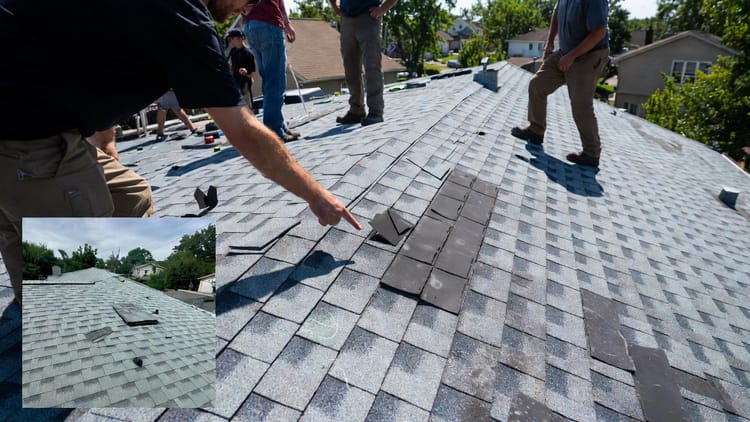
Roofs don't last forever, and early detection of damage can prevent minor issues from escalating into major expenses. Common indicators include missing, cracked, or curling shingles, which signal wear from UV exposure and weather. If you spot granules in your gutters, that's a telltale sign of shingle deterioration, as the protective coating is eroding. Interior clues like water stains on ceilings or walls often point to leaks, while sagging areas might indicate structural problems from prolonged moisture.
Real help, real people. Call the Roofing Help Center.
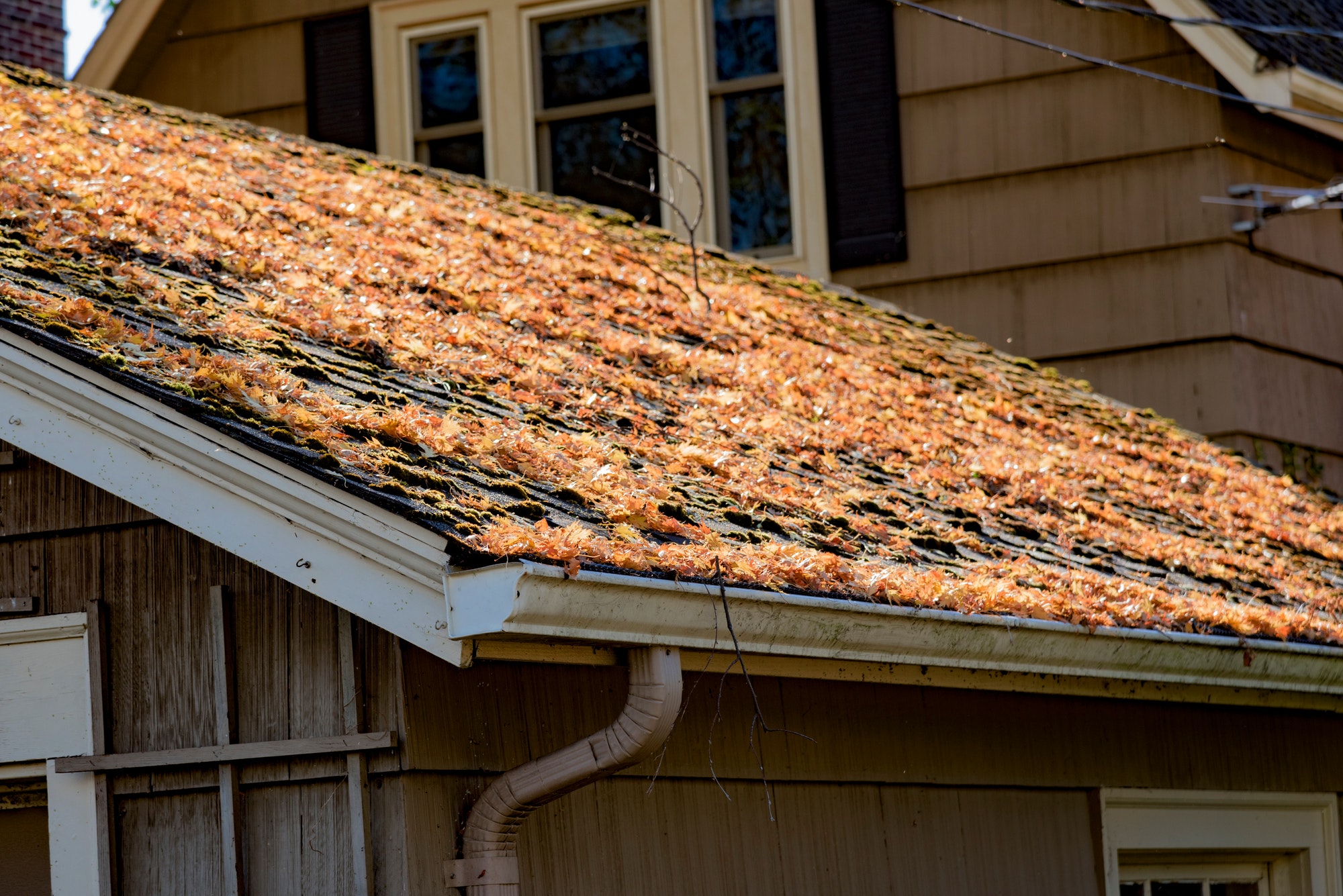
Other red flags are moss, mold, or algae growth, which thrive in damp conditions and can compromise the roof's integrity. Damaged flashing around chimneys, vents, or skylights is another common culprit for leaks. If your roof is over 20 years old, even without visible damage, an inspection is wise—frequent repairs are a strong hint that replacement is imminent.

shelter-usa.com Recognizing Roof Damage Signs | Shelter Construction LLC
The Role of Roof Age and Material Lifespan
The lifespan of your roof heavily influences when you'll need help. Asphalt shingles, the most common type, typically last 15-30 years, depending on quality and climate. Metal roofs endure 40-70 years, while tile or slate can exceed 50-100 years with proper care. Factors like extreme weather, poor ventilation, or lack of maintenance can shorten these timelines significantly.
Here's a table summarizing average lifespans for popular roofing materials:
| Material | Average Lifespan | Best For | Key Factors Affecting Longevity |
|---|---|---|---|
| Asphalt Shingles | 15-30 years | Budget-friendly homes | UV exposure, ventilation |
| Metal | 40-70 years | Durable, modern designs | Corrosion resistance, installation quality |
| Tile/Concrete | 50-100 years | Warm climates | Weight on structure, cracking from impacts |
| Slate | 50-150 years | Historic or luxury homes | High cost, but minimal maintenance |
| Wood Shakes | 20-40 years | Rustic aesthetics | Rot, insects, fire risk |
| Flat Roof Systems | 15-30 years | Commercial buildings | Drainage, membrane quality |
This data is drawn from industry standards, showing how material choice impacts long-term needs. For instance, in harsh environments like Florida, roofs may need replacement sooner due to hurricanes and humidity.

eagleroofing.com What is the lifespan of a tile roof? - Eagle Roofing
The chart above illustrates how often you'd need to reroof over 75 years based on material, highlighting the longevity of options like clay or slate.
Best Seasons for Roofing Work
Timing isn't just about damage—it's about weather. Fall is widely regarded as the ideal season for roof replacements, with mild temperatures (45-85°F) allowing shingles to seal properly without the extremes of summer heat or winter cold. Spring follows closely, offering clear skies and fewer disruptions, though it's busier for contractors. Winter can be viable in milder regions like Florida, but avoid it in snowy areas where materials won't bond. Summer is least favorable due to heat, which can make shingles too pliable, but off-season work might come with discounts.
Need roof help? Call the Roofing Help Center today
In hurricane-prone zones, schedule outside June-November to avoid mid-project storms. Overall, planning in fall or spring ensures efficiency and longevity.
tmexteriors.com What is the Best Season for Roof Work - Trademark Exteriors
How to Find Reliable Roofing Help: Step-by-Step Selection Process
Research and Recommendations
Start by gathering recommendations from friends, family, or homeowner associations. Online reviews on platforms like Google or Yelp provide insights into reliability. Check for local experience—contractors familiar with your area's climate (e.g., hail in the Midwest) are better equipped.
Aim for at least three quotes, but don't base decisions solely on price. Look for contractors with proven track records, ideally 5+ years in business.
Verify Credentials and Insurance
Always confirm licensing, insurance, and certifications. Reputable contractors carry at least $1 million in general liability insurance to protect against accidents. Check for workers' compensation to avoid liability if injuries occur on your property.
Membership in associations like the National Roofing Contractors Association (NRCA) signals professionalism. The NRCA offers resources for education and advocacy, ensuring members stay updated on best practices. Other groups like the Midwest Roofing Contractors Association provide regional support.
Roof damage? Call the Roofing Help Center now.
Questions to Ask Potential Contractors
Interview candidates thoroughly. Key questions include:
- How long have you been in business, and what's your experience with my roof type?
- Can you provide references and examples of past work?
- What warranties do you offer on materials and labor?
- Will you handle permits and inspections?
- What's your process for handling unexpected issues?
A good contractor will explain options clearly, avoid high-pressure tactics, and provide detailed contracts.

americanweatherstar.com In Need of a Commercial Roof Inspection? | American WeatherStar
Leveraging Resources and Tools
Utilize online directories from the NRCA or Asphalt Roofing Manufacturers Association (ARMA) to find certified pros. For materials, brands like GAF or Owens Corning offer contractor locators. Home warranty plans can connect you with vetted roofers.
Industry Insights: Statistics and Trends Shaping Roofing in 2026
The roofing sector is optimistic, with 78% of contractors expecting sales growth in 2026 and 89% anticipating increases over the next three years. Residential work dominates, comprising 85% of the market, driven by replacements on existing homes. Trends include eco-friendly materials and solar integration, with 75% of residential contractors predicting solar sales rises.
Employment is growing at 6% over the decade, reflecting demand. In 2026, focus on fire-rated and impact-resistant roofs in vulnerable areas.
Finding roofing help boils down to vigilance: spot signs early, time your project for fall or spring, and select insured, experienced contractors through thorough vetting. By using resources like NRCA and understanding lifespans and trends, you'll ensure a durable, efficient roof. Don't delay—regular inspections can extend your roof's life and protect your investment. For more details, visit the NRCA website or consult local associations. Your home deserves the best overhead protection.
Need roof help? Call the Roofing Help Center today