The Winter Lawn Dormancy: What's Normal, What's Not, and Spring Recovery Tips
As the temperatures drop and frost settles across your yard, you might look out the window and worry about your once-lush lawn. The grass has turned a uniform brown, and it seems as if all life has vanished from your landscape. Winter lawn dormancy is a common sight for homeowners with cool-season grasses, but it often sparks unnecessary concern. Is your lawn simply resting, or is there a deeper problem?
Let Your Lawn Rest Right – Get Professional Spring Care Now
In this comprehensive guide to winter lawn dormancy, we explore everything you need to know about this natural seasonal cycle. We'll distinguish between what's completely normal and signs that require attention. More importantly, you'll learn the best winter lawn care practices to protect your grass and set it up for a strong spring lawn recovery.
Rest assured, with the right knowledge and a bit of patience, your lawn will bounce back beautifully when warmer days return. Professional lawn care services can help ensure that transition is seamless and stress-free. Whether you're dealing with your first cold season or simply want expert-backed spring lawn recovery tips, this article delivers clear, actionable guidance tailored to real homeowners.
What Causes Winter Lawn Dormancy in Cool-Season Grasses?
Cool-season grasses, such as Kentucky bluegrass, tall fescue, and perennial ryegrass, thrive in temperatures between 60 and 75 degrees Fahrenheit. When soil temperatures consistently drop below 50 degrees and daylight hours shorten dramatically, these grasses enter a state of lawn dormancy. This is a protective survival mechanism developed through evolution to help plants endure harsh conditions.
During dormancy, the grass blades stop growing above ground and turn brown as chlorophyll production halts. The plant redirects all energy underground, focusing on the grass crown — the critical area right at soil level where new shoots originate. The roots continue minimal functions to preserve energy until conditions improve.
This process is entirely natural and expected in regions with cold winters across the northern United States. It allows the plant to conserve resources and withstand freezing temperatures, snow cover, and reduced sunlight. Without this ability, many popular lawn grasses wouldn't survive in cooler climates.
Understanding this cycle helps homeowners avoid panic. A brown lawn in January or February isn't necessarily a dead lawn. It's often just nature taking its course, preparing the grass for vigorous growth once spring arrives. Homeowners who recognize winter lawn dormancy as normal report healthier, thicker lawns year after year because they avoid unnecessary interventions that could cause more harm than good.
Signs of Healthy Dormancy Versus Serious Lawn Issues
Knowing how to tell the difference between dormant grass and actual lawn death is crucial for proper winter lawn care. Healthy dormant lawns share several reassuring characteristics that set them apart from problems:
- Uniform brown or tan color across the entire area, without sudden patchy bald spots
- Blades that feel dry but remain firmly attached to the soil
- Slight resistance when gently tugging on the grass blades
- No foul odors, moldy patches, or excessive thinning unless caused by other unrelated factors
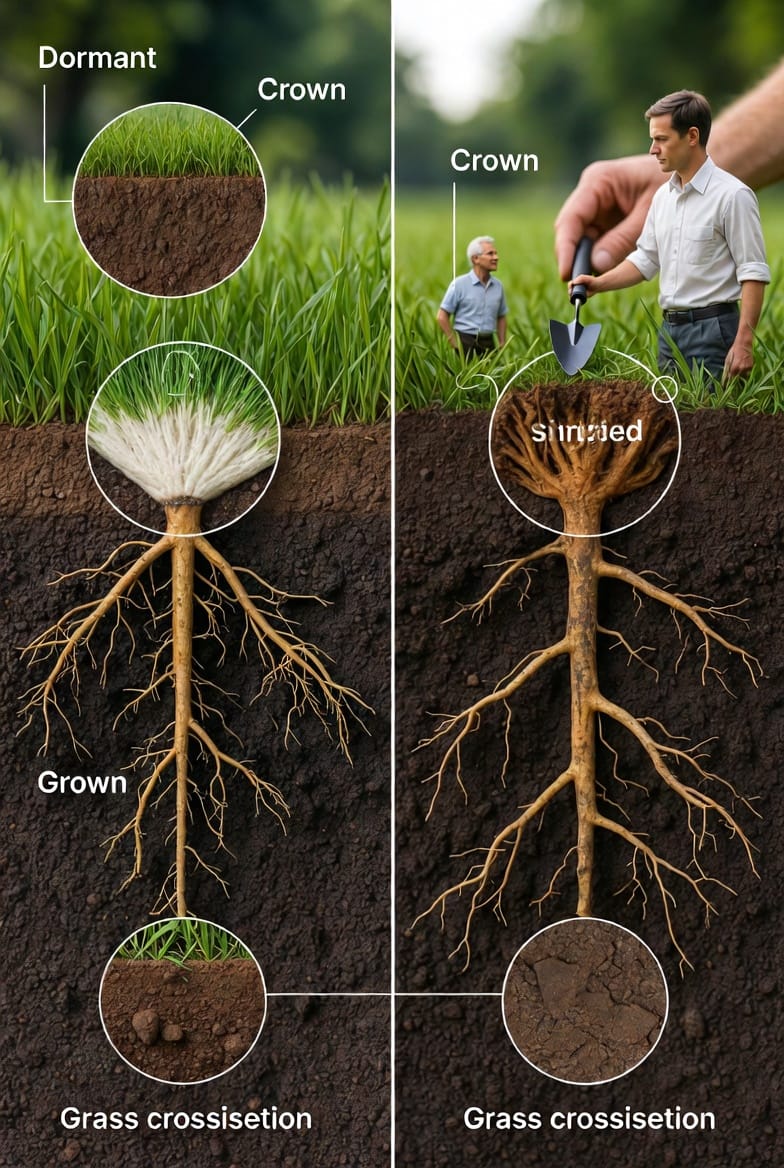
The true indicator of life lies in the grass crown. When conditions are right, this vital part stays protected and ready to spring back to life. In contrast, dead grass will pull out easily with no resistance, and the crown area will appear dark brown or black, mushy, or completely dried out.
Many seasonal concerns stem from confusion here. Rest assured, the vast majority of brown lawns in winter are simply dormant and will green up naturally. Early detection of any true issues allows for targeted fixes before spring, preventing larger repair costs later.
How to Properly Check Your Grass Crown for Peace of Mind
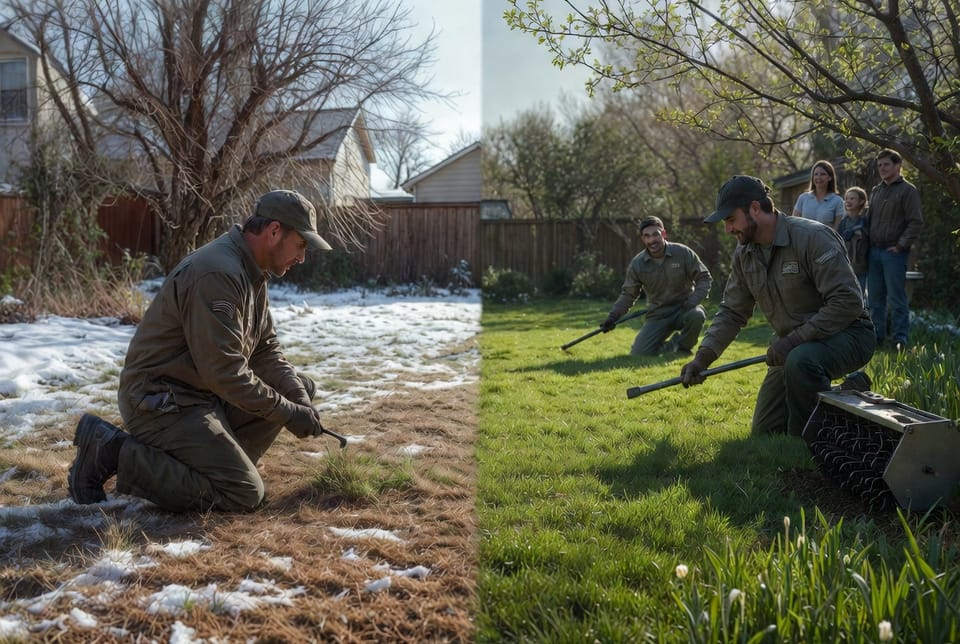
Performing a simple crown check takes just minutes and provides authoritative confirmation of your lawn's status. Choose an inconspicuous spot in your yard during a mild winter day. Use a small shovel or soil probe to gently lift a 2-inch plug of grass and soil.
Examine the base closely: a healthy dormant crown appears white, cream, or light green and feels firm and moist to the touch. The roots should show some white tips. If everything looks alive at the crown level, replace the plug and know your lawn is simply resting.
Repeat this test in a few areas if you notice uneven browning. This quick diagnostic empowers you to make informed decisions and avoids costly mistakes like premature reseeding. Professional lawn care teams use this exact method during winter assessments to plan precise spring lawn recovery strategies.
Essential Winter Lawn Care Practices to Protect Your Dormant Grass
Proper care during lawn dormancy focuses on protection rather than stimulation. Follow these proven practices to safeguard your investment:
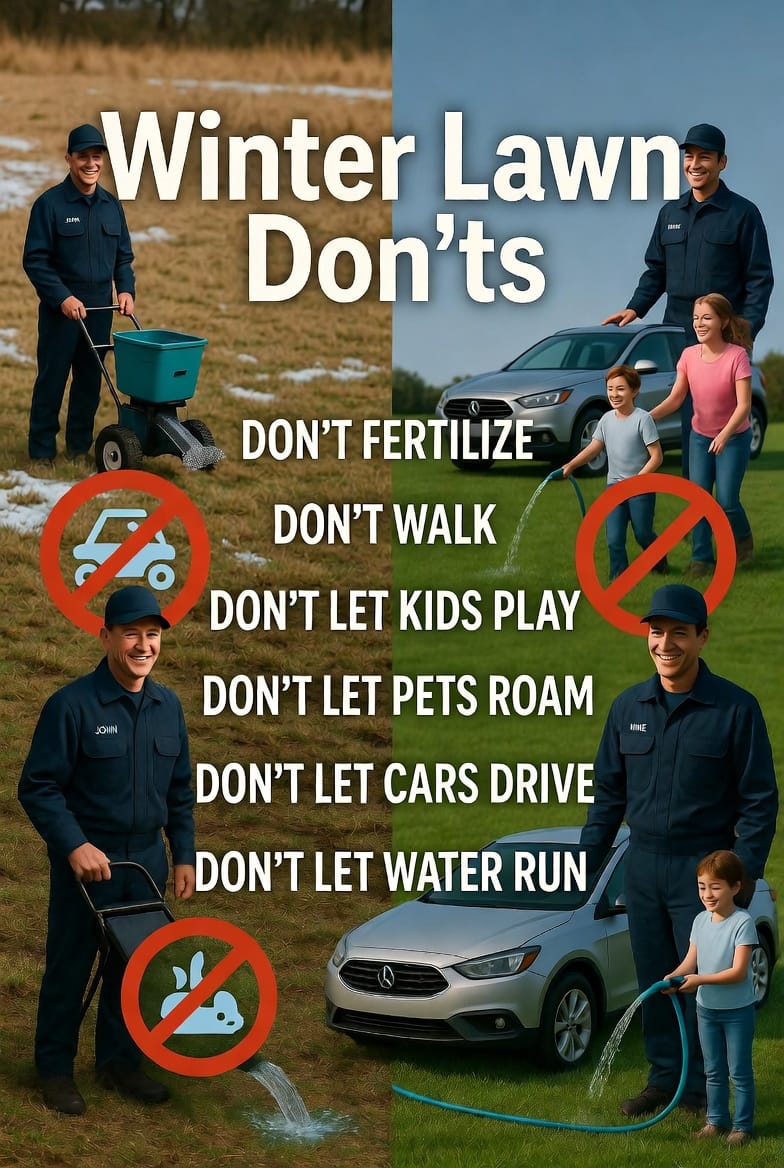
- Avoid heavy traffic on dormant grass. Walking, playing, or parking vehicles causes soil compaction that restricts oxygen and water flow once spring arrives. Limit foot traffic as much as possible and use paths or boards for necessary access.
- Skip fertilization completely. Applying fertilizer during dormancy can burn the sensitive grass crown or trigger weak growth that gets damaged by late freezes. Save all feeding for when the grass actively resumes growth in spring.
- Practice minimal watering. In most regions, natural precipitation and snow cover provide sufficient moisture. Only water during extended dry spells with no snow, and then very lightly to prevent ice layers that smother the lawn.
- Manage leaves strategically. A thin layer of leaves can actually insulate the soil, but thick piles should be removed promptly to prevent smothering and disease development.
These simple steps require almost no effort yet deliver remarkable results. By letting your lawn rest properly, you encourage deeper root systems that lead to thicker, more drought-resistant turf in the warmer months ahead.
Common Myths About Dormant Lawns and Why They’re Wrong
Many homeowners wonder if they should be doing more during winter. The answer is usually “less is more.” One persistent myth claims a brown lawn signals poor soil quality. In reality, even the healthiest, professionally maintained lawns enter dormancy each year. Another concern involves snow mold after prolonged snow cover. While possible, proper fall cleanup and avoiding excess moisture dramatically reduce risks.
Patience truly pays off. Your lawn isn’t “dead” just because it looks different from summer photos. Embracing the natural cycle prevents overwatering or fertilizing mistakes that could actually kill otherwise healthy grass.
Proven Spring Recovery Tips for a Lush, Healthy Lawn
When soil temperatures consistently rise above 55 degrees, your cool-season grasses will naturally green up and resume growth. To accelerate and strengthen this spring lawn recovery, follow this step-by-step plan:
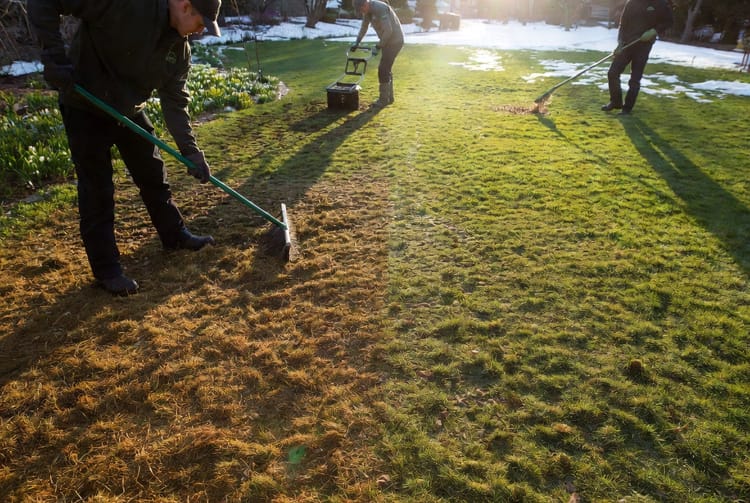
- Rake and remove winter debris thoroughly to allow sunlight and air to reach the soil surface immediately.
- Aerate compacted areas to relieve pressure from winter traffic and improve nutrient and water penetration deep into the root zone.
- Apply a slow-release starter fertilizer rich in nitrogen once active growth begins, giving the lawn the precise boost it needs without burn risk.
- Overseed any thin or bare spots with quality seed matched to your existing grass type for a denser, more resilient lawn.
- Mow at the proper height — keeping blades at 2.5 to 3.5 inches encourages deep rooting and shades out weeds naturally.
Each of these actions builds on the strong foundation you protected all winter. Timing is everything; professional lawn care services excel at reading your specific lawn and local conditions to deliver perfect results every time.
Additional spring lawn recovery tips include soil testing for pH and nutrient levels, targeted weed control before seeds set, and consistent watering during the transition period. Homeowners who combine these steps with expert guidance often see their lawns return thicker and greener than the previous season.
Why Professional Spring Wake-Up Services Deliver Superior Results
While basic maintenance is manageable for many, an expert assessment can identify subtle soil issues, pest problems, or nutrient deficiencies that affect long-term health. Our trained technicians use specialized equipment and proven techniques to ensure your lawn receives exactly what it needs for optimal recovery.
Let your lawn rest properly this winter. When spring arrives, trust the professionals to deliver a stunning transformation with minimal effort on your part.
Protect Your Dormant Lawn & Get Expert Spring Recovery